
When to Visit Glacier Bay: Best Time, Weather, and Seasons
The best time to visit Glacier Bay is May for the year's lowest rainfall, fewer visitors, and lower rates, or July for peak marine wildlife, full services, and days that last nearly 18 hours.
The best time to visit Glacier Bay runs from late May through early September, with peak season in July. In practical terms, May brings the year's lowest rainfall, abundant marine wildlife, and smaller groups. July gives you the full range of services and the highest wildlife density of the year. If you want the best of both, aim for the first half of June.
Glacier Bay Weather Month by Month
Glacier Bay lies in Alaska's Panhandle, a coastal strip of temperate rainforest. Here, rain isn't unusual. It's the park's constant background soundtrack. Summers are mild, averaging 50 to 59°F according to the NPS, but a clearing can turn to drizzle in less than an hour. Bring good rain gear and you'll have a much better visit.
The NPS confirms that April, May, and June are the driest months of the year. September and October are the wettest.
| Month | Approx. low | Approx. high | Rainfall | Note |
|---|---|---|---|---|
| January | 21°F | 36°F | High | Park in winter mode |
| February | 23°F | 37°F | High | Minimal services |
| March | 27°F | 41°F | Moderate | Daylight returns |
| April | 34°F | 48°F | Low | Dry window opens |
| May | 41°F | 55°F | Low | Season opens |
| June | 48°F | 61°F | Moderate | Very long days |
| July | 52°F | 64°F | Moderate | Peak visitation |
| August | 50°F | 63°F | Moderate | Plenty of whales |
| September | 43°F | 54°F | High | Fall colors, quieter again |
| October | 36°F | 45°F | Very high | End of season |
| November | 28°F | 37°F | High | Off-season |
| December | 23°F | 36°F | High | Off-season |
Approximate temperatures based on climate averages for the Gustavus area. For detailed forecasts and hourly data, check the Glacier Bay weather forecast.
Glacier Bay in January
Temperatures hover around 23 to 34°F, with steady rainfall. The Glacier Bay Lodge at Bartlett Cove is closed, flights to Gustavus are rare, and ranger programs don't operate. Bears are hibernating, and whales have migrated to the central Pacific. January isn't a tourist destination. It's a park asleep for the winter.
Glacier Bay in February
Rainfall eases slightly compared with January, but conditions remain wintry, with temperatures between 27 and 36°F. No visitor services are operating. Daylight gradually increases, but nights are still long. For most visitors, February offers little practical reason to go.
Glacier Bay in March
Rainfall is at its lowest level of the winter quarter, and daylight returns noticeably. Temperatures range from 30 to 41°F. No services are open, but a few photographers and self-sufficient explorers venture in for Arctic atmospheres. It's not the right choice for a first visit.
Glacier Bay in April
Statistically, April is the driest month of the year in Glacier Bay. Temperatures range from 34 to 46°F, and conditions are manageable for self-supported camping. The season has not officially opened yet. The lodge remains closed, and ranger programs have not resumed. A few private boats begin appearing in the bay, but there is no visitor infrastructure.
Glacier Bay in May
Temperatures range from 39 to 54°F, with some of the lowest rainfall of the year. The season officially opens: Glacier Bay Lodge resumes operations, boat tours are scheduled, and rangers are on duty. Harbor seals settle on icebergs to give birth, and the first humpback whales return to the bay. Visitation is still light, and rates are significantly lower than in July. May is the ideal month for balancing value, a full experience, and peace and quiet.
Glacier Bay in June
Temperatures range from 45 to 59°F, with moderate rainfall. Around the solstice, the sun sets after 10 p.m. Nearly all services are operating, humpback whales are well established, and visitation remains a notch below July. The trails around Bartlett Cove are in good shape. June offers the best balance between a complete experience and relative quiet.
Glacier Bay in July
This is peak month. Temperatures range from 48 to 63°F, with moderate rainfall. Every service is running, humpback whales are actively bubble-net feeding, and ranger programs are in full swing. July is also the busiest and most expensive month. Book flights, lodging, and excursions at least three to six months ahead.
Glacier Bay in August
Temperatures are similar to July, ranging from 48 to 63°F, but rainfall increases noticeably. Whales remain plentiful, and conditions are excellent for boat tours. The first signs of fall begin to appear in the vegetation. August is a good alternative to July if you can find availability at slightly more attractive rates.
Glacier Bay in September
Rainfall rises sharply, reaching some of the highest levels of the year, and temperatures fall to 43 to 55°F. The tundra and forests around Bartlett Cove turn red and ocher, creating rare photographic opportunities. Whales can still be seen through about mid-September. Some operators close during the month, so check the dates before booking.
Glacier Bay in October
October is the wettest month of the year in Glacier Bay, with average rainfall topping 6.9 inches. Temperatures range from 36 to 46°F. Most services close. Whales have started migrating south. The fall landscape is genuinely beautiful, but the weather and lack of infrastructure make October a poor choice for a first visit.
Glacier Bay in November
The cold returns, with temperatures between 28 and 37°F. The lodge closes for the season. Bears enter hibernation, and rainfall remains high. November marks the beginning of the park's full winter shutdown. No visitor services are available.
Glacier Bay in December
Temperatures range from 25 to 34°F, with up to 18 hours of darkness a day and substantial rainfall. No services are available. In theory, you can still reach the park through Gustavus for self-supported expeditions, but there is no dedicated infrastructure. December is for experienced adventurers with full logistical support.
Glacier Bay Season by Season
Winter (November to March): The Park Slows Down
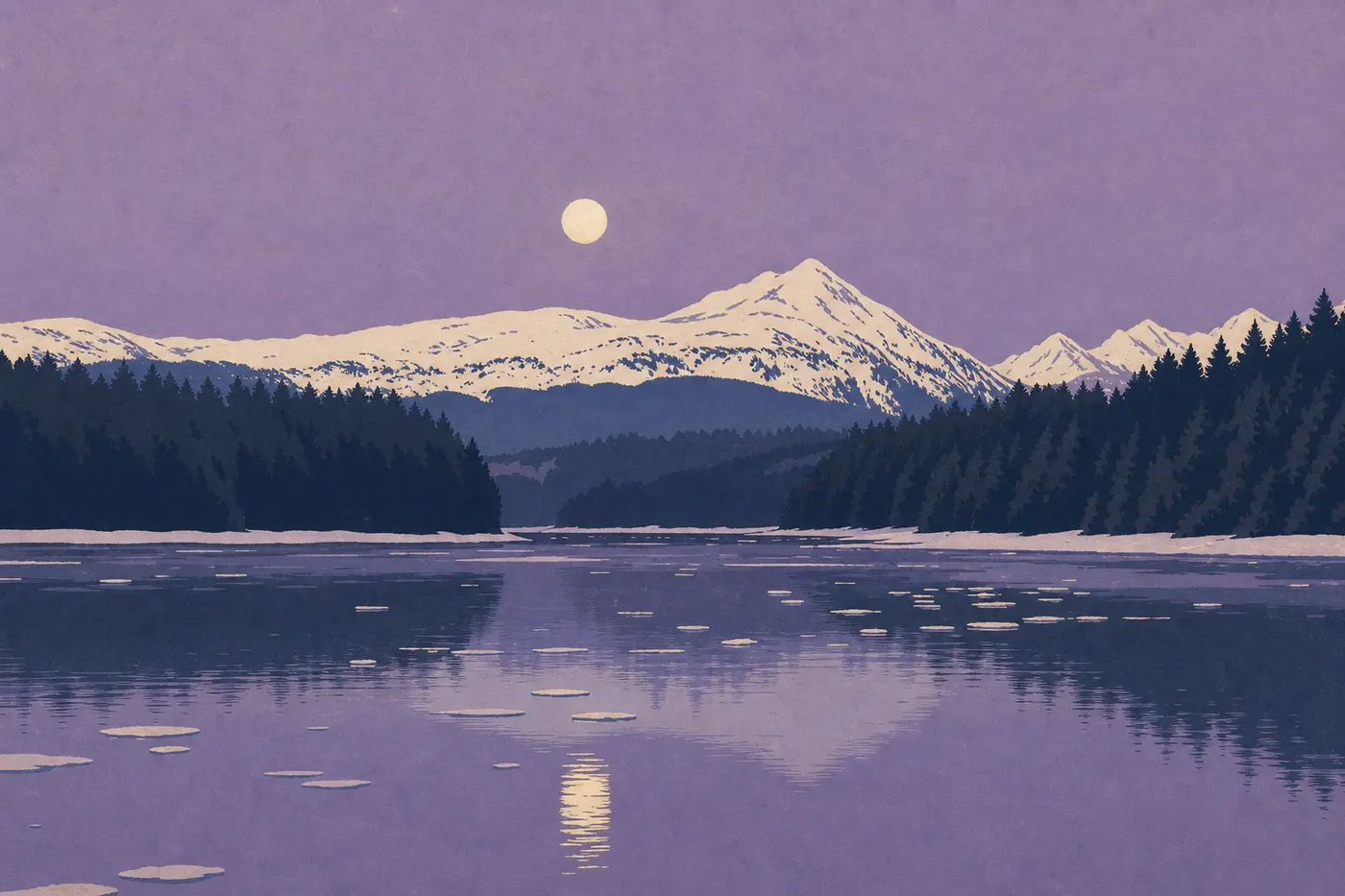
Winter in Glacier Bay calls for some upfront honesty: it's not a destination for most visitors. Glacier Bay Lodge closes, ranger programs stop, and flights to Gustavus Airport become much less frequent. Brown bears hibernate. Humpback whales have migrated to the central Pacific.
Temperatures regularly drop below freezing from November through March. In December, darkness can last up to 18 hours. Precipitation often falls as snow or sleet. The park is technically accessible to experienced photographers with solid self-supported logistics, but it offers little for a first visit.
Spring (April to Late May): The Smart Traveler's Window
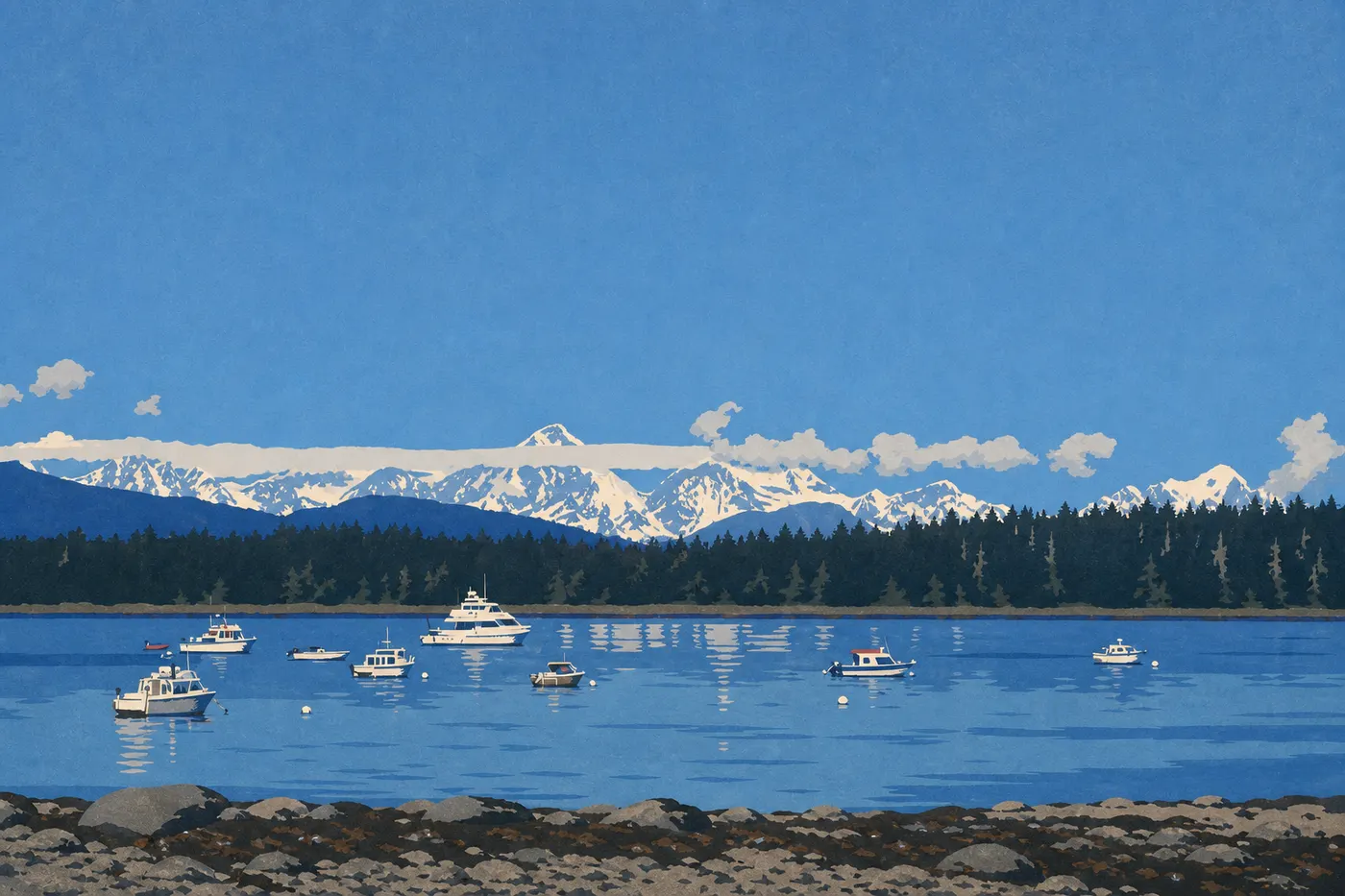
The park gradually wakes up starting in April, and daylight increases quickly at this latitude. May marks the official opening of the tourist season and, in our view, offers the best window for travelers who want to avoid peak season without giving up the full experience.
Rainfall is at its lowest. Temperatures remain cool, ranging from 41 to 55°F, but are manageable with the right layers. Humpback whales begin returning to the bay. Harbor seals settle on drifting icebergs to give birth. Trails around Bartlett Cove are usually clear by mid-May. As a bonus, flights, lodging, and excursions are easier to book and cost significantly less than in July.
Summer (June to August): Peak Season, Intense and Memorable
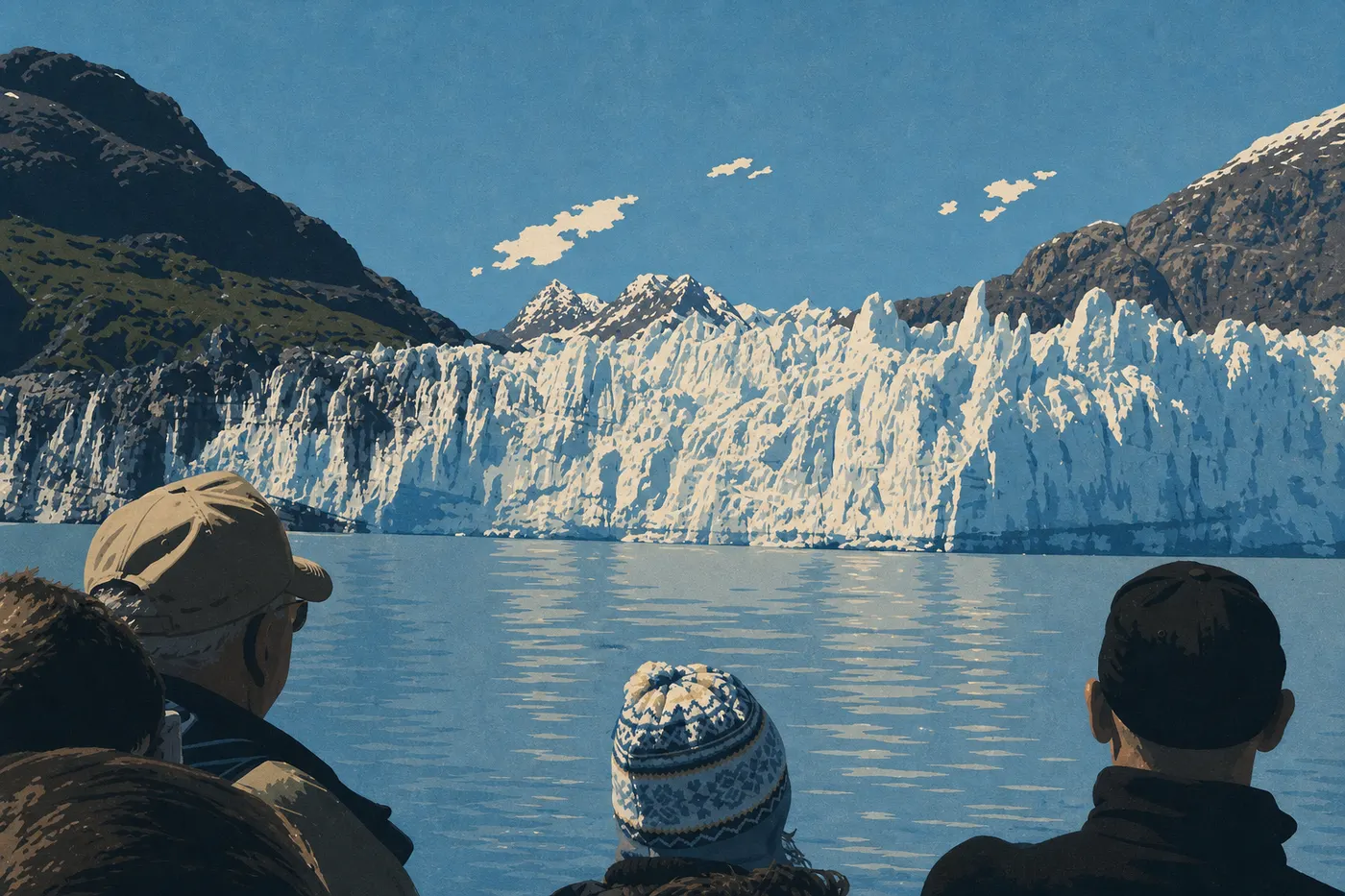
July sets every record: visitation, the range of available services, wildlife density, and daylight, which can last up to 18 hours. Humpback whales actively feed in the bay using their spectacular bubble-net technique. Orcas, sea otters, bald eagles, and coastal bears complete the picture. Ranger programs run at full capacity from the Glacier Bay Lodge Visitor Center.
Glaciers calve continuously at the head of the bay. The crash of a wall of ice plunging into the water can be heard hundreds of yards away and still makes an impression, even after multiple visits.
June offers an appealing compromise: nearly all services are already operating, the days are as long as they are in July, and visitation is a notch lower. If you can't come in May, choose June.
August marks the end of peak season. Whales remain present and the weather usually holds, but the first signs of fall are beginning to show in the vegetation.
Fall (September to October): Stark Beauty, Fragile Logistics
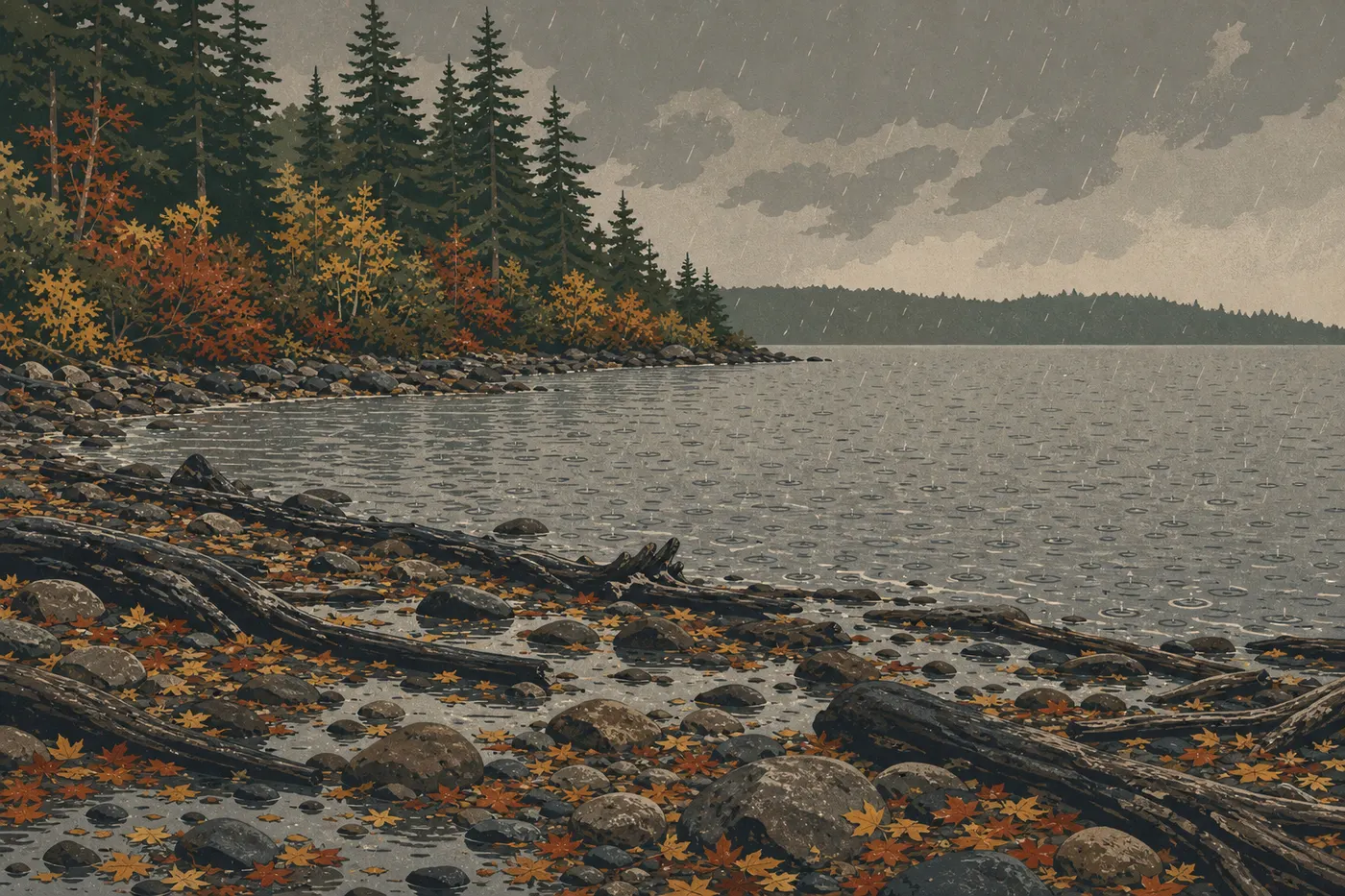
September opens a short but beautiful window. The tundra and forests around Bartlett Cove turn red and ocher. Whales can still be seen through about mid-September, before they migrate to warmer waters. The park becomes quiet again in a way July never allows.
The downside arrives immediately: rainfall climbs noticeably in September and sharply in October. Kayak and tour operators often close during the month. Check actual opening dates before you book anything.
October is essentially the end of the season. It's beautiful for stripped-down landscape photography, but services are scarce and the weather can be demanding.
Crowds: When to Avoid the Rush
Glacier Bay isn't a mass-tourism park, but its limited access creates pockets of concentration. Everything runs through Gustavus, whether you arrive by small plane from Juneau or another Alaskan town, or by boat, and lodging capacity is extremely limited.
July is unquestionably the busiest month. Scheduled cruises add to the number of kayakers, hikers, and charter-flight visitors. Bartlett Cove can feel busy for such a remote park.
June before the 15th and the first half of September offer the best balance: decent weather, open services, and a breathing room that July doesn't allow.
May is still the best choice if space and quiet matter as much to you as abundant wildlife. When you're kayaking among icebergs, solitude is a major part of the experience.
Outside the main season, before late May or after early September, the park has no entrance gate and technically remains open 24 hours a day. Services disappear, however. Always check what will be available before you finalize your flight.
Reservations and Access by Season
Glacier Bay faces a constraint that few American parks share: federal regulations cap the number of vessels allowed in the bay to protect humpback whales.
For cruise ships, daily quotas apply from June 1 through August 31. Major operators reserve their slots months in advance, sometimes as early as the previous year.
For private vessels such as sailboats and motorboats, a permit is required during the main season. The NPS manages these permits, availability is limited, and demand regularly exceeds supply during July weeks. Plan at least six months ahead.
For visitors arriving by air from Juneau or other Alaskan towns, there is no quota, but seats on air taxis are limited and prices rise in July. Book your charter flight two to three months ahead for peak season. One month is usually enough in May.
For detailed procedures, including NPS booking windows and requirements by vessel type, see the Glacier Bay access guide.
Best Time for Your Budget
Glacier Bay isn't an inexpensive destination. Air or boat access, scarce lodging, mostly Glacier Bay Lodge at Bartlett Cove and a few guest rooms in Gustavus, and the cost of boat tours add up quickly.
July: prices reach their peak. Charter flights from Juneau, lodge rooms, and day-cruise seats sell at a premium. A three-night stay commonly costs more than $1,500 per person, all included.
May: rates are much more accessible. Availability is better, planes are less crowded, and the experience remains complete. This is our recommendation for the best value.
September: prices ease as the season winds down, but operators often close before the end of the month. Check actual closing dates before booking.
To compare lodging and seasonal price ranges, see the Glacier Bay lodging guide.
The Best Time for Your Travel Style
Marine wildlife viewing, including humpback whales, orcas, and otters: July for maximum wildlife density, June for a little less competition on the water. Our Wildlife page covers the species and viewing areas.
Kayaking among glaciers: May or early June. Groups are small, channels are quiet, and drifting icebergs are still plentiful. In July, cruise traffic creates waves in some passages.
Landscape photography: May for golden light, quiet, and perfect reflections on the water, or September for fall colors, low-angle light, and a dramatic atmosphere.
Hiking: marked trails are concentrated around Bartlett Cove, since the bay itself has no marked trails. June offers trail conditions without excessive rain. Our Hiking page covers seasonal conditions and available routes.
Families: July, when all children's ranger programs are active and the lodge is running at full capacity. Our Family page lists activities for different ages.
Keeping costs down: May, without hesitation. Lower rates, often-friendly weather, and the full experience.
In Summary: The Best Time for Your Travel Style
| Travel style | Recommended time |
|---|---|
| Marine wildlife, especially whales | July, then June |
| Kayaking and quiet adventure | May through mid-June |
| Photography | May or September |
| Families | July |
| Keeping costs down | May |
| Avoiding crowds | June before the 15th or early September |
Glacier Bay requires serious advance planning whatever season you choose. For July, book flights and lodging three to six months ahead. For May and June, one to two months is usually enough. Our complete Glacier Bay guide takes you from planning to arrival at Gustavus Airport.
The Worst Time to Visit Glacier Bay
October brings the worst conditions for most visitors. Rainfall reaches its annual peak, tour and kayak operators often close before the end of the month, and whales have begun migrating south. Glacier Bay Lodge closes. The stark beauty of the fall landscape is real, but it comes with tight logistics and minimal comfort.
Winter, from November through March, is even more restrictive. With no services available, extremely short days in December and January, and temperatures regularly below freezing, Glacier Bay has little to offer the average visitor during this period. The park is theoretically accessible only for self-supported expeditions with full equipment. If your plans take you outside the main season, check exactly what will be available before booking anything.
Frequently Asked Questions
What is the best month to visit Alaska, and Glacier Bay in particular?
The best month to visit Alaska depends on the region and your priorities, but for Glacier Bay, July offers the most complete combination: open services, peak marine wildlife, and long days. May is the choice for travelers who want to avoid peak season while still enjoying generally favorable weather.
What's the difference between Glacier Bay and Glacier National Park?
Glacier Bay in Alaska and Glacier National Park in Montana are two entirely separate parks, more than 1,550 miles apart. Glacier Bay is a coastal park accessible only by air or boat, centered on glacial fjords and marine wildlife. Glacier National Park is a mountain park with a road network and hundreds of miles of marked trails.
Which month are bears most active in Glacier Bay?
Brown bears are most active from June through September, especially along coastal areas where they hunt migrating salmon. July and August offer the best chances of seeing them. Keep at least 300 feet away and review NPS safety guidance before heading out by kayak or on foot.
What is the coldest month in Alaska, and in Glacier Bay in particular?
January is the coldest month in Glacier Bay, with low temperatures around 23°F. The maritime climate moderates extremes compared with Alaska's interior, where temperatures fall much lower. In the middle of winter, Glacier Bay has almost no visitor services.
How long do you need to visit Glacier Bay?
A day cruise from Bartlett Cove lets you see the main glaciers. Allow three to five days to combine kayaking, hiking, and wildlife viewing comfortably. Our Itinerary and Length page offers sample plans for different amounts of time.
How much does a trip to Glacier Bay cost?
A three-night stay including a flight from Juneau, lodging, and a boat tour commonly costs more than $1,000 to $1,500 per person. Camping brings the total down considerably. Our Where to Stay page breaks down price ranges by lodging type and season.
Can you visit Glacier Bay in winter?
The park is open year-round, but winter, from November through March, is practical only for highly experienced and fully self-sufficient travelers. The lodge is closed, ranger programs are suspended, and flights to Gustavus are rare and more expensive. It's not a destination for a first visit or a classic introduction to the park.
Which month has the fewest visitors in Glacier Bay?
Winter is deserted, but no services are available. Among the months when the park operates normally, May is by far the quietest: excursions are available, wildlife is already present, and visitation is much lower than in July. It's also the month with the best rates on flights, lodging, and excursions.