
Denali Wildlife: Which Animals You’ll See and Where
Denali is home to 39 mammal species and more than 169 bird species across an area about the size of Belgium. Before you go, keep these five species in mind: grizzly bears, caribou, Dall sheep, moose, and gray wolves. You can spot any of them from the park road if you set out early and know where to point your binoculars.
Denali’s Iconic Animals
Denali’s open tundra works in your favor. There’s no dense forest for animals to disappear into. You may spot a grizzly several hundred yards away, while a caribou herd stands out clearly against the slopes. The profiles below will help you identify each species and make the right decisions in the field.
The Grizzly Bear
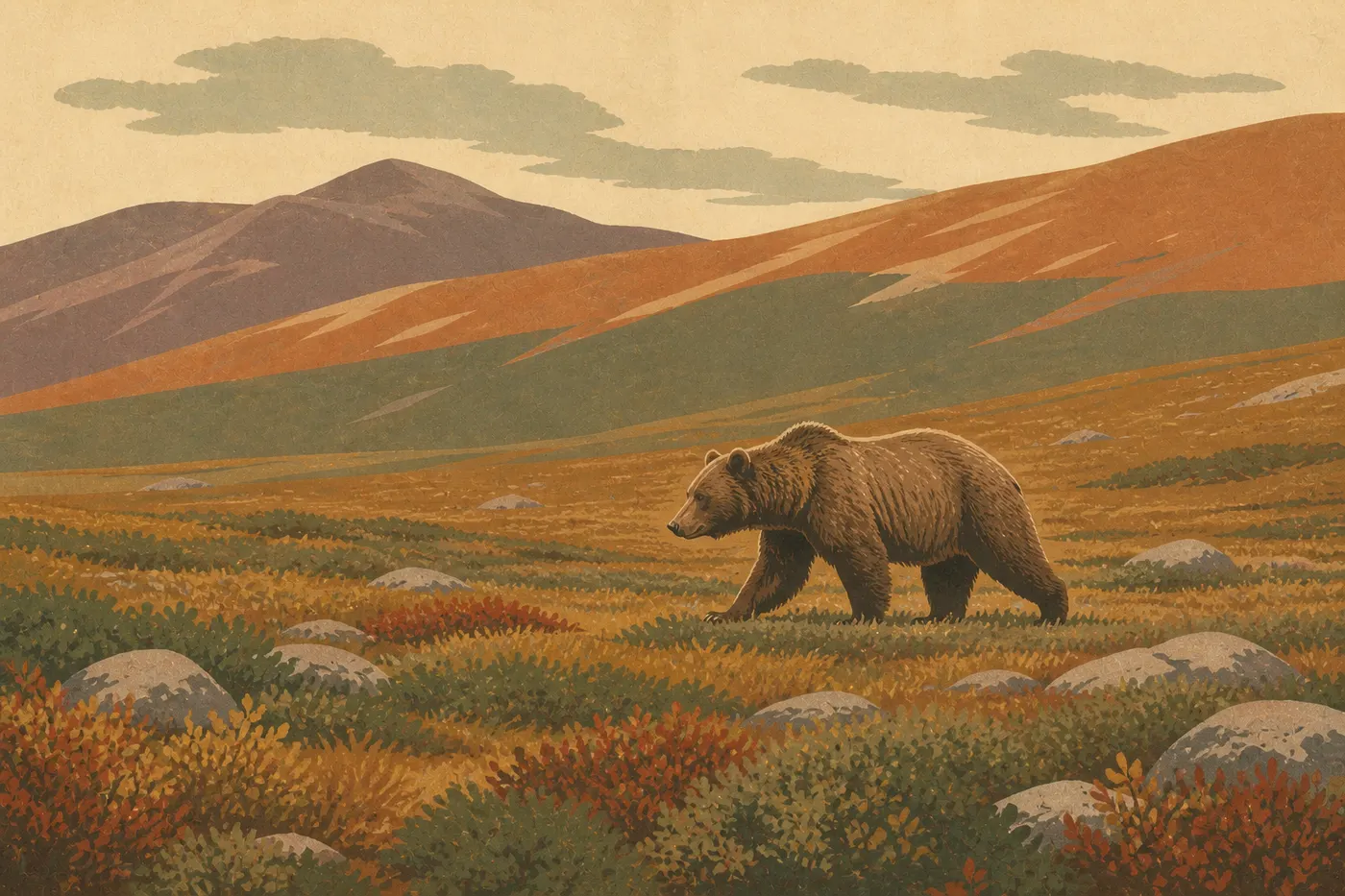
Denali’s grizzly is a brown bear (Ursus arctos horribilis) adapted to the alpine tundra. Its coat ranges from dark chestnut to silvery blond. The muscular shoulder hump and long, light-colored claws set it apart from a black bear at a glance. The park is home to several hundred grizzlies, including females with cubs that are visible in June and July.
Grizzly bears are omnivores. They eat roots, arctic ground squirrels, wild berries, and sometimes carrion. In August, they gorge on blueberries to build up fat reserves before hibernation. That’s when you’re most likely to spot one on a slope.
Denali’s Caribou
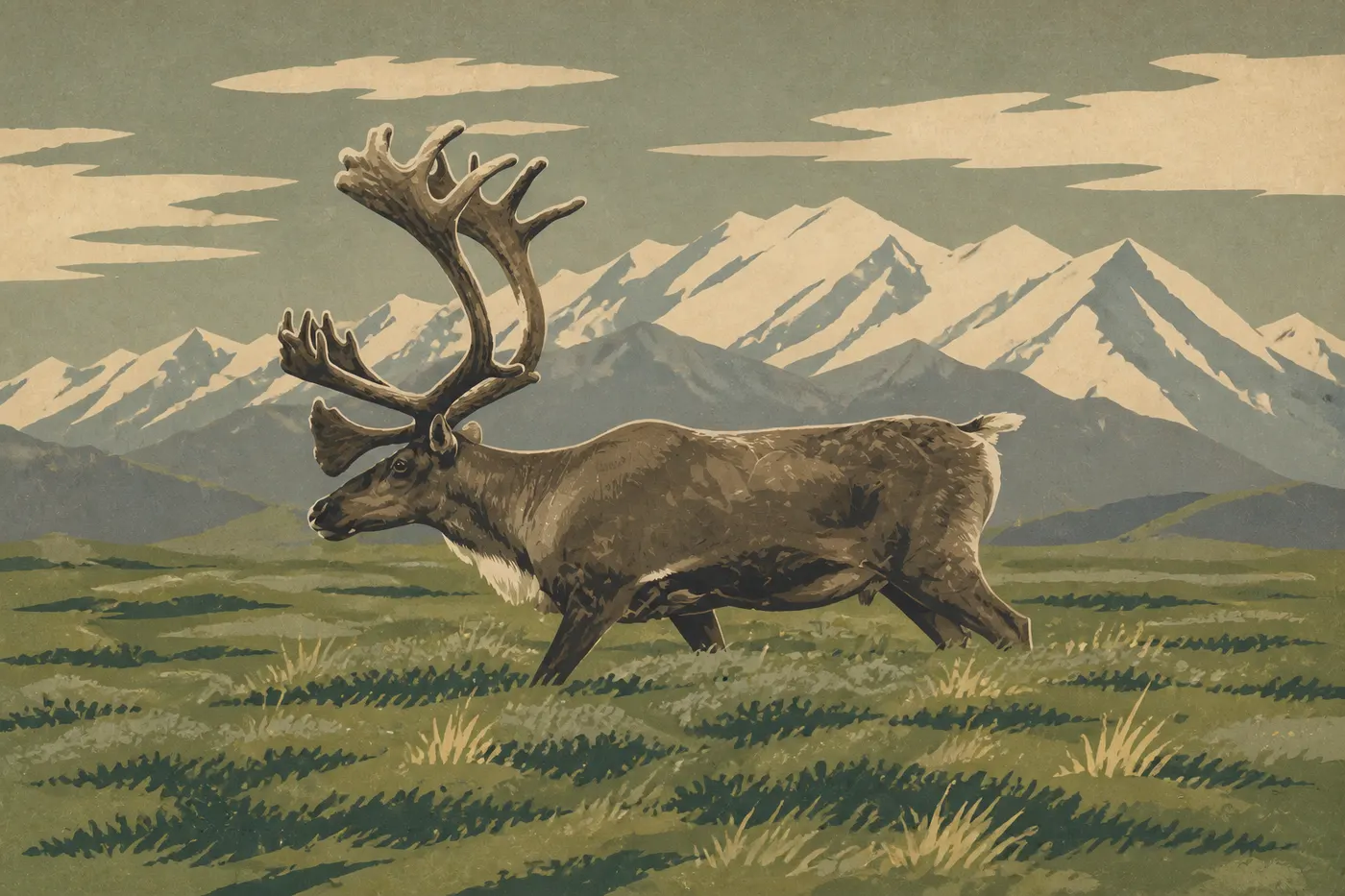
Caribou (Rangifer tarandus) are the only deer in which both males and females grow antlers. Denali’s herd numbers several thousand animals, migrating between wooded winter valleys and open summer uplands. The park road crosses several migration corridors, making caribou one of the large mammals you’re most likely to see from a bus.
In July and August, herds move to higher ground to escape clouds of insects. Females give birth on open tundra in June.
Dall Sheep
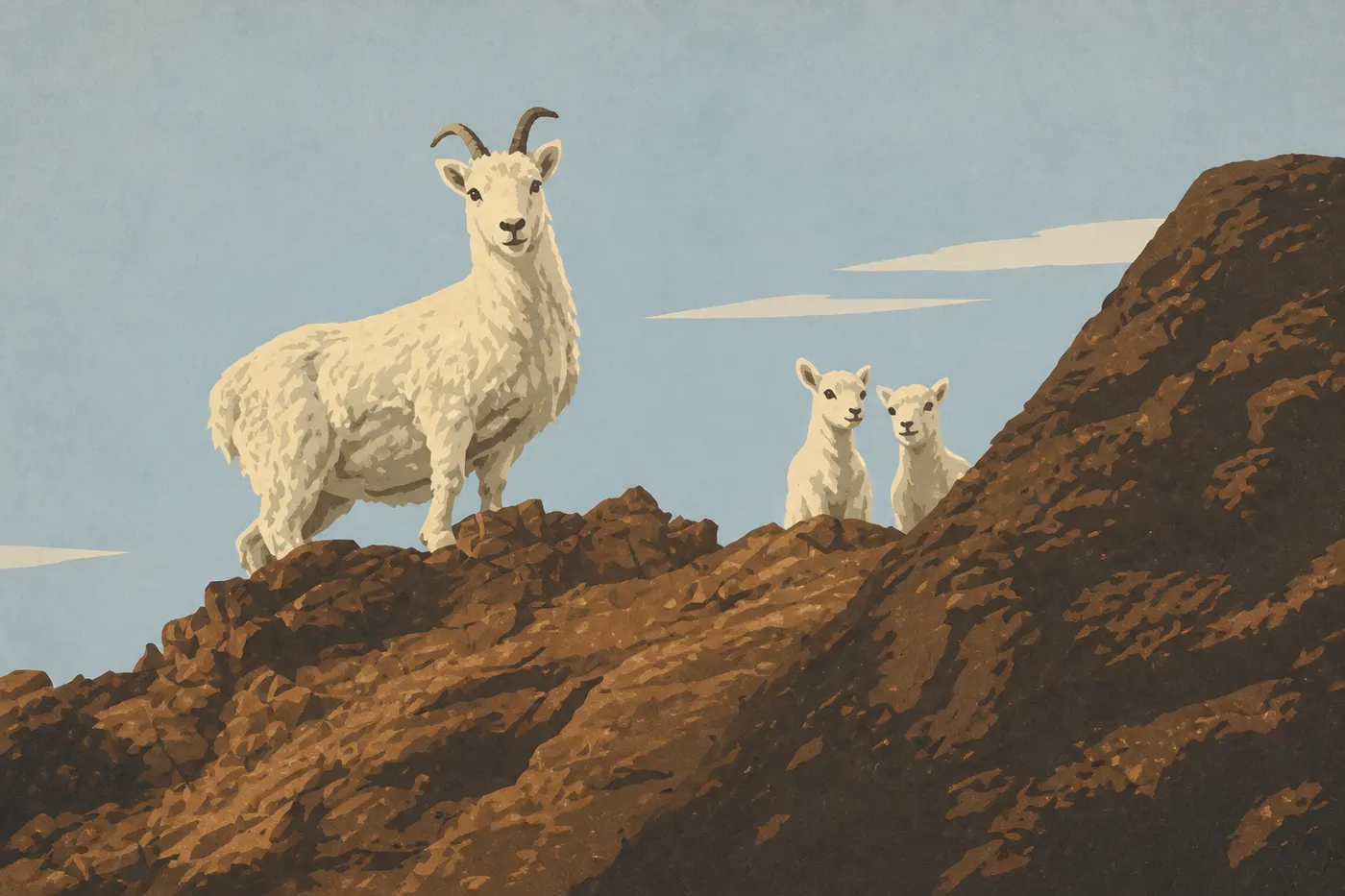
Dall sheep (Ovis dalli) are entirely white and native to Alaska and the Yukon. They’re among the first animals you may see after entering the park, perched on the cliffs of Primrose Ridge or Igloo Canyon.
Rams grow curled horns that complete a full curl at around eight years of age. Ewes and lambs stay separate from the males for most of the year. To spot them, point your binoculars toward the rocky ridgelines at dawn, when the low-angle light brings out their white silhouettes against the gray stone.
The Moose
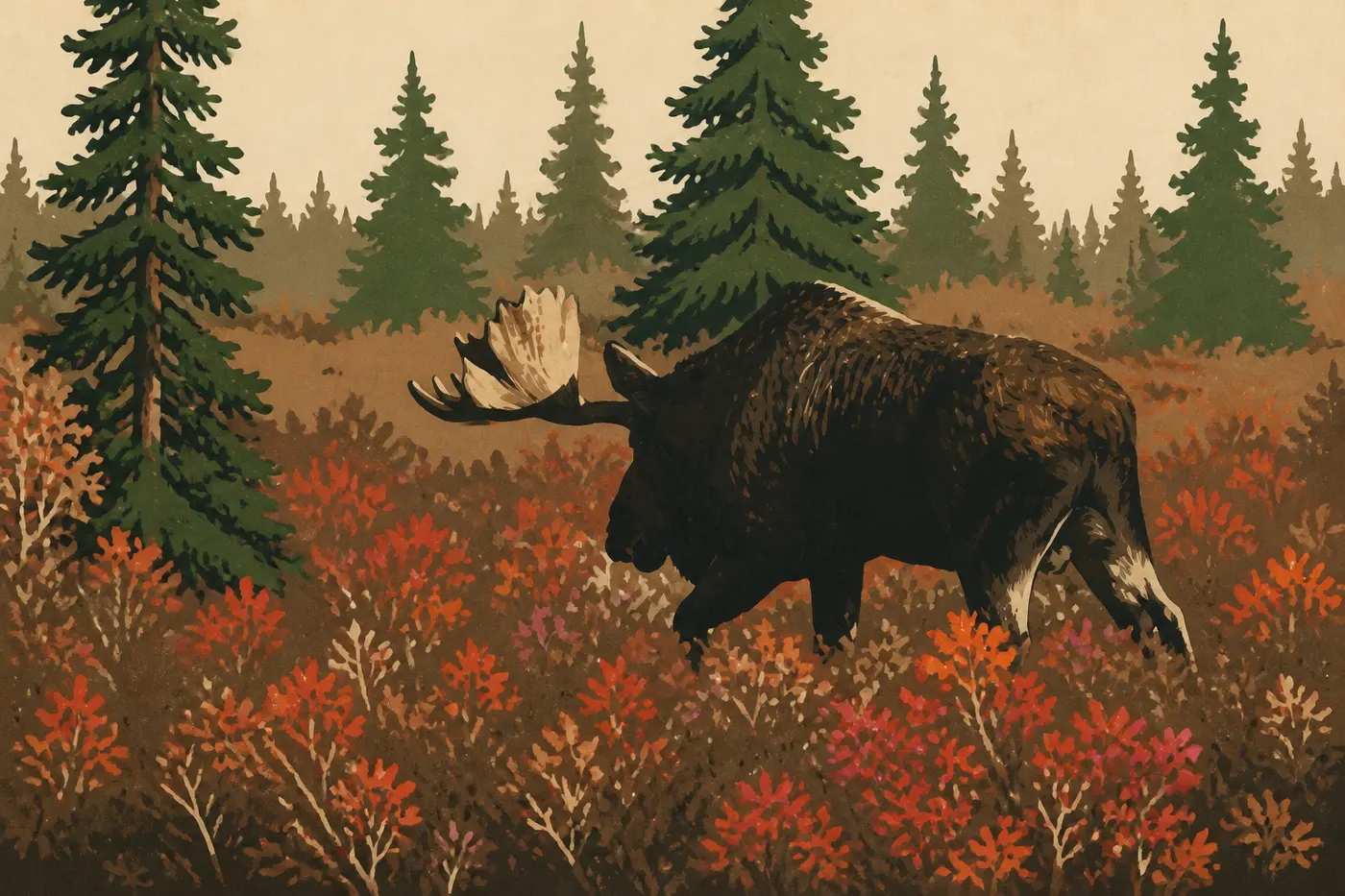
The Alaskan moose (Alces alces gigas) is the world’s largest deer. An adult bull can easily weigh more than 1,300 pounds, and its antlers can span nearly 6.5 feet. You’ll usually find moose in the wooded, marshy areas of the valley floor, around the Nenana River near the park entrance and in the wetlands around Wonder Lake.
In fall, the rut makes bulls unpredictable. Keep even farther away than usual, and put an obstacle such as a tree or rock between you and the animal if necessary.
The Gray Wolf
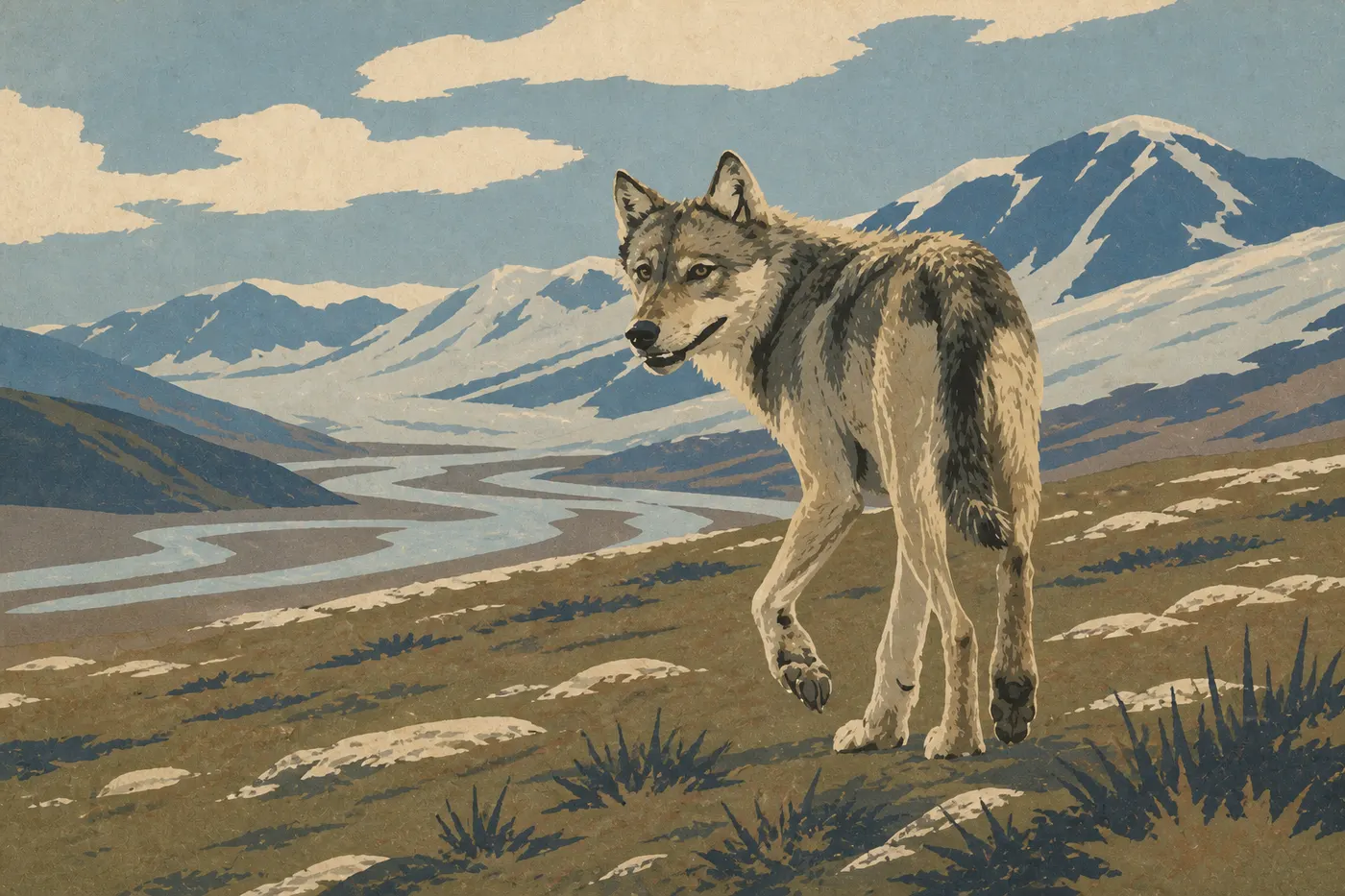
Gray wolves (Canis lupus) are the hardest animals to spot in Denali. Several packs share the park’s entire territory. Finding them takes patience. Settle in early on an open overlook, preferably between Toklat River and Eielson. When we visited in July, we waited two hours on a ridge before seeing three wolves run across the plain. It was well worth the wait.
Telling a Grizzly Bear from a Black Bear
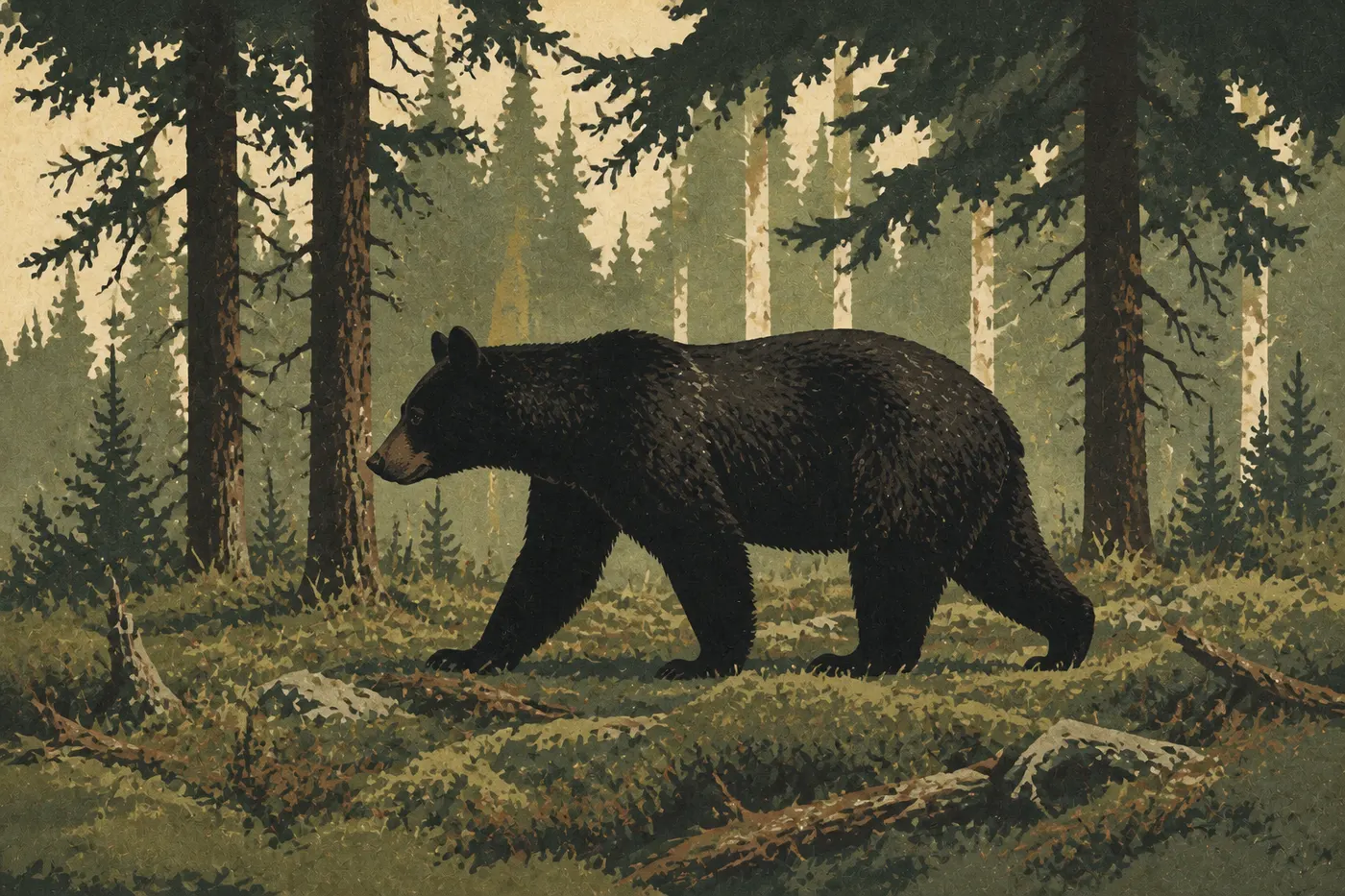
Black bears (Ursus americanus) live in Denali, but they’re much less common than grizzlies. Even at a distance, three reliable features can help you tell them apart. Grizzlies have a distinct shoulder hump, a concave facial profile, and long, light-colored front claws. Black bears have a flat back, a long muzzle, and short, dark claws. Coat color isn’t a reliable clue because some black bears are brown.
Where to See Wildlife in Denali
The Denali Park Road, about 92 miles long, is the backbone of wildlife viewing. Private vehicles are allowed only on the first 15 miles, as far as Savage River. Beyond that point, only official buses operate, keeping human traffic low and the animals relatively unafraid.
The most productive areas, from one section to the next:
- Entrance, Savage River (miles 0-15). Moose on the valley floor and Dall sheep on Primrose Ridge. This is the only section accessible by private vehicle.
- Igloo Canyon, Sable Pass (miles 31-47). A rich wildlife corridor with grizzlies, Dall sheep, and occasional wolves. The Sable Pass area closes every spring to protect bears emerging from hibernation.
- Toklat River (around mile 47). A regular crossing area for wolves, with a rest area and water source.
- Eielson Visitor Center (mile 66). Open views of the tundra and mountains, with grizzlies and caribou often within binocular range.
- Wonder Lake (mile 89). Moose in the wetlands, with an exceptional setting when the clouds clear.
To travel beyond Savage River, reserve your bus well in advance. Seats fill up quickly as soon as reservations open. Check our complete Denali guide for the details and our guide to getting around the park for route information. Some trails beyond the bus route also offer quiet viewing spots. The Denali hiking guide lists the trails best suited to wildlife watching.
When to Watch Wildlife: Seasons and Best Times
In summer (June through August), the days have up to 20 hours of daylight. Wildlife stays active almost around the clock, but the first and last hours of light are still the most productive. Animals move more, and the low-angle light makes them easier to pick out.
August is the best month for grizzlies, thanks to the blueberries, and for caribou, which gather at higher elevations before their fall migration.
In September, the moose rut and caribou migration create spectacular wildlife encounters. The park gradually empties out, but safety distances become even more important when bulls are in the rut.
Winter, from mid-September through May, closes the Denali Park Road. Lynx, ermine, and arctic foxes are easier to see against the snow, but access remains difficult and is best left to experienced skiers and snowshoers.
For season-by-season details and weather conditions, see our guide to the best times to visit Denali.
Denali’s Predators and Large Animals
The park’s three main predators are the grizzly bear, gray wolf, and Canada lynx (Lynx canadensis). Wolverines (Gulo gulo) are also present but rarely seen.
The moose is Denali’s largest land mammal, with adult bulls often weighing more than 1,300 pounds. Adult grizzlies commonly weigh 440 to 660 pounds. Wolves weigh between 77 and 121 pounds.
Among the raptors, golden eagles (Aquila chrysaetos) hunt arctic ground squirrels across the open tundra, peregrine falcons nest on rocky cliffs, and snowy owls (Bubo scandiacus) appear in fall.
The arctic ground squirrel (Urocitellus parryii) deserves a special mention. It’s everywhere, it’s noisy, and it’s the basic prey of nearly every predator in the park. Spotting its burrows on a riverbank can help you anticipate grizzlies or foxes in the area.
Staying Safe Around Wildlife
The NPS enforces regulated safety distances in Denali. Here’s what they are:
- Bears and wolves: at least 300 feet. If the animal changes its behavior and looks at you, you’re already too close.
- Moose and caribou: at least 100 feet. A bull in the rut or a cow with a calf may charge without warning.
Essential field rules:
- Never feed an animal, no matter the species. An arctic ground squirrel that gets used to being fed loses its wariness and becomes easy prey.
- Store all food and scented items in approved bear canisters when hiking away from the bus route.
- If you encounter a grizzly, speak calmly, don’t run, and make yourself look larger. In the very rare event of a contact charge, fight back.
- If you encounter a moose, put a tree between you and the animal and back away slowly without running.
The park buses provide a much safer way to watch wildlife than hiking alone. The driver stops as soon as a species is spotted, and the animals are used to official vehicles. For recommended gear, including bear spray and official distances, and for advice on what to do during an encounter, ask a ranger at the park entrance.
In Short: Animals You Shouldn’t Miss and Where to Find Them
| Species | Recommended area | Best time |
|---|---|---|
| Grizzly bear | Sable Pass, Eielson slopes | August |
| Caribou | Toklat, Eielson | June through September |
| Dall sheep | Primrose Ridge, Igloo Canyon | June through August |
| Moose | Park entrance, Wonder Lake | Spring and fall |
| Gray wolf | Toklat, Eielson plains | Dawn, early morning |
| Golden eagle | Open tundra | Summer |
Bring at least 10×42 binoculars. In Denali, your unaided eye spots the animal, and your binoculars identify it.
Frequently Asked Questions
What are Denali’s five iconic animals?
Denali’s five iconic animals are the grizzly bear, caribou, Dall sheep, moose, and gray wolf. Local guides sometimes refer to this group as the Alaskan Big Five.
What animals live in Denali National Park?
Denali National Park is home to 39 mammal species, including grizzlies, moose, caribou, gray wolves, lynx, wolverines, red foxes, beavers, arctic ground squirrels, and many others. More than 169 bird species have been recorded here, including golden eagles and snowy owls.
What’s the most common animal in Denali?
The arctic ground squirrel is Denali’s most common animal, and you’ll find it throughout the tundra. Among the large mammals, caribou and grizzly bears are the species most often reported from park buses.
What’s the largest animal in Denali?
Denali’s largest land animal is the Alaskan moose. Adult bulls often weigh more than 1,300 pounds, and their antlers can span nearly 6.5 feet.
What are Denali’s predators?
Denali’s predators include the grizzly bear, gray wolf, Canada lynx, and wolverine. Golden eagles and peregrine falcons round out the park’s raptors.
Which animals are active at night in Denali?
The animals mainly active at night in Denali are lynx, wolverines, and arctic foxes. In summer, Alaska’s nearly nonexistent nights blur the line between day and night. Dawn and dusk, which coincide with the middle of the night here in June, remain the most active times for most species. Our guide to the best times to visit Denali covers seasonal activity patterns in full.