
What to Do in Denali: Top Sights and Activities
Denali can be disorienting at first glance. There's one road, no loop, a summit hidden in the clouds two-thirds of the time, and distances that can feel overwhelming. Yet that very austerity makes it one of the most memorable parks in the national park system. Here are the three highlights to keep in mind: take a bus on Denali Park Road to Eielson Visitor Center for the best view of the summit, watch for wildlife along the way, including grizzlies, caribou, wolves, and Dall sheep, and visit Wonder Lake if you can devote a full day to it.
Denali at a Glance: Areas and Getting Around
One road enters the park: the Denali Park Road, which runs for 92 miles. Private vehicles can drive only as far as Mile 15, in the Savage River area. Beyond that point, only official park buses, cyclists, and hikers can continue. This rule is essential to understanding how to plan your visit.
The park breaks down into three main areas along this road:
- Entrance area (Mile 0 to 15): access by car, Visitor Center, Horseshoe Lake, and Savage River.
- Central area (Mile 15 to 53): bus access only, Teklanika River, Polychrome Overlook, and Toklat River.
- Backcountry area (Mile 53 to 92): Eielson Visitor Center, Wonder Lake, and Kantishna.
For everything you need to plan your visit, including the Alaska Railroad, shuttles, and car rentals, see the guide to getting to Denali.
How Long Do You Need to Visit Denali?
Two days is a reasonable minimum. Spend one day taking the bus to Eielson Visitor Center, an approximately eight-hour round trip, and another exploring the trails and wildlife in the entrance area. With three to four days, you can reach Wonder Lake and camp in the backcountry with a backcountry permit. The Denali itineraries offer options for two, three, or five days.
Denali's Highlights, Area by Area
Entrance Area: Horseshoe Lake and Savage River (Mile 0 to 15)
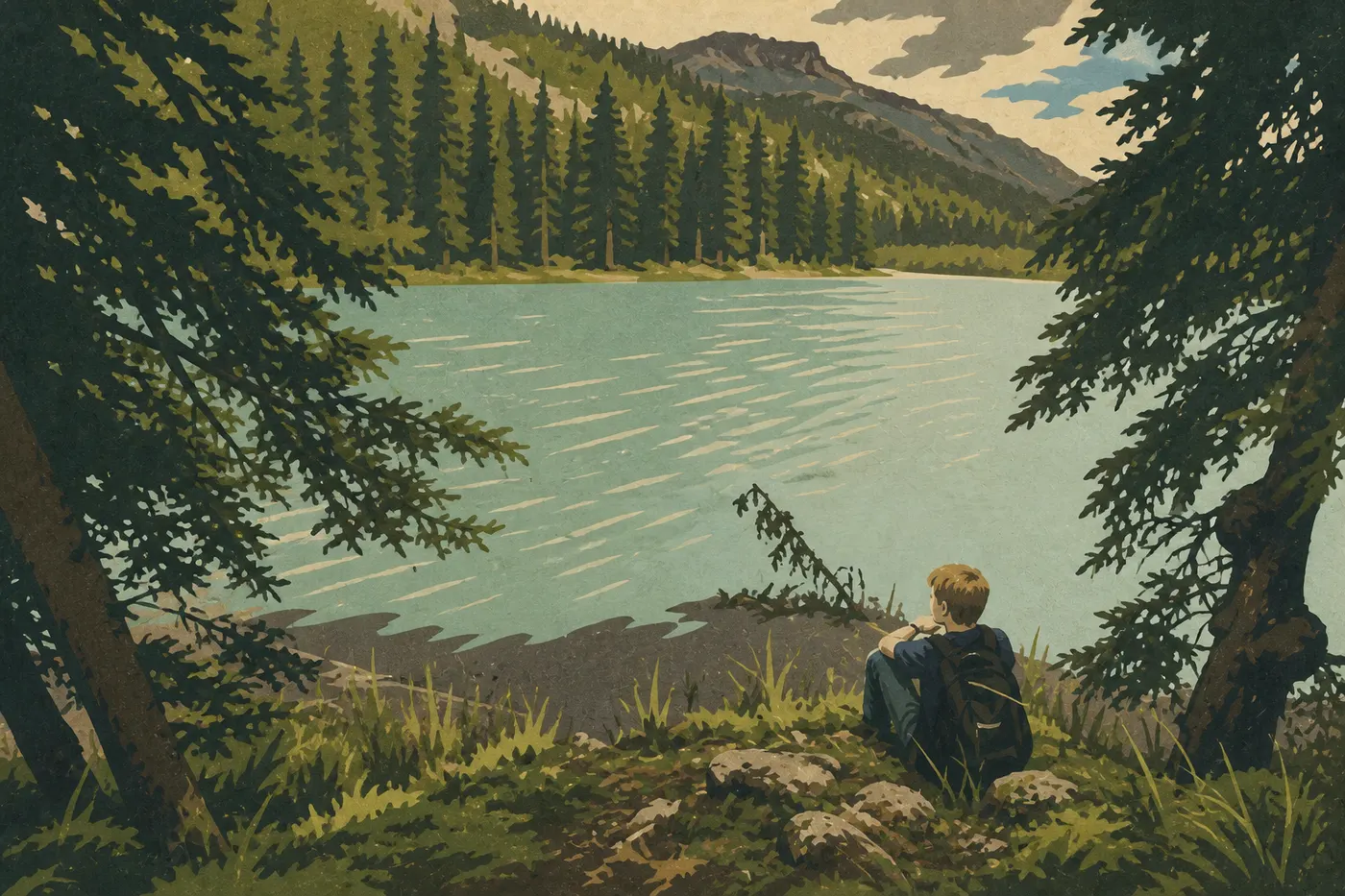
The entrance area is the only part of the park you can reach by car. It's a good introduction to Denali before you board a bus.
Denali Visitor Center (Mile 1.5) is the logical starting point for any visit. It has a permanent exhibit on the park's ecology, an 18-minute film, and rangers who can help you sort out bus reservations. Start here.
Horseshoe Lake is a horseshoe-shaped lake less than 1.2 miles from the Visitor Center. The walking loop takes about an hour. Beavers are often visible, and the evening light is especially beautiful in summer, when the sun stays high late into the night.
Savage River marks the 15-mile limit for private vehicles. Stop here for a short hike through a narrow canyon and your first look at the alpine tundra. Dall sheep are often visible on the slopes above the river.
Central Area: Teklanika, Polychrome, and Toklat (Mile 15 to 53)
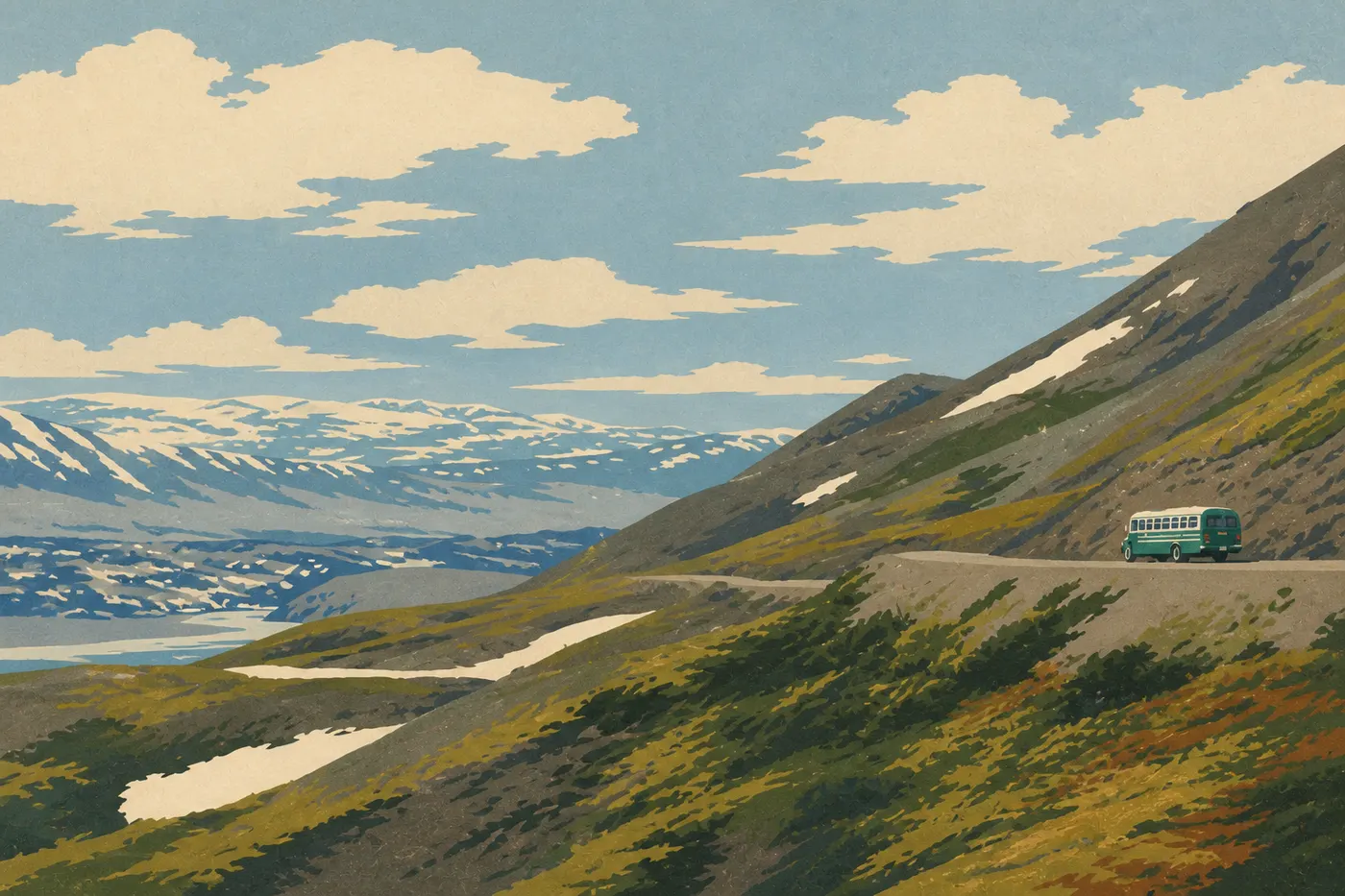
At Mile 15, you leave your car in the parking lot and board a green park bus. The landscape changes completely. Vegetation gets lower, the tundra stretches to the horizon, and drivers stop whenever wildlife appears.
Teklanika River (around Mile 29) is a key stop for understanding Alaska. Braided rivers, with multiple channels that divide and rejoin across a wide gravel bed, are a signature of the Far North. Grizzlies often follow these banks in summer.
Polychrome Overlook (around Mile 45) offers one of the most striking views along the road. The ridges of Polychrome Mountain are made of oxidized volcanic rock in shades of ocher, burgundy, and gray-green. On a clear day, Denali's summit appears on the horizon. Plan to spend 20 to 30 minutes here.
Toklat River (Mile 53) is the last stop with restrooms and a ranger station before the backcountry. It's known for grizzly sightings and, if you're lucky, gray wolves.
Eielson Visitor Center: the Best View of the Summit (Mile 66)
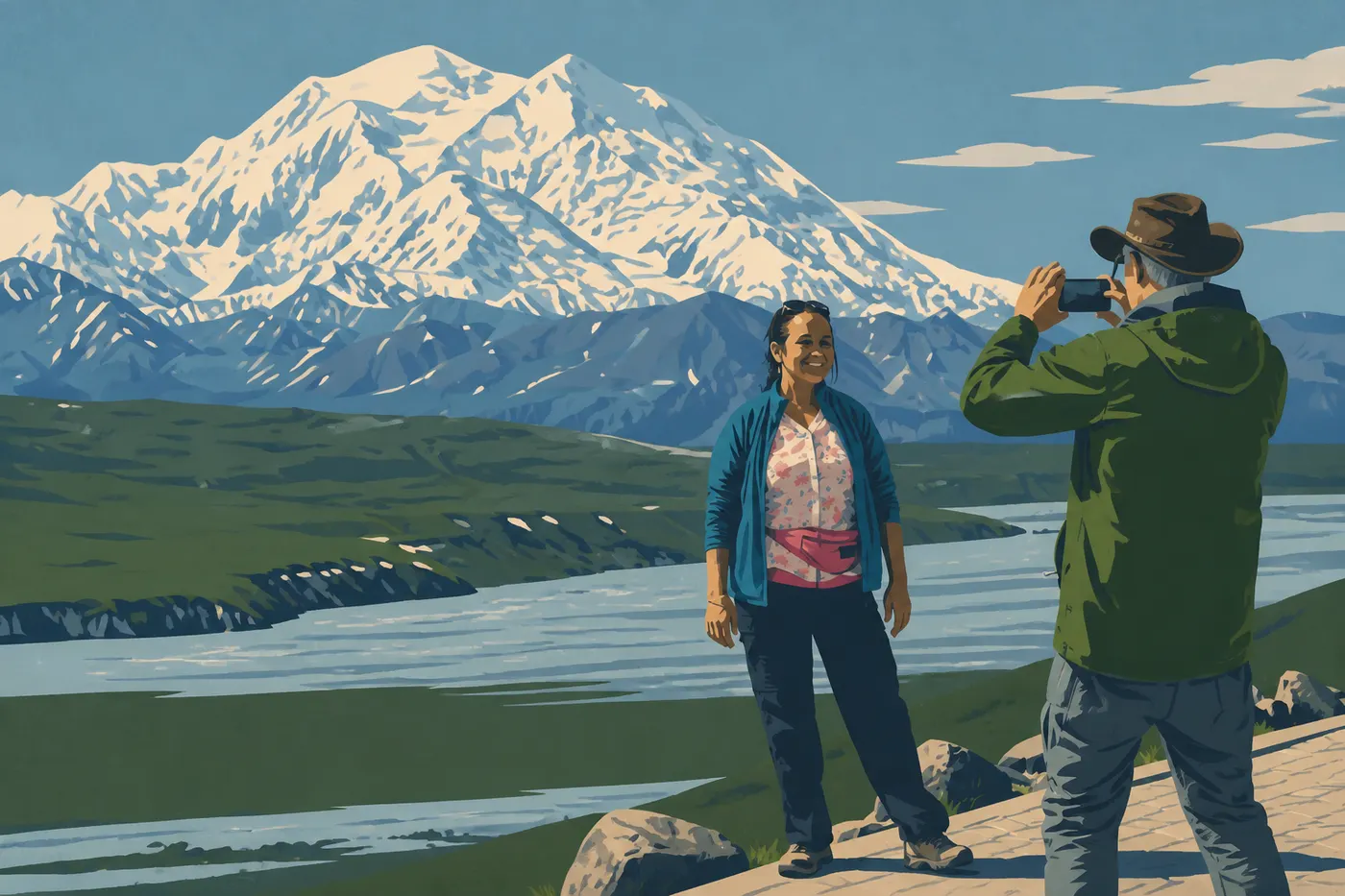
The Eielson Visitor Center is where most bus visitors go, and for good reason. On a clear day, which happens about one-third of the time in summer, the view from the terrace toward Denali's 20,308-foot summit is staggering. The elevation gain from the surrounding plain to the summit exceeds 18,000 feet, one of the greatest base-to-summit rises on Earth.
When we visited one July morning, the summit was clear as soon as the first bus arrived. We spent an hour on the terrace without seeing a single person look at their phone, which says a lot.
Even without the summit, the surrounding landscape makes the trip worthwhile. Look for caribou on the tundra, Arctic ground squirrels, martens, and a wall of snowcapped mountains closing in the horizon in every direction. Several cross-country routes start at Eielson. See the hiking section below.
Wonder Lake: Denali's Classic Reflection (Mile 85)
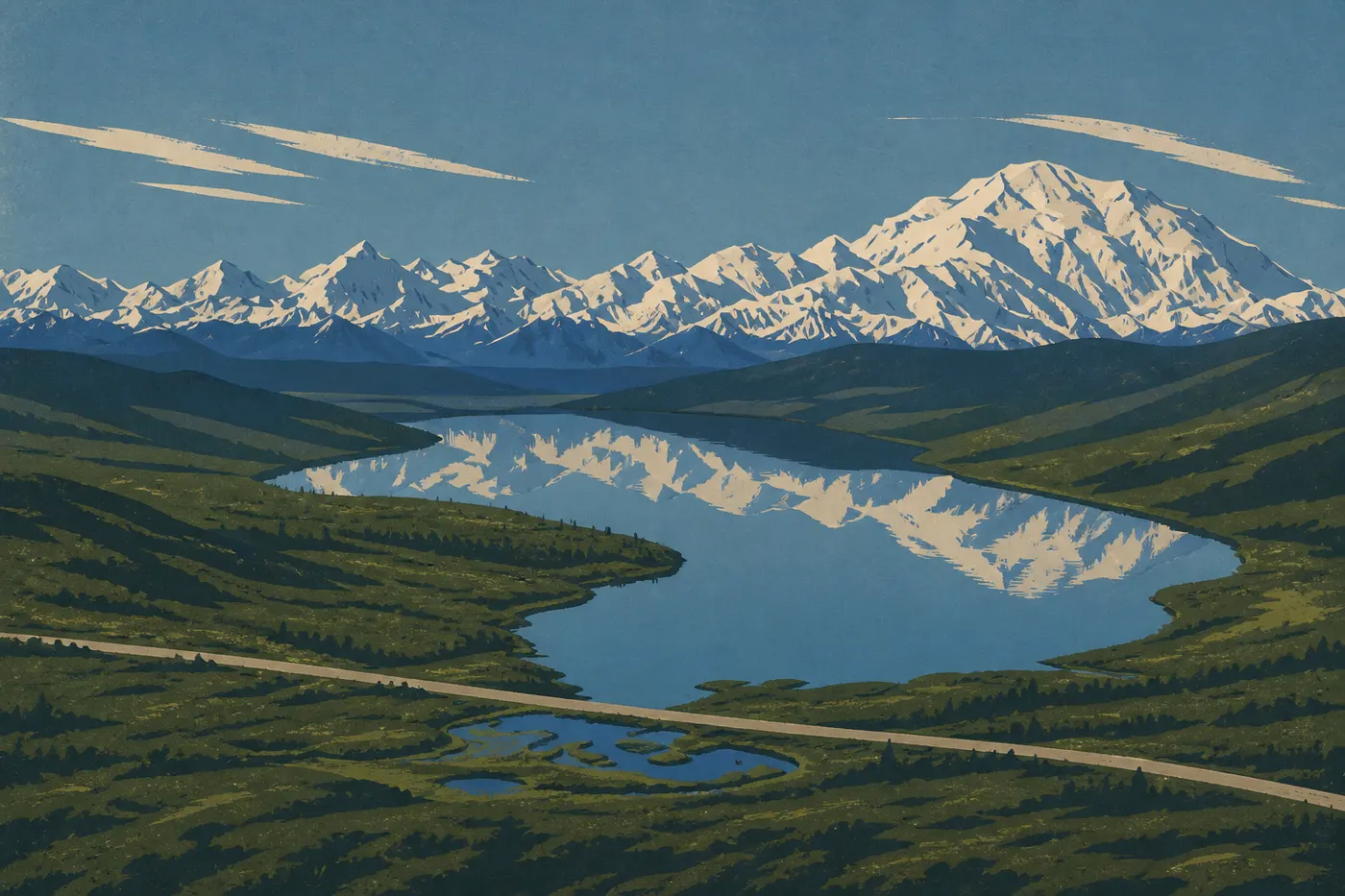
Wonder Lake is the park's iconic photo spot. On a clear day, the lake's surface reflects Denali's summit with remarkable clarity, surrounded by tundra and spruce trees. It's the image printed on the park's guides and posters, and seeing the real thing makes it clear why.
Wonder Lake takes commitment. The bus from the Visitor Center takes five to six hours each way, so the trip occupies a full day. Wonder Lake Campground requires a reservation and lets you spend the night, so you can photograph the mountain in the two best kinds of light: dawn and dusk in summer, when nights are very short.
One practical point matters: mosquitoes are especially aggressive here from June through mid-August. Bring a high-DEET repellent and a head net if you plan to spend much time outside the bus.
The Best Hikes in Denali
Denali is unusual among America's national parks. It has almost none of the marked trails you'd find elsewhere. Most hikes are cross-country, across tundra or valley floors, with a free backcountry permit picked up at the Backcountry Information Center.
The few official marked trails are concentrated in the entrance area:
- Mt Healy Overlook Trail: 3.4 miles, 1,600 feet of elevation gain, with panoramic views of the valley and park entrance. The most rewarding hike in the entrance area.
- Savage River Loop: 3.1 miles, nearly flat, and ideal for watching wildlife from the riverbanks.
- Horseshoe Lake Trail: 1.5 miles, easy, and suitable for all ability levels.
Beyond Mile 15, hikers get off the bus at the stop of their choice and travel freely across the tundra. You'll navigate with a map and compass because there are no trails. The Denali hiking guide covers recommended areas by ability level, advice for traveling across tundra, and backcountry permit rules.
Other Activities for Every Kind of Traveler
Wildlife Watching
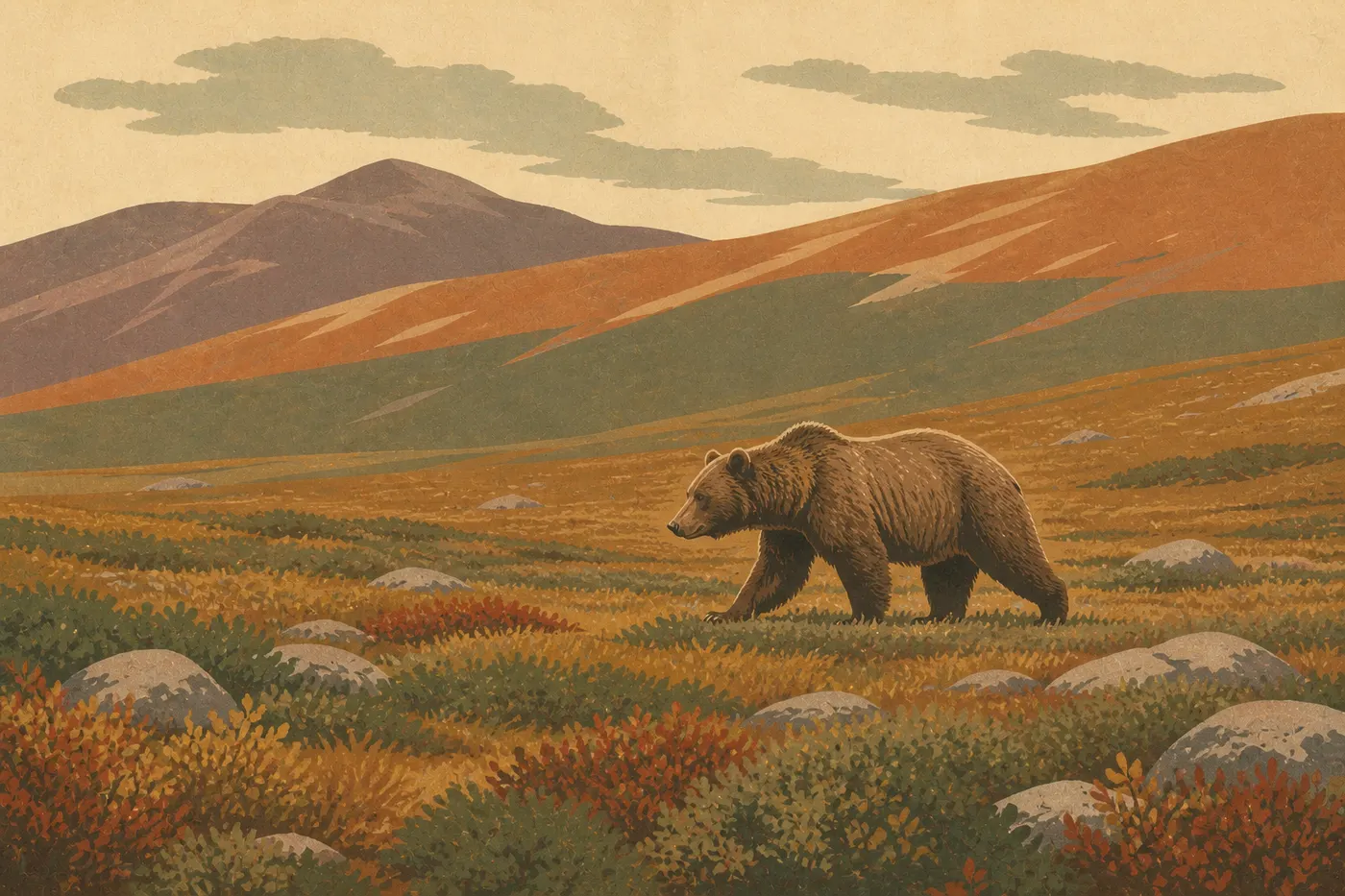
Denali is one of the few places where you can see Alaska's five iconic large mammals in a single day on the bus: grizzly, caribou, moose, gray wolf, and Dall sheep. Bus drivers are trained to spot wildlife and stop whenever someone reports a sighting. July and August are the best months, with the longest days and fullest vegetation. Bring a spotting scope or telephoto lens. Viewing distances often exceed 330 to 660 feet. The Denali wildlife guide lists the species found here and the best areas in each section.
Scenic Flights (Flightseeing)
From Talkeetna, two hours south, or Healy Airport, a few minutes from the park entrance, operators offer flights in small planes and helicopters. The experience brings you close to the massif's glacial faces and 20,308-foot summit, which you can't reach from the ground without an expedition. Expect to pay $150 to $350 per person, depending on the duration and aircraft. This isn't the same kind of visit as a bus ride. It's a separate activity that complements it.
Biking Denali Park Road
Denali Park Road is open to cyclists for its full length. It's a serious option for anyone who wants to stop freely and set their own pace, with the possibility of bike camping for several days at campgrounds along the road. The road is gravel, the climbs are real, and distances between services can exceed 19 miles. You'll need to be self-sufficient and properly equipped.
Rafting on the Nenana River
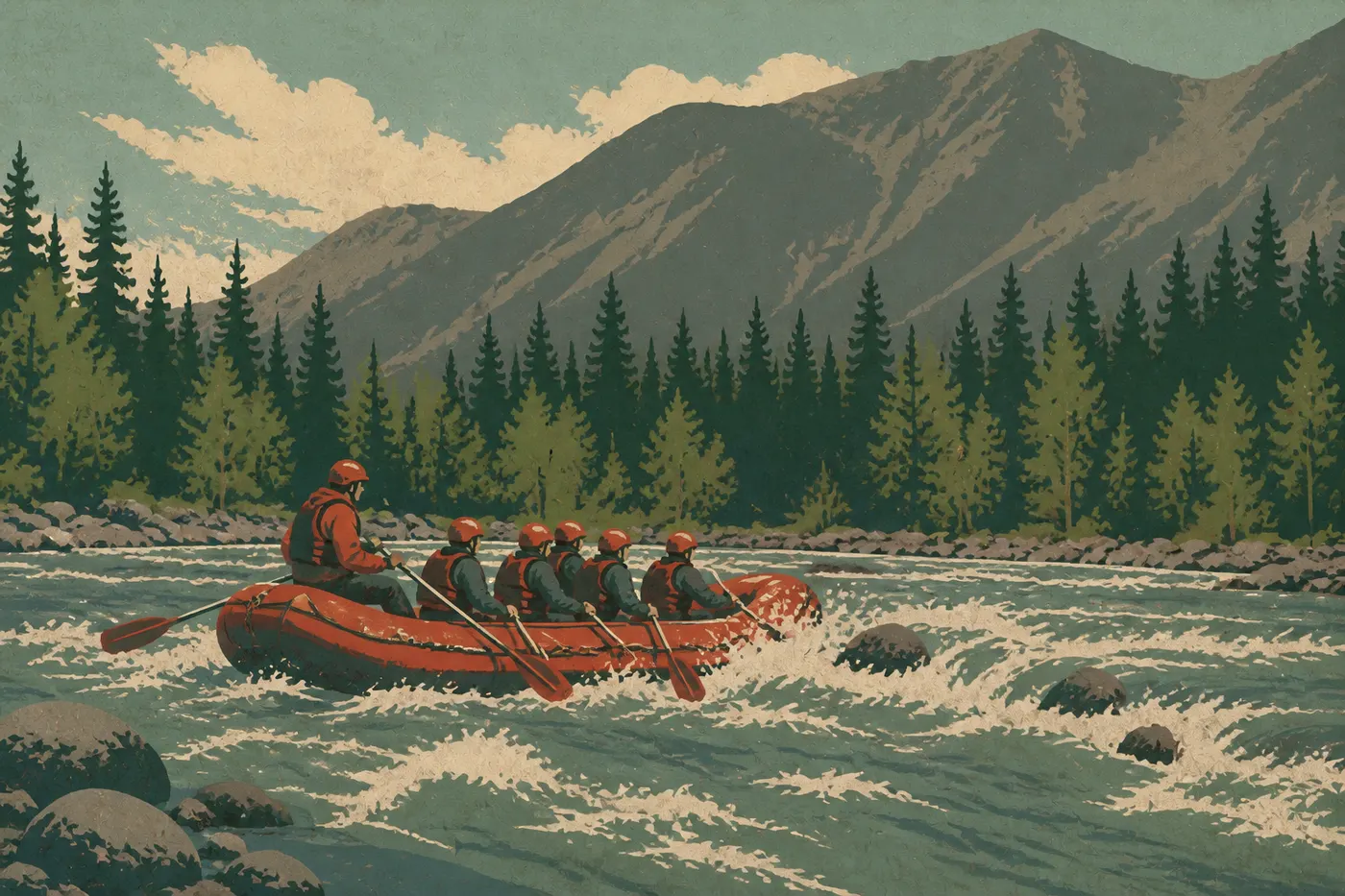
The Nenana River runs along the park's eastern edge through the entrance canyon. Operators based in Healy offer rafting trips ranging from Class II, suitable for families and beginners, to Class IV technical whitewater. It's a good way to add some adrenaline to an otherwise contemplative itinerary or round out a bus day.
Photography and the Northern Lights
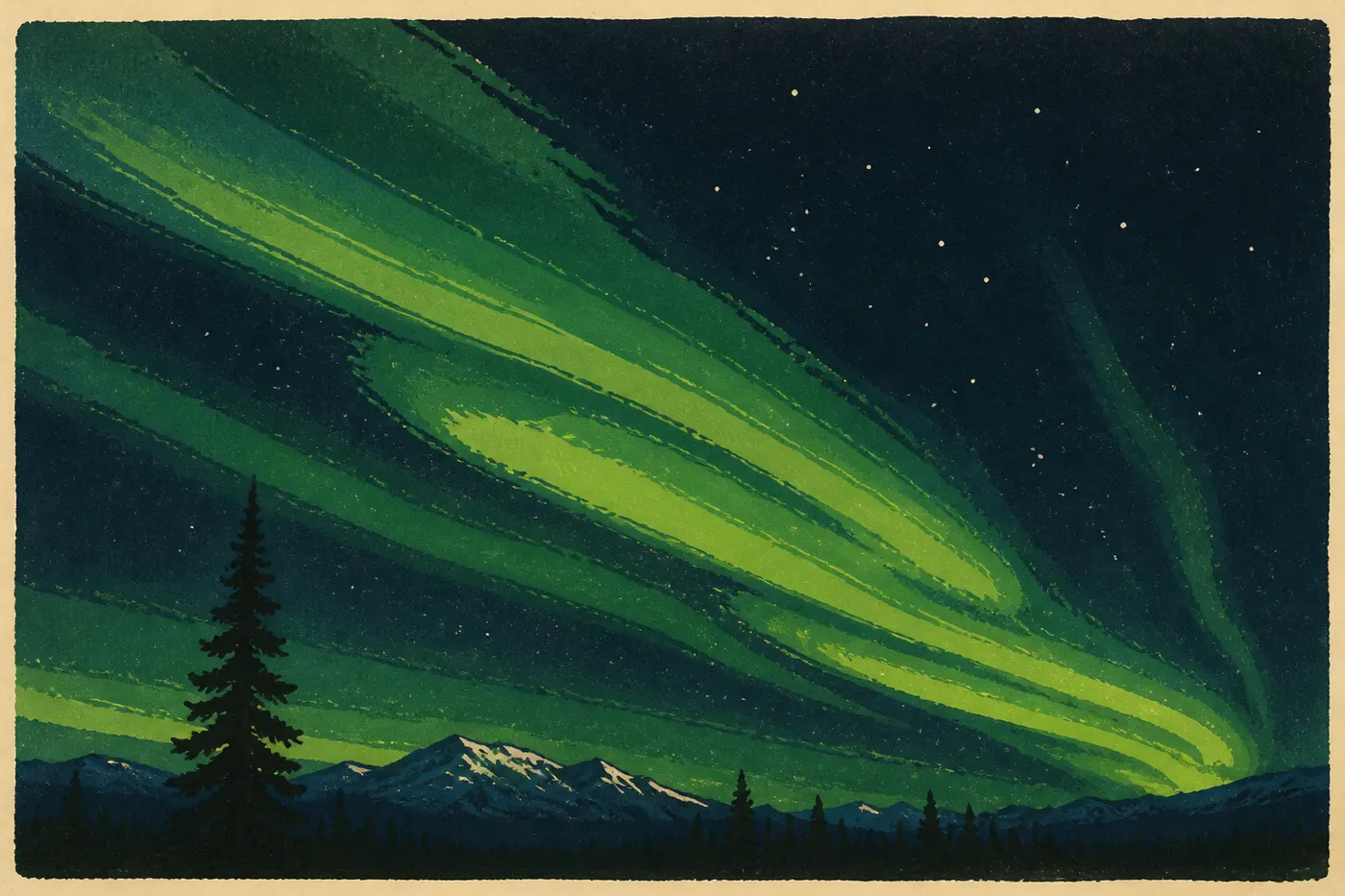
Summer in Denali brings almost continuous light. The sun sets briefly or not at all between June and mid-July. This golden light, spread across long hours at the beginning and end of the day, is ideal for landscape and wildlife photography. Starting in late August, nights become dark enough for the northern lights. Fall tundra colors, including red, gold, and orange, add an exceptional palette. The Denali weather guide and when to visit Denali guide cover the best windows for each activity.
Sled Dog Demonstrations
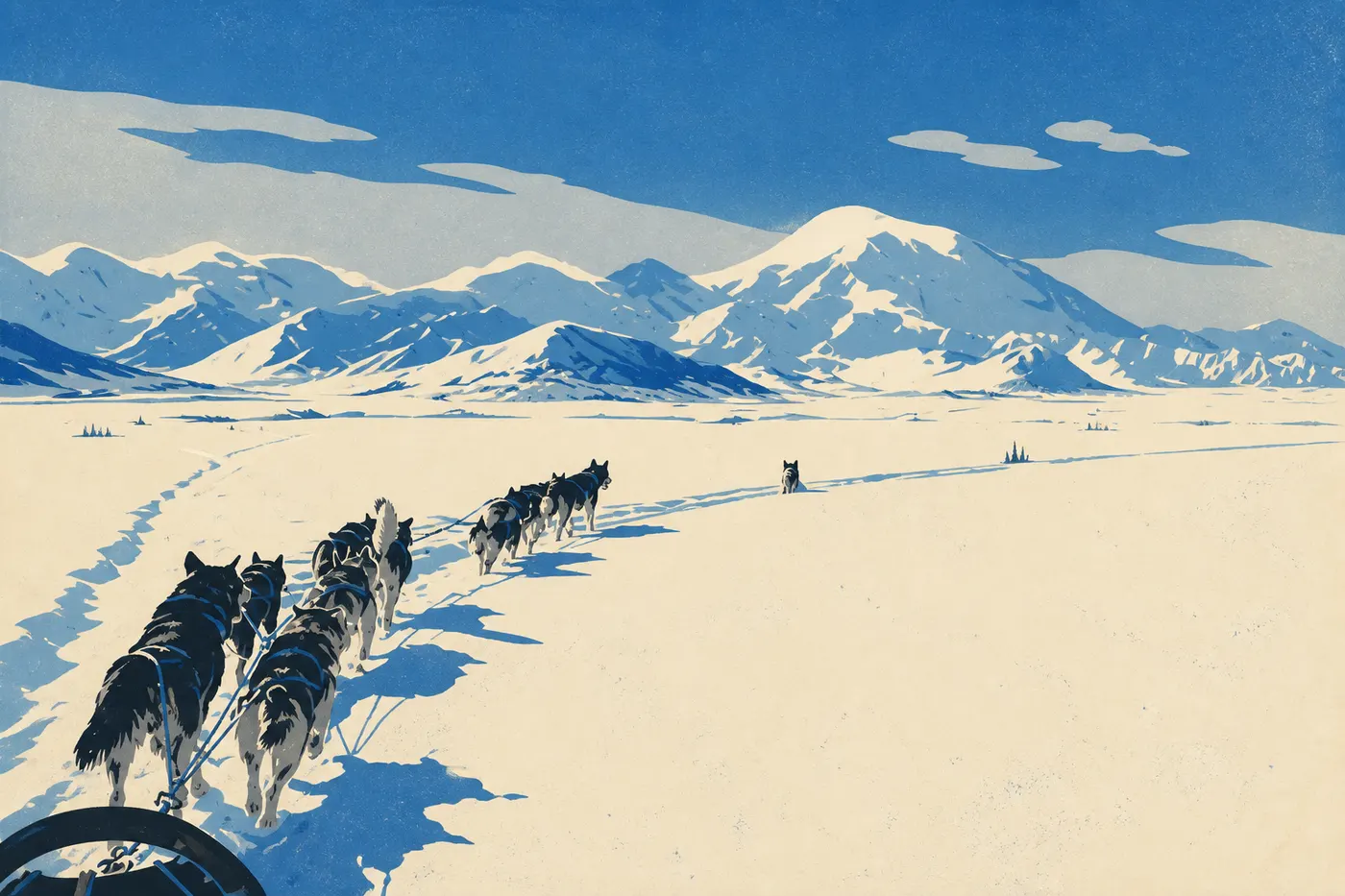
Denali is the only park in the NPS system to maintain an active sled dog team, which rangers use for winter patrols. In summer, free demonstrations take place several times a day at the Sled Dog Demonstration Kennel, accessible by shuttle from the Visitor Center. The program lasts about 30 minutes. It's an unusual, family-friendly activity that offers insight into the park's history and day-to-day operations.
Denali with Kids
The Junior Ranger program is available for kids at the Visitor Center. Park road buses are comfortable and family-friendly, with wide seats, frequent wildlife stops, and commentary from the driver. The entrance area has trails suitable for young children, especially Horseshoe Lake and the lower section of Savage River. Our Denali with kids page offers practical advice on taking the bus with toddlers and activities suited to different ages.
Things to Do Around Denali
Talkeetna, Mountaineering Base
About two hours south of the park entrance, Talkeetna is a small town of a few hundred residents with a distinctive character. Every expedition to Denali's summit starts here, and the mix of mountaineering guides, bush pilots, and passing travelers gives the town an atmosphere you won't find anywhere else in Alaska. Several operators offer scenic flights from here. The food is also surprisingly good for a town this size.
Fairbanks and Northern Alaska
Two hours north of the entrance, Fairbanks is the nearest major city. It's Alaska's northern lights capital, with a viewing season that runs from late August through March. The Morris Thompson Cultural and Visitors Center offers a solid introduction to Athabascan culture and the geography of the Far North. Travelers extending their trip can use Fairbanks as a base for Chena Hot Springs or the Dalton Highway, which leads toward the Arctic Circle.
Nenana Canyon and George Parks Highway
The drive from Anchorage to Denali on George Parks Highway takes five hours through boreal forest, tundra, and mountain terrain. Nenana Canyon, just outside the park entrance, is where you'll find most of the area's hotels and restaurants, in the Healy area. It's also home to operators offering rafting on the Nenana River. Our Alaska region guide and pages on Alaska road trips offer guidance for exploring beyond the park.
The Essentials: What to See First in Denali
If you have only one day, take the bus to Eielson Visitor Center at Mile 66. Watch for wildlife through the window during the four- to five-hour ride each way, hope for clear skies over the summit when you arrive, and let the landscape speak for itself. It's the most common way to visit, and it delivers.
With two days, add a day in the entrance area for Mt Healy Overlook Trail, the Visitor Center, and a sled dog demonstration. Consider a scenic flight from Talkeetna if your budget allows.
With three days or more, plan on visiting Wonder Lake and get a backcountry permit for an overnight stay. This is where Denali reveals what it really is: a wilderness where people remain quiet visitors in a landscape that long predates them.
Is Denali accessible to everyone? Yes, as long as you accept its bus-based system and don't underestimate the distances. This isn't a park you can cover in a few hours by car. It asks you to stop, wait, and look.
Frequently Asked Questions
What are the must-see places in Denali?
The must-see places in Denali are Eielson Visitor Center at Mile 66, with the best view of the 20,308-foot summit; Wonder Lake at Mile 85, the classic mountain reflection; Polychrome Overlook, with its elevated view of the central valley; and the entrance area, with Horseshoe Lake and Savage River's marked trails.
What is there to see between Talkeetna and Denali?
Between Talkeetna and Denali, George Parks Highway passes through about two hours of boreal forest and mountain terrain. Talkeetna itself deserves a stop for its unique atmosphere and scenic flight operators offering views of the massif. Some visitors also stop at Denali State Park, which is less crowded than the national park and offers clear views of the summit in good weather.
How many days do you need to visit Denali?
Two days is a reasonable minimum for visiting Denali. Spend one day taking the bus to Eielson Visitor Center, an approximately eight-hour round trip, and another hiking and watching wildlife in the entrance area. Three to four days let you reach Wonder Lake and backpack in the backcountry. Our Itinerary and Length of Stay page offers plans based on the time you have.
What are the essential things to do in Denali?
The essential things to do in Denali are taking a park road bus to the Eielson area or Wonder Lake, watching wildlife through the bus window, including grizzlies, caribou, wolves, and Dall sheep, doing at least one hike in the entrance area, and taking a scenic flight from Talkeetna if your budget allows.
Which hike should you do in Denali?
All of Denali's marked-trail hikes are in the entrance area: Mt Healy Overlook Trail, 3.4 miles with 1,600 feet of elevation gain and panoramic views; Savage River Loop, 3.1 miles and easy; and Horseshoe Lake, 1.5 miles and family-friendly. Beyond Mile 15, hikes are cross-country across the tundra with a free backcountry permit. Our Hiking page explains the recommended areas and required ability levels.
Is Denali worth the trip?
Denali is worth the trip for travelers looking for a less-visited park with abundant wildlife and a breathtaking summit. It's a demanding park, with bus logistics, unpredictable weather, and long distances, but nothing else in the American system matches the intensity of its wilderness or the quality of the experience.