
When to Visit Congaree: October and November Are Best
The best time to visit Congaree is October and November, when temperatures range from 54 to 75°F, mosquitoes are almost nonexistent, and bald cypress trees turn russet and orange.
In short: Fall, from October through November, is our top recommendation for visiting Congaree. Mild temperatures (59-75°F), almost no mosquitoes, colorful woods, and dry trails make for ideal conditions. Spring (March-April) is a good second choice, before the insects return. And if you're looking for a one-of-a-kind spectacle, a short window in late May and early June offers a chance to see synchronous fireflies, a rare phenomenon found in very few parks worldwide.
Congaree's Climate Month by Month
Congaree lies in South Carolina's humid subtropical zone. In practical terms, that means hot, muggy summers, mild winters (severe freezes are rare), and rain spread throughout the year. The park is a floodplain forest. Rain doesn't just stay in the clouds; it regularly ends up on the trails, sometimes well above your ankles.
| Month | High | Low | Precip. | What to Expect |
|---|---|---|---|---|
| January | 52°F | 34°F | ~3.7 in | Cold at night, quiet |
| February | 57°F | 37°F | ~3.7 in | Mild, wildlife visible |
| March | 66°F | 45°F | ~4.5 in | Greenery, flooding possible |
| April | 75°F | 54°F | ~3.5 in | Pleasant, mosquitoes return |
| May | 82°F | 63°F | ~3.9 in | Fireflies ✦, rising humidity |
| June | 90°F | 70°F | ~5.1 in | Hot, mosquitoes ++ |
| July | 95°F | 73°F | ~5.7 in | Peak heat and rain |
| August | 93°F | 73°F | ~4.7 in | Persistent heat |
| September | 86°F | 64°F | ~4.1 in | Gradual cooling |
| October | 75°F | 52°F | ~3.5 in | Ideal ✦✦ |
| November | 63°F | 41°F | ~3.3 in | Excellent ✦✦ |
| December | 54°F | 36°F | ~3.7 in | Quiet, cold at night |
For 14-day forecasts and a complete month-by-month breakdown, including sunshine, wind, and UV index, see the Congaree weather guide.
Congaree in January
Cool temperatures (34-52°F) bring nights that can approach freezing, but the days are pleasant for hiking. The canopy is completely bare, revealing the giant bald cypress trunks in soft winter light. The park remains open as usual, with no seasonal service restrictions. This is the quietest month of the year. On some weekday mornings, you'll have the Boardwalk Loop almost entirely to yourself.
Congaree in February
Temperatures rise slightly (37-57°F), days grow longer, and the first signs of spring appear in the understory. Mosquitoes are still absent, making this one of the best windows for enjoying the trails without special gear. Wildlife remains easy to spot, especially white-tailed deer and wintering birds. Crowds are very light.
Congaree in March
The park greens up quickly, amphibians resume their nighttime chorus, and the floodplain forest returns to shades of green. Daytime temperatures (45-66°F) are ideal for walking. Spring flooding can raise Cedar Creek's water level, so check conditions before launching a canoe. Mosquitoes remain scarce but start appearing after rain.
Congaree in April
April is one of the best spring windows, with daytime temperatures from 54 to 75°F and often-clear skies. The forest is bursting with activity, and aquatic wildlife is active on Cedar Creek. Mosquitoes return, especially after rain, so repellent is still recommended. Crowds are moderate, making this a comfortable option.
Congaree in May
Humidity rises, and mosquitoes become relentless after rain (63-82°F). Late May does offer an exceptional window, however: synchronous fireflies (Photinus carolinus) light up the forest for about two weeks, with shuttles run by the NPS. Reserve your access on Recreation.gov as soon as spots open, several weeks ahead, because time slots sell out within hours.
Congaree in June
June begins the most demanding season: temperatures range from 70 to 90°F, humidity is high, mosquitoes are at their most active, and severe thunderstorms roll through in midafternoon. The forest is still spectacular at dawn, but heading out after 10 a.m. calls for serious preparation, including water, repellent, and protective clothing. Some trails may close after heavy rain.
Congaree in July
Peak heat (73-95°F) and rainfall (about 5.7 inches) make July the most demanding month of the year at Congaree. Afternoon thunderstorms turn the trails muddy, and summer flooding can temporarily close access to the riverbanks. Head out before 8 a.m., bring at least 2 liters of water per person, and protect yourself from mosquitoes.
Congaree in August
Temperatures are similar to July (73-93°F), with a slight drop in rainfall toward the end of the month. The floodplain forest still feels like a sauna. Plan outings for the morning and drink more water than usual. Water levels can change quickly depending on thunderstorms.
Congaree in September
The heat begins to ease (64-86°F), but the risk of tropical storms remains through mid-October. Check weather advisories before setting out. Mosquitoes gradually thin out. It's a transitional month: pleasant days are possible between rainy spells, but conditions remain unpredictable.
Congaree in October
October is one of the park's two best months. Temperatures (52-75°F) are ideal for hiking or paddling, mosquitoes are almost nonexistent, and bald cypress trees begin to take on their fall colors. Weekends draw visitors from Columbia and Charlotte. During the week, the park returns to its usual quiet.
Congaree in November
November may be the park's most underrated month. With temperatures from 41 to 63°F, the forest puts on a display of russet, red, and orange that few lowland parks can match. No mosquitoes, dry trails, and active wildlife, including deer in the rut and migrating birds passing through. Crowds remain manageable, especially on weekdays.
Congaree in December
The first cold nights arrive (36-54°F), but days remain mild for a walk through the bare forest. No services close for the season, and the park stays open as usual. Crowds are very light after the year-end holidays. Photographers appreciate the low winter light between the bare cypress trunks.
Congaree Season by Season
Winter (December-February): The Overlooked Season
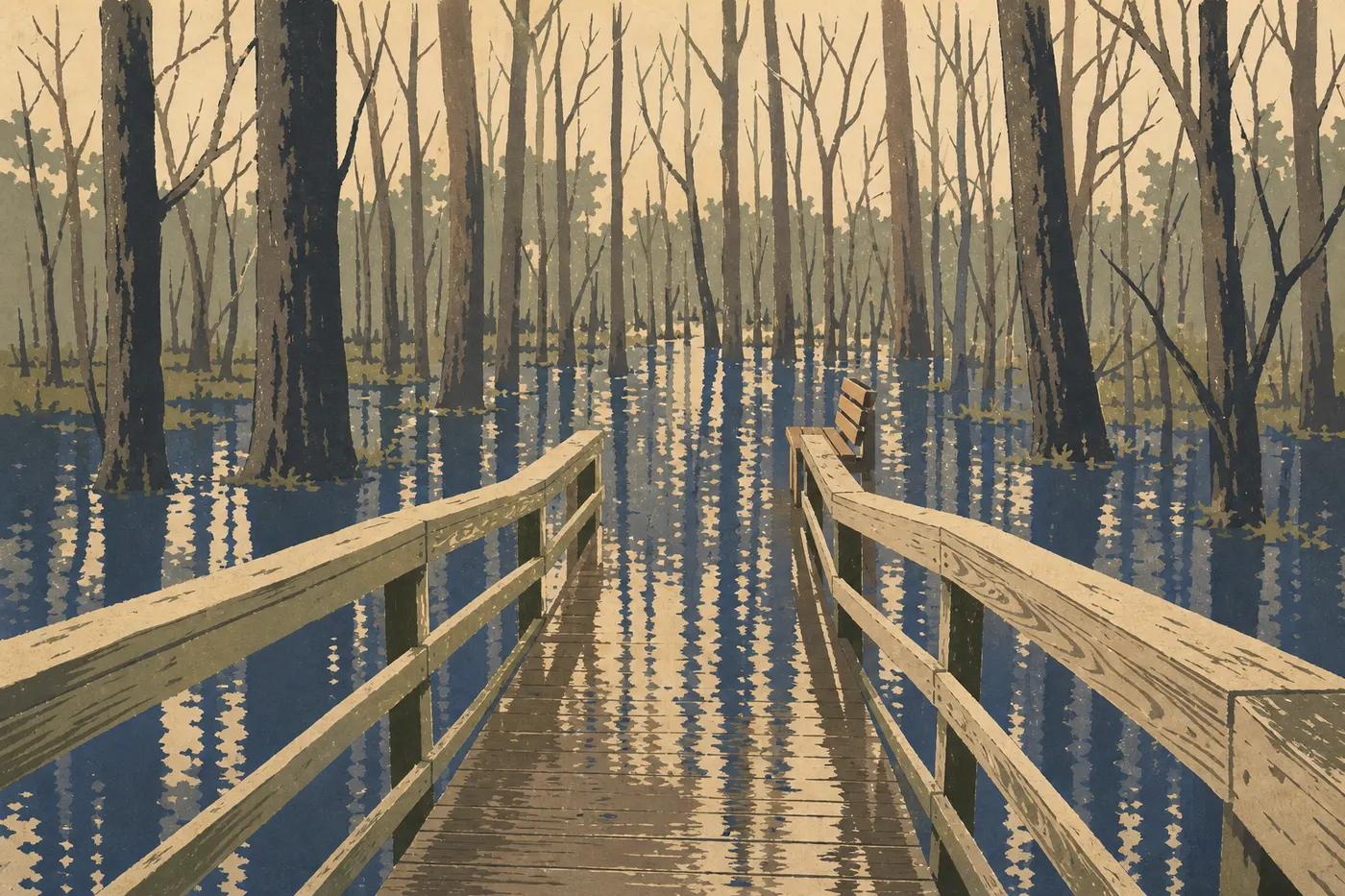
Winter is mild by European standards. Freezing nights arrive in January, but daytime temperatures hover around 50-59°F. The bare canopy radically changes the atmosphere beneath the trees. Giant bald cypress and sweetgum trunks stand revealed from base to crown, and light reaches into the forest like it does at no other time of year.
This is the best season for wildlife viewing. White-tailed deer appear in broad daylight, river otters travel up Cedar Creek, and feral hogs rustle through the dead leaves instead of hiding. Water levels are often more predictable than in summer, though winter flooding is still possible. Check conditions on the NPS website before launching a canoe.
Crowds: very light. On some weekday mornings, you'll see more deer than hikers.
Spring (March-May): Pleasant Through April, Use Caution in May
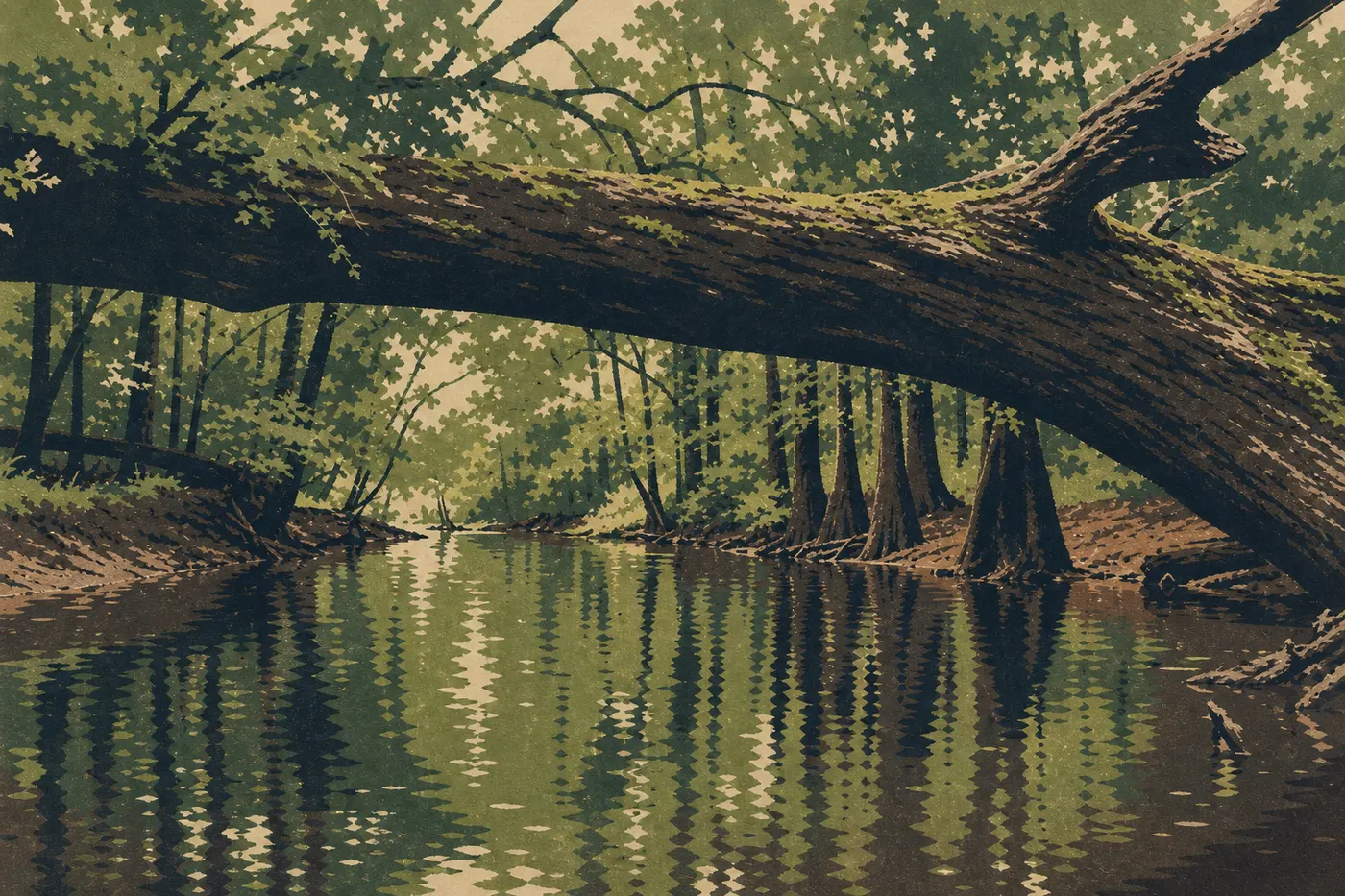
March and April make up spring's ideal window. The forest greens up quickly, amphibians resume their nighttime chorus, and temperatures are perfect for walking (59-75°F). Spring flooding can raise Cedar Creek's water level, so check conditions before launching a canoe.
Starting in May, mosquitoes make their big return. That's not an exaggeration: Congaree is known for having one of the densest mosquito populations of any U.S. national park. After rain, they can make a walk on the Boardwalk genuinely unpleasant. Come prepared with DEET-based repellent (at least 30%) and long-sleeved protective clothing.
Synchronous fireflies (late May-early June): for about two weeks, Photinus carolinus fireflies synchronize their flashes in the dark forest. I remember my first evening watching those rhythmic bursts rise among the cypress trees. It was hard to believe they were real. The NPS runs shuttles and limits access during the event. Reservations on Recreation.gov sell out within hours of opening.
Summer (June-August): Possible, but Demanding

Temperatures regularly top 91°F, and humidity turns every hike into a sauna. Add mosquitoes and severe afternoon thunderstorms, and summer in Congaree requires serious preparation.
If you come anyway, leave before 8 a.m., bring at least 2 liters of water per person, and wear effective repellent. Summer flooding can close trail sections without notice. The park is open 24 hours a day, year-round, but access to the riverbanks may be temporarily prohibited depending on Congaree River water levels.
Fall (September-November): Our Top Recommendation
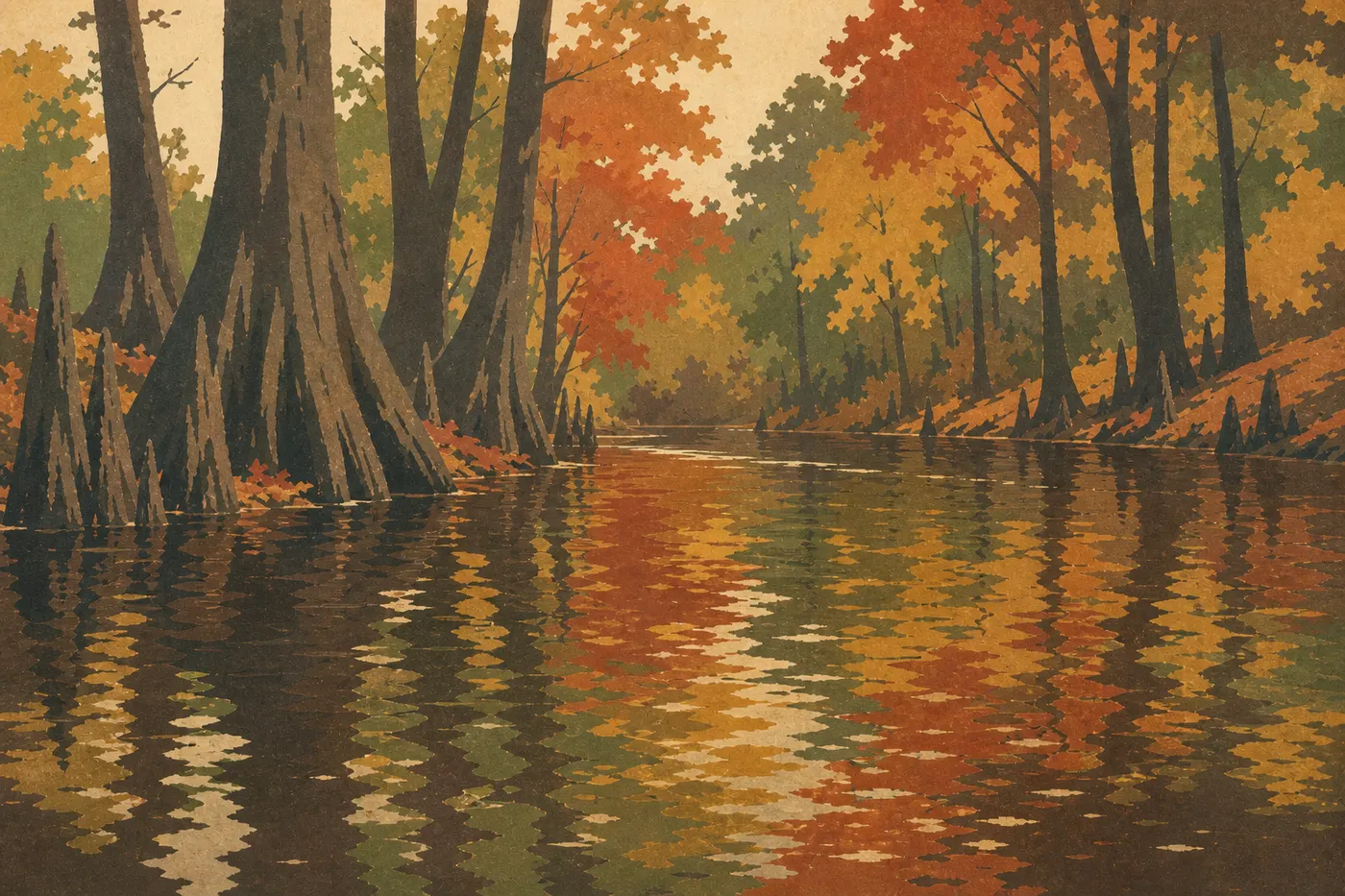
The heat gradually fades starting in September. In October, Congaree becomes genuinely pleasant, with daytime temperatures of 59-75°F, often-clear skies, and almost no mosquitoes. November may be the park's most underrated month. Bald cypress trees turn russet, sweetgums turn red and orange, and afternoon light filters between the trunks in a way that delights any photographer.
Wildlife is active: deer enter the rut in October and November, migrating birds cross the region, and water levels are often favorable for kayaking. This is the season when you understand why Congaree is worth the trip.
Crowds: When to Avoid Them
Congaree receives about 200,000 visitors a year, far fewer than the major parks of the American West. Overcrowding isn't the main issue here. Two periods are exceptions.
Late May-early June (fireflies): this is the only true peak in visitation. Hundreds of people converge each evening during the phenomenon's window. The NPS runs shuttles and limits access. Visit outside the event if peace and quiet are your priority.
October-November weekends: fall color draws residents of Columbia and Charlotte, both less than a two-hour drive away. During the week, the park returns to its usual quiet.
Estimated crowds by month (1 = nearly empty, 5 = busy):
| Jan | Feb | Mar | Apr | May | Jun | Jul | Aug | Sep | Oct | Nov | Dec |
|---|---|---|---|---|---|---|---|---|---|---|---|
| 1 | 1 | 2 | 2 | 3 ✦ | 2 | 2 | 2 | 2 | 3 | 3 | 1 |
✦ Firefly peak: temporarily reaches 5 during the event's two weeks.
Reservations and Access by Season
Congaree doesn't require timed entry reservations to enter the park. You arrive and walk in. Admission is free.
One important thing to keep in mind is the firefly event. The NPS limits access each evening and runs shuttles from a dedicated parking area, with reservations available through Recreation.gov. Spots generally open several weeks before the event and fill very quickly. Check the official NPS website starting in March if you're targeting this period.
Flooding can't be reserved. Congaree is a floodplain forest where water levels can rise quickly, sometimes without warning. Always check Cedar Creek and Congaree River levels before every outing, whatever the season. Entry points and access conditions at different water levels are detailed in the Congaree access guide.
The Best Time for Your Budget
Admission to the park is free. A trip to Congaree mainly costs money for lodging around Columbia, about 19 miles away, and transportation.
Low season (December-February): Columbia hotels offer their lowest rates. The park is nearly empty, and conditions are ideal for wildlife.
Relative high season (May for fireflies, October-November for fall color): rates rise, especially on weekends. Book your lodging ahead of time, particularly for firefly season.
Summer: midrange rates, but higher gear costs, including quality repellent, technical clothing, and extra hydration. Lodging options and seasonal price ranges are detailed in the Congaree lodging guide.
When to Go Based on Your Interests
Wildlife viewing: winter (December-February). Bare canopy, active and visible wildlife, and minimal crowds.
Kayaking on Cedar Creek: October-November or March-April. Water levels are often favorable, and the heat is manageable. Things to do in Congaree covers paddling routes and conditions to watch.
Photography: November for fall color and low winter light, or late May at dusk during the synchronous fireflies.
Hiking: fall and winter. The Boardwalk Loop (2.7 miles) is accessible year-round, but in 95°F heat with maximum humidity, it takes real effort. In winter and fall, it's an easy walk.
Visiting with kids: October-November or March. Comfortable temperatures, few or no mosquitoes, and dry trails. Visiting Congaree with kids offers practical advice for outings with children.
Traveling on a tight budget: January or February. Lowest lodging rates, free park, and almost nobody on the trails.
A one-day visit: any season, as long as you start early. The Boardwalk Loop and the first few miles of Cedar Creek are accessible in one well-organized day. Congaree itineraries offers one- and two-day plans.
In Summary: The Best Time for Your Interests
| Interest | Recommended time |
|---|---|
| Wildlife viewing | December-February |
| Kayaking on Cedar Creek | October-November, March-April |
| Photography | November; late May (fireflies) |
| Hiking | October-November |
| Families | October-November, March |
| Tight budget | January-February |
| Synchronous fireflies | Late May-early June (reserve ahead) |
For an overview of the park before planning your visit, see the Congaree page.
The Worst Time to Visit Congaree
July and August bring together all of the park's challenges: temperatures reaching 93-95°F with humidity near saturation, record numbers of mosquitoes, and severe afternoon thunderstorms. Even the Boardwalk Loop, generally accessible in all conditions, becomes strenuous by 10 a.m. This isn't a time to rule out completely, but it does require an early start, serious gear, including high-concentration repellent, protective clothing, and plenty of water, plus a genuine tolerance for discomfort.
September also deserves a note of caution. Although the heat begins to ease, the risk of tropical storms or hurricanes remains through mid-October, as South Carolina is in a risk zone. Flash floods after rainy weather can cut off access to Cedar Creek or trail sections without warning. Check weather advisories before setting out if you're visiting between July and October.
Frequently Asked Questions
What's the best time to visit Congaree National Park?
The best time to visit Congaree is fall, from October through November, with mild temperatures, no mosquitoes, fall color, and trails in good shape. Spring (March-April) is an excellent alternative before the insects return. For a unique spectacle, aim for late May-early June to see the synchronous fireflies, and reserve access ahead of time.
What's the best time to kayak in Congaree National Park?
The best time to kayak in Congaree is fall (October-November) or early spring (March-April), when Cedar Creek water levels are stable and the heat is manageable. Avoid peak flooding and always check water levels on the NPS website before launching a canoe.
How much time should you plan for a visit to Congaree National Park?
A well-organized day is enough to walk the Boardwalk Loop (2.7 miles) and get a feel for the park. Plan on at least two days for kayaking on Cedar Creek or spending a night camping beneath the cypress trees. Our Congaree Itinerary and Trip-Length Guide offers detailed plans based on how much time you have.
What's the climate like in Congaree?
Congaree has a humid subtropical climate: very hot, muggy summers (up to 95°F), mild winters (50-59°F during the day), year-round rainfall, and a risk of flooding in every season. Our Congaree Weather page provides month-by-month data and short-term forecasts.
How much does a trip to Congaree cost?
Admission to Congaree National Park is free. A trip budget mainly covers lodging around Columbia and transportation. Our Where to Stay in Congaree guide compares options by budget and travel style.
Is Congaree National Park open year-round?
Yes. Congaree is open 24 hours a day, 365 days a year, with no required timed entry reservation or admission fee. Access may occasionally be restricted during major flooding or dangerous conditions. Check alerts on the official NPS website before leaving, whatever the season.
Can you visit Congaree in winter?
Yes, and it's one of the most pleasant times to go if you're looking for peace and quiet. In January and February, daytime temperatures range from 50 to 57°F, mosquitoes are absent, and the bare canopy reveals giant trunks in an unusual light. Winter is our top recommendation for wildlife viewing: deer, otters, and feral hogs appear in broad daylight.
What's the least busy month in Congaree?
January and February are the quietest months, with nearly empty trails on some weekday mornings. December is also very quiet. If solitude on the trails is your priority, these three months offer an almost solitary experience in a park that remains far less visited year-round than the major parks of the American West.