
Acadia Wildlife: What Animals You Can See and Where to Find Them
Acadia National Park occupies a rare spot on the Maine coast: an island (Mount Desert Island), freshwater lakes, birch and spruce forests, and a cold Atlantic shoreline. This mix of habitats supports remarkably diverse wildlife for a park in the American Northeast, with more than 40 recorded mammal species and more than 330 bird species observed over the seasons.
Here are the five animals to know before setting foot on the island: the American black bear, harbor seal, peregrine falcon, moose, and common loon. These five species capture Acadia's dual identity as a park of forests and sea, and cover most of the habitats available. Read on to learn where and when to look for them, and how not to miss the encounter.
Acadia's Signature Wildlife
American Black Bear (Ursus americanus)
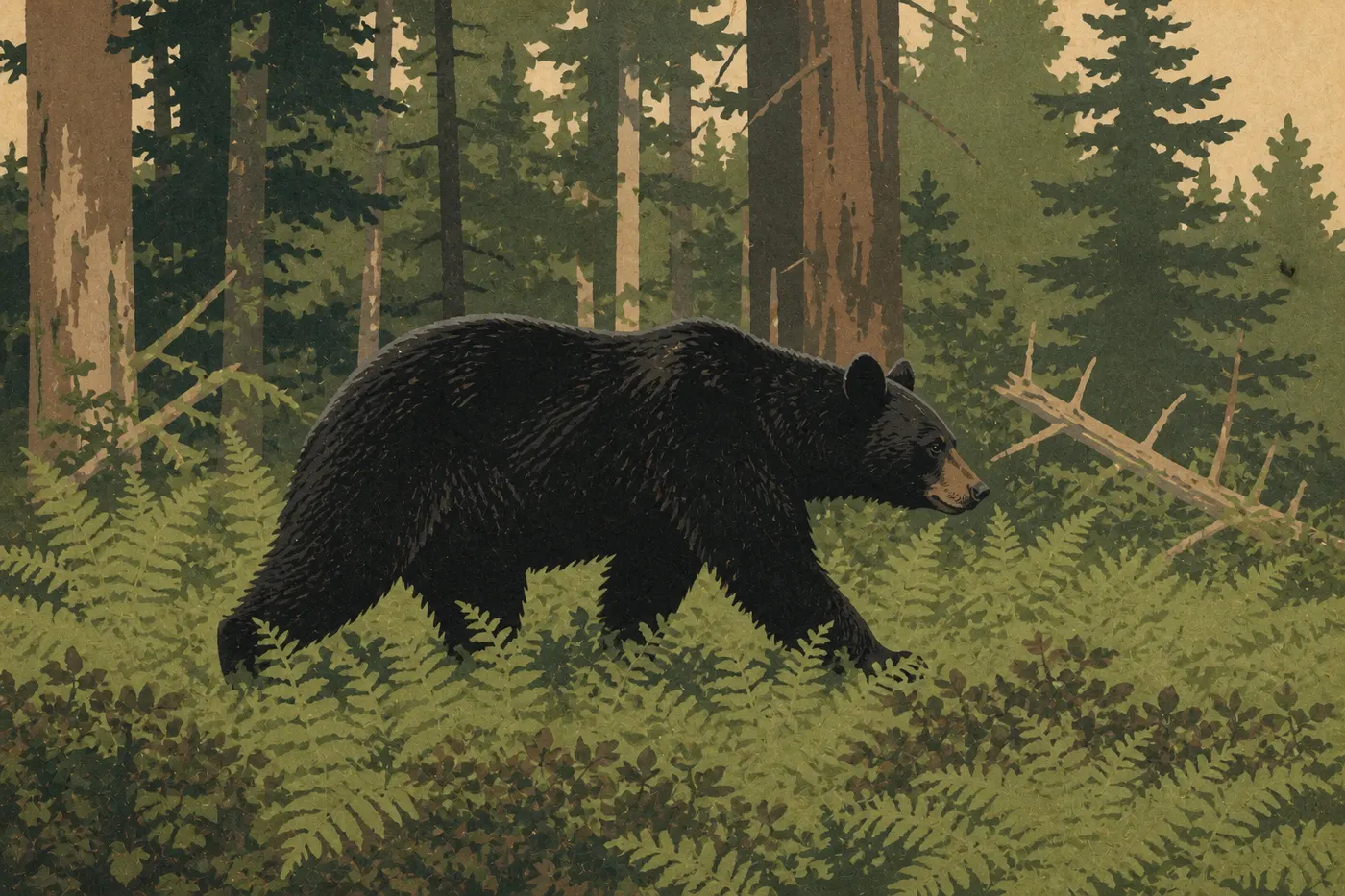
Black bears live in Acadia, but they're elusive and usually avoid busy areas. They're opportunistic omnivores, eating berries, acorns, and insects in spring; blueberries and beechnuts in fall; and carrion and rodents when necessary. An adult male weighs between 130 and 400 pounds. Despite its name, the bear's coat can range from cinnamon brown to deep black.
Where to see one: quiet wooded areas, especially around Seawall and the western part of the island. Your odds improve considerably at dawn and dusk. If you're camping, always store your food in the bear boxes provided at every campsite. A cooler that's not securely closed attracts bears, and that rarely ends well for the bear.
Harbor Seal (Phoca vitulina) and Gray Seal (Halichoerus grypus)

The harbor seal is the animal you're most likely to see in Acadia, and you won't have to work for it. These marine mammals rest in groups on exposed rocks at low tide. They range from 4 to 6 feet long and weigh 120 to 375 pounds. They feed on herring, mackerel, and other fish in the cold waters of the Gulf of Maine.
On my last visit to Otter Point in September, I counted about 20 seals stretched out on the rocks, clearly visible from Park Loop Road. Binoculars are all you need. At low tide, some animals settle less than 165 feet from shore.
How to tell the two species apart: the gray seal is much larger, reaching 660 pounds for a male, and its longer head has earned it the nickname "horse head." The harbor seal has a shorter, almost doglike muzzle. Harbor seals are most common in summer and fall; gray seals are easier to spot in winter and spring.
Peregrine Falcon (Falco peregrinus)
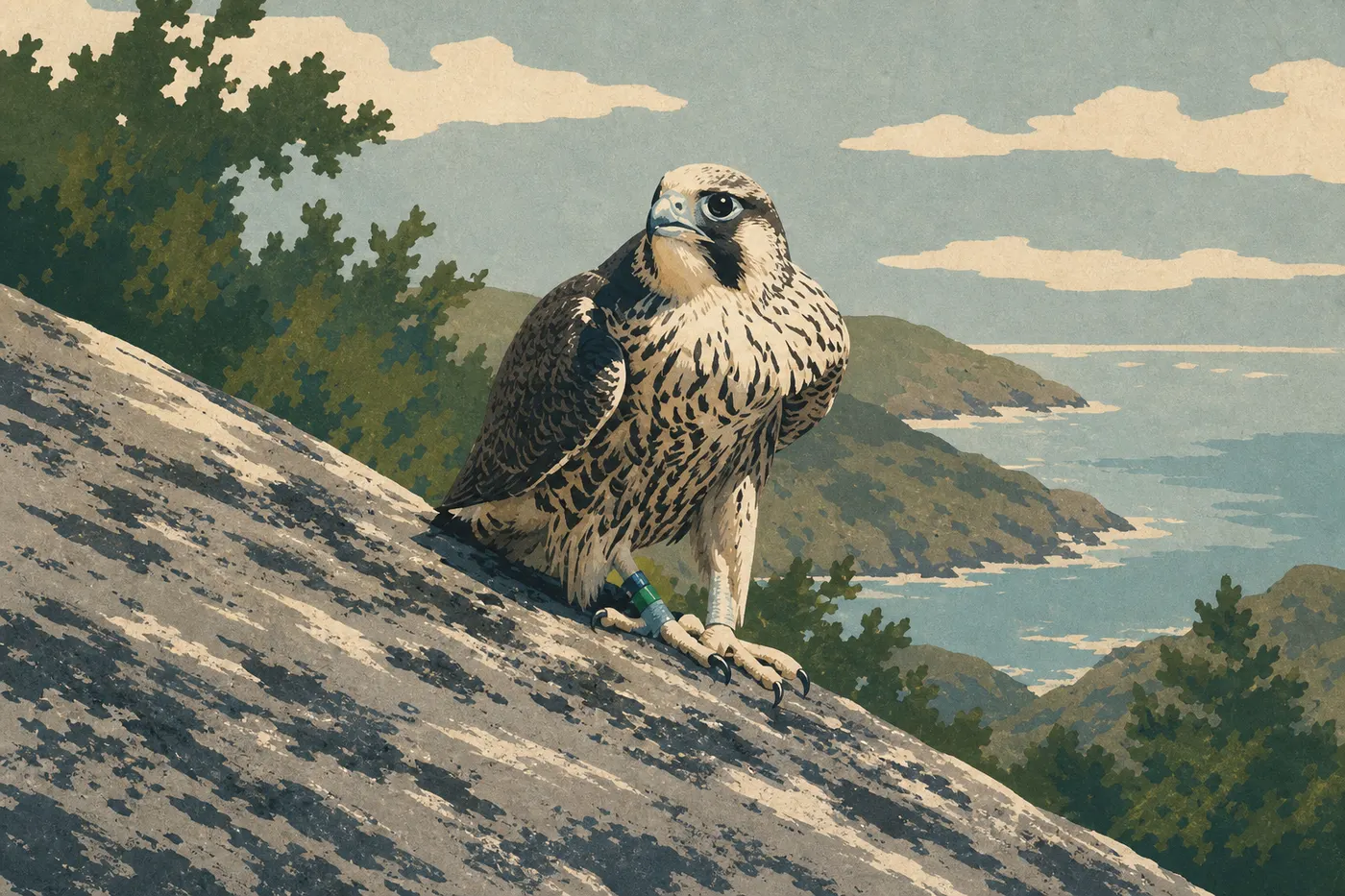
Peregrine falcons were reintroduced to Acadia in the 1980s after their population nearly collapsed because of organochlorine pesticides (DDT). Today, several pairs nest on the cliffs of Champlain Mountain. This is the world's fastest diving bird, capable of exceeding 185 mph when attacking seabirds or pigeons.
Practical tip: the NPS temporarily closes some climbing routes in spring and early summer to protect the nests. Check the Acadia hiking guide before planning a climb on Champlain Mountain in April or May. You can spot the cliff with binoculars from Park Loop Road or the Precipice area.
Moose (Alces americanus)
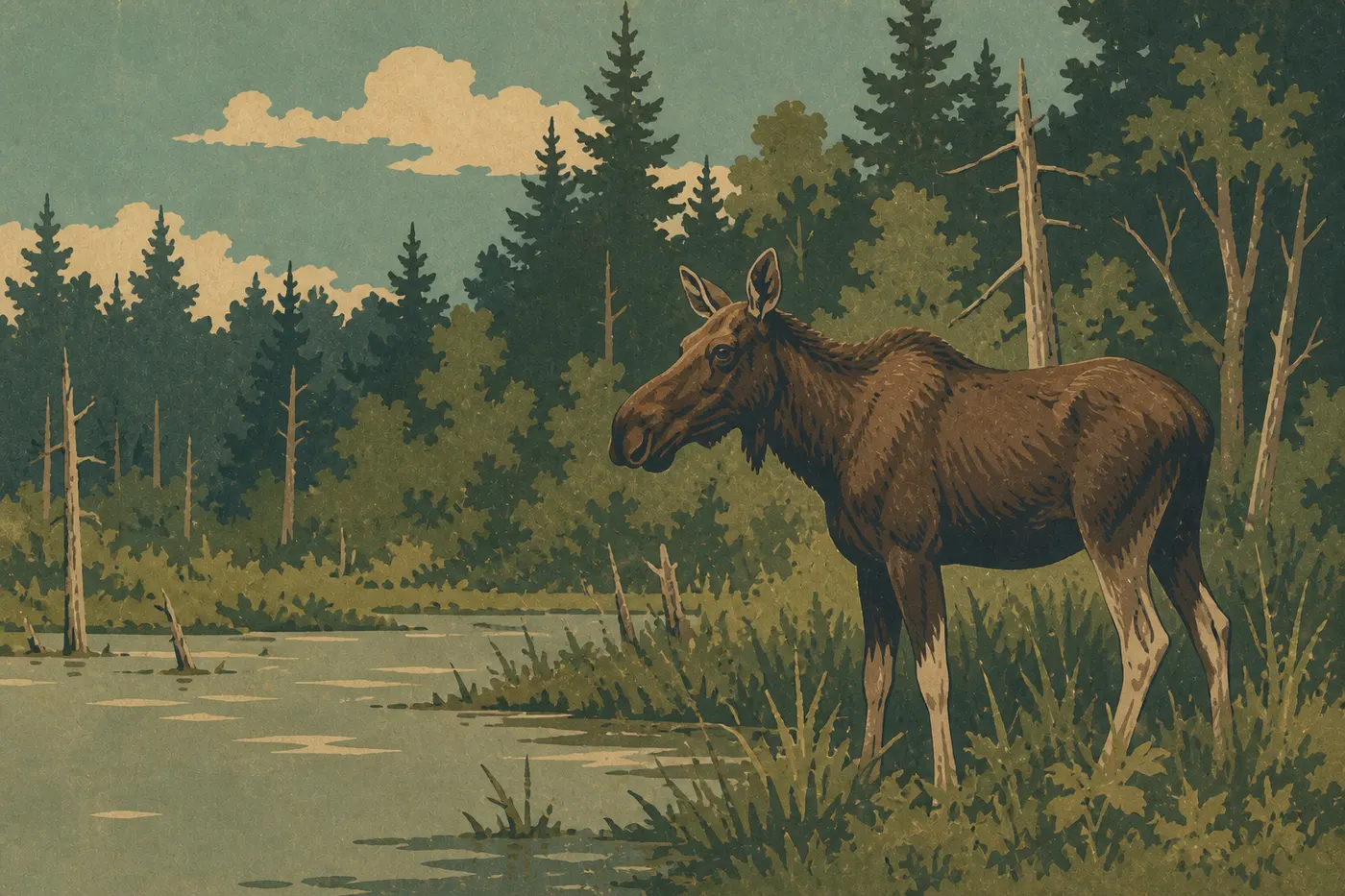
The moose is North America's largest deer and Acadia's largest land mammal. An adult male weighs between 880 and 1,540 pounds, with antlers that can span more than 5 feet. This semiaquatic herbivore favors wetlands, where it browses submerged plants and eats both aquatic and terrestrial vegetation in summer.
Sightings remain uncommon in Acadia. The marshes and ponds in the island's northwest offer your best chance, especially at dawn. Treat a moose sighting as an exceptional bonus, not a box to check. When driving, slow to 25 mph as soon as you enter a wooded wetland. A moose crossing the road at night can seriously damage a vehicle.
Common Loon (Gavia immer)
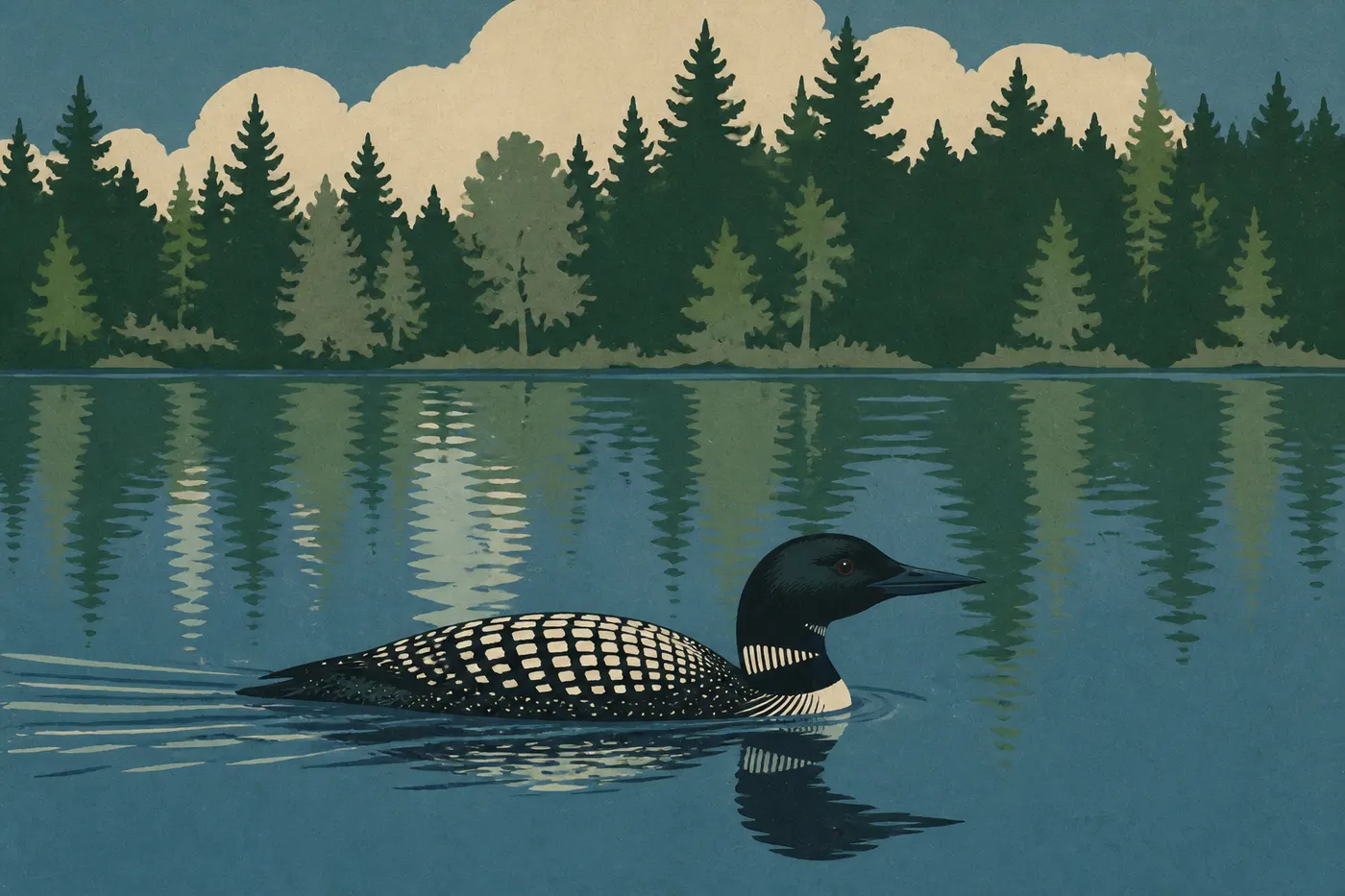
The common loon is Maine's signature bird, and its call echoes across the park's lakes from dawn. In breeding plumage, it has a black head, a white collar, and a checkerboard black-and-white back. It's unmistakable. The loon dives for fish and can stay underwater for more than a minute. A migratory bird, it arrives in the park in spring and leaves in October.
Where to see one: Eagle Lake, Jordan Pond, and Long Pond are the three most reliable spots. At dawn, when the water is perfectly calm, the calls carry a long way across the lake. Keep your distance from the shore while watching. A loon that abandons its nest because of human pressure doesn't always return.
Where to See Wildlife in Acadia
Acadia is divided into several habitat zones, each with its own wildlife.
Sieur de Monts area: the park's wet heart, with its springs and ponds. It's ideal for warblers, woodpeckers, salamanders, and wood frogs. The adjacent Wild Gardens of Acadia showcases the host plants of many local species.
Park Loop Road: the coastal road is the most effective and accessible wildlife-viewing route. Otter Point and Seal Harbor are good for seals; the Precipice for peregrine falcons; and Jordan Pond for common loons.
carriage roads: these 43 miles of nonmotorized carriage roads offer a quiet way into the interior forest. Red foxes, raccoons, beavers around the ponds, American martens, and river otters turn up in the right spots. Early morning and evening are when things happen here.
West Coast (Seawall, Long Pond, backcountry ponds): a quieter area visited by moose and small forest mammals. Gray seals sometimes complete the picture on the rocks in winter.
When to Watch Wildlife
The same rule applies in almost every park: dawn and dusk are the golden hours. Most of Acadia's mammals are crepuscular or nocturnal, including raccoons, martens, otters, beavers, and coyotes. Common loons are active from first light. Peregrine falcons hunt during the day.
By season:
- Spring (May-June): migratory birds return, peregrine falcons nest, and loons appear on the lakes. Bears emerge from winter dormancy and feed actively.
- Summer (July-August): harbor seals are easy to see on the rocks. Forest birds sing at full volume. Peak visitation pushes large mammals toward quieter areas.
- Fall (September-October): bears put on weight for winter and come out more often at dawn. White-tailed deer appear along the edges of the woods. Watch for migrating coastal raptors from open high points.
- Winter (November-April): visitation is very low. Gray seals, which tolerate the cold better, remain along the coast. A few unexpected winter birds, including guillemots, goldeneyes, and long-tailed ducks, reward motivated birders.
For month-by-month details, weather windows, and the advantages of each period, the When to Visit Acadia guide covers every season in depth.
Predators and Large Animals in Acadia
The moose is the park's largest land mammal. See the profile above. Acadia's predator community includes neither wolves nor grizzlies. Instead, it relies on mid-sized species that are efficient and stealthy.
The coyote (Canis latrans) is the park's most widespread medium-sized predator. It's an opportunist and mainly nocturnal, feeding on rabbits, rodents, fruit, and birds. You'll hear its distinctive calls long before you see it.
The bobcat (Lynx rufus) is present but extremely rare. Solitary and exceptionally elusive, it hunts snowshoe hares and birds. Seeing one in the park is an exceptional event.
The fisher (Pekania pennanti) is a large marten that can even take on a porcupine, using a targeted attack on the animal's muzzle. It's extremely elusive and mostly active at night.
Are there mountain lions in Acadia? No resident mountain lion population has been confirmed on Mount Desert Island. Isolated reports have come from the state of Maine, but there's no established evidence of mountain lions within the national park.
Watching Wildlife Safely
The basic rule is simple: never feed wildlife. A bear, raccoon, or even a Canada jay that connects people with food quickly becomes a problem for the park and for itself.
Minimum distances to maintain, based on NPS recommendations:
- Bears: at least 300 feet, or about two basketball courts placed end to end. If the animal changes its behavior when you approach, you're already too close.
- Moose: 300 feet. A moose that feels cornered may charge, and its size is dangerous even without antlers.
- Seals on the rocks: 150 feet. In a kayak or boat, keep 165 feet of lateral distance and don't approach head-on.
- Nesting birds: always respect trail closures posted by the NPS, especially around Champlain Mountain in spring.
Practical hiking advice:
- Make noise on forest trails, especially in a group. Talking, clapping, or singing reduces the chance of surprising a bear.
- Keep dogs leashed throughout the park. A taut leash can trigger defensive behavior in large mammals.
- If you find a seal that appears stranded, don't approach it. First contact the Maine Marine Animal Lifeline before taking any action.
- At night, limit your speed to 30 mph on park roads. Collisions with deer and moose are real and serious.
In Brief: Wildlife You Shouldn't Miss and Where to Find It
| Species | Best spot | Best time |
|---|---|---|
| Harbor seal | Otter Point, Seal Harbor | Low tide, year-round |
| Common loon | Eagle Lake, Jordan Pond | Dawn, May-September |
| Peregrine falcon | Champlain Mountain cliffs | Spring-summer |
| Black bear | Wooded areas, Seawall | Dawn/dusk, spring-fall |
| Moose | Northwest marshes | Dawn/dusk, spring |
| Red fox | carriage roads | Dusk, year-round |
| Beaver | Interior ponds | Dusk, summer-fall |
To plan your wildlife-viewing routes, the hiking guide lists the trails best suited to wildlife, and getting around Acadia is possible without a car thanks to the park shuttles. The complete Acadia guide brings together all the park essentials.
Frequently Asked Questions
What kinds of animals can you see in Acadia National Park?
Acadia is home to more than 40 mammal species, including black bears, moose, coyotes, beavers, harbor seals, gray seals, and bobcats, along with more than 330 recorded bird species, including peregrine falcons and common loons. The Atlantic coastal environment adds seals and seabirds to the mix.
Are there bears in Acadia National Park?
Yes, American black bears (Ursus americanus) live in Acadia. They're elusive and generally avoid busy areas. Always store your food in the bear boxes provided at campsites, without exception.
Are there mountain lions in Acadia National Park?
No resident mountain lion population is established on Mount Desert Island. Isolated reports have come from the state of Maine, but no confirmed population exists in the park to date.
What is the most common animal in Acadia National Park?
The harbor seal (Phoca vitulina) is Acadia's easiest wild animal to spot. Groups regularly rest on rocks at low tide, especially at Otter Point and Seal Harbor.
What is the largest animal in Acadia?
The moose (Alces americanus) is the park's largest land mammal, weighing between 880 and 1,540 pounds as an adult. Large whales, including humpback and minke whales, may appear offshore, but outside the park's strict boundaries.
What animals are out at night in Acadia?
Raccoons, American martens, river otters, fishers, and coyotes are mainly active at night. Bears are crepuscular to nocturnal outside periods of active feeding. At night, reduce your speed to 30 mph on park roads to avoid collisions.