
Acadia Itinerary: What to See in 1, 2, or 3 Days
Acadia sits in a corner of Maine that many travelers keep planning to visit “next time,” until the day they finally make the detour. Then they regret not setting aside more time. The park covers about 73 square miles across three distinct areas, combining a granite coast, evergreen forest, and a summit with views over the Atlantic. It’s compact, packed with things to do, and remarkably efficient.
The quick answer: two nights in Bar Harbor and three full days is what we recommend for most visitors. Day 1: Park Loop Road and Cadillac Mountain. Day 2: Jordan Pond, the southwest side, and Bass Harbor Head Lighthouse. Day 3: Schoodic Peninsula or a full day on the carriage roads. You can technically do it in a single day, but that’s also the best way to leave feeling like you missed something.
How Much Time Do You Need to Visit Acadia?
Acadia is one of the most visited national parks in the United States, with more than 3 million visitors a year in a much smaller area than the big parks of the West. Crowds are a real factor, and the amount of time you spend here radically changes the experience.
- 1 day: Park Loop Road (27 coastal miles) and the summit of Cadillac Mountain. You’ll see the postcard views, not the whole park.
- 2 days: Add the southwest side (Jordan Pond, Somes Sound, and Bass Harbor). It’s a fast, honest, but busy weekend itinerary.
- 3 days: The balanced plan, with an outing to Schoodic Peninsula or a long bike ride on the carriage roads. This is our standard recommendation.
- 4 days or more: Isle au Haut, less-traveled trails, and Bar Harbor beyond the harbor restaurants. Best for committed hikers or travelers who like to take their time.
The good news is that the park is open year-round. The bad news is that some roads and facilities close in the off-season. To fine-tune your plans, the Acadia seasonal guide breaks down every month.
Access, Park Entrances, and Getting Around
How to Get There
Acadia is in Maine, about 280 miles from Boston, on Mount Desert Island. The guide to getting to Acadia covers roads, transportation options, and park entrances in detail.
Park Entrances
Hulls Cove Visitor Center, on Route 3 just before Bar Harbor, is the main entrance for the northeast side of Mount Desert Island. That’s where you buy your pass, pick up the official paper map, and get the day’s updates on conditions. To reach the southwest side, including Southwest Harbor and Bass Harbor, take Route 102 from Ellsworth without going through Bar Harbor.
Entrance fees: $35 per vehicle, valid for 7 days; $20 per pedestrian or cyclist; and a $70 Acadia annual pass. The America the Beautiful pass ($80 per year) covers Acadia and all U.S. federal sites.
Getting Around the Park
A car is essential in the off-season and for reaching the outlying areas. In summer, the Island Explorer, a free shuttle funded by Friends of Acadia, serves the main spots on Mount Desert Island from Bar Harbor. Nine routes cover Sand Beach, Thunder Hole, Jordan Pond, Blackwoods Campground, and Southwest Harbor. In peak season, it’s the easiest option: no parking problems and no stress.
To reach the summit of Cadillac Mountain, a timed entry reservation is required roughly from May through October. You’ll make it on recreation.gov, and reservation windows open early, often in March for the summer season. If you’re aiming for sunrise, between October and March this summit is the first place in the United States to see the sun’s rays hit the coast, so get up very early and reserve several weeks ahead.
All Island Explorer routes and ferry logistics for Schoodic Peninsula and Isle au Haut are listed in the guide to getting around Acadia.
Acadia’s Areas
Mount Desert Island
This is where 95% of visits take place. Somes Sound divides the island in two. This long marine inlet is considered the only natural fjord on the East Coast of the United States. The northeast half includes Bar Harbor, Hulls Cove Visitor Center, Cadillac Mountain, and the coastal section of Park Loop Road, including Sand Beach, Thunder Hole, and Otter Cliff. The quieter southwest half includes Jordan Pond, the carriage roads, Flying Mountain Trail, and Bass Harbor Head Lighthouse. Route 3 links the two sides in the north via the Mount Desert bridge, while Route 102 connects them in the south.
Schoodic Peninsula
The park’s only mainland section, Schoodic Peninsula is about 43 miles from Bar Harbor by road, or a one-hour ferry ride in season. Its main advantage is that it’s much less crowded than Mount Desert Island. Schoodic Loop Road, 17 miles long and partly one-way, follows an Atlantic-battered coast lined with spruce trees. Schoodic Point, the peninsula’s granite tip, offers ocean views at least as striking as those along Park Loop Road. Half a day or a full day is enough for this area.
Isle au Haut
The park’s most remote area is accessible only by ferry from Stonington. The crossing takes about an hour, and seats are limited. Isle au Haut offers about 9 miles of trails in a setting largely untouched by mass tourism. Save it for visitors spending at least four days in the area who genuinely enjoy solitude and logistics.
Day-by-Day Itinerary
Day 1: Park Loop Road and the Summit of Cadillac Mountain
Leave Bar Harbor early. Start with the summit of Cadillac Mountain, at 1,530 feet, reached by a 3.7-mile road from Park Loop Road. If you’ve reserved a sunrise time slot, make this your first stop, above the clouds and well ahead of the first line of cars. Otherwise, reach the start of the summit road before 9 a.m. From the top, you can see the Porcupine Islands, Bar Harbor below, and, on a clear day, a blue-gray horizon stretching out to sea.
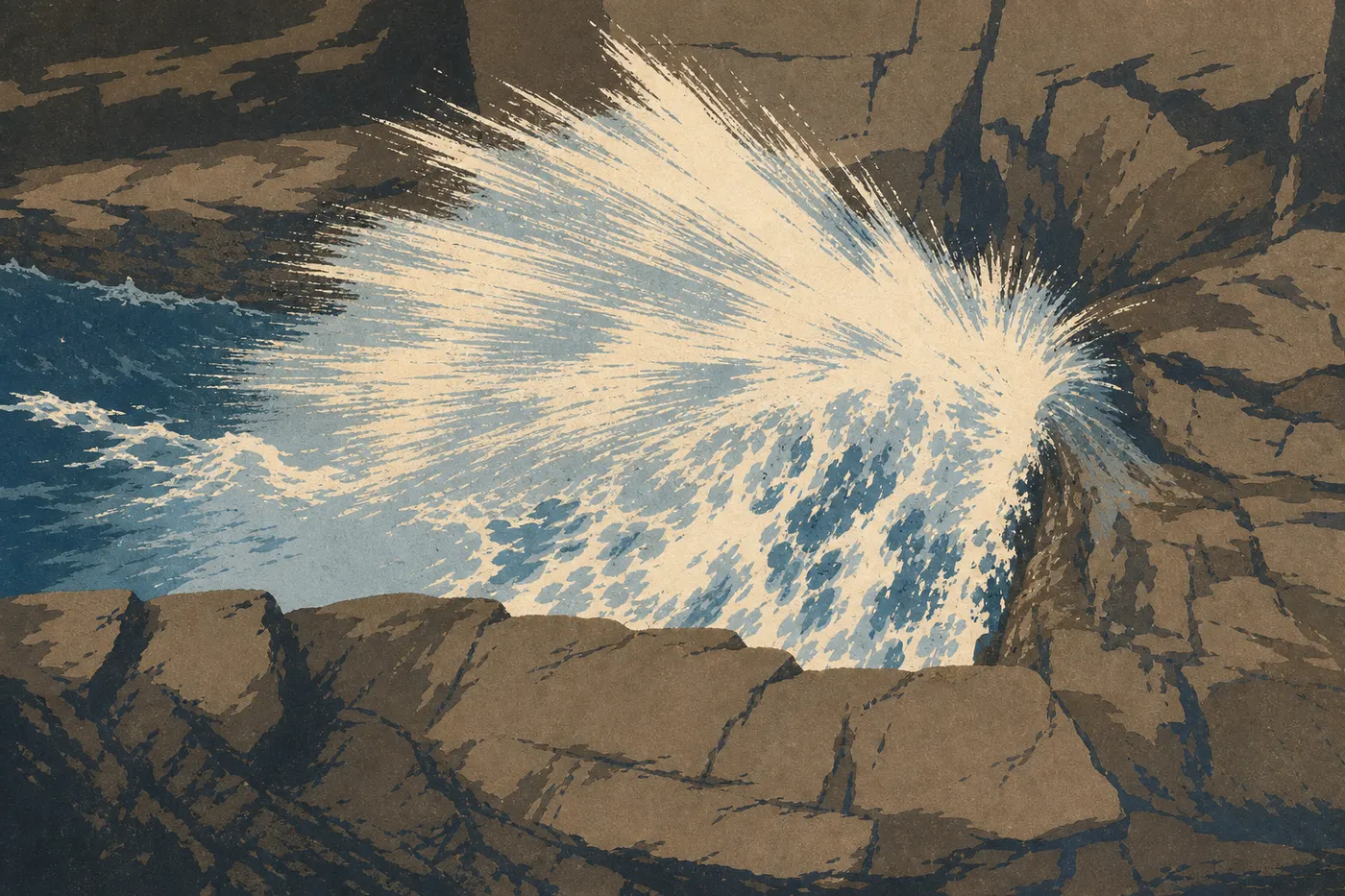
After coming down from Cadillac Mountain, follow Park Loop Road southeast. Start at Sand Beach, a shell-sand beach tucked between two walls of pink granite. Summer water temperatures range from 55 to 61°F. The brave go swimming; everyone else follows Ocean Path and watches. About 0.3 miles along the same trail, Thunder Hole is worth visiting at rising tide, when water surges into a crevice and produces an impressive deep rumble. Outside that window, it’s just a nice wet rock.
Continue to Otter Cliff, a granite wall that drops straight into the Atlantic, about 100 feet high. Head back to Bar Harbor in the late afternoon for the harbor, lobster for dinner, and a good night’s sleep before Day 2.
Day 2: Jordan Pond, Somes Sound, and Bass Harbor Head Lighthouse
Leave around 8:30 a.m. for the southwest side. Start at Jordan Pond, a glacial lake framed by the two rounded hills known as The Bubbles. Jordan Pond Path, a 3.1-mile loop around the lake on flat terrain, is the park’s most accessible walk. If you want to climb South Bubble, allow an extra 30 minutes to see the famous erratic boulder perched at the edge.
On our last visit, we tried Jordan Pond House for lunch. Popovers have been a local tradition for decades, the setting over the lake feels unreal, and reservations are strongly recommended in peak season. It isn’t essential, but it’s hard to regret going.
In the afternoon, head to Somes Sound via Route 102. Flying Mountain Trail, a 0.9-mile one-way hike with modest elevation gain, looks out over the Sound and the sailboats moving silently along it. It’s one of the park’s least-photographed viewpoints, which makes it one of the best. The Acadia hiking guide lists distances, elevation gains, and difficulty levels for every trail.
End the day at Bass Harbor Head Lighthouse, built in 1858 and wedged among the rocks at the island’s southwest tip. The late-afternoon light is perfect. The parking lot is tiny, so arrive before 5 p.m. or bike from Southwest Harbor.
Day 3: Schoodic Peninsula or the Carriage Roads
Choose between two options, depending on what you’re in the mood for.
Option A: Schoodic Peninsula. Take the ferry from Bar Harbor, with a crossing of about an hour, or drive along the coast via Route 1 north and then Route 186, about 43 miles. Schoodic Loop Road follows a rugged coast far from the crowds of Mount Desert Island. Schoodic Point is the stop you shouldn’t miss, with open views of the islands, Atlantic swells, and pink-orange rocks. Return in the late afternoon.
Option B: Bike the carriage roads. John D. Rockefeller Jr. funded the construction of more than 43 miles of granite carriage roads, closed to motor vehicles, between 1913 and 1940. By bike, you can comfortably cover 15 to 19 miles in a day, with uninterrupted views of Eagle Lake, Bubble Pond, and the wooded hills. Bikes are available to rent in Bar Harbor. Loops and variations are detailed in the Acadia activities guide.
Options Based on Your Trip Length
1 Day (Quick Visit)
The full Park Loop Road and the summit of Cadillac Mountain. Leave Bar Harbor before 7:30 a.m. and return around 6 p.m. You’ll see the park’s photographic highlights. You’ll skip Jordan Pond, the southwest side, and anything that requires more than an hour of walking. It’s a valid option if Acadia is part of a broader Maine trip, not if you made the journey specifically for the park.
2–3 Days (Classic)
The Day 1, Day 2, and Day 3 itinerary described above. This is the recommended format for most travelers.
4 Days or More (Immersive)
Add Isle au Haut, which takes a full day and requires logistics planned months in advance; a kayaking trip in Bar Harbor; a long nighttime outing to stargaze, since the park is a certified International Dark Sky Park; or a hike on the island’s less-traveled northern trails. The Acadia guide lists all the options.
Itinerary Map
The official NPS map, in “Unigrid” format, is free at Hulls Cove Visitor Center and available as a PDF download from the NPS website. It covers Mount Desert Island, Schoodic Peninsula, and Isle au Haut, along with Park Loop Road, the carriage roads, and the main trails. This is the map we use in the field: compact, easy to read, and precise for navigating the island. The Acadia National Park map offers an annotated version with the key stops on this itinerary.
Where to Stay Along the Itinerary
Bar Harbor has most of the lodging, including hotels, B&Bs, and campgrounds near the park. Southwest Harbor is a quieter alternative 20 minutes west, and it works well if you’re prioritizing the southwest side. For camping in the park, Blackwoods and Seawall are the two main NPS campgrounds on Mount Desert Island. Reservations are required in peak season, often months in advance. Our Where to Stay page covers all the options, including price ranges and booking lead times.
Extend Your Trip: What to See Around Acadia
Acadia fits naturally into an East Coast road trip or a Maine itinerary. The most logical extensions from Bar Harbor are:
- Route 1 southwest: Camden and its sailboats in the bay, about 1.5 hours away, then Rockland and its museum devoted to 20th-century American painting.
- The northern Maine coast: Lubec and the West Quoddy Head Lighthouse, the easternmost point in the contiguous United States.
- Atlantic Canada: Nova Scotia is accessible by seasonal ferry from Bar Harbor, with a crossing of about 3 hours to Yarmouth. New Brunswick and its tidal landscapes are an added bonus.
These extensions fit naturally into an East Coast or Maine itinerary. Our Road Trips section and Regions provide the guidance you need to combine them.
The Ideal Itinerary for Your Available Time
| Length | What we recommend |
|---|---|
| 1 day | Park Loop Road + Cadillac Mountain (reserve a time slot in advance) |
| 2 days | Day 1: Park Loop Road. Day 2: Jordan Pond + Bass Harbor Head Lighthouse |
| 3 days | Add Schoodic Peninsula or a day biking the carriage roads |
| 4+ days | Isle au Haut + choose-your-own activities (kayaking, a long hike, stargazing) |
Check our Weather page before you leave. Acadia is at its best from May through October, but fall, from mid-September to mid-October, combines spectacular color, fewer crowds, and cool temperatures that are ideal for hiking. Peak season, July and August, offers all shuttles and activities, at the cost of the year’s highest visitor numbers.
Frequently Asked Questions
Where is Acadia?
Acadia is in Maine, on Mount Desert Island, about 280 miles north of Boston. The main service town is Bar Harbor, on the island’s eastern shore. Schoodic Peninsula, the park’s second area, is on the mainland, about 43 miles from Bar Harbor by road.
How many days do you need to visit Acadia?
How many days you need to visit Acadia depends on how deeply you want to explore. Two days cover the essentials, including Park Loop Road, Cadillac Mountain, Jordan Pond, and Bass Harbor. Three days let you add Schoodic Peninsula or a day biking the carriage roads. Four days or more open up Isle au Haut and the island’s less-traveled trails.
How much does it cost to enter Acadia?
Entry to Acadia costs $35 per vehicle, valid for 7 days, or $20 per pedestrian or cyclist. The Acadia annual pass costs $70; the America the Beautiful pass ($80 per year) covers all U.S. federal sites.
Can you drive across Acadia?
Yes. Park Loop Road, 27 miles long, is the main scenic road and is largely one-way. It crosses the northeast and southeast sides of Mount Desert Island, from Hulls Cove to Jordan Pond. The Cadillac Mountain summit road, 3.7 miles from Park Loop Road, is also open to cars, subject to a timed entry reservation during peak season, roughly May through October.
What are the best hikes in Acadia National Park?
The best hikes in Acadia include Precipice Trail, a vertiginous and beautiful cliff climb with iron rungs; Beehive Trail, a similar but slightly more accessible option; the climb up Gorham Mountain, with views of Sand Beach; and the flat loop around Jordan Pond. There’s something for every level. Our Hiking page covers them all, with distances, elevation gains, and conditions.
What are the best things to see and do in Acadia National Park?
The essentials include coastal Park Loop Road, sunrise on Cadillac Mountain, Sand Beach, Thunder Hole at rising tide, Jordan Pond and The Bubbles, Bass Harbor Head Lighthouse, and biking the carriage roads. For more ideas, our Things to Do page covers everything from stargazing to sea kayaking.
What’s the best time to visit Acadia?
The best time to visit Acadia is mid-September through mid-October, for fall color and fewer visitors. July and August offer all available shuttles and activities, but holiday weekends can be record-breakingly busy. Our When to Go page breaks down every month to help you choose.
Is Acadia worth visiting?
Acadia is absolutely worth visiting. It’s one of the few American national parks where mountains, forest, and ocean coexist in such a compact area. You can swim, climb a cliff using iron rungs, bike historic granite roads, and have fresh lobster for dinner all in the same day. The coast seen from Cadillac Mountain at sunrise remains one of the most striking images we’ve brought home from an American national park.