

What to Do in Acadia: Must-See Sights and Activities
Acadia's three must-see spots are Cadillac Mountain at sunrise, pink-sand Sand Beach framed by granite cliffs, and Bass Harbor Head Light at sunset. Add Jordan Pond for a picnic with views of The Bubbles, and you've got the heart of the park. Here's the rest, area by area.
Acadia at a Glance: Areas, Access, and Getting Around
Acadia National Park stretches across several distinct areas in Maine. The largest and most visited occupies the southern part of Mount Desert Island (MDI), accessible from the town of Bar Harbor. The Schoodic Peninsula, on the mainland, is the only part of the park you can reach by car without taking a ferry. Isle au Haut, a remote island to the southwest, receives only a limited number of visitors each day, brought over by ferry from the village of Stonington.
On MDI, Park Loop Road (about 27 miles) is the backbone of any visit. Its coastal section is one-way, so allow two to three hours to drive it without stopping, and much longer if you make the overlooks and other stops. The Island Explorer bus network (free from June through mid-October) serves the main sites from Bar Harbor and the campgrounds. It's a real solution for avoiding parking headaches in peak season, especially in July and August.
For everything involving entrance fees, required reservations, and shuttles, the Acadia access guide has the full rundown. If you're wondering when to go to avoid the crowds or catch the fall colors, the Acadia seasons guide covers that in detail.
How Much Time Do You Need to Visit Acadia?
Two days are enough to cover MDI's main sites without rushing. Three days give you time for a detour to Schoodic Peninsula and one or two more strenuous hikes. For Isle au Haut, set aside a full day or spend a night on the island.
The Acadia itineraries offer day-by-day plans based on the length of your stay.
Acadia's Must-See Sights, Area by Area
Mount Desert Island: The Heart of the Park

MDI holds most of Acadia's iconic sites, spread along Park Loop Road and through the park's interior valleys.
Cadillac Mountain
Cadillac Mountain rises to 1,530 feet. It's the highest point on the entire U.S. Atlantic coast north of Rio de Janeiro, according to official NPS data. From late September to early October, it's also one of the first places in the United States to see the sun rise each morning. That geographic distinction draws hundreds of visitors as early as 4 a.m. in peak season. It's predictable, but it doesn't take away from the experience.
You reach the summit by car via Cadillac Summit Road, which branches off Park Loop Road. From May through October, you need a timed entry reservation to drive up ($6 in addition to the park entrance fee). Book ahead on recreation.gov, since time slots fill quickly. You can also hike up on several trails, including North Ridge Trail (about 3.1 miles one way) and South Ridge Trail. The 360-degree view of the archipelago, islands, and Atlantic is worth the effort at any time of day.
Sand Beach and Ocean Path
Sand Beach is one of the few sandy beaches on the Acadia coast. The sand itself is partly made of crushed shells, which gives it its characteristic pink color. Swimming is possible, although it takes some courage: the water rarely rises above 59°F, even in August. The beach is small and the lots fill quickly, so arrive before 9 a.m. or take the bus.
From Sand Beach, Ocean Path follows the coast for about 2.5 miles one way to Otter Point on level ground. The path passes Thunder Hole, a rocky cavern where waves rush in and create a cannon-like boom, especially around mid-incoming tide with a good swell. The effect is nonexistent on a flat sea, so check conditions before making a special trip. Gorham Mountain Trail starts right across from the Sand Beach parking lot and offers a beautiful view of the beach from above (about 1.9 miles round-trip, with 540 feet of elevation gain).
Jordan Pond
Jordan Pond is a glacial lake in a wooded basin, surrounded by two rounded hills known as “The Bubbles.” The water is remarkably clear. The trail around the lake (about 3.1 miles, flat) is one of the park's most pleasant walks and is accessible to everyone.
The Jordan Pond House, right on the water's edge, is a park restaurant known for popovers served with butter and strawberry jam. A local tradition since 1895, the outdoor dining area with views of The Bubbles is a memorable experience. Reservations are strongly recommended in summer.
Thunder Hole, Otter Cliff, and Otter Point
These three sites follow one another naturally along Ocean Path. Thunder Hole is described above. Otter Cliff is a pink-granite cliff that drops directly into the Atlantic, about 65 feet below, and is popular with climbers for its granite sport routes. Otter Point, at the end of the path, is a good spot for a picnic and seabird watching.
Bass Harbor Head Light
Bass Harbor Head Light is probably Acadia's most iconic photo. Perched on red rocks along the Atlantic, it's photogenic at any hour, especially at sunset. The site sits at the southwestern tip of MDI, about 20 minutes from Bar Harbor. A short stairway leads down to the rocks below the lighthouse. Be careful on wet rocks, since the waves can be unpredictable. The lighthouse itself is a private U.S. Coast Guard residence, so you can't go inside.
Acadia Mountain and Flying Mountain
These two peaks set back from Park Loop Road are worth the detour. Acadia Mountain (about 4.3 miles round-trip, with 820 feet of elevation gain) offers views of Somes Sound, the only natural fjord on the U.S. East Coast. Flying Mountain (about 1.9 miles round-trip, with 330 feet of elevation gain) overlooks the entrance to Somes Sound from above. It's a postcard view that's accessible even with young children.
Precipice Trail
Precipice Trail is the most technical hike on the MDI side of Acadia. It uses iron ladders, bars bolted into the rock, and near-vertical sections on the eastern face of Champlain Mountain (about 3.1 miles round-trip, with 1,080 feet of elevation gain). No climbing gear is necessary, but you need good physical condition and a head for heights. The trail closes from mid-April through late July for peregrine falcon nesting. Check the NPS website for current conditions before setting out.
Schoodic Peninsula: Acadia on the Mainland
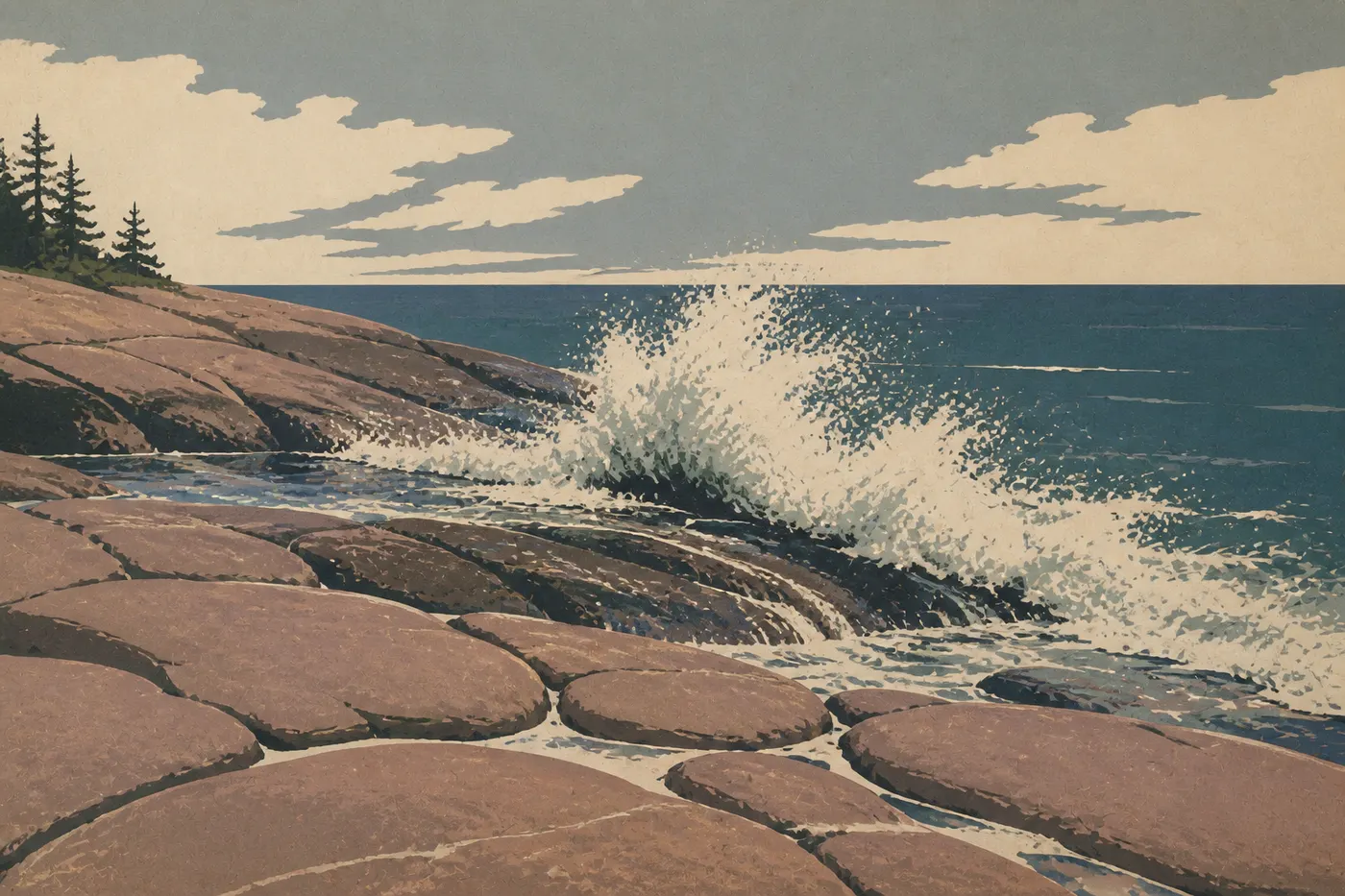
The Schoodic Peninsula is the mainland section of the park, about an hour's drive from Bar Harbor, or 1 hour 15 minutes by seasonal ferry. Much less crowded than MDI, it draws visitors who want the park without the summer crowds.
The one-way road loops around the point for about 12 miles. Schoodic Point is the highlight: a pink-granite platform exposed to the open Atlantic. In rough seas, waves explode spectacularly against the rocks. There are no railings to hold you back and no other visitors getting in your way. Blueberry Hill Parking Area is the starting point for several trails into the wooded uplands, including Schoodic Head (about 2.5 miles round-trip, with 330 feet of elevation gain, and beautiful views of the surrounding islands).
Schoodic Woods Campground is the only NPS campground on the mainland, open from mid-May through mid-October.
Isle au Haut: Acadia's Wild Side
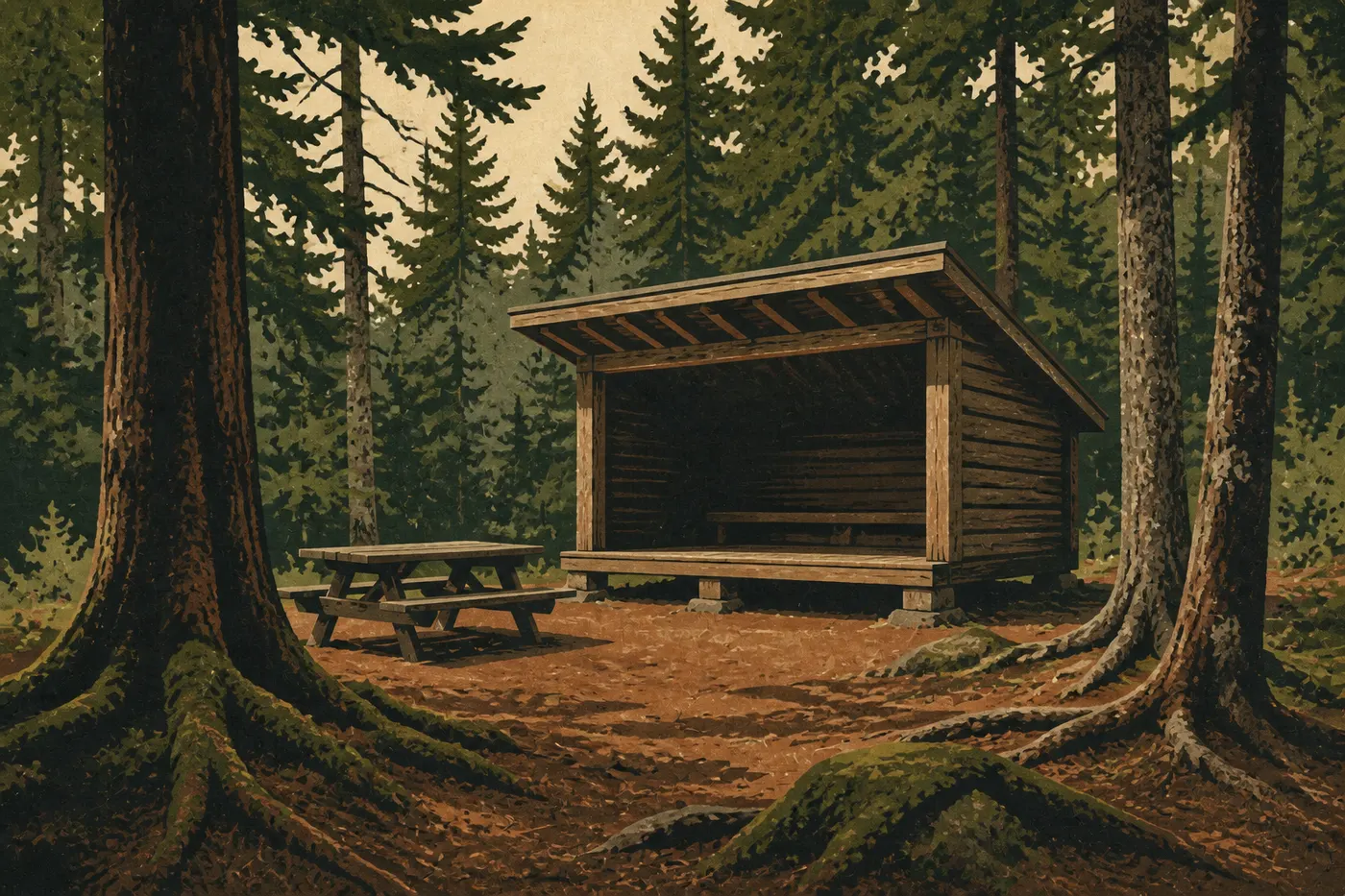
Isle au Haut is an island of about 9 square miles, accessible only by ferry from Stonington, Maine, with a 45-minute crossing. The NPS limits the number of daily visitors during the busy season, from mid-June through mid-September. You must book ahead on recreation.gov.
Infrastructure is intentionally minimal: no paved road crosses the park, there are two pit toilets, and there is no store. The trails along the rocky coast have a stark beauty unlike anything else in the park. Choose Isle au Haut for a day of complete solitude, or stay overnight in the lean-tos at Duck Harbor Campground. Reservations are required.
Acadia's Best Hikes
The park has more than 168 miles of marked trails for all ability levels. Acadia's specialty is its Ladder Trails (Precipice, Beehive, and Jordan Cliffs), technical climbs equipped with ladders and metal bars but no climbing gear. For families and hikers looking for a quieter outing, the carriage roads offer 53 miles of crushed-stone paths closed to cars. They're perfect for walking, biking, or even horseback riding.
The Acadia hiking guide covers every trail, with elevation gain, duration, difficulty, and opening season.
Other Activities for Every Kind of Traveler
Wildlife and Bird-Watching
Acadia is a major destination for observing Maine's coastal wildlife. Puffins nest on the offshore islands and can be seen on boat trips from Bar Harbor. Several operators offer outings from May through August. You may also see gray and harbor seals on the coastal rocks, ospreys, bald eagles, and, in fall, the first snow geese arriving during migration. The Acadia wildlife guide lists the species to look for by season.
Kayaking and Water Activities
Somes Sound, MDI's coast, and the calm waters around Isle au Haut are natural settings for kayaking and canoeing. Several outfitters operate from Bar Harbor and Northeast Harbor. Long Pond, the largest lake on MDI, is ideal for a relaxed paddle. Sunset trips on the Atlantic, when the light hits the pink-granite cliffs, are among the most memorable experiences this park has to offer.
Biking
Acadia's network of carriage roads, built with crushed granite between 1913 and 1940 by John D. Rockefeller Jr., is a natural playground for nonmotorized cycling. The 53 miles of paths connect the interior valleys, cross a dozen stone bridges, and offer a gentle way to explore the park away from cars and their noise. You can rent bikes in Bar Harbor. The grades vary, and some areas are challenging.
Stargazing and Photography
Acadia is one of the few East Coast parks with reasonably dark skies for astronomy, especially on the Schoodic Peninsula and in the higher elevations of MDI, away from Bar Harbor's lights. The natural setting, with pink granite, lighthouses, and ocean, makes the park especially photogenic. At sunrise and sunset, the light bounces off the pale rock in an extraordinary way.
For Families
Acadia is very family-friendly. The carriage roads work well for kids' bikes and sturdy all-terrain strollers. The Jordan Pond Path (flat, 3.1 miles, with great views) is ideal for young hikers. The NPS Junior Ranger Program lets kids earn an official badge by completing an activity booklet available at Hulls Cove Visitor Center. Our Family page brings together practical advice for planning a trip with children.
Granite Climbing
Acadia's cliffs, especially Otter Cliff and Great Head, are well-known climbing areas with granite sport routes. Several local operators offer introductory sessions and guided outings for all ability levels.
What to Do Around Acadia
Bar Harbor, just outside the park's northern entrance, is the natural home base. You'll find hotels, lobster restaurants, shops, and kayak and bike outfitters. The town is lively from June through September and very quiet outside the tourist season. From November through April, many businesses close. For lodging in and around the park, our Acadia lodging guide, covering campgrounds, hotels, and lodges, lays out the options by budget and travel style.
The rest of coastal Maine is worth a detour if you've got a few extra days. To the north, Quoddy Head State Park, home to the easternmost lighthouse in the United States, and the town of Lubec have a remote, edge-of-the-world feel. To the south, Penobscot Bay and its fishing villages, including Camden and Rockland with the Farnsworth Art Museum, offer another side of maritime Maine.
For a longer New England road trip, Acadia fits naturally into a loop that includes Vermont, New Hampshire, and the Boston area. Find Acadia in our Road Trips and Regions.
The Essentials: What to See First in Acadia
If you've got just one day, follow this plan: watch the sunrise from Cadillac Mountain (book your timed entry reservation ahead on recreation.gov), spend the morning at Sand Beach with a stop at Thunder Hole, have lunch and popovers at Jordan Pond, then head to Bass Harbor Head Light for golden hour. This itinerary covers the park's four classic postcard scenes.
With two days, add a Ladder Trail hike, either Beehive or Precipice depending on current conditions and your ability, plus a bike ride on the carriage roads. With three days, spend half a day on the Schoodic Peninsula for a change of pace and a very different perspective on the park.
Is Acadia worth the trip? In our view, absolutely. It's one of the few American national parks where raw Atlantic nature, distinctive technical trails, and a rich human history, including Rockefeller's carriage roads and Coast Guard lighthouses, come together in a relatively compact area. In peak season, the park gets packed. The trick is to arrive early, take the Island Explorer bus, and reserve required access points, such as Cadillac Mountain and Jordan Pond House, well in advance.
Our complete Acadia guide brings together all the practical guides you need for a deeper trip.
Frequently Asked Questions
What should you do at Acadia National Park?
At Acadia, must-do activities include watching the sunrise from Cadillac Mountain, swimming at Sand Beach, walking Ocean Path and the carriage roads, kayaking on Somes Sound, taking a boat trip from Bar Harbor to see puffins, and watching the sunset at Bass Harbor Head Light. The park has more than 168 miles of marked trails, including the famous Ladder Trails equipped with ladders along the rock.
What are the best hikes in Acadia National Park?
Acadia's best-known hikes are Precipice Trail and Beehive Trail, technical Ladder Trails with ladders and iron bars; South Ridge Trail to Cadillac Mountain; Ocean Path, a flat coastal walk of 2.5 miles; and Jordan Pond Path, a flat 3.1-mile loop around the lake. Our Hiking page covers them all, with elevation gain, duration, and required ability.
Where is Acadia National Park?
Acadia National Park is in Maine, in the northeastern United States. The main section of the park is on Mount Desert Island, accessible via Route 3 from Ellsworth. Bar Harbor is the main gateway town, about a five-hour drive from Boston.
How many days do you need to visit Acadia?
Two days are enough to cover the main sites on Mount Desert Island. Three days let you add Schoodic Peninsula and a few extra hikes. For Isle au Haut, plan a full day and book ahead on recreation.gov.
Do you need reservations to visit Acadia?
Yes. You need a timed entry reservation to drive to the summit of Cadillac Mountain between May and October ($6 in addition to the entrance fee). Jordan Pond House requires reservations during peak season. For Isle au Haut, the number of daily visitors is limited during the summer season, so book on recreation.gov.
Is the park suitable for families with children?
Acadia is very family-friendly. The carriage roads work well for kids' bikes, Jordan Pond Path is an easy walk for young hikers, and the NPS Junior Ranger Program offers activities for kids ages 4 to 14. Our Family page brings together all the practical advice.