
When to Visit Zion: Best Times, Seasons, and Month-by-Month Guide
The best times to visit Zion are April-May and September-October, two windows when temperatures are comfortable, crowds are far more manageable than in midsummer, and the light on the red sandstone is especially striking. Summer is still workable at dawn, but the heat quickly becomes oppressive, reaching 100°F and higher in the canyon, while mid-July monsoons turn slot canyons into hazardous areas. Winter can bring real surprises if you're willing to trade a few icy trails for complete solitude.
Zion Weather Month by Month
Zion sits in southwestern Utah, at about 3,900 feet above sea level near the visitor center. That elevation changes everything. The difference between the canyon floor and the upper plateaus can exceed 18°F, and the day-to-night swing often reaches 29°F in any season. The table below gives the broad trends; precise data and sunshine charts are in the Zion weather guide.
| Month | High (°F) | Low (°F) | Precipitation | What to expect |
|---|---|---|---|---|
| January | 50 | 27 | Low | Possible ice on exposed trails |
| February | 55 | 30 | Low | Mild winters on the NPS side, cold nights |
| March | 63 | 37 | Moderate | The Virgin River may run high |
| April | 72 | 45 | Moderate | Peak spring visitation |
| May | 81 | 54 | Low | Ideal window for every activity |
| June | 91 | 63 | Very low | Heat means starting before 9 a.m. |
| July | 99 | 70 | Sudden thunderstorms | Monsoons and flash-flood risk |
| August | 95 | 66 | Thunderstorms | Monsoons are still active |
| September | 88 | 59 | Low to moderate | Monsoons end and temperatures drop |
| October | 75 | 46 | Low | Perfect fall weather, with color from mid-October |
| November | 61 | 36 | Low | Quiet shoulder season |
| December | 50 | 27 | Low to snowy | The canyon is nearly empty |
Zion in January
The canyon floor reaches 50°F in the afternoon, but nighttime temperatures drop to 25°F, so bring thermal layers. North-facing exposed trails call for microspikes, and services in Springdale run at a slower pace. This is the quietest month of the year. You can drive your own car through the canyon because the winter shuttle is suspended, and you can park at the visitor center without waiting.
Zion in February
Temperatures climb slightly, reaching 55°F during the day, while nights remain cold at around 28°F. Crowds are still minimal, and last-minute lodging in Springdale is often available. The first mild days hint at spring vegetation, but overnight freezes are still common on the plateaus.
Zion in March
March is a transition month. Days reach 63°F, but snowmelt from the plateaus raises the Virgin River. The Narrows often close for several weeks, sometimes into April, so check conditions with the NPS before planning this hike. Roads gradually reopen, and the canyon shuttle resumes full service toward the end of the month.
Zion in April
April is one of the two best months to visit Zion. The canyon turns green, Claret Cup cacti blaze red, and temperatures usually stay below 72°F. Crowds build quickly, and weekends already feel like summer. Favor weekdays, and reserve your Angels Landing permit several weeks ahead if you're targeting a weekend.
Zion in May
May is probably the year's most versatile window, with highs around 81-82°F and nights still cool at 52°F. It's warm enough for canyoneering, but not yet so hot that afternoon heat forces you to give up on the trails. Crowds are very heavy. Start before 8 a.m. for major hikes and plan for waits at the shuttle.
Zion in June
June is still manageable if you're on the trails before 9 a.m., with afternoons approaching 93°F in the canyon. Bring at least 3 liters of water per person for any outing longer than two hours. Crowds are very heavy, and lodging in Springdale reaches peak-season rates.
Zion in July
July is the hottest and busiest month. Highs climb past 99-100°F, and nighttime temperatures stay above 70°F. Monsoon season begins in mid-July, with thunderstorms forming almost daily over the plateaus and triggering flash floods in slot canyons within minutes, even under blue skies on the canyon floor. The Narrows and other areas close without warning as soon as upstream sensors detect rising water.
Zion in August
Monsoons remain active in August, with highs around 95-97°F. Flash-flood risk is highest during the first days of the month before gradually declining. Exposed hikes such as Angels Landing aren't recommended in the middle of the day. Local-guided canyoneering, with guides who know real-time conditions, and swimming in the Virgin River are the activities that work best this month.
Zion in September
By mid-September, monsoons are fading and daytime temperatures fall back to around 88-90°F. Crowds drop noticeably after the European school year begins, and the September 15-October 15 window is often the year's best compromise. All roads are still open, and the shuttle runs at full capacity. This is also when the first aspens begin turning gold on the upper plateaus.
Zion in October
October is our favorite. Highs range from 72 to 75°F, nights drop to 45-46°F, and fall color on the plateaus peaks around October 15. Late-afternoon light on the orange cliffs is hard to beat for landscape photography. Weekend crowds are still high, but well below July and August levels.
Zion in November
November brings back the quiet, with highs around 61°F and cold nights at 34°F. Plateau trails may require microspikes after the first snowfall, and the winter shuttle gradually replaces the summer shuttle. Springdale lodging returns to shoulder-season rates, often 30 to 40% below the summer peak.
Zion in December
December is the coldest and quietest month in the park, with highs of 50°F and lows of 27°F. You can drive your own car through the canyon and park at the visitor center without waiting. When snow falls, the vermilion sandstone cliffs look otherworldly, and California condors are especially easy to spot above the ridgelines. Bring thermal layers. Nights below freezing turn wet areas into skating rinks.
Zion Season by Season
Winter (December-February)
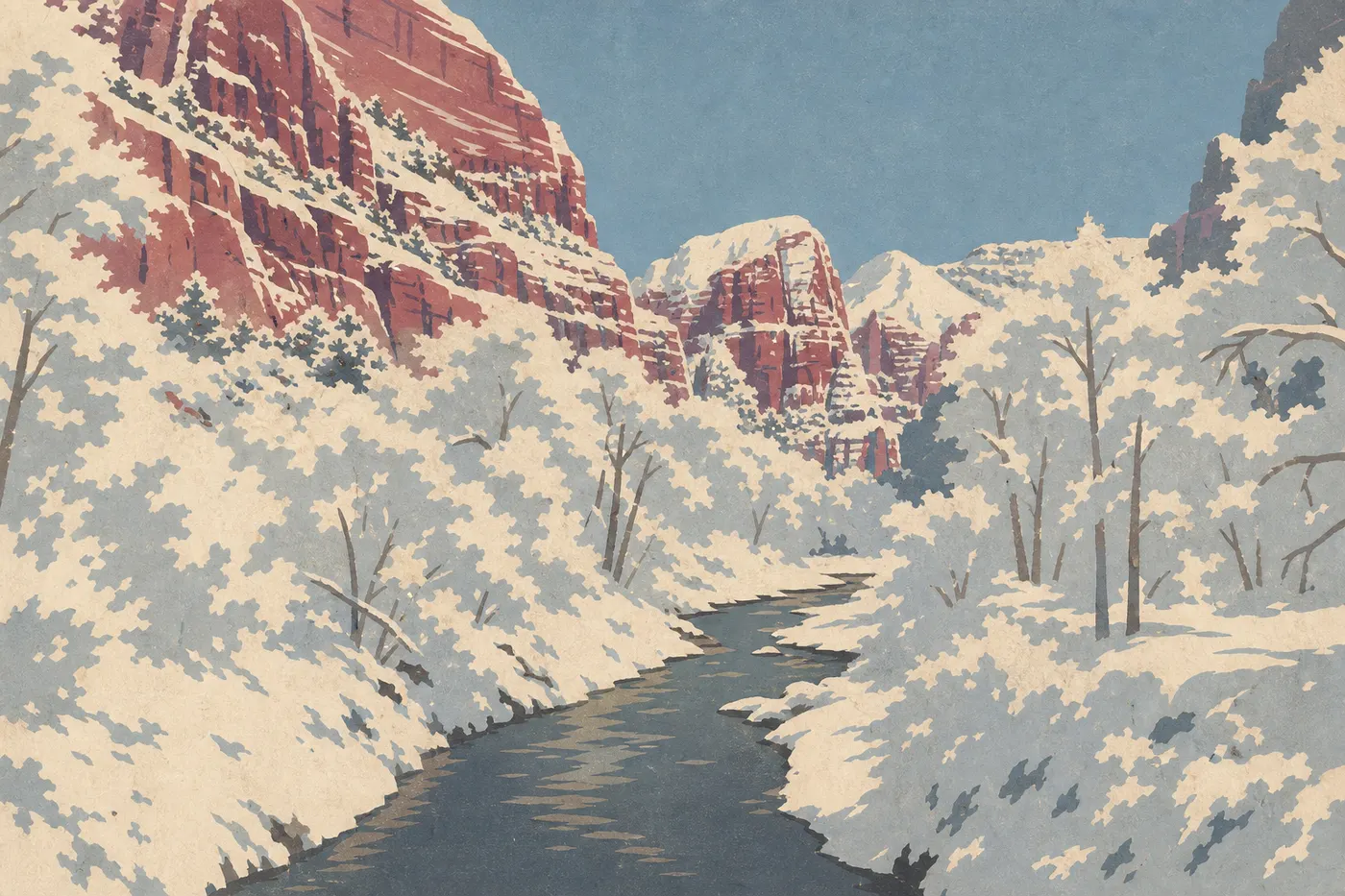
Winter in Zion is an insider's secret. The park is open 365 days a year, and the relative mildness of the canyon floor, around 50°F on January afternoons, defies the image many people have of Utah in winter. When snow falls, the vermilion sandstone cliffs look otherworldly: red and white, with no tourists in the frame.
Hikes: Angels Landing and Observation Point remain accessible in dry weather. Icy exposed sections require microspikes. The Narrows can be done with a wetsuit rented in Springdale.
Wildlife: Mule deer come down into the canyon in large numbers. California condors soar above the ridgelines and can be approached unusually closely.
Roads: Zion Canyon Scenic Drive is open to private vehicles when the winter shuttle is suspended. Kolob Terrace Road may close because of snow; Zion-Mount Carmel Highway is generally open.
Crowds: Minimal. This is the only season when you'll find a parking spot at the visitor center without fighting for it.
Spring (March-May)
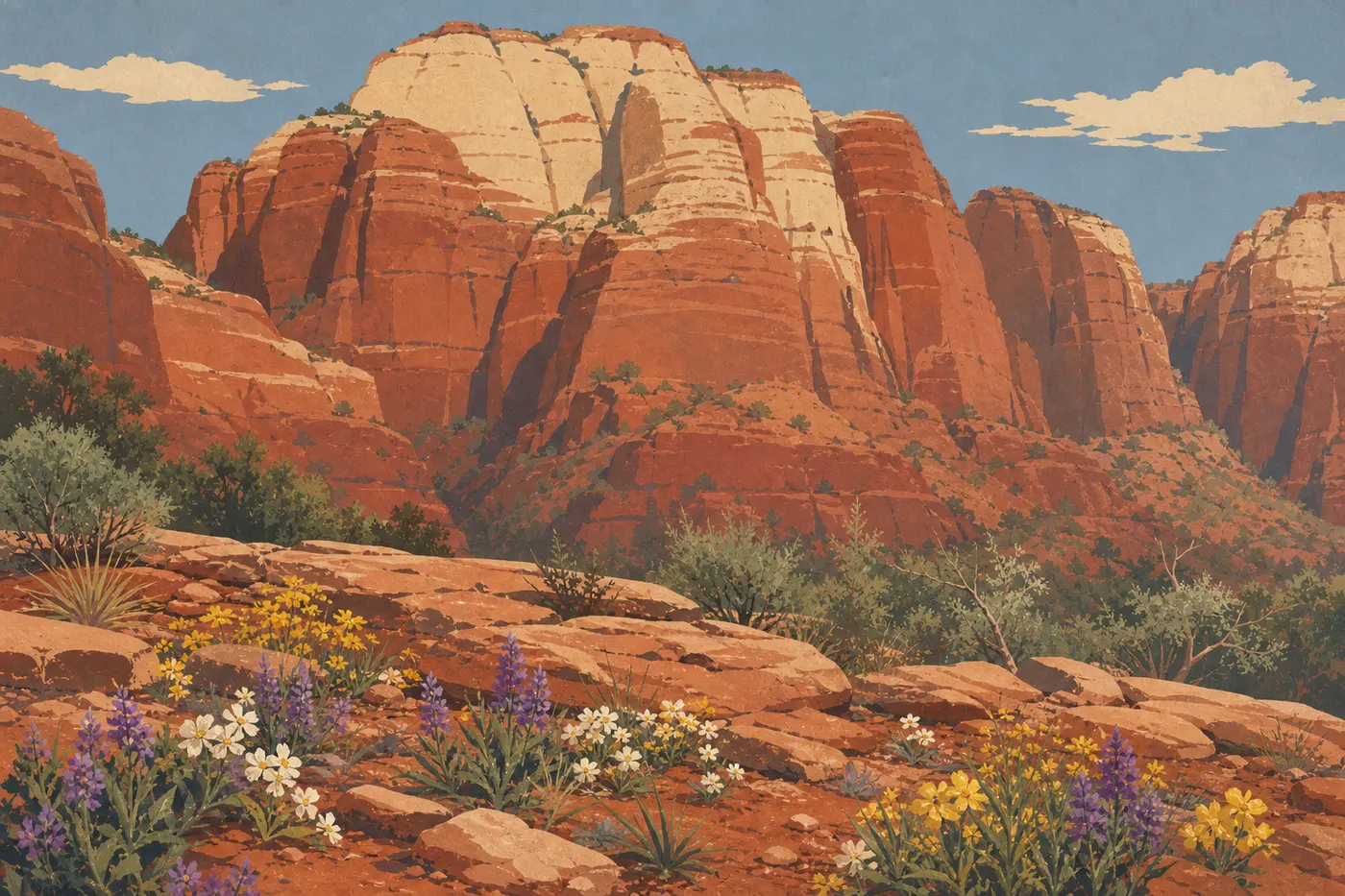
March still belongs to the hydrological winter. Snowmelt from the plateaus raises the Virgin River, and The Narrows regularly close for several weeks. Wait for the rangers' signal before planning this hike.
April is a different story. The canyon turns green, Claret Cup cacti blaze red, and temperatures usually stay below 77°F. May is probably the year's most versatile window: warm enough for canyoneering, but not yet so hot that afternoon heat forces you to give up on the trails.
Wildlife: This is nesting season for birds. Look for Anna's hummingbirds and, in wet areas along the river, the extremely rare canyon tree frog makes brief appearances.
Roads: All open by late March. The canyon shuttle resumes full service.
Crowds: Rising quickly. April weekends draw as many people as a summer weekend. Favor weekdays if you can.
Summer (June-August)
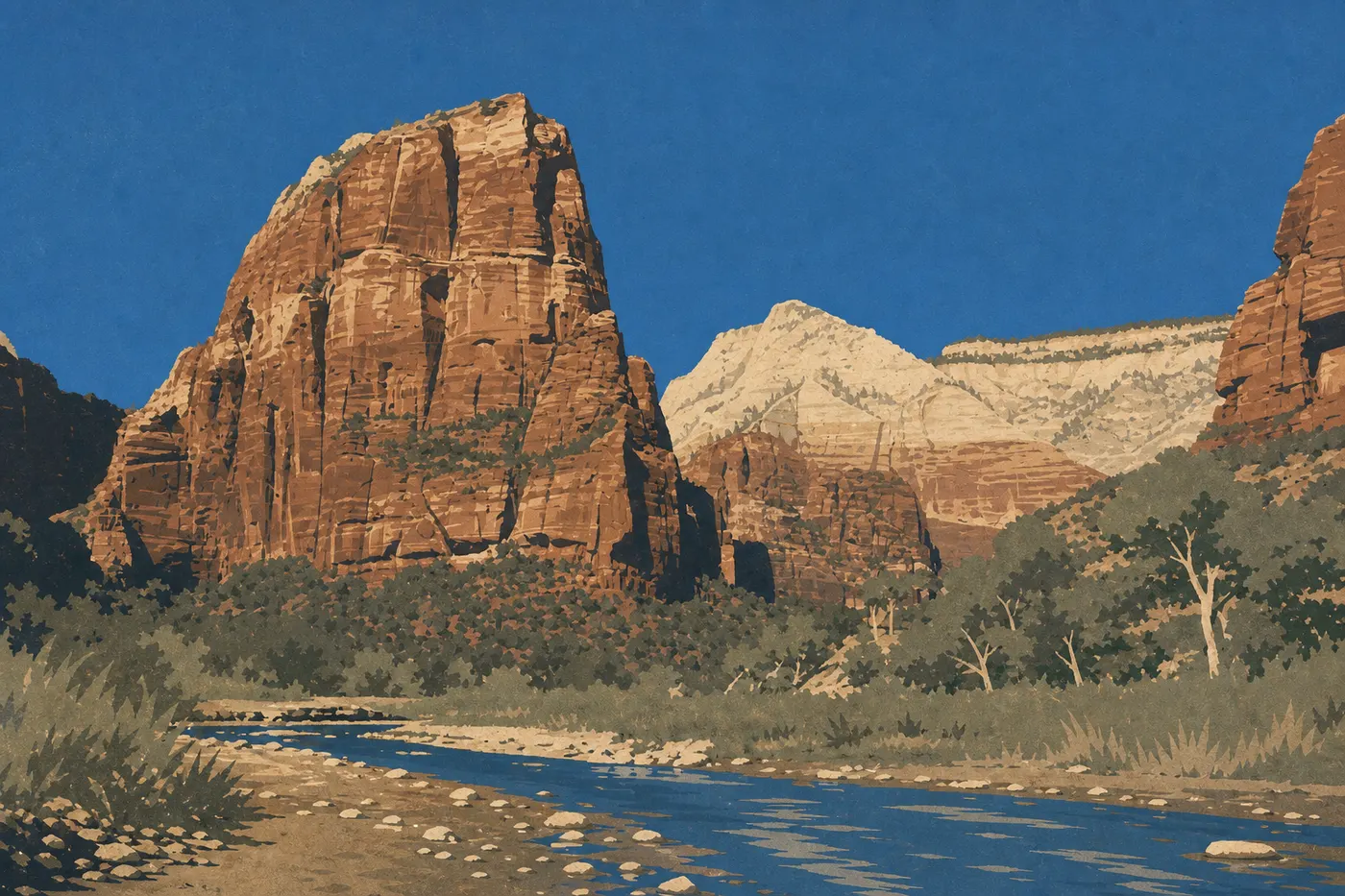
Summer in Zion is both the reward and the punishment in one package. June is still manageable if you're on the trails before 9 a.m.; after noon, the canyon floor can approach 104°F at ground level. The NPS is clear: exposed hikes such as Angels Landing aren't meant for full summer sun.
Starting in mid-July, monsoon season changes the rules. Thunderstorms form almost daily over the plateaus and can trigger flash floods in slot canyons within minutes, even under blue skies at the bottom of the canyon. The Narrows and other areas close without warning as soon as upstream sensors detect rising water. Never ignore closure signs. Not ever.
What still works well in summer: canyoneering, the Virgin River for cooling off, and evening ranger programs at Watchman Campground.
Crowds: Maximum. July and August are the two busiest months, so expect lines at the entrance booth and packed shuttles.
Fall (September-October)
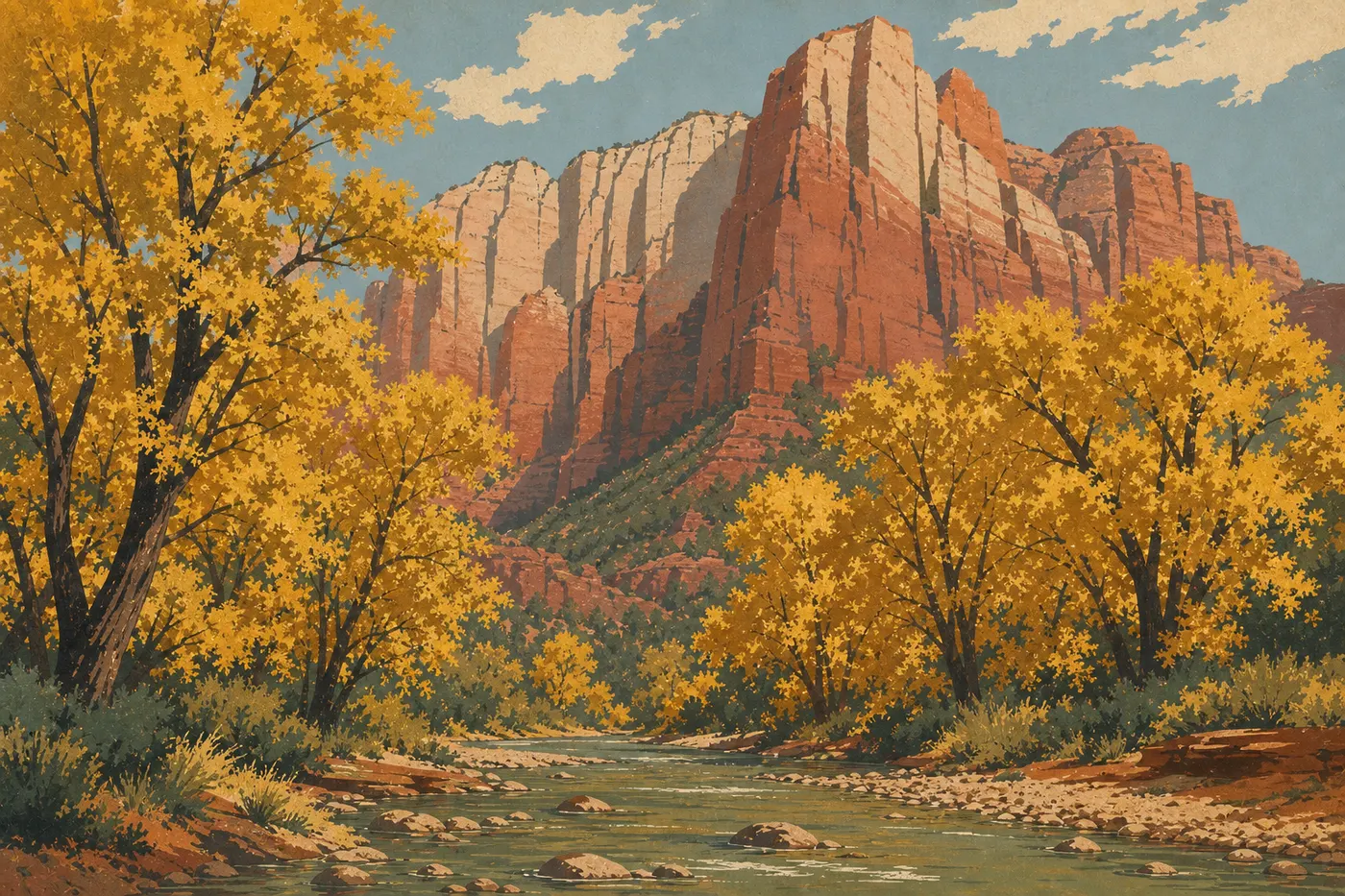
In our experience, fall is the season that never disappoints in Zion. By mid-September, monsoons are fading, temperatures return to comfortable levels, and the first aspens begin turning gold on the upper plateaus.
October is our favorite. We did The Narrows in early October on one of our last visits. River levels were perfect, the walls were still warm from the summer sun, and we encountered one-tenth as many people as we would have in July. Late-afternoon light on the orange cliffs is honestly hard to beat for landscape photography.
Wildlife: Mule deer enter the rut in October, a noisy spectacle that's accessible from the canyon floor. Migrating raptors, including hawks and red-tailed hawks, cross the park heading south.
Roads: All open, with the shuttle running at full capacity through late October.
Crowds: Moderate in September, rising on October weekends. The September 15-October 15 window is often the year's best compromise.
Crowds: When to Avoid the Crowds
Zion is one of the most visited national parks in the United States, with several million visitors a year. That's not an exaggeration. The lines at the south entrance booth in July are real, and the canyon shuttle can mean a 20-minute wait at every stop.
| Visitation | Months |
|---|---|
| Very low | December, January, February |
| Low | March, November |
| Moderate | September |
| High | April, October |
| Very high | May, June |
| Maximum | July, August |
Crowd tip: Get to the visitor center before 8 a.m. during peak season. The morning shuttle is nearly empty; by 10 a.m., lines start forming at every stop. If you're staying at Watchman Campground, the shuttle's first stop is within walking distance of the campground. No car, no stress.
Reservations and Access by Season
Zion runs a mandatory shuttle on Zion Canyon Scenic Drive for most of the year. Outside winter, private vehicles can't reach the canyon's main trailheads. Take the shuttle or ride a bike.
Since 2022, Angels Landing requires a permit obtained through a lottery on Recreation.gov. Time slots fill months ahead for peak-season weekends, from May through October. For weekday dates outside the peak, permits are often still available a few days ahead. A permit doesn't guarantee ideal conditions, so always check weather closures that morning.
Full procedures, including lottery opening dates, seasonal shuttle operations, and where to park in Springdale, are covered in the Zion access guide.
Entrance fees: $35 per vehicle, or $20 per person on foot or by bike. The America the Beautiful Pass, $70 annually, covers Zion and all federal recreation sites and pays for itself after two parks in a year.
The Best Time for Your Budget
Lodging in Springdale, the park's only gateway town, follows the crowd curve exactly. Prices can double between January and July.
- Winter (Dec.-Feb.): Rock-bottom rates, often 40-50% below the summer peak. Ideal if you want the park to yourself.
- Spring (March-May): Prices rise steadily. March remains affordable; May is already approaching peak-season rates.
- Summer (June-August): Full peak-season pricing. Flights to Las Vegas, a 2.5-hour drive away, also reach their highest prices.
- Fall (Sept.-Oct.): A slight dip in September, followed by heavily requested October weekends. The September 15-October 15 window is often the best balance of conditions and price.
To compare lodging and plan transportation budgets from Las Vegas or Salt Lake City, see the price ranges in the Zion lodging guide.
Which Season Fits Your Trip?
Technical hikes (Angels Landing, The Narrows, canyoneering): May or October. Ideal temperatures, stable river conditions, and no snow on the Angels Landing ridges.
Photography and light: October, without question. Late-afternoon golden light on the vermilion sandstone is unbeatable. Plan for Court of the Patriarchs at blue hour and Canyon Overlook Trail at sunset.
Families with children: April or September. Manageable temperatures for younger kids, a smooth-running shuttle, and free, well-run evening ranger programs at the campground.
Wildlife viewing: Winter for condors and deer on the canyon floor; October for the rut; spring for nesting birds.
Tight budget: Winter or early March. The park is nearly empty, rates are at their lowest, and winter light is striking.
Utah road trip (Zion + Bryce + Arches): A Utah road trip guide provides a framework for lining up dates between the parks of the Colorado Plateau.
In Summary: The Best Time for Your Trip
| Trip focus | Ideal time |
|---|---|
| All types of hiking | May / October |
| Photography and light | October |
| Families | April / September |
| Wildlife | Winter / October |
| Budget | December-March |
| Utah road trip | April-May or September-October |
Zion doesn't have a bad season. It has different seasons. The choice comes down to the tradeoff you're willing to make between comfortable weather, solitude on the trails, and lodging prices.
The Worst Time to Visit Zion
July and August pile on every drawback with almost no upside for the typical hiker: extreme heat, reaching 99-100°F and higher in the canyon, monsoon season with unannounced trail closures, maximum crowds, packed shuttles, and lodging at its highest prices. On top of that, flash floods are a real risk in The Narrows and slot canyons, even under clear skies on the canyon floor. These are the two months to avoid first if you're coming to hike.
June is manageable if you start very early and avoid prolonged exposure in the middle of the day. July and August offer little to hikers without flexible schedules, except for canyoneering with local guides who know real-time conditions.
Frequently Asked Questions
Is Zion National Park open year-round?
Yes. Zion is open 365 days a year, with no seasonal closure. The visitor center, main campgrounds, and essential roads remain accessible in winter. Only some secondary roads, such as Kolob Terrace Road, may temporarily close because of snow.
Can you visit Zion in winter?
Yes, and it's one of the best options if you're looking for quiet and low prices. Temperatures on the canyon floor reach 50°F on January afternoons, which is still comfortable for walking. Angels Landing, Emerald Pools, and Observation Point remain accessible in dry weather, with microspikes on icy sections. The Narrows can be done in winter with a wetsuit and suitable footwear.
When should you visit Zion National Park?
The best times to visit Zion are spring, from April through May, and fall, from September through October. You'll get pleasant temperatures, generally stable weather, and significantly fewer crowds than in summer. Winter is another very good option for visitors seeking quiet and low prices.
What is the climate like in Zion National Park?
Zion has a semiarid, high-elevation climate. Summers are hot and dry, often topping 100°F in the canyon, with a monsoon season from mid-July through September that increases the risk of flash floods. Winters are mild and sunny during the day and cold at night. The temperature difference between the canyon floor and the upper plateaus can exceed 18°F.
What's the best season for an American Southwest trip?
Spring, from April through May, and fall, from September through October, are the two recommended windows for the American Southwest. The parks of southern Utah are accessible, and temperatures remain comfortable. A When to Visit the American Southwest guide provides park-by-park timing for a road trip.
When is the best time to visit Utah?
For Utah overall, May-June and September-October offer the best access to the Colorado Plateau parks. July combines peak crowds with peak heat, so avoid it if you have a choice. A When to Visit Utah guide covers regional conditions and timing.
How much time do you need to visit Zion?
Two days let you cover the highlights, including Angels Landing, The Narrows, and Emerald Pools. Three to four days give you time to explore the plateaus and slow down. The Zion itinerary guide offers two-, three-, and five-day plans tailored to different ability levels.
How much does a trip to Zion cost?
Entrance costs $35 per vehicle, or $20 per person. Springdale lodging prices can vary by season from one extreme to the other. A Zion budget guide breaks down typical price ranges by lodging type and season. For entrance fees and annual passes, see the National Parks Fees and Passes page.