
Grand Canyon Wildlife: Which Animals to See and Where to Find Them
The Grand Canyon supports a surprisingly rich variety of wildlife for such a rocky, arid landscape. More than 90 mammal species, 450 bird species, and 58 reptile species live in the park. Here are the five animals you should not miss: the California condor, which the park helped bring back from extinction; mule deer, the species visitors encounter most often on the rims; elk, which are imposing and unafraid; bighorn sheep, acrobats on the canyon walls; and the Kaibab squirrel, endemic to the North Rim and found nowhere else on Earth. For practical information about visiting the park, see the complete Grand Canyon guide.
Grand Canyon's Iconic Animals
California Condor
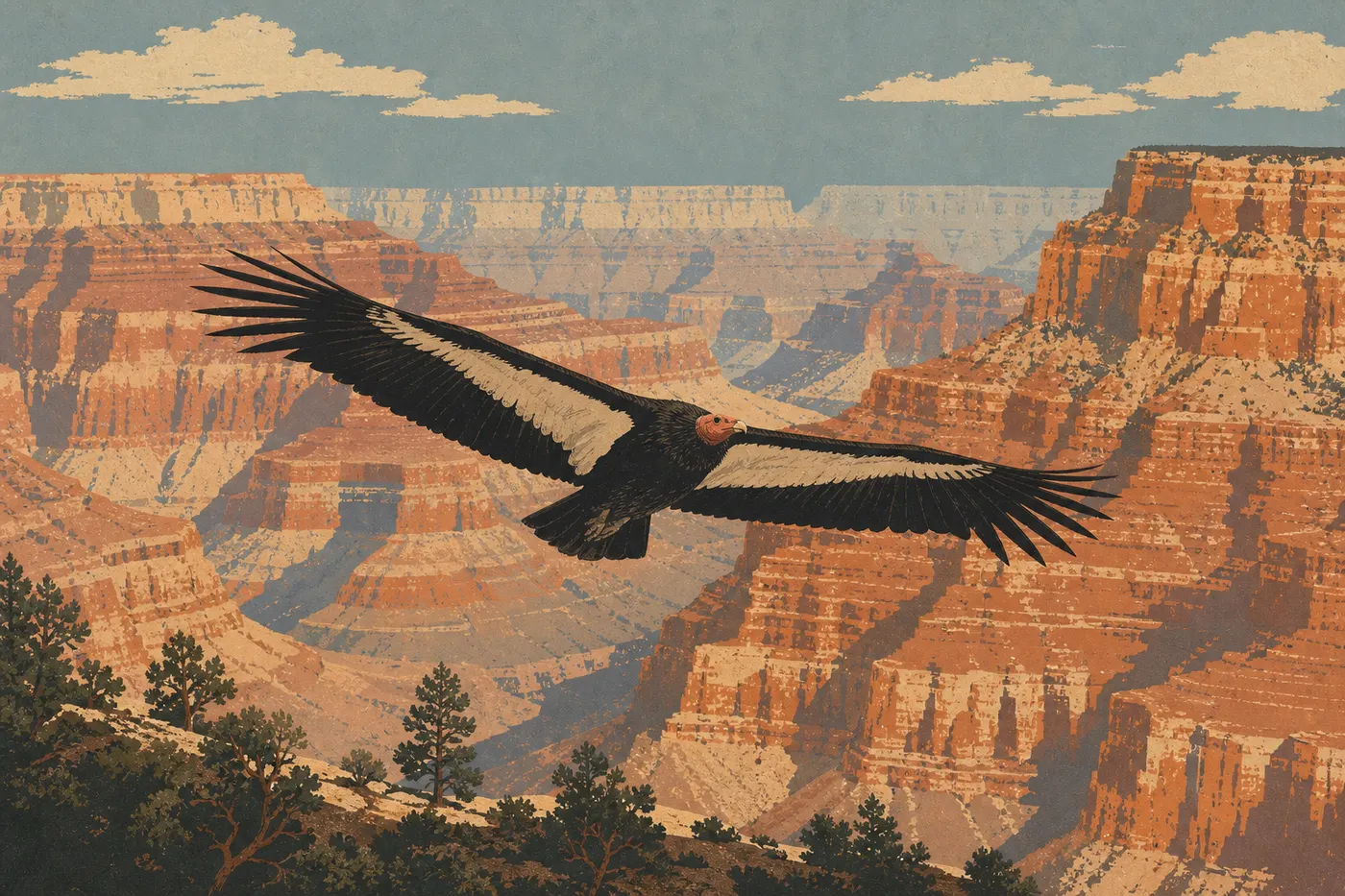
The California condor (Gymnogyps californianus) is the Grand Canyon's signature species. With a wingspan of up to 9.5 feet, it is the largest land bird of prey in North America. In 1987, only 27 condors remained in the wild. A reintroduction program launched in 1996 released captive-bred birds over the canyon. Today, about 100 condors fly free in the Grand Canyon, Zion, and Vermilion Cliffs region.
How to identify one: Look for black plumage, a bare pink to orange neck, and an identification number visible under each wing. In flight, watch for a flattened V shape and primary feathers spread like fingers. Do not confuse it with the much smaller red-tailed hawk, which has a different flight pattern.
Where to look: The cliffs around Desert View on the South Rim and the Bright Angel Point area are your best bets. Condors perch on sun-exposed ledges to warm up in the morning, often within binocular range.
Mule Deer
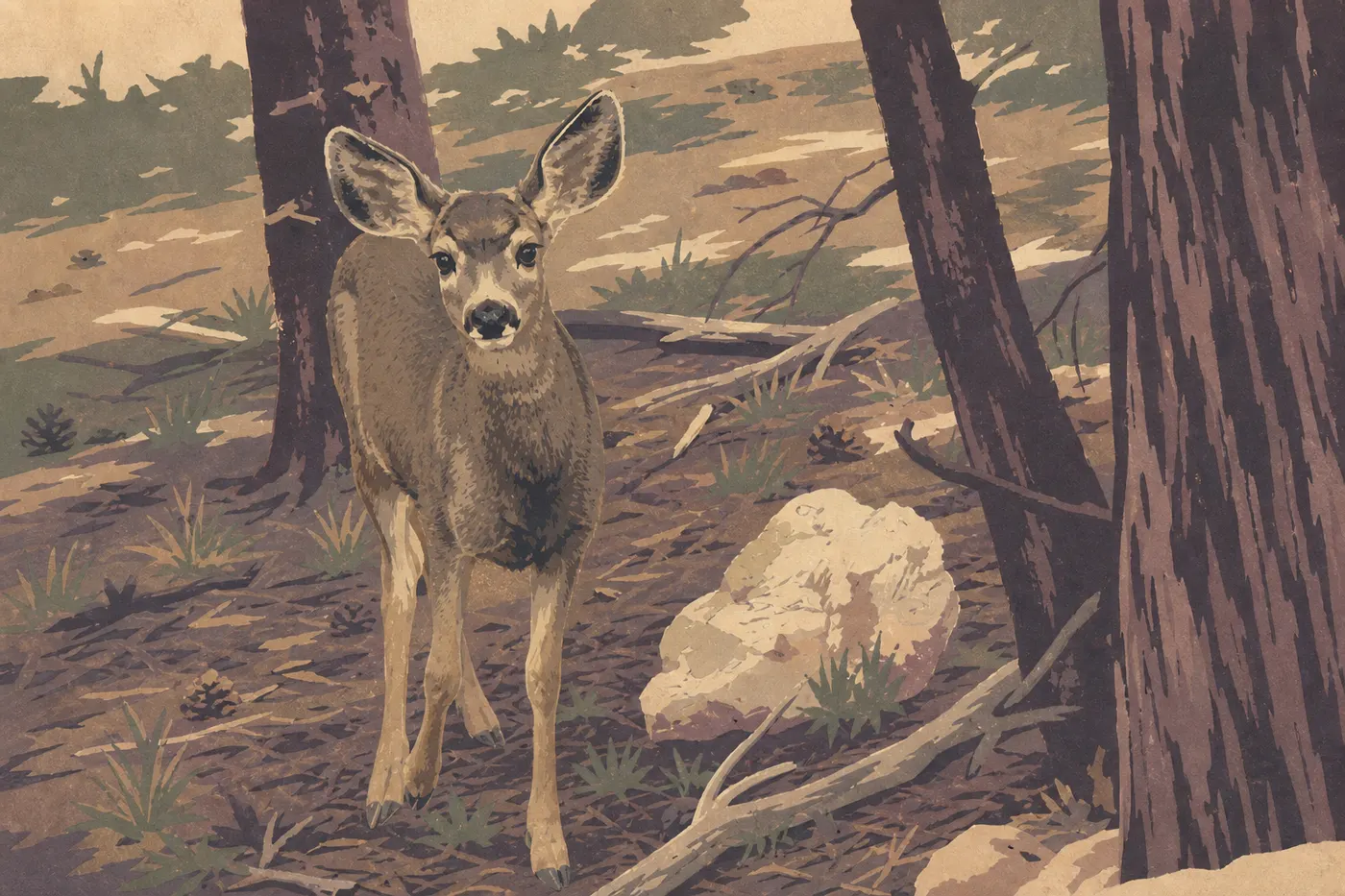
The mule deer (Odocoileus hemionus) is the Grand Canyon's most common animal. Its large, mobile ears gave it its name. You can spot one at any time of day on the South Rim, sometimes just a few yards from visitors, apparently unconcerned by the human activity.
Do not let that calm behavior fool you. An adult male can weigh 287 pounds, and during the October-November rut, males become unpredictable. The required minimum safe distance is 100 feet.
Elk
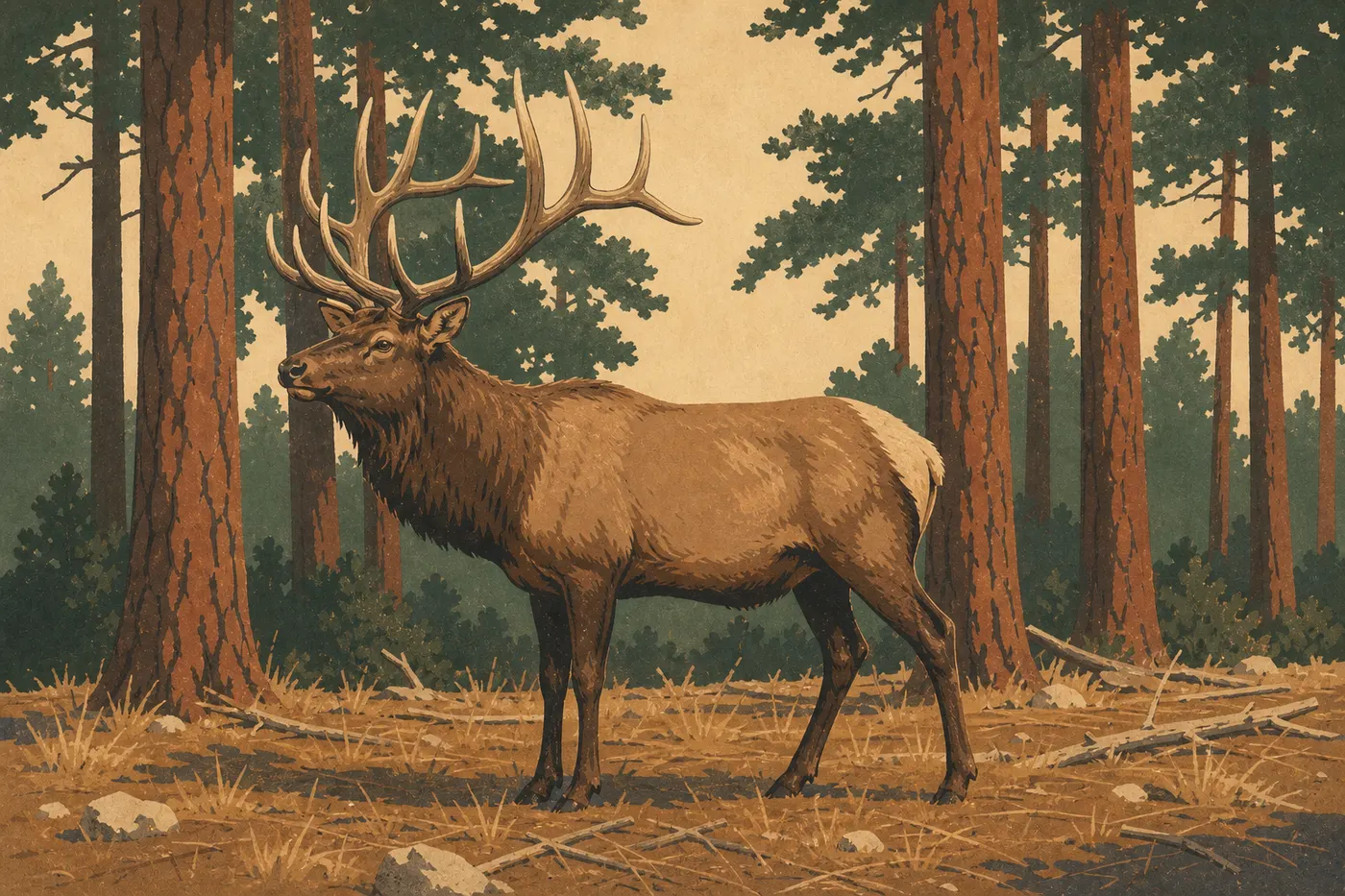
Elk (Cervus canadensis) are the park's largest deer. Males grow massive antlers that drop every winter and begin growing back in spring. You are most likely to see them at dawn and dusk around Grand Canyon Village and Mather Point. On an early-morning outing, I once watched a group of five elk calmly cross the South Rim Trail 165 feet from the cafeteria without giving the astonished tourists a glance.
Bighorn Sheep
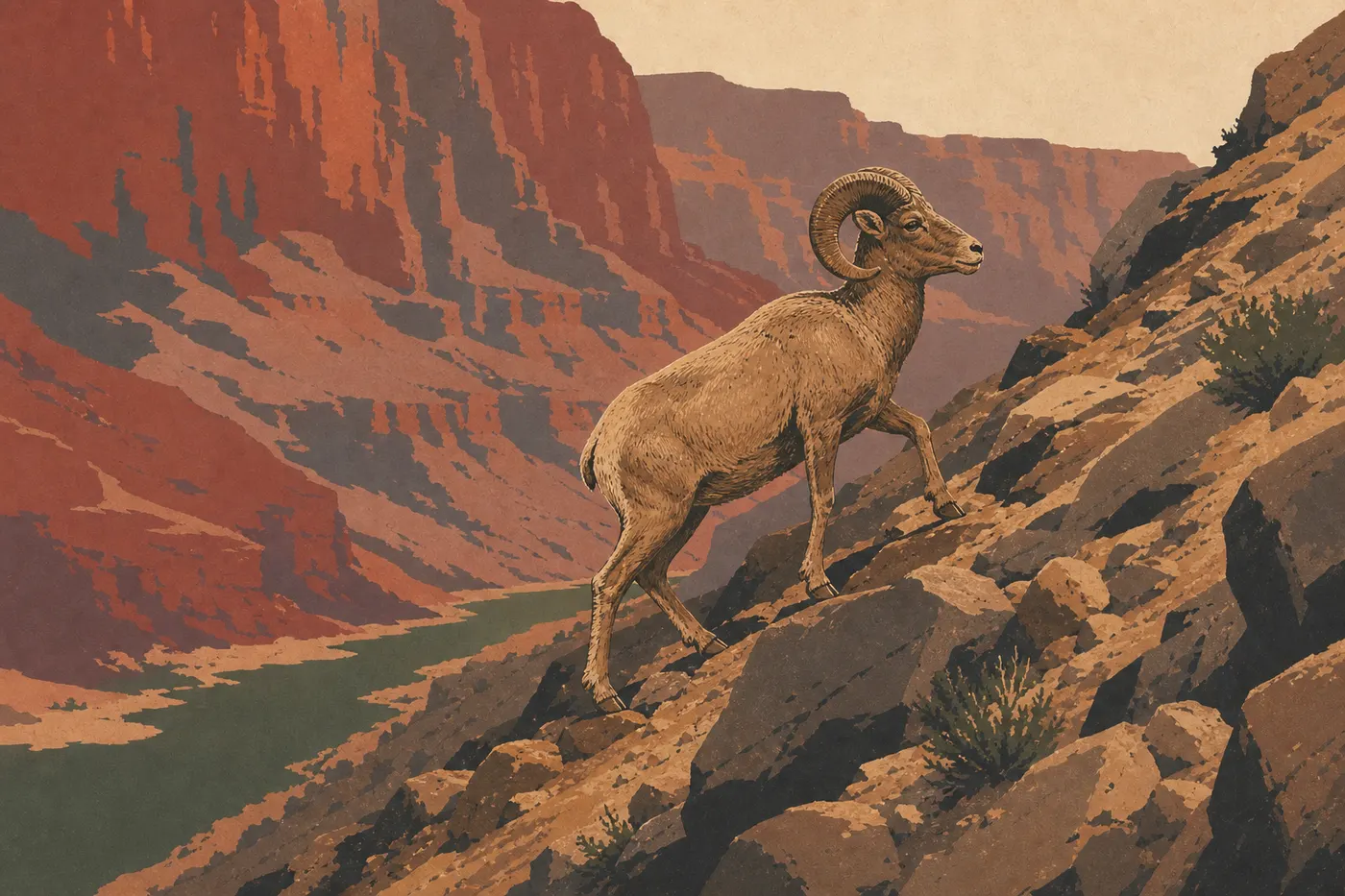
Bighorn sheep (Ovis canadensis) move down sheer cliffs with seemingly no effort. Their hard-edged hooves and flexible soles act like natural suction cups. Look for them in the rocky areas of the Inner Canyon, on the limestone cliffs around Plateau Point, and along the walls of the Bright Angel Trail below the rim.
Kaibab Squirrel
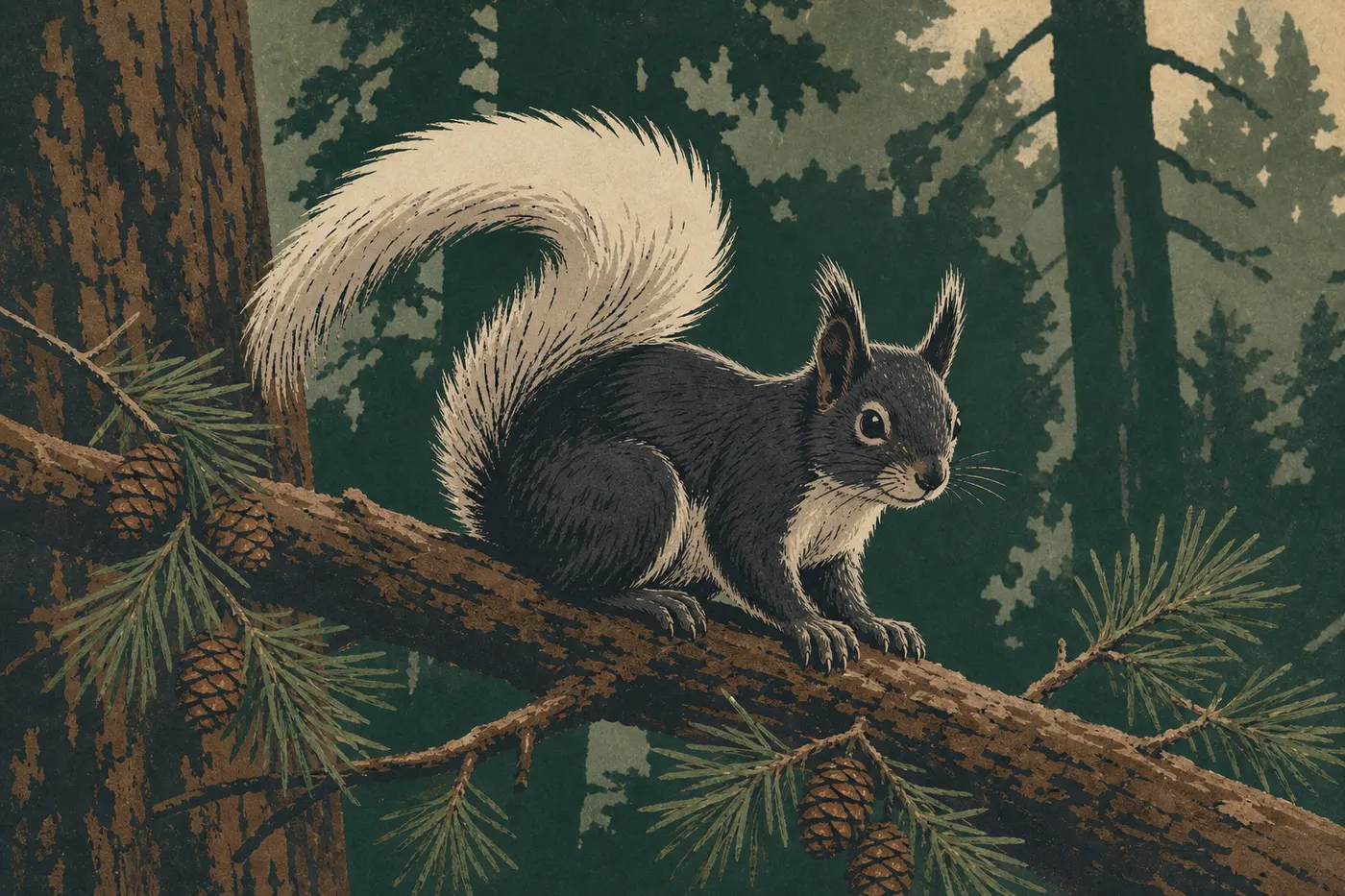
The Kaibab squirrel (Sciurus aberti kaibabensis) lives nowhere else on Earth. This Abert's squirrel subspecies is endemic to the Kaibab Plateau on the North Rim. Its dark gray-brown coat, black belly, and completely white tail make it instantly recognizable.
How to tell the canyon's two squirrels apart: On the South Rim, you will see Abert's squirrels (Sciurus aberti), with gray tails edged in white and pale bellies. Only on the North Rim, the Kaibab squirrel has a black belly and a pure white tail. The canyon separated the two populations about 10,000 years ago, a classic example of geographic speciation that biologists regularly cite in textbooks.
Where to See Wildlife in the Grand Canyon
The park's vertical geography creates distinct microhabitats. Each species occupies its own elevation zone.
On the rims, at 6,900 to 8,500 feet: This is where you have your best chances. Mather Point and Yavapai Point attract elk, mule deer, and condors. The wooded area around Grand Canyon Village draws elk at dawn. Big game often passes the Bright Angel Trailhead in the evening. If you have binoculars, face the canyon: condors often glide at eye level.
In the Inner Canyon, at 2,500 to 3,900 feet: Extreme summer heat, with temperatures above 104°F at the bottom in July and August, drives most mammals toward cooler areas during the day. Bighorn sheep and ringtails, nocturnal catlike mammals and an Arizona symbol, are at home here year-round. The Colorado River also supports endemic species such as the humpback chub, a critically endangered fish.
North Rim vs. South Rim: The North Rim is cooler and more heavily forested, with fir and spruce forests at 8,500 feet, so its wildlife is somewhat different. You are more likely to see mule deer there, and your chances of spotting a mountain lion at dawn are slightly better. Keep in mind that the North Rim is open only from about mid-May to mid-October. The Grand Canyon visiting calendar covers seasonal openings and closures. To find the most productive wildlife-viewing trails, see the Grand Canyon hikes and must-do activities guides, which point you to the right trail for each experience.
When to Watch Wildlife in the Grand Canyon
The golden rule is to go at dawn or dusk. Most mammals come out to feed between 6 and 8 a.m., then again between 5 and 7 p.m. In the middle of the day, especially in summer, wildlife retreats into the shade and often disappears from view.
Nocturnal animals: At night, the canyon belongs to the ringtail (Bassariscus astutus). This small carnivore, with large golden eyes and a ringed tail, is elusive but present in the Inner Canyon. Rattlesnakes also become active in the cool air after sunset. Bring a headlamp, watch where you step on the trails, and never reach under a rock.
The seasons at a glance:
- Spring (April-May): bird migration, fawns, and condors active from dawn.
- Summer (June-August): difficult daytime sightings, more wildlife at night, and rattlesnakes to watch for.
- Fall (September-November): the deer and elk rut, making this the best season for large mammals.
- Winter (December-March): condors are visible in clear weather, mammal sightings are less common, and the North Rim is closed.
For a month-by-month breakdown, see our When to Visit page for the Grand Canyon.
Grand Canyon Predators and Large Animals
The park's largest predator is the mountain lion (Puma concolor). A viable population lives mainly on the North Rim, on the Kaibab Plateau, where mule deer are its primary prey. Attacks on people are extremely rare, but the risk exists. If you encounter one, do not run, since that can trigger its hunting instinct. Make yourself look large, speak firmly, and back away slowly while facing the animal.
Coyotes (Canis latrans) are much easier to spot. Opportunistic and bold, they patrol the edges of campgrounds and picnic areas. Never feed one. A coyote that becomes accustomed to people loses its natural instincts and will generally be euthanized by the park.
The Grand Canyon pink rattlesnake (Crotalus oreganus abyssus) is a subspecies endemic to the canyon. Its pink coloring provides perfect camouflage among the light limestone walls. It is active during the day in spring and becomes nocturnal in summer. Look before placing your hand on a rock or ledge. If you are bitten, immobilize the affected limb, stay calm, and alert a ranger immediately. The bite is medically serious and requires antivenom.
Watching Wildlife Safely
Required minimum distances (NPS):
- Large mammals, including deer, elk, bighorn sheep, and mountain lions: at least 100 feet, without exception.
- Birds, including condors: at least 100 feet.
- Snakes: at least 6.5 feet. Move more than 6.5 feet away as soon as you spot one.
Never feed wildlife. It is illegal in all U.S. national parks and dangerous for the animal. Grand Canyon rodents may carry Yersinia pestis, the bacterium that causes bubonic plague. Do not touch or feed them.
On the trail: Make noise in dense vegetation so you do not surprise an animal. Keep children and pets close to you at all times. Store food in bear boxes available at campgrounds and on some trails.
For the park's complete safety rules, check with a ranger. They can explain the full protocols to follow if you encounter wildlife.
In Short: Species Not to Miss and Where to Find Them
| Species | Area | Best time |
|---|---|---|
| California condor | Desert View, Bright Angel Point | Morning, any season |
| Mule deer | Mather Point, South Rim | Dawn and dusk |
| Elk | Grand Canyon Village, South Rim | Dawn, especially in fall |
| Bighorn sheep | Inner Canyon, rocky cliffs | Morning, spring and fall |
| Kaibab squirrel | North Rim forests only | All day |
| Mountain lion | North Rim, rarely seen | Dawn |
| Grand Canyon pink rattlesnake | Trails and rocks | Summer nights, spring days |
| Ringtail | Inner Canyon, rocky areas | Night |
Frequently Asked Questions
What animals live in the Grand Canyon?
Grand Canyon wildlife includes more than 90 mammal species, 450 bird species, and 58 reptile species. Iconic species include the California condor, mule deer, elk, bighorn sheep, and the Kaibab squirrel, which is endemic to the North Rim.
What dangerous animals live in the Grand Canyon?
Dangerous Grand Canyon wildlife includes the Grand Canyon pink rattlesnake, a venomous subspecies endemic to the canyon; mountain lions, found mainly on the North Rim; and coyotes, which may bite if they become used to being fed by people. Some park rodents may also carry the bacterium that causes bubonic plague.
What is the most common animal in the Grand Canyon?
The mule deer is the Grand Canyon's most common animal. You can see it at any time on the South Rim, often just a few yards from busy trails.
What is the largest animal in the Grand Canyon?
The elk is the Grand Canyon's largest animal, and males can weigh more than 660 pounds. The California condor is the park's largest land bird of prey, with a wingspan of up to 9.5 feet. The mountain lion is the largest land predator.
What predators live in the Grand Canyon?
Grand Canyon predators include the mountain lion, a large cat found mainly on the North Rim; the coyote, which is opportunistic and easy to spot; and the common raven, an efficient scavenger. The Grand Canyon pink rattlesnake is the park's only venomous snake.
What animals are out at night in the Grand Canyon?
At night in the Grand Canyon, you may see ringtails, an Arizona symbol; coyotes; various rodents; and the pink rattlesnake, which is nocturnal in summer. Bring a headlamp and stay on marked trails.