
When to Visit Petrified Forest: Best Times, Weather, and Seasons
The best times to visit Petrified Forest are October and April through May, when the light, temperatures, and wildlife are at their best.
Petrified Forest National Park is open year-round, but two windows stand out. April through May brings mild spring weather and pearly colors across the Painted Desert at sunrise. September through October brings fall light and finally comfortable temperatures. Summer is doable if you're willing to deal with dry heat that regularly tops 95°F and monsoon storms that can appear within minutes in the afternoon. Winter brings very few tourists and a different kind of spectacle, when snow lays white reflections across the multicolored chalcedony logs.
Our quick recommendation: if you can choose only one month, choose October. Ideal temperatures, exceptional photographic light, and manageable crowds.
Month-by-Month Weather
Petrified Forest is a semiarid steppe on the Colorado Plateau, at an elevation of about 5,600 feet. This elevation explains the sharp temperature swings. Days can climb above 100°F in midsummer, while winter nights can drop well below 32°F. Annual precipitation totals about 10 inches, divided unevenly between occasional winter snow and powerful monsoon storms from mid-July through mid-September.
| Month | Low | High | Conditions |
|---|---|---|---|
| January | 25°F | 48°F | Bitterly cold, snow possible, very quiet |
| February | 27°F | 52°F | Cold, crisp winter light |
| March | 34°F | 61°F | Strong winds, variable temperatures |
| April | 41°F | 72°F | Pleasant, ideal for hiking |
| May | 50°F | 82°F | Warm days, cool nights |
| June | 59°F | 93°F | Hot, arid, and dry |
| July | 64°F | 93°F | Monsoon storms in the afternoon |
| August | 63°F | 91°F | Monsoon weather, slippery ground after rain |
| September | 55°F | 86°F | Monsoon winding down, golden light |
| October | 43°F | 73°F | Excellent: cool, clear, uncrowded |
| November | 30°F | 59°F | Cool and quiet |
| December | 25°F | 48°F | Cold, wintry atmosphere, snow possible |
This table shows standard climate averages. For current forecasts and hour-by-hour details, check the Petrified Forest weather forecast.
Petrified Forest in January
Nights dip toward 25°F and daytime temperatures hover around 41 to 48°F, so the park is cold and lightly visited. Snow falls sporadically, but when it covers the petrified logs and Painted Desert badlands, it creates images you won't see in any other season. The visitor center operates on reduced hours, so check before you go. Expect fewer than 10,000 visitors for the month, the lowest visitation of the year.
Petrified Forest in February
The days grow slightly longer and daytime temperatures rise to 46 to 52°F, but nights remain close to 27°F. The sky clears between weather systems, creating the high-contrast winter light photographers love. Crowds are very light, and lodging in Holbrook is at its cheapest for the year. It's the ideal month for travelers who want the park largely to themselves without waiting until December.
Petrified Forest in March
Wind takes center stage in March. Gusts can exceed 37 mph along the ridges and lift fine bentonite dust. Temperatures range from 27°F at night to 55°F during the day, still cool but already pleasant in daylight. Bring a neck gaiter, wraparound sunglasses, and a windbreaker. The entire park is open, and crowds remain very light outside of Spring Break in mid-March.
Petrified Forest in April
April is one of the best gateways to spring. Nights reach 36°F, days 64°F, and the wind drops off noticeably. Pronghorns are active in the surrounding grasslands, and lizards return to their sun-warmed rocks. Park Road is open without restrictions, and the trails are in good shape. Crowds are moderate, except over Easter weekend when it falls in April.
Petrified Forest in May
May is spring's most versatile month, with nights around 45°F and days around 75°F. Conditions are ideal for tackling several trails without overheating. Migratory birds pass through, and you may spot a California condor over the mesas. Crowds increase during the second half of the month with U.S. school vacations. Memorial Day weekend in late May brings a noticeable spike, so avoid those three days if your schedule allows.
Petrified Forest in June
June is the driest and one of the hottest months, with nights around 55°F and days around 88°F. The scenic road offers very little shade. The rule is simple: start before 9 a.m., find shelter between 11 a.m. and 3 p.m., and head back out in the late afternoon. There are no monsoon storms this month, which keeps the trails safe, but the heat alone can wear you down quickly without careful hydration.
Petrified Forest in July
Monsoon season arrives in mid-July, bringing nights around 63°F, days around 90°F, and 1.8 inches of rain concentrated in violent afternoon storms. Bentonite trails become extremely slippery as soon as rain starts, and some close temporarily after heavy precipitation. Hike early, watch the western horizon starting at 1 p.m., and get to sturdy shelter if the sky darkens. This is peak tourist season, and the main overlook parking lots fill up by midday.
Petrified Forest in August
Monsoon season peaks in August, with nights around 61°F, days around 86°F, and 1.9 inches of precipitation. Flash floods in the washes remain the main danger after a storm. Never cross a flooded wash on foot or by car. The dramatic early-morning skies, after overnight storms have cleared the air, create remarkable photographic conditions over the Painted Desert. Crowds are heavy, much like July.
Petrified Forest in September
Monsoon season gradually retreats, with nights around 50°F, days around 79°F, and decreasing precipitation. The light turns golden and low in the late afternoon, and pronghorn activity starts building ahead of the October rut. Raptors such as Swainson's hawks and peregrine falcons begin migrating south, visible riding thermals above the rock formations. This is the start of the park's best window, with visitation dropping quickly after Labor Day.
Petrified Forest in October
October is the best month of the year, without question. Nights reach 37°F, days 66°F, skies stay clear, and warm fall light comes in low across the landscape. The colors of the Painted Desert and the hues of the chalcedony logs are at their best. Pronghorns are in rut and sometimes visible at close range in the surrounding grasslands. Crowds are manageable, with a slight spike over Columbus Day weekend in mid-October. Outside that weekend, the park is quiet and parking is easy at any hour.
Petrified Forest in November
Temperatures drop sharply, reaching 25°F at night and 52°F during the day. Visitation falls quickly after U.S. schools close. Daylight remains beautiful, and the first frosts whiten parts of the badlands on some mornings, making for unexpected photos. The park closes completely on Thanksgiving. The rest of the month, it operates on reduced hours, so check the hours for Painted Desert Inn and Rainbow Forest Museum.
Petrified Forest in December
December is the coldest month, with nights around 19°F and days around 41°F. Snow is possible and turns the park into an almost unreal landscape around the chalcedony logs. The park closes on December 25, and some facilities reduce their hours from the beginning of the month. Outside the holidays, you may have Crystal Forest entirely to yourself at sunrise, a rare experience in an American national park.
Petrified Forest Season by Season
Spring (March-May): The Plateau Wakes Up
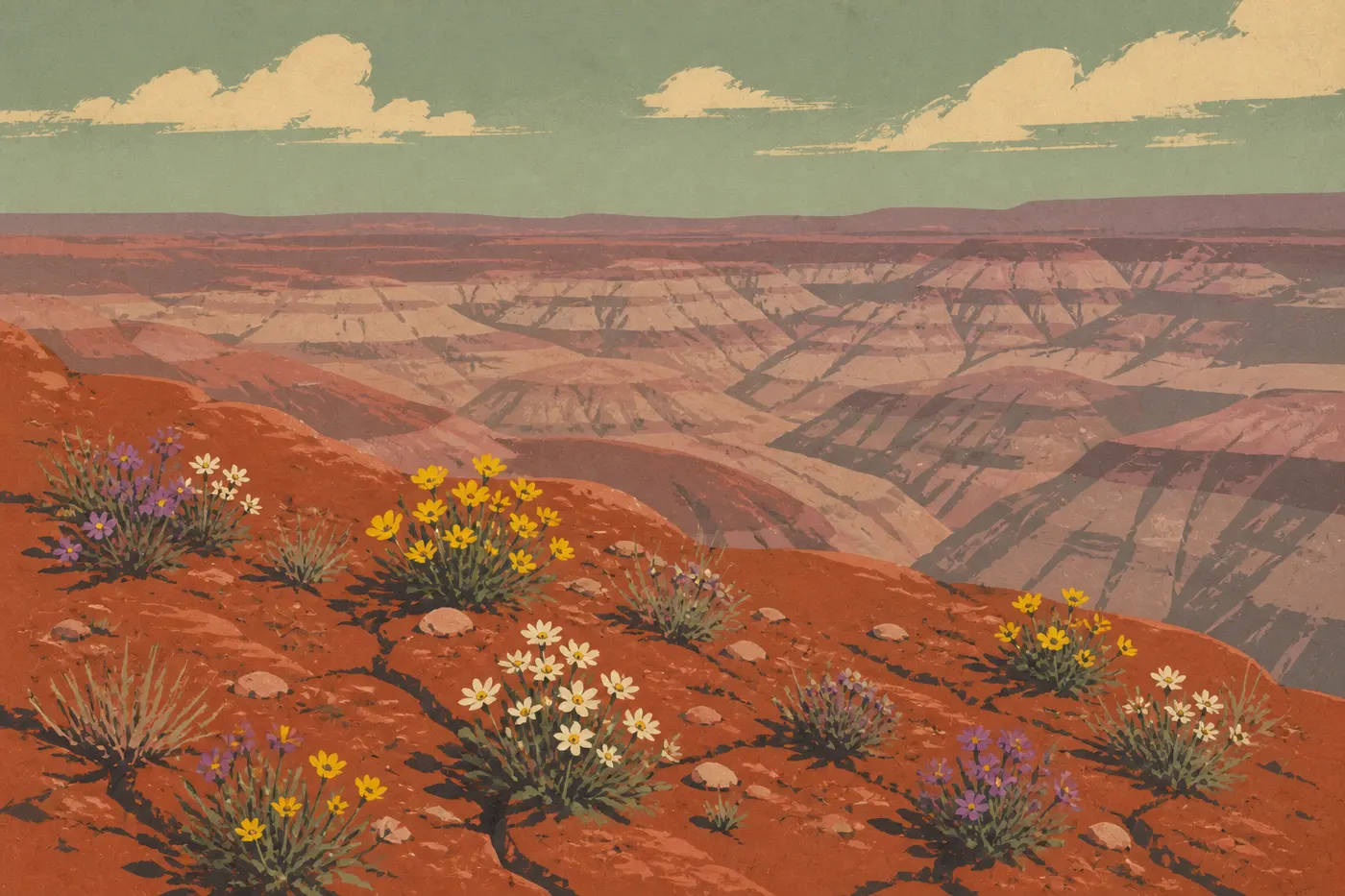
March arrives windy. Gusts can exceed 37 mph along the ridges, lifting fine bentonite dust that stings your eyes. A neck gaiter remains essential in your hiking kit. Starting in April, the wind eases and daytime temperatures settle between 68°F and 77°F, ideal for exploring the trails. Nights stay cool, around 41°F in April, so bring a warm layer for sunrise over the Painted Desert.
Wildlife: American pronghorns become more active in spring and can be seen in grasslands along the park boundary. Lizards, including the highly photogenic collared lizard, resume basking as soon as the ground warms up. Migratory birds pass through in April and May. California condors sometimes fly over the mesas, an unforgettable sight.
Roads and access: Park Road, which runs 30 miles north to south, is fully open in spring, subject to occasional weather-related conditions. You don't need a special permit or timed entry reservation. Come and go at your own pace.
Crowds: Moderate in March and April, then gradually higher in May as U.S. school vacations begin. Memorial Day weekend brings a spike, so if you can avoid those three days, you'll have a more comfortable visit.
Summer (June-August): Heat and Precautions
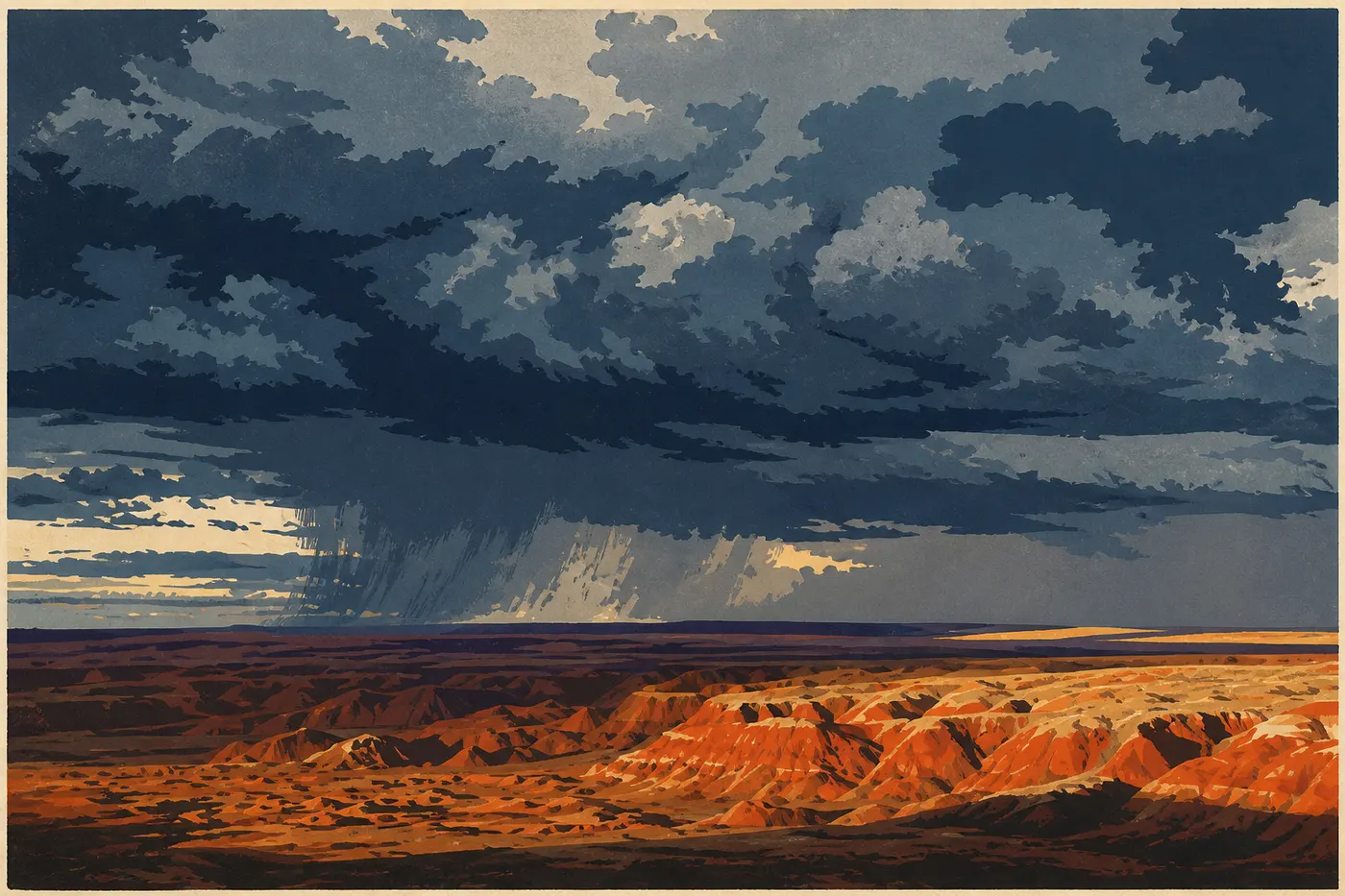
June is the hottest and driest month. It's not unusual for temperatures to top 95°F around midday on the scenic road, with virtually no meaningful shade. The rule is simple: start before 9 a.m., find shade between 11 a.m. and 3 p.m., and head back out in the late afternoon.
Starting in mid-July, monsoon season changes the atmosphere completely. Storms form quickly over the mesas and can be severe, bringing lightning, torrential rain, and sudden runoff in the washes. The NPS recommends avoiding open areas and high ground as soon as the sky darkens to the west. Bentonite trails become extremely slippery, even with good trail shoes.
Wildlife: Rattlesnakes are active in summer. Watch the ground near rocks, and never put your hand into a crevice. Wildlife remains visible early in the morning, before the heat drives it into the shade.
Roads: Park Road stays open, but some secondary trails may close temporarily after heavy rain. Check access conditions on the NPS website the day before you go.
Crowds: This is peak U.S. tourist season. The parking lots at major viewpoints such as Blue Mesa and Crystal Forest can be crowded from July through August.
Fall (September-October): The Favorite Season
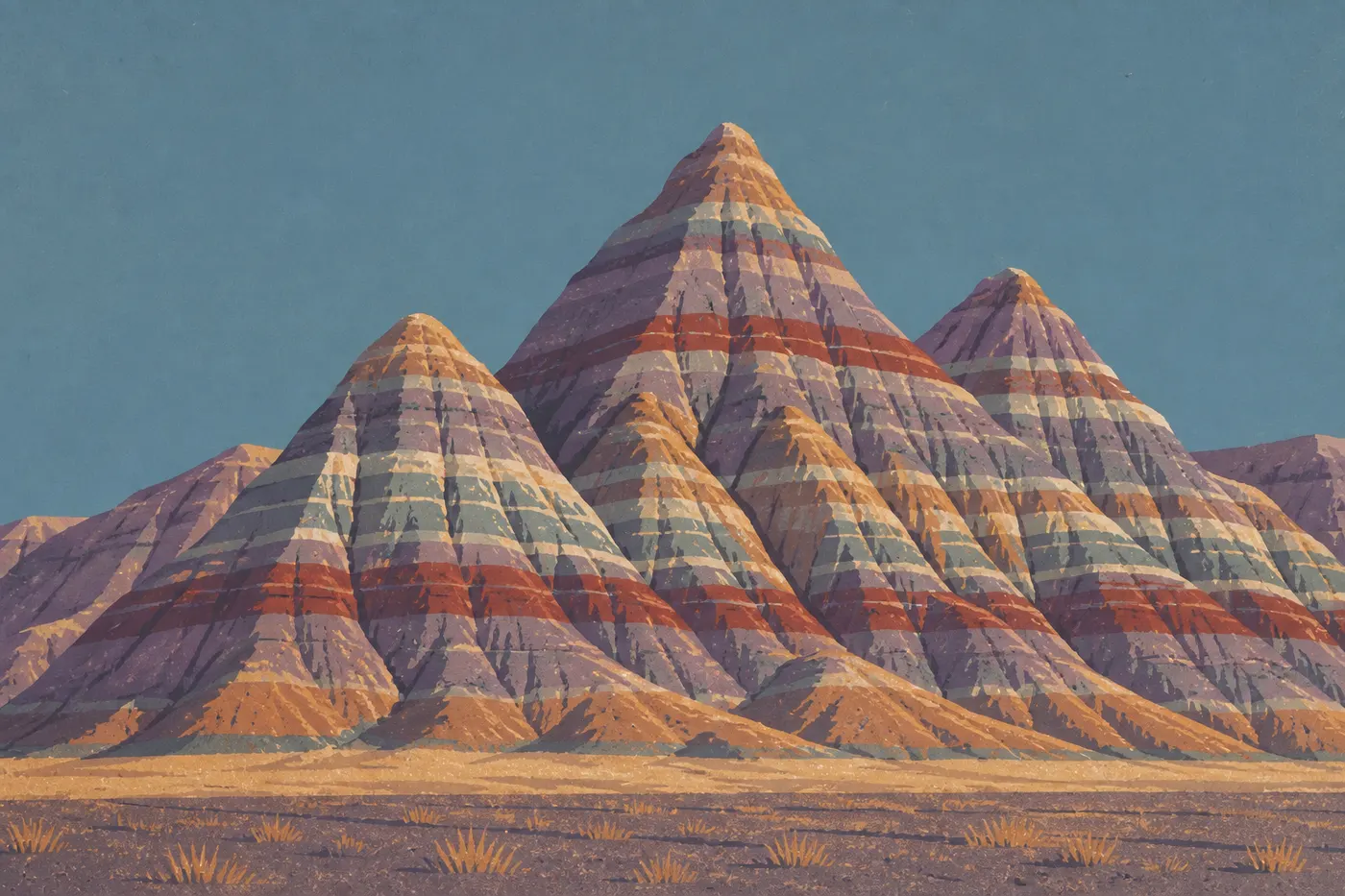
Monsoon season usually retreats around mid-September. Daytime temperatures fall to a comfortable 68 to 81°F in September and 59 to 73°F in October, while the light takes on the low, warm quality photographers watch for all year. In October, days range from 43°F at night to 73°F in the afternoon. Bring a jacket at the start, then switch to a T-shirt after your first coffee.
This is our favorite season, and more and more savvy travelers agree. You'll see more people than you would in winter, but you'll still be far from July's lines.
Wildlife: Pronghorns enter the rut in October and can sometimes be seen at close range in the surrounding grasslands. Raptors such as Swainson's hawks and peregrine falcons migrate south in September. The thermals above the rock formations make them excellent subjects for binoculars.
Roads: All roads are open in optimal conditions. This is the season with no surprises.
Winter (November-February): Have the Park to Yourself
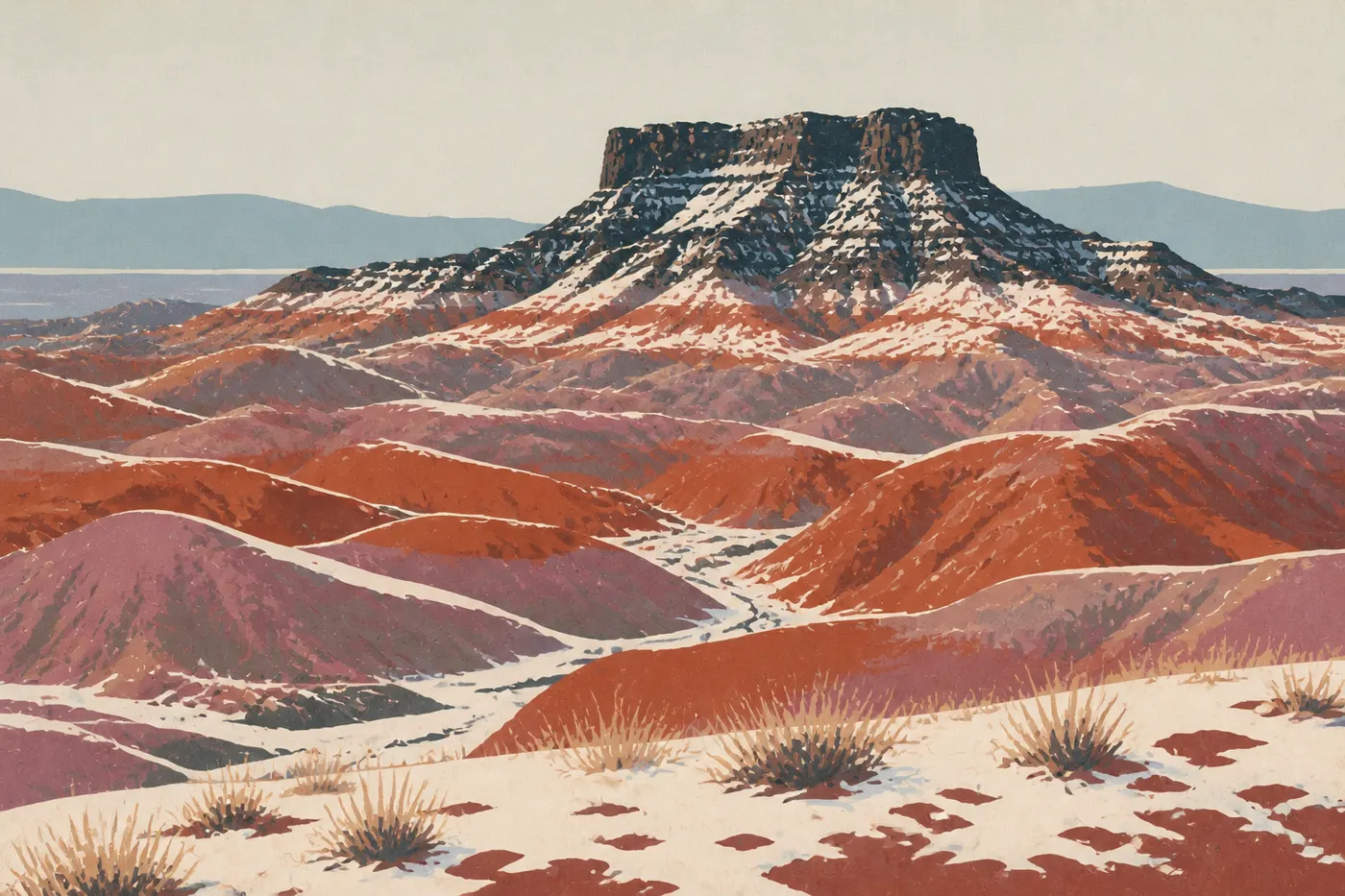
December and January are cold, with average lows around 25°F and sometimes much colder. Snowfall, though irregular, transforms the park. An inch of snow on the petrified logs and Painted Desert badlands creates images you won't find the rest of the year.
Services are reduced. The visitor center closes earlier, and some facilities limit their hours. The park closes completely on Thanksgiving and December 25. Check the schedule on the official NPS website before you go.
Crowds: Almost nonexistent outside of holidays. You may have Crystal Forest to yourself at sunrise, which is rare in an American national park.
Crowds: When to Avoid the Crowds
Petrified Forest draws far fewer visitors than its nearby neighbors, including Grand Canyon, Zion, and Arches, but holiday weekends still deserve your attention.
| Period | Crowds | Advice |
|---|---|---|
| January-March | Very light | Watch for Spring Break in mid-March |
| April-May | Moderate to heavy | Avoid Memorial Day weekend in late May |
| June-August | Heavy | Arrive before 8 a.m. or after 4 p.m. |
| September-October | Moderate | October offers an excellent balance of comfort and quiet |
| November-December | Very light | Avoid Thanksgiving and Christmas, when the park closes |
In summer, here's a practical tip. The main overlook parking lots are nearly empty by 7:30 a.m. The morning light is better anyway.
Best Time to Visit on a Budget
Admission costs $25 per vehicle, $20 per motorcycle, or $15 on foot or by bicycle. The park-specific annual pass costs $45. If you're visiting several national parks during the year, the $80 America the Beautiful pass covers all federal recreation sites and pays for itself starting with your second park.
Petrified Forest has no lodging inside the park. Holbrook, about 45 minutes north on I-40, has most of the options. You'll find affordable chain motels there, with rates that rise on U.S. school-holiday weekends but remain reasonable the rest of the time.
Budget tip: October offers the best conditions at the best price. For the lowest lodging and airfare, January and February, outside busy weekends, are the most economical window. The places to stay around Petrified Forest page breaks down seasonal price ranges.
The Best Time for Your Travel Style
Photography: Fall, from September through October, or winter after a snowfall. The golden light on the Painted Desert and chalcedony logs is exceptional during these seasons.
Hiking: Spring, from April through May, or fall, from September through October. Summer heat and monsoon storms make trails uncomfortable or even dangerous around midday. The Petrified Forest hikes page includes difficulty levels and durations.
Families: Spring, from April through May, brings mild temperatures and long days, well away from June's heat and July and August's unpredictable storms. Our family visit guide points you toward kid-friendly sites.
Wildlife viewing: Spring, when pronghorns are active and migratory birds and lizards are out, or October, during the pronghorn rut and raptor migration. The wildlife of Petrified Forest page covers the seasons one by one.
Tight budget: Travel outside U.S. school vacations, which means avoiding July, August, and Memorial Day. January through March offers the lowest lodging prices and an authentic winter experience.
Solitude: Winter, from December through February, outside the holidays. The park is yours.
In Summary: The Best Time for Your Travel Style
| Travel style | Ideal period |
|---|---|
| Photography | October or winter after snow |
| Hiking | April-May or October |
| Families | April-May |
| Wildlife viewing | April-May or October |
| Tight budget | January-March, outside busy weekends |
| Solitude | Winter, outside the holidays |
Our overall recommendation remains October for a first visit. Conditions are nearly perfect across the board. If you're planning a larger road trip through the Southwest, Petrified Forest combines naturally with Monument Valley or Canyon de Chelly, both less than three hours away by car. The Regions section will help you plan the route.
The Worst Time to Visit Petrified Forest
June through mid-July combines the calendar's main drawbacks: dry heat that regularly tops 95°F around midday, no shade at all on exposed trails, and summer crowds at the main overlook parking lots. The park has no hurricane or mosquito concerns, but the combination of heat, overhead sun, and wind can quickly become exhausting, especially for young children and anyone sensitive to heat. A June visit is still possible if you limit hikes to the morning.
Mid-July through late August adds monsoon storms. They're violent, fast, and unpredictable in the afternoon, making bentonite trails impassable after rain and exposing open areas to lightning. If your schedule leaves you no choice, plan every outing before 11 a.m. and be willing to skip stormy afternoons on the trails. Flash floods in the washes are the only serious danger in the park during this season.
Frequently Asked Questions
When is the best time to visit Petrified Forest?
The best time to visit Petrified Forest National Park is fall, especially October, thanks to mild temperatures from 43 to 73°F, beautiful photographic light, and moderate visitation. Spring, from April through May, offers very similar conditions, along with the added wildlife activity of spring.
Is the park open year-round?
Petrified Forest is open year-round, with two exceptions. It closes completely on Thanksgiving and December 25. Outside those two days, you can enter in any season. Visitor center and Painted Desert Inn hours vary by season, so check the official NPS website before you leave.
Can you visit Petrified Forest in winter?
Absolutely. Winter is a favorite for travelers looking for solitude. Visitation is at its lowest, lodging prices in Holbrook are reasonable, and a snowfall transforms the park into a unique landscape. Bring warm clothing, with nights below 25°F and days around 41 to 48°F, waterproof shoes if snow is in the forecast, and check for closures on Thanksgiving and December 25.
When is peak season at Petrified Forest?
Peak season runs from June through August, with the highest crowds in July and August during U.S. summer vacation. Parking lots at major viewpoints such as Blue Mesa and Crystal Forest can fill up by midday. To avoid the crowds, arrive before 8 a.m. or return after 4 p.m. Petrified Forest remains far less crowded than Grand Canyon or Zion, even in midsummer.
What is the least crowded month?
January and December are the least crowded months, with fewer than 10,000 visitors each. February and November are in the same range. If you really want the park to yourself, still avoid December 25, when it closes, and Thanksgiving. Outside those two days, you can explore Crystal Forest or Blue Mesa without seeing anyone at sunrise.
How much does it cost to enter Petrified Forest?
Admission costs $25 per vehicle, $20 per motorcycle, or $15 per person on foot or by bicycle. The park's annual pass costs $45. The $80 America the Beautiful pass covers all federal national parks and pays for itself starting with your second park of the year. For admission and annual-pass prices, see the National Park Fees & Passes page.
How long does it take to visit Petrified Forest?
Allow half a day to drive Park Road and stop at the main overlooks. A full day lets you add two or three trails and spend time watching wildlife. Our Itinerary & Duration page offers half-day, full-day, and one-and-a-half-day itineraries.
When is the best time to visit the American West?
The best times to visit the American West are spring, from April through May, and fall, from September through October. These two windows combine comfortable temperatures with manageable crowds in most parks. The Regions section provides guidance by destination.