
Weather in North Cascades: Forecast, Climate, and Current Conditions
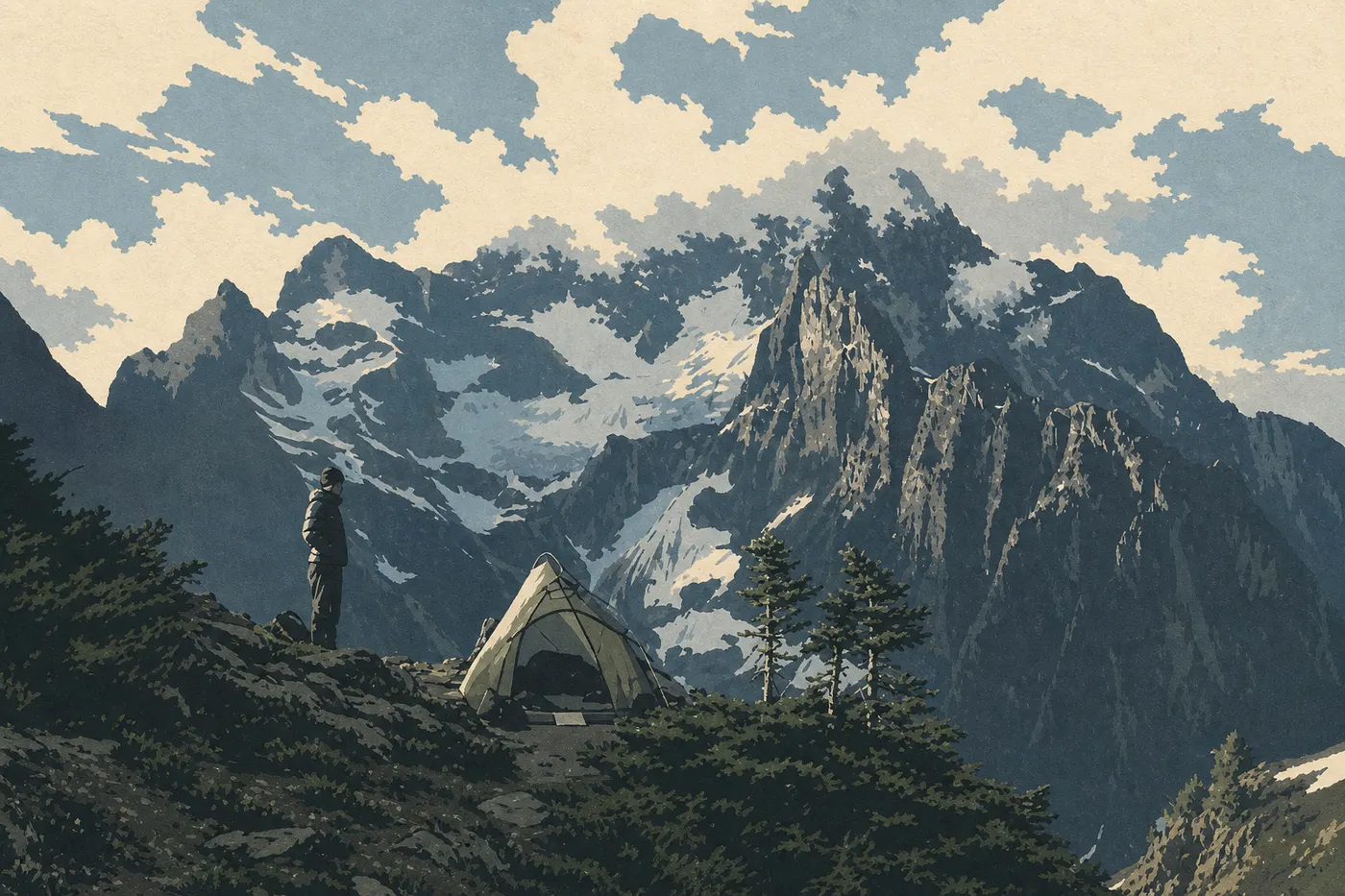
The North Cascades have some of the most sharply divided weather patterns among America's national parks. The west side is one of the wettest parts of the country, with more than 59 inches of precipitation each year. Protected by the rain shadow, the east side turns almost desert-like by July. Between the two, there's an ideal window from mid-June through late September, with days reaching 70-79°F on the west side and as high as 99°F in Stehekin on the east side. Outside that window, conditions quickly become alpine, and the North Cascades Highway closes every winter.
Current readings are unavailable. See the seasonal averages farther down this page.
Open-Meteo readings · updating… · park time zone
North Cascades Climate Month by Month
The table below reflects conditions on the west side, around Newhalem, which is colder and wetter. In Stehekin and on the east side, expect summer temperatures 9-14°F warmer and about half as much precipitation.
| Month | High | Low | Precipitation | Snow at Elevation |
|---|---|---|---|---|
| January | 39°F | 30°F | Very high | Heavy |
| February | 43°F | 32°F | High | Heavy |
| March | 48°F | 36°F | High | Receding in the valley |
| April | 55°F | 39°F | Moderate | Persists above 4,900 feet |
| May | 63°F | 45°F | Moderate | Active melt |
| June | 70°F | 50°F | Low to moderate | Remaining above 5,900 feet |
| July | 79°F | 55°F | Low | Main trails clear starting in mid-July |
| August | 79°F | 55°F | Low | Almost none |
| September | 70°F | 48°F | Moderate | First snow possible at elevation |
| October | 57°F | 41°F | High | Common above 3,900 feet |
| November | 45°F | 34°F | Very high | Snow builds gradually |
| December | 39°F | 30°F | Very high | Heavy, roads closed |
Indicative averages for the west valley (Newhalem). The east side (Stehekin) is noticeably warmer and drier in summer.
Is North Cascades Cold? Records and Extremes
The North Cascades are serious mountains. At elevation, temperatures drop below 5°F in winter, and wind makes it feel much colder in the steep valleys. The passes regularly accumulate several feet of snow over the course of the season. At the other extreme, Stehekin has scorching summers. The NPS reports summer temperatures in the 90s, or roughly 90-99°F. Spring can be deceptive: 59°F in the valley may coincide with a snowstorm at 6,600 feet.
What to Wear by Season
West side, July-August: Wear lightweight clothes during the day, but pack a light fleece and a compact rain jacket. Temperatures drop quickly at elevation, and storms can roll in without warning.
Stehekin and the east side in summer: Bring maximum sun protection, including SPF 50+ sunscreen, a hat, and sunglasses. Plan on 2 to 3 liters of water per person for a day hike. Water sources are scarce on exposed trails.
Spring and fall: A layering system is essential. Wear a technical base layer, fleece, and a waterproof, windproof jacket. The same trail can shift from sun to mud to patches of leftover ice within a few miles.
Winter: These outings are for experienced users only. Bring crampons, snowshoes, or backcountry skis depending on your objective, along with full winter mountain gear. Weather can change very quickly.
Alerts and Conditions to Watch
SR 20 closures. The North Cascades Highway closes every winter along its central section, between the Diablo area and Early Winters. The Washington State Department of Transportation (WSDOT) publishes the spring reopening date, and the NPS provides updates. Check before you leave. Missing a closure can add several hours of driving.
Summer thunderstorms. They occur mostly between 2 and 5 p.m. Above treeline, head down before noon as soon as the sky turns unstable. Lightning can strike ridges and alpine lakes without warning.
Spring flooding. Rapid snowmelt can send the Skagit and Cascade River over their banks. Some campgrounds and valley-bottom trails may be temporarily cut off, so check NPS alerts before reserving a site.
Wildfire smoke. Especially in August, smoke from fires in Washington State or British Columbia can worsen air quality within hours. Check the AQI if you have respiratory sensitivities. On some days, high-elevation hikes aren't recommended.
Frequently Asked Questions
When does it snow in North Cascades National Park?
Snow begins at elevation as early as October, and the passes stay snow-covered through July, sometimes later. In the valleys, snow typically falls from November through March. The closure of the North Cascades Highway (SR 20) is the most reliable sign that winter conditions have arrived.
Does it get very cold in North Cascades?
At elevation and in winter, yes. Temperatures drop below 5°F, and wind makes it feel even colder. On the west side, summer days stay moderate at 70-79°F, but evenings cool off quickly. In Stehekin on the east side, summer can be genuinely hot, reaching 99°F.
Why don't more people visit the North Cascades?
Several factors add up. The North Cascades Highway is closed for about six months of the year, there's no major airport nearby, and services in the park remain very limited. The west side is also one of the rainiest parts of the contiguous United States. Those very obstacles are what preserve the area's wild character. The guide to getting to the North Cascades lays out the routes so you can get there without surprises.