
What to Do in North Cascades: Top Sights and Activities
North Cascades is the park known as the “American Alps.” More than 300 glaciers cling to peaks rising above 8,900 feet, lakes shine an almost edited-looking turquoise, and an entire valley can only be reached by ferry. The result is one of the least-visited parks in the United States and one of the most intense wilderness experiences in the Pacific Northwest.
Here are the three highlights to keep in mind first: stop at the Diablo Lake overlook on the North Cascades Highway, cross to the remote Stehekin Valley, which is accessible only by boat, and take an alpine hike with direct glacier views from the SR 20 corridor. Everything else is a bonus.
North Cascades at a Glance: Areas, Access, and Getting Around
The “park” in the strict sense is actually an administrative complex called the North Cascades National Park Service Complex, made up of three separate units.
North Cascades National Park itself covers two mountain blocks on either side of SR 20. It is the most highly protected area, with few roads and access mainly on foot.
Ross Lake National Recreation Area lies between the park’s two blocks along the SR 20 corridor. This is where you’ll find the overlooks, drive-up campgrounds, and most visitors passing through.
Lake Chelan National Recreation Area makes up the southern unit. Its only point of entry is Stehekin Valley, perched at the far end of Lake Chelan. No road reaches it from outside.
The North Cascades Highway (SR 20) is the only road crossing the complex from west to east. You can reach it from Burlington to the west, where it connects with Interstate 5 at Exit 230, or from Twisp and Winthrop to the east via US 97. The road is generally open from April through November, depending on snow conditions. It closes every winter between the two passes.
You’ll explore this park by car and on foot. There’s no shuttle along the SR 20 corridor. For opening hours, logistics, and transportation options to Stehekin, the park access guide gathers all the practical information.
How Much Time Do You Need to Visit North Cascades?
Two days are enough to cover the main sights along the SR 20 corridor: Diablo Lake, Washington Pass, and the short trails starting from the highway. It’s a solid visit and enough for a first look.
Three to five days give you time to include Stehekin. The ferry from Chelan takes at least one night on site; with a second night, you can start hiking at higher elevations from the valley.
A full week is for hikers who want to string together alpine trails and explore Ross Lake by kayak over several days. That’s when the park really reveals its depth.
If you’re looking for a ready-made itinerary, the North Cascades itinerary guide offers trips organized around your schedule, from a short week to an extended stay.
Top Sights by Area
The SR 20 Corridor: Overlooks and Hydroelectric Towns
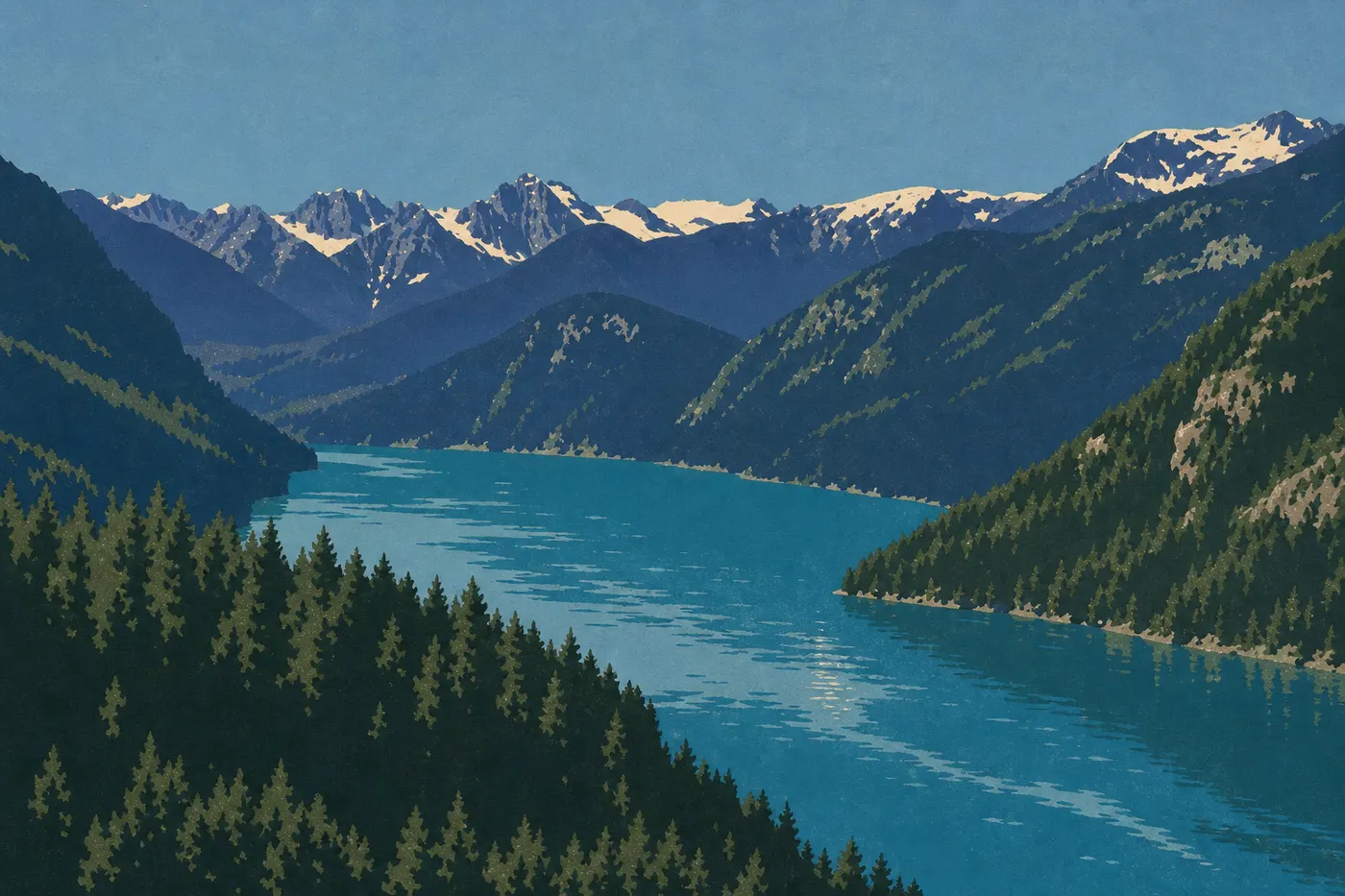
The North Cascades Highway is an attraction in its own right. Along the roughly 109 miles between Burlington and Winthrop, the road climbs through dense conifer forests, follows deep gorges, crosses two passes, and opens onto striking views. Allow at least four hours if you plan to make real stops, which you absolutely should.
Newhalem is the first logical stop from the west. This maintenance town connected to Seattle City Light’s dams is home to the Newhalem visitor center, open during the operating season, from late May through late September, with dates varying from year to year. Rangers provide reliable information about trail conditions and access. Just behind it, Ladder Creek Falls and its botanical garden, lit up on summer evenings, make for a pleasant 20-minute walk suitable for everyone. At night, the lighting is both kitschy and charming.
Gorge Lake and Diablo Lake: beyond Newhalem, SR 20 follows these two artificial lakes in succession. They were formed by Seattle City Light’s dams. The Diablo Lake overlook, accessible from a parking area on SR 20, is the park’s must-see photo stop. The water’s intense turquoise color comes from pulverized rock particles ground down by glaciers upstream and held in suspension in the lake. The shade changes with every kind of light, so give yourself time to enjoy it. In summer, parking is already tight by 9:30 a.m. Arrive early or late in the afternoon.
Ross Lake Overlook: a few miles past Diablo Lake, another overlook looks out over the Ross Lake reservoir. The lake stretches 36 miles north to the Canadian border. From the road, you’ll see only a narrow strip. To really explore it, you have to get down to the water.
Rainy Pass (4,860 feet): the first pass you cross from the west, Rainy Pass provides access to the Rainy Lake Trail (2 miles round-trip, with almost no elevation gain). This paved trail follows a creek to a glacial lake surrounded by waterfalls. It’s ideal for families or visitors who don’t want to tackle technical trails.
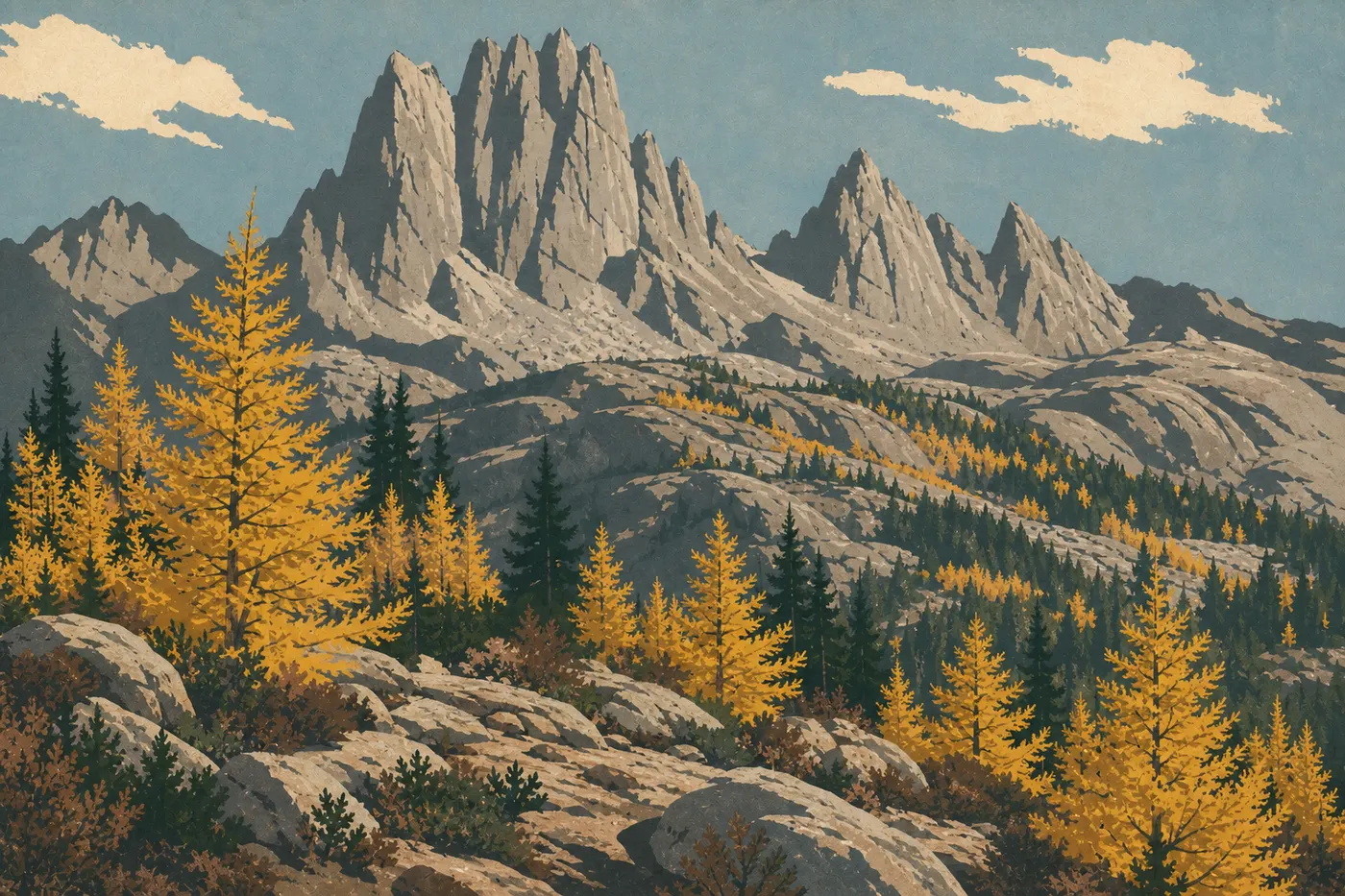
Washington Pass (5,476 feet): a few miles farther east, this is the most spectacular pass along the route. A trail less than a mile long leads to an overlook facing the rock towers of Liberty Bell Mountain and its granite spires. The view comes quickly and dramatically, while the effort is minimal. It’s one of the few places in the park that’s accessible to just about everyone, regardless of fitness level.
Ross Lake: Vastness Without Roads
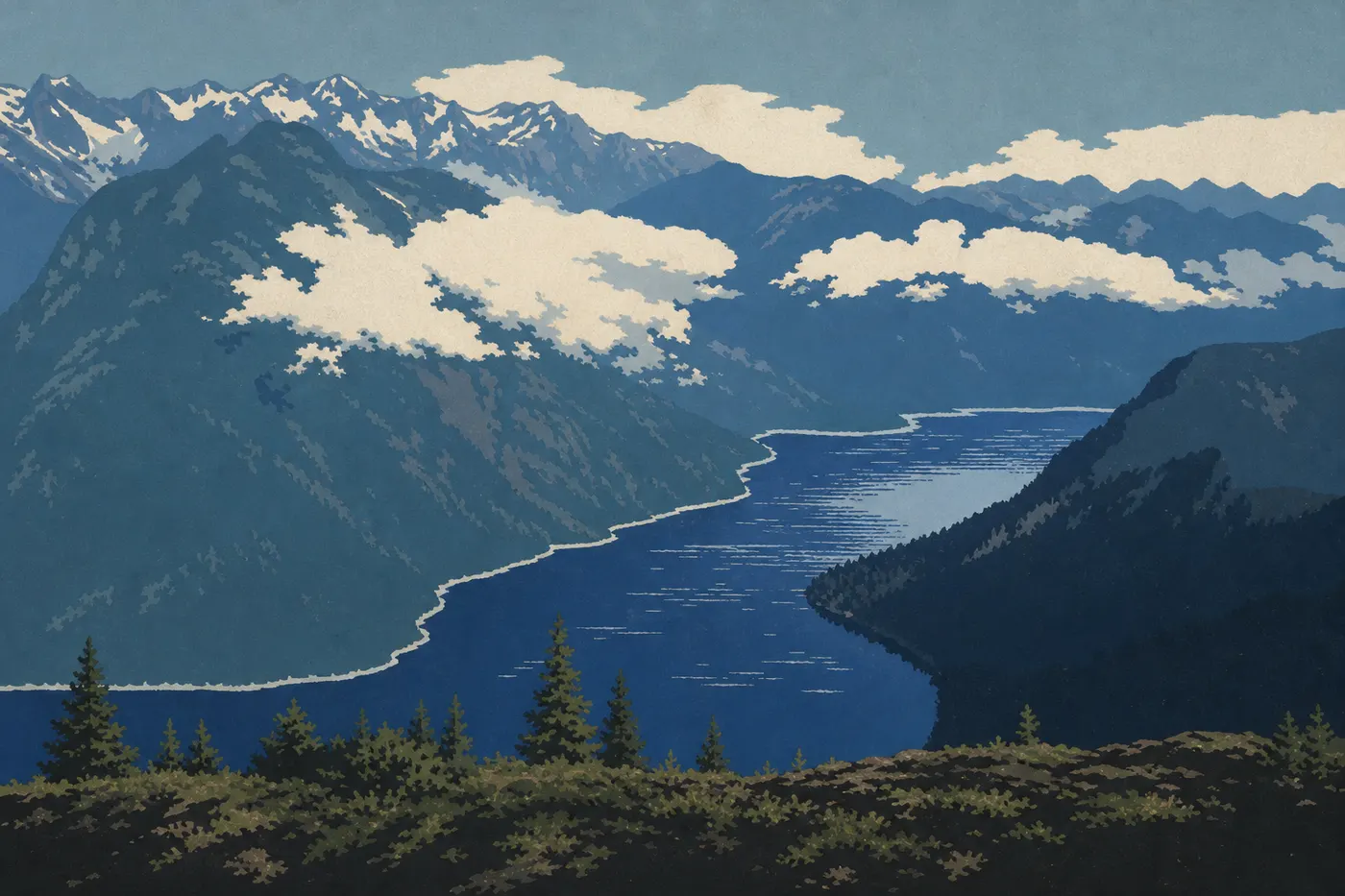
Ross Lake National Recreation Area surrounds the reservoir formed by Ross Dam, built in the 1940s. The lake is one of Washington’s largest bodies of water, and its shores are almost entirely roadless.
To truly reach it, you have two options: hike down from SR 20, along about 1 mile of non-drivable road from a parking area on the highway, or take the water taxi from Ross Lake Resort, which operates from mid-June through mid-October. This floating resort also offers cabins and kayak and canoe rentals. Availability goes quickly, so book several months ahead for a July or August stay.
The area also offers excellent high-elevation hikes from the SR 20 corridor. Thunder Knob (4.3 miles round-trip, about 1,000 feet of elevation gain) works for families with walking-age kids and offers direct views of Diablo Lake from above. More demanding, Sourdough Mountain (roughly 12 miles round-trip, with more than 5,000 feet of elevation gain) is for experienced hikers. The rangers at the Diablo ranger station can confirm it: this is one of the park’s most strenuous hikes, with a 360-degree summit view that fully rewards the effort.
Stehekin: The Roadless Valley
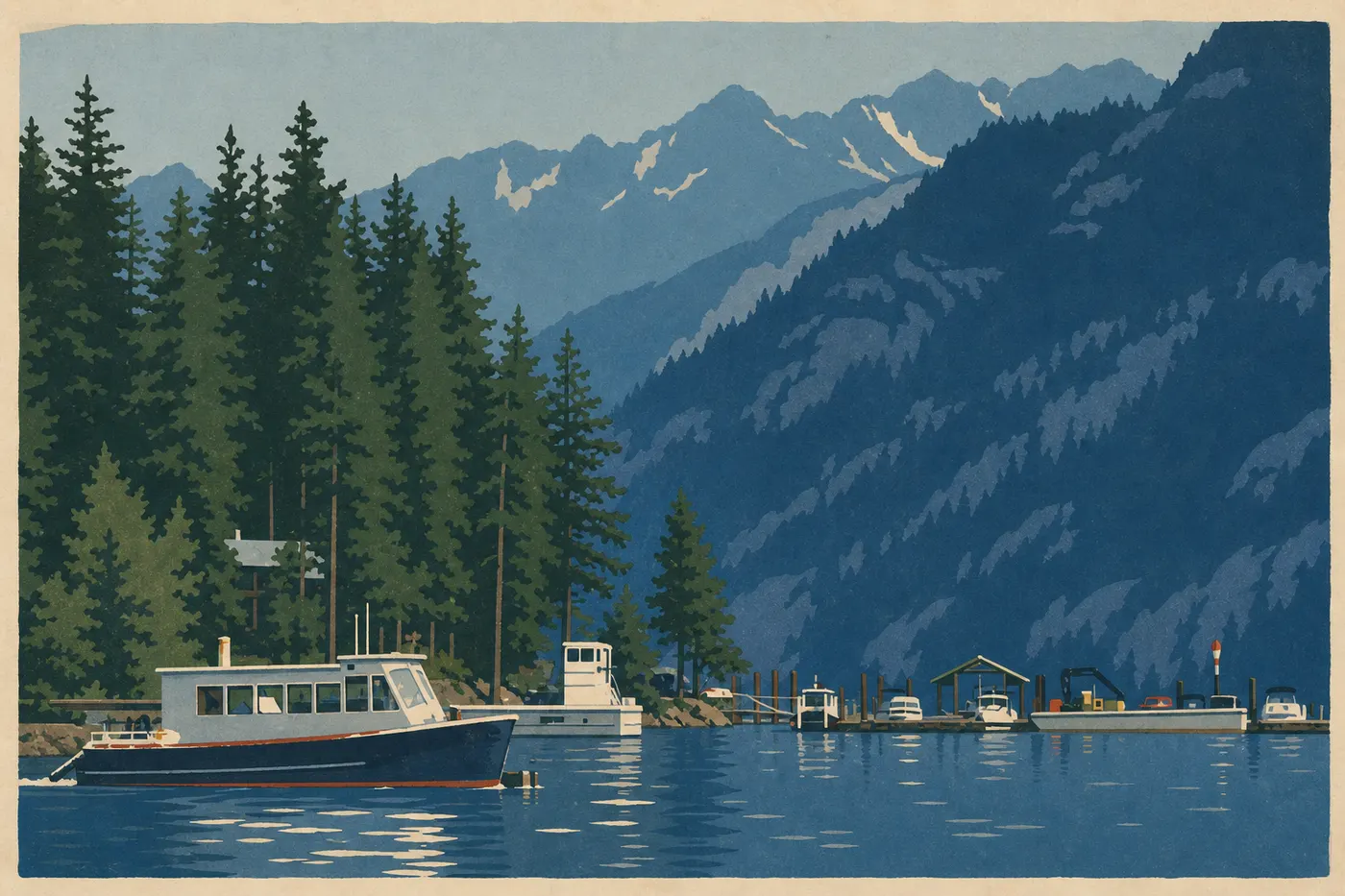
Stehekin is what makes North Cascades truly unique among America’s national parks. This village of a few dozen year-round residents can’t be reached by road or train. You have two ways to get there: take the ferry from the town of Chelan, a roughly four-hour crossing on Lake Chelan with spectacular scenery in its own right, or fly in by seaplane from Chelan or Wenatchee.
That break from the ordinary world is exactly what makes the visit memorable. I spent two nights there in September. The absence of engine noise, the pace of local life, and the glaciated peaks surrounding the valley create a rare sense of decompression.
Once you arrive, a shuttle runs up the valley to high-mountain trailheads, including Rainbow Loop and Agnes Gorge (a flat 5-mile round-trip trail along the Stehekin River). The Golden West Visitor Center, staffed by park rangers, is open during the season to help shape your plans around current conditions.
Because the east side of the Cascades is warmer and drier than the west, Stehekin regularly reaches 90 to 91°F in summer. Bring sun protection and plenty of water, even though the landscape looks more like an alpine forest than a desert.
The East Side: Winthrop and the Methow Valley
As soon as SR 20 crosses Washington Pass heading east, the landscape changes. Ponderosa pines, ocher colors, and clear skies replace the dark, damp forest on the west side. The small town of Winthrop welcomes visitors with Old West-style false-front architecture recreated in the 1970s, a story with an amusing local history, decent restaurants, and several places to stay. It’s the natural logistical base for exploring the park’s east side.
The Methow Valley itself extends slightly beyond the national park boundary, but it serves as the park’s eastern gateway and has a well-developed outdoor culture: hiking, mountain biking, and cross-country skiing in winter on one of the largest Nordic trail networks in the United States. Several long trails into the park’s wilderness areas also start from this side.
The Best Hikes in North Cascades
North Cascades has more than 310 miles of trails across the complex. The overall level is demanding, with few easy hikes in the high country and plenty of serious elevation gain. Most glaciers can only be reached on foot, and that’s exactly what keeps them peaceful.
Here are a few highlights to add to your plans based on your ability:
Maple Pass Loop (7.5 miles, about 1,640 feet of elevation gain): this is the park’s most photographed loop. In fall, from mid-September to mid-October, larches and alpine shrubs turn red and gold against snowy peaks. The trailhead starts at the Rainy Pass parking area. In peak season, the lot fills by 8 a.m.
Rainy Lake Trail (2 miles round-trip, nearly flat): open to everyone, it leads to a glacial lake surrounded by waterfalls dropping from rock walls. It’s perfect for a first hike or for visitors with children.
Thunder Knob (4.3 miles round-trip, 1,000 feet of elevation gain): direct views of Diablo Lake from above. Short and effective.
Chain Lakes Loop (on the park boundary, toward Mount Baker): getting there means heading northwest, but the views of Mount Baker’s glaciers are among the most striking in the region.
For exact difficulty ratings, seasonal trail conditions, and gear advice for each hike, see the full list of trails, ratings, and equipment tips in the North Cascades hiking guide.
Other Activities Based on Your Interests
Kayaking and Boating
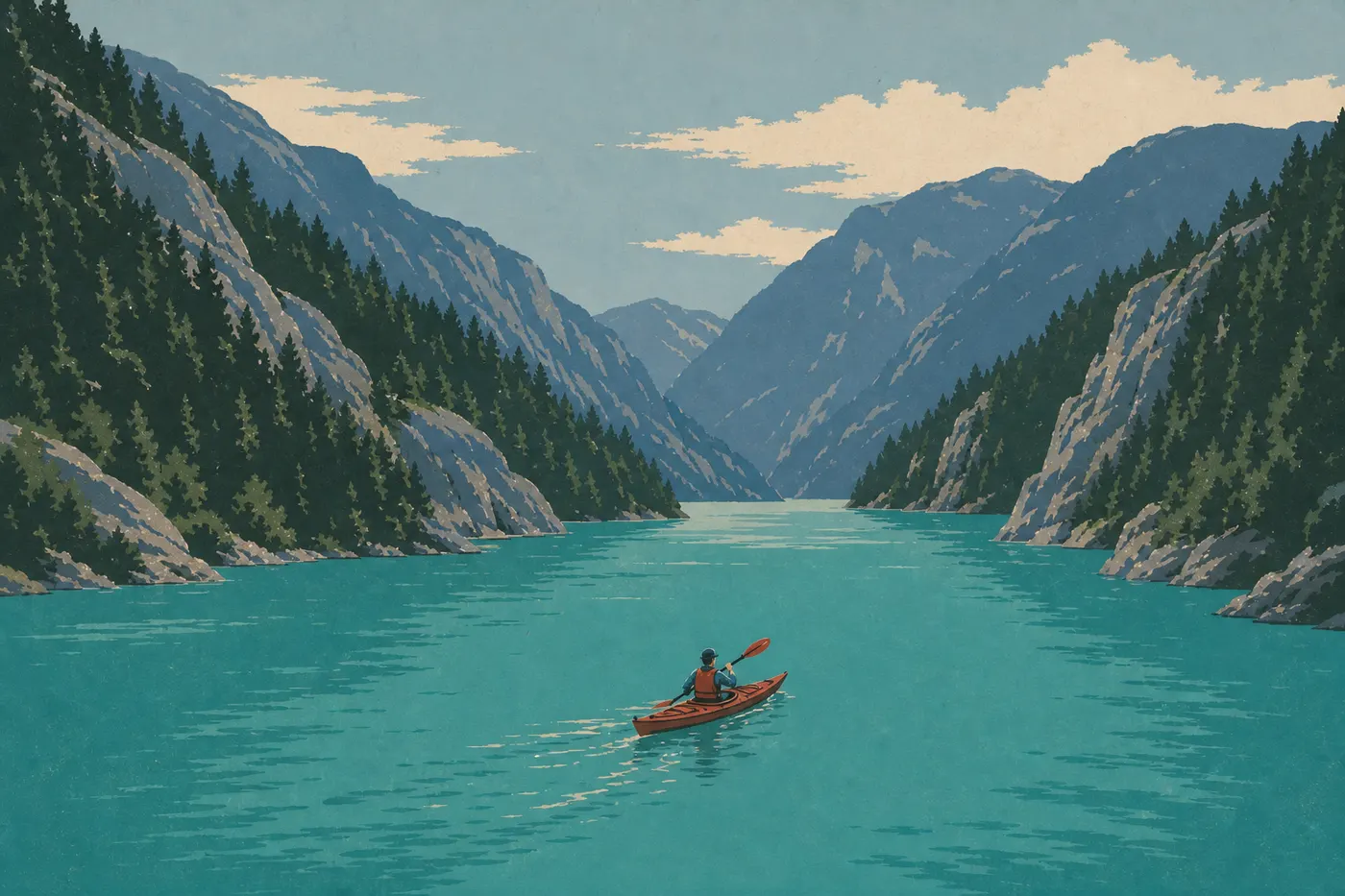
Ross Lake and Lake Chelan are the complex’s two main bodies of water. At Ross Lake, Ross Lake Resort rents kayaks and canoes starting in mid-June. Shoreline campsites can only be reached by boat, which guarantees a full immersion in the landscape. On Lake Chelan, organized boat trips leave from the town of Chelan and Fields Point Landing.
Backcountry boating, including several nights on Ross Lake, requires a camping permit that you must reserve ahead of time through the rangers. Fire and waste rules are strictly enforced, so check the regulations before you leave.
Wildlife Viewing
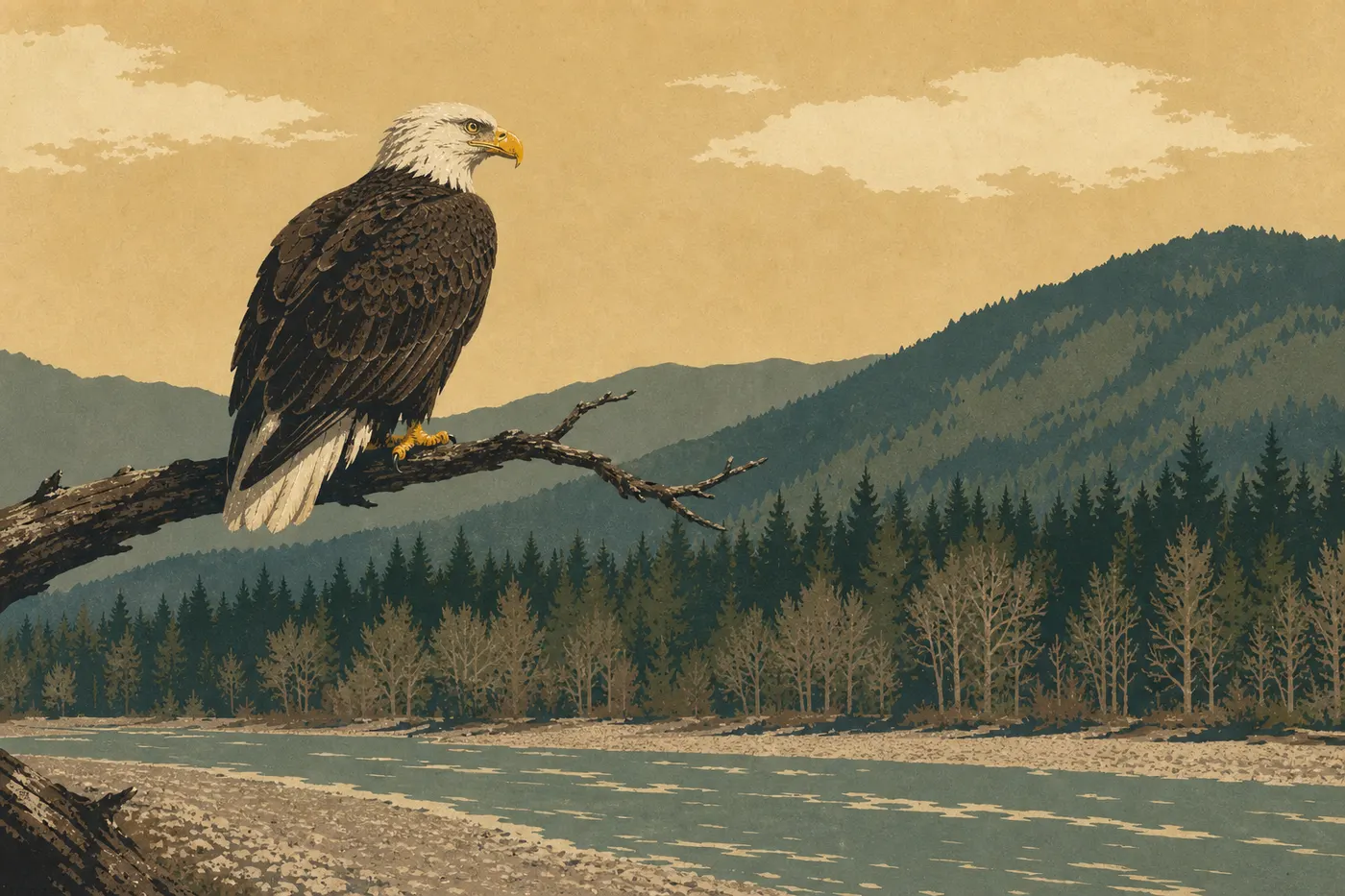
North Cascades is home to remarkable wildlife. Black bears are common, especially in fall when they search for berries before hibernation. The SR 20 corridor and campground surroundings are frequent viewing areas. In alpine areas above 5,900 feet, mountain goats regularly appear on rocky slopes. Wolves have been reintroduced to the Cascades ecosystem over the past several years. Sightings remain rare but do happen.
Bald eagles gather along the Skagit River in winter, drawn by salmon. The river between Newhalem and Rockport is one of the best eagle-viewing spots in the country in December and January.
Dawn and dusk are still the best times to see mammals. The North Cascades wildlife guide covers the species, areas, and viewing calendars.
Landscape Photography
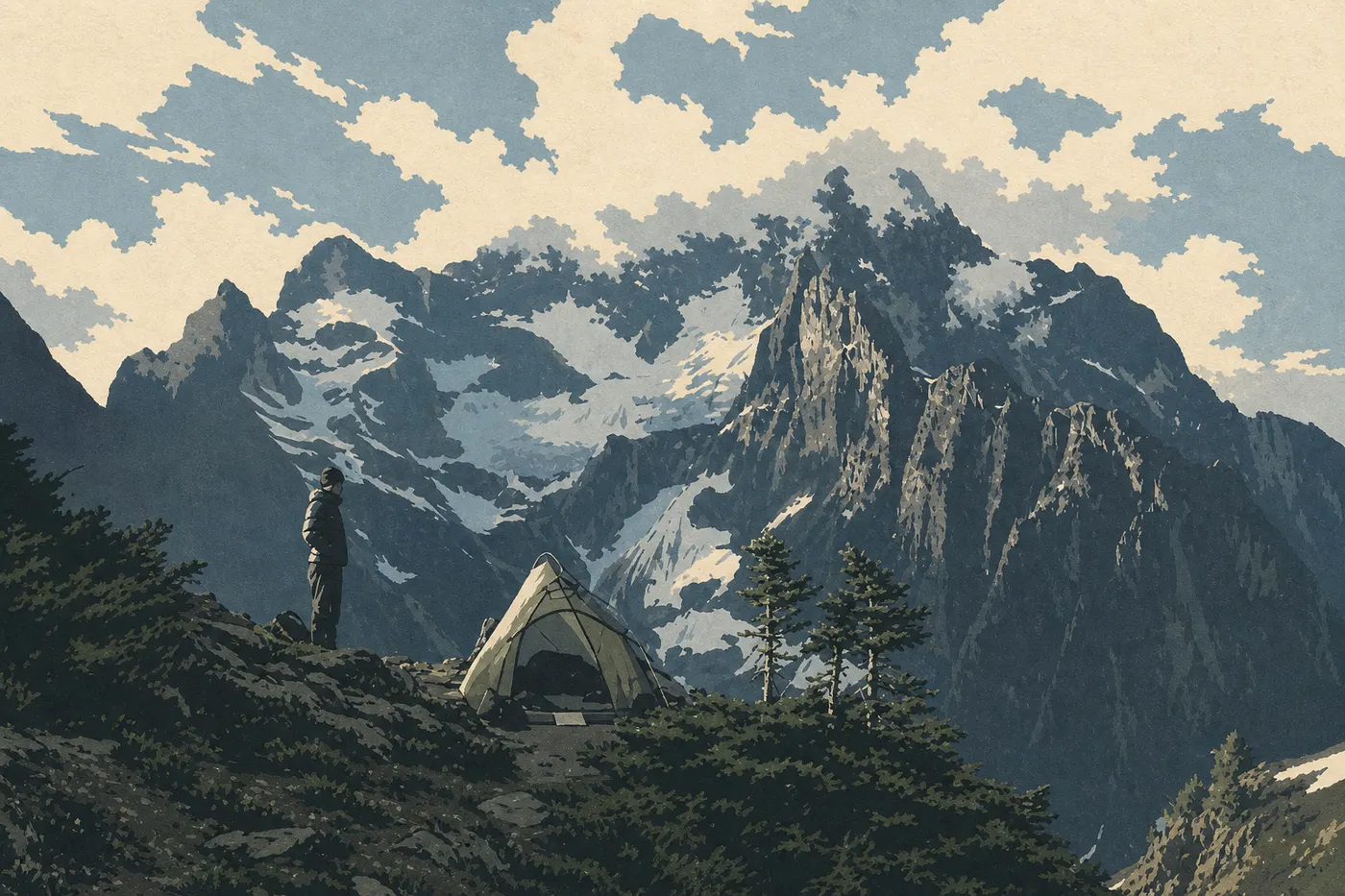
The low morning light on Diablo Lake, as the mist lifts around 8 or 9 a.m., creates exceptional conditions. Washington Pass in late afternoon, with the Liberty Bell towers glowing in golden light, is another classic.
For wildlife photography, the alpine meadows in July and August are active spots, with yellow-bellied marmots, pikas, and sometimes mountain goats.
Visiting with Kids
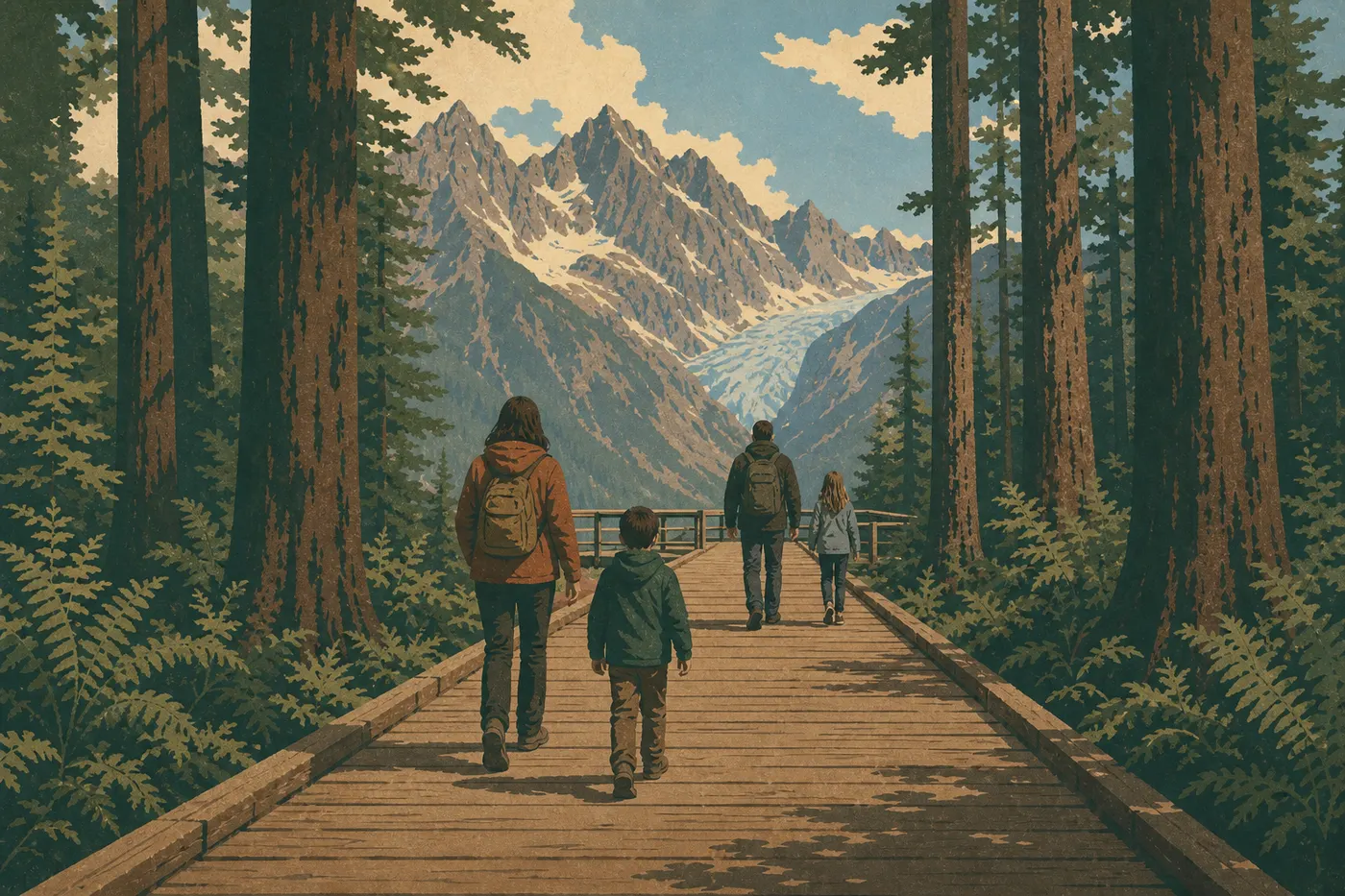
With kids, the short trails along the SR 20 corridor work very well: Rainy Lake Trail, which is nearly flat and 2 miles round-trip; Ladder Creek Falls at Newhalem, a 20-minute walk; and Thunder Knob for older children, starting at around age 10. The Newhalem visitor center offers a Junior Ranger program. Kids receive an activity booklet and an official badge when they complete it. The North Cascades family guide lists activities by age group.
What to Do Around North Cascades
North Cascades fits naturally into a road trip through Washington State.
To the west, Seattle is about a 2.5-hour drive from Newhalem and serves as the natural logistical hub for any visit to the park. Sea-Tac International Airport, major rental-car companies, and everything you need for a mountain trip are there.
To the east, beyond Washington Pass, the Methow Valley and Winthrop open onto the dry highlands of eastern Washington. The scenery and atmosphere are radically different from the Cascades’ wet western side, with noticeably milder summer temperatures.
To the south, Mount Rainier National Park is the region’s great neighboring volcanic peak. A road trip combining North Cascades and Rainier in one to ten days is one of Washington State’s classic loops, passing through Seattle.
To the north, the Canadian border is less than an hour from Ross Lake. British Columbia and its Manning Provincial Park continue the same mountain range as a natural extension of the landscape.
Our regional guide offers ideas for combining parks when planning a trip through the Pacific Northwest.
The Essentials: What to See First in North Cascades
If you only have one day, drive SR 20 from west to east. Stop at the Diablo Lake overlook, continue up to Washington Pass, and finish in Winthrop for dinner. You’ll cross two climate zones and see the highlights of the main corridor.
If you have time, add Stehekin. The ferry trip from Chelan turns a beautiful scenic drive into a true immersion in the park. The remote valley is the most unique part of North Cascades, and the hardest to replicate elsewhere.
North Cascades is worth the trip. The park isn’t as famous as Yellowstone or Zion, but that’s exactly why it remains wild, quiet, and genuine. Few people, no entrance fees, and more than 300 active glaciers make the nature-to-effort ratio hard to beat in the American West.
Frequently Asked Questions
Why don’t people visit North Cascades?
People mainly skip North Cascades because it doesn’t get much exposure. The park receives less media attention than Yellowstone or Yosemite, its main access route, SR 20, closes in winter, and the weather on the west side is unpredictable. The direct result is that crowds stay away, making it one of the best options for anyone looking to escape the busiest national parks.
How much time should you plan for North Cascades?
How much time do you need for North Cascades? At least two days for the SR 20 corridor. Add two nights if you include Stehekin, since the ferry from Chelan requires at least one night there. A full week lets you combine high-country hikes with a kayak trip on Ross Lake. Our Itinerary & Length page offers detailed plans based on your schedule.
Why visit North Cascades National Park?
Why visit North Cascades? For its concentration of glaciers, with more than 300 across the complex, the unreal color of Diablo Lake, the remote Stehekin Valley, and the lack of crowds that defines this park. It’s a destination for anyone looking for a real wilderness experience without packed shuttles and entrance lines at the best-known parks.
What is there to see and do in North Cascades?
In North Cascades, you can drive the North Cascades Highway and stop at the Diablo Lake and Washington Pass overlooks, hike alpine trails such as Maple Pass Loop, kayak on Ross Lake, watch for black bears and mountain goats, and reach Stehekin Valley by ferry from Chelan. This is an outdoors-focused, rugged destination. It offers few tourist facilities, but a level of scenery that few places in the United States can match.
What weather should you expect in North Cascades, and when should you go?
The best weather is usually between mid-June and late September. Summer daytime temperatures on the west side range from 72 to 81°F. High-elevation trails are generally snow-free starting in mid-July. The east side, including Stehekin and Winthrop, is much warmer and drier. Expect 86 to 91°F in July and August. Thunderstorms are common on the west side throughout the season, so always pack a waterproof windbreaker, even in good weather. The When to Visit North Cascades guide breaks conditions down month by month.
Do you need a reservation or entrance ticket to visit North Cascades?
North Cascades doesn’t charge an entrance fee, which sets it apart from most major American national parks. Some activities do require a permit, including backcountry camping and overnight stays on Ross Lake. Frontcountry campgrounds can be reserved in advance on recreation.gov during peak season. For Stehekin, reserve the ferry from Chelan through the Lake Chelan Boat Company, often several weeks ahead for July and August. For entrance fees and annual passes, see the national parks fees and passes page.