
When to Visit North Cascades: Best Time, Weather, and Seasons
The best time to visit North Cascades is mid-June through late September, when the North Cascades Highway is fully open, high-elevation trails are clear, and the days offer reliable sunshine. July and August bring the most visitors. By mid-September, fall colors start to appear and the crowds thin out.
North Cascades stands apart from most national parks because of one practical constraint: SR 20, the only road crossing the park from east to west, closes every winter because of snow and avalanche danger. Planning a trip here means planning around that reality first.
North Cascades Climate Month by Month
The North Cascades range creates a sharp climate divide. The west side, around Newhalem and the Skagit Gorge, is mild and wet, with most of its rain falling from October through April. The east side benefits from a strong rain-shadow effect. Summers there are dry and hot, regularly topping 90°F in Stehekin according to NPS data.
| Month | Low | High | Precipitation |
|---|---|---|---|
| January | 28°F | 39°F | Very high (snow at elevation) |
| February | 30°F | 43°F | High |
| March | 34°F | 48°F | High |
| April | 39°F | 55°F | Moderate |
| May | 45°F | 63°F | Moderate |
| June | 50°F | 70°F | Moderate (thunderstorms possible) |
| July | 55°F | 79°F | Low |
| August | 55°F | 79°F | Low |
| September | 48°F | 70°F | Moderate |
| October | 41°F | 55°F | High |
| November | 32°F | 45°F | Very high |
| December | 28°F | 39°F | Very high (snow at low elevations) |
These are indicative figures for the west side around Newhalem. On the east side, add 10 to 15°F in summer and subtract about 40% from annual precipitation.
For precise climate normals, elevation-by-elevation snow coverage, and real-time forecasts, our North Cascades weather guide brings all the data together.
North Cascades in January
January is the park's most restrictive month: SR 20 is closed to the east, the Newhalem visitor center is closed, snow starts at 1,600 feet on the west side, and precipitation is very heavy. Access is limited to the west side, from Burlington to Newhalem and Diablo. Still, this is an ideal time to watch bald eagles gathering along the Skagit River from several access points downstream of Newhalem, with almost no other visitors around.
North Cascades in February
Conditions remain much like January's: heavy precipitation, abundant snow at elevation, and SR 20 still closed to the east. Bald eagles remain along the Skagit through late February. The days grow noticeably longer, making snowshoe outings in the valleys accessible from Burlington easier, with very few other visitors.
North Cascades in March
Temperatures gradually rise, reaching 48°F on the west side, but SR 20 remains closed and precipitation stays high. Snow recedes from the valleys while lingering at elevation, and wildlife becomes active again: black bears emerge from hibernation, and deer move through the low-elevation meadows. This is a transitional season we recommend only to visitors familiar with access limitations who are ready to stick to the west side.
North Cascades in April
April marks the start of the thaw in the valleys. Low-elevation meadows begin to bloom with lupines and anemones, temperatures reach around 55°F, and precipitation is moderate. SR 20 may reopen in mid-April, but the date varies each year with snow conditions. Check the road status on the WSDOT website before setting out. High-elevation trails remain snow-covered, often into June on north-facing slopes.
North Cascades in May
SR 20 generally reopens fully in May, giving you access to the Washington Pass scenery and Okanogan Valley on the east side. Low-elevation blooms reach their peak, and wildlife is highly active, including black bears, deer, and migratory birds. High-elevation trails remain snowy and require microspikes. Spring thunderstorms are common, so a rain jacket is essential even when the morning starts under blue skies.
North Cascades in June
June opens the season with modest crowds. SR 20 is open, the visitor center is operating, and low- and mid-elevation trails are clear. High-elevation routes may still have snowy stretches early in the month, especially Maple Pass Loop and Hidden Lake Lookout. The days are long, with sunlight lasting until 9 p.m., and lodging prices in the Skagit Valley remain reasonable. It's an excellent choice if you prefer quiet trails to complete access to the high peaks.
North Cascades in July
July is the season's main month: temperatures reach 79°F on the west side, high-elevation trails are generally clear by mid-July, the days are very long, and Junior Ranger programs are active at all visitor centers. Parking lots at popular trailheads such as Maple Pass, Rainy Lake, and Diablo Lake fill by 8 a.m. on summer weekends. Arrive before 7 a.m. or come during the week. Late-afternoon thunderstorms are common at elevation. Start early and get below the ridgelines by 2 p.m. if cumulus clouds begin to form.
North Cascades in August
August brings the year's driest conditions, and all high-elevation trails are accessible without lingering snow, including the more demanding routes to passes and ridges. In Stehekin, daytime temperatures can top 95°F. Crowds reach their peak. If you're visiting in August, get to the trailheads very early or choose less-busy routes than Maple Pass or Rainy Lake for a little more quiet.
North Cascades in September
September is the month we recommend first. Crowds drop sharply after Labor Day, daytime temperatures remain comfortable at around 70°F, and larches followed by the valley hardwoods turn gold and orange starting in mid-September. SR 20 is open and all park services are operating. The first snow may reach the peaks late in the month, creating a striking contrast between fall colors and snowy ridgelines.
North Cascades in October
October brings the most intense fall colors, with exposed slopes transformed into a mosaic of red, orange, and yellow. Precipitation rises again, and snow often settles above 4,000 feet as early as the first half of the month. SR 20 may close at any time from mid-October onward, depending on conditions. Check the road status before every departure. Bald eagles begin returning to the Skagit, heralding the winter spectacle.
North Cascades in November
November marks the park's gradual shutdown. SR 20 usually closes around mid-November under the first major accumulations, and the Newhalem visitor center closes its doors. Even so, this is the best month to watch bald eagles along the Skagit. Their gathering peaks between November and January, and several viewpoints remain accessible from the west side between Burlington and Newhalem. Outside of that specific goal, November is not a good choice for a first trip to the park.
North Cascades in December
December is the most restrictive month of the year: SR 20 is closed, snow reaches the valleys, and west-side temperatures hover near freezing. Stehekin remains accessible year-round by ferry or seaplane from Chelan, but this is a niche trip for people seeking winter solitude. Experienced snowshoers can explore some areas on the west side if they're properly equipped and informed about local avalanche danger.
North Cascades Season by Season
Winter (December to March)
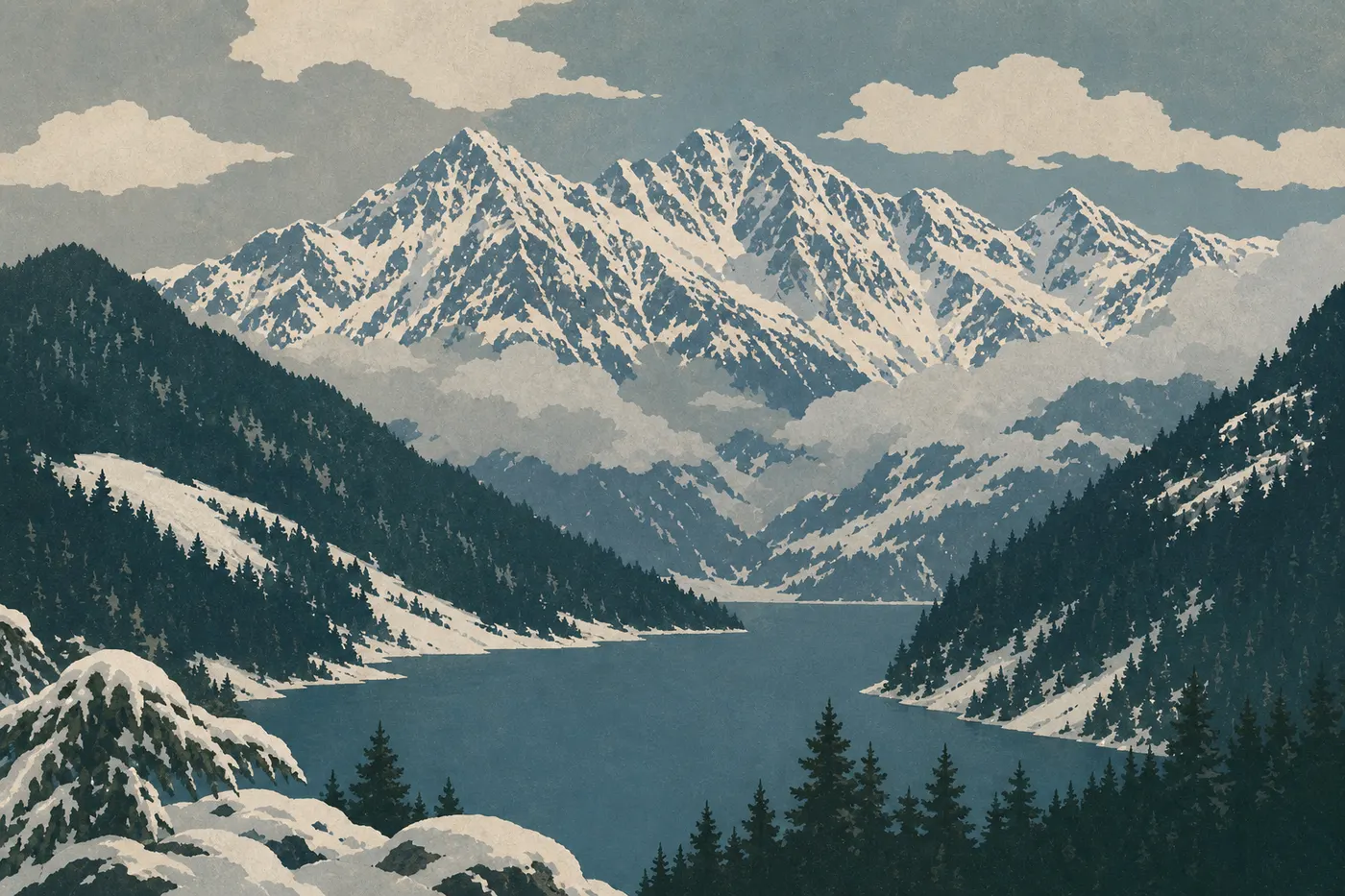
SR 20 closes between Washington Pass and the east side of the park, usually starting in mid-November. Road access to the heart of the range becomes impossible. One notable exception is Stehekin, in the Lake Chelan National Recreation Area, which remains accessible year-round by ferry or seaplane from the town of Chelan, about a four-hour crossing. Nighttime temperatures on the west side frequently fall below freezing, and heavy snow starts at 1,600 feet. The Newhalem visitor center is closed. This isn't the season for a first trip unless you're coming specifically for snowshoeing or eagle watching along the Skagit.
Spring (April to May)
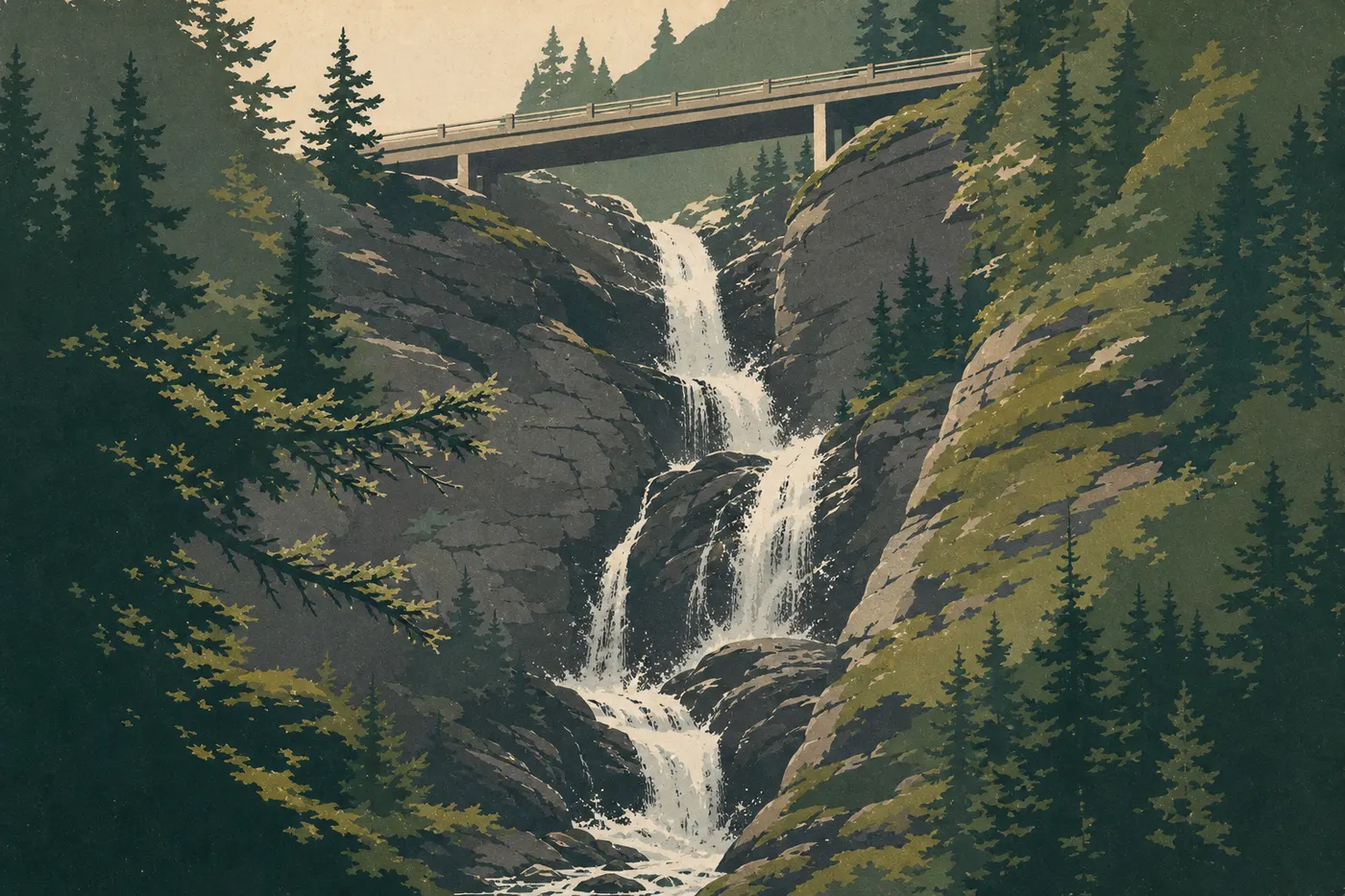
SR 20 gradually reopens as snow conditions allow. The reopening usually comes between mid-April and early May, but WSDOT, the Washington State transportation agency, releases final dates on a case-by-case basis. Check the official road status before setting out.
Spring draws photographers for blooms in the low-elevation meadows, including lupines, anemones, and blazing maples. Wildlife is highly active, especially black bears looking for food after hibernation and deer in the valleys. High-elevation trails remain snow-covered into June, and sometimes early July on north-facing slopes. Bring microspikes if you're heading up in May. Spring thunderstorms are common, so a rain jacket is essential even when the morning starts under blue skies.
Summer (June to September)
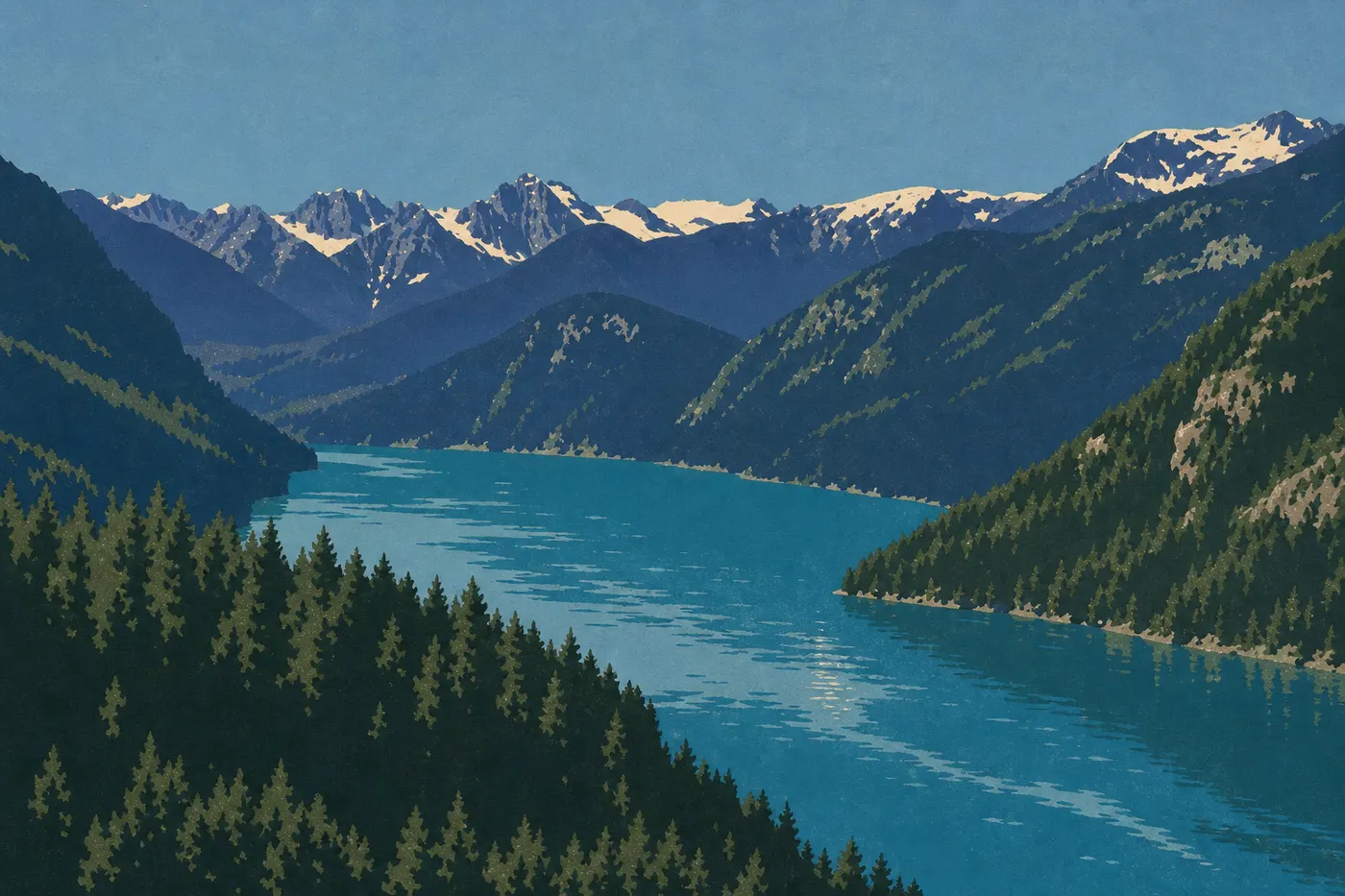
This is the main season. The NPS confirms that the best weather generally lasts from mid-June through late September. Snow leaves most high-elevation trails around mid-July, opening iconic routes such as Maple Pass Loop, Hidden Lake Lookout, and the route to Cascade Pass.
Daytime temperatures range from 70 to 79°F on the west side. In Stehekin, temperatures regularly reach 90 to 95°F in July and August. The days are long, with sunset after 9 p.m. in June and July, leaving a comfortable margin even for late starters.
Late-afternoon thunderstorms are common at elevation. The safety rule is simple: start early and get below the ridgelines by 2 p.m. if cumulus clouds begin to form. As for wildlife, summer is your best chance to see mountain goats on the ridges, deer in clearings, and, with plenty of patience in remote areas, wolves as the population recovery program makes progress. For families with young children, July remains the easiest month. All park services are active and Junior Ranger programs are running at full capacity.
Fall (October to November)
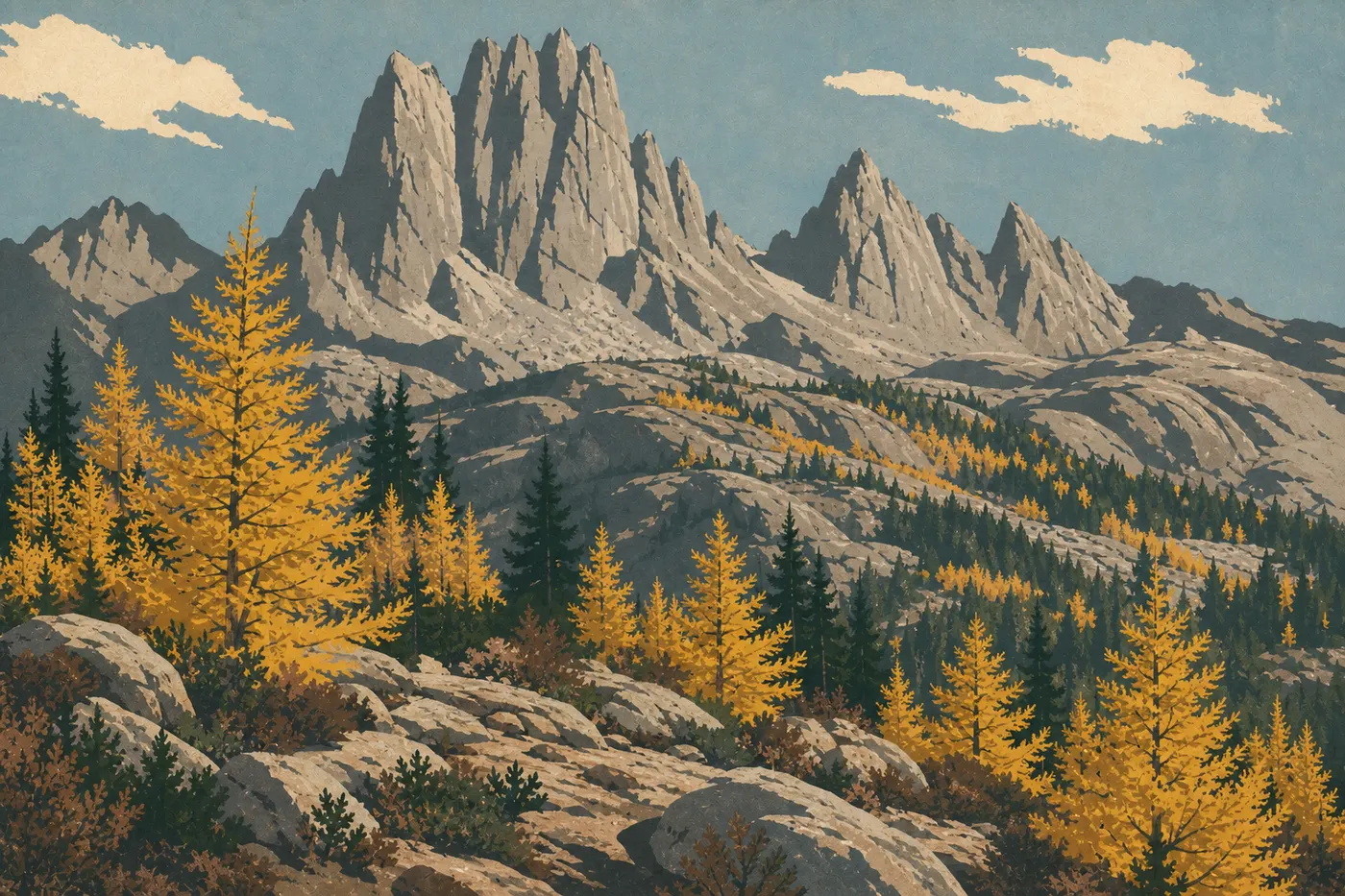
September and the first half of October bring golden light to the larches and hardwood groves in the valleys. Crowds are far lighter than in midsummer, weather conditions are often still favorable, and warm-season thunderstorms have eased. This is the season we recommend if you can shift your trip by a few weeks.
Bald eagles converge on the Skagit River starting in October to feed on spawning salmon. Numbers peak between November and January. You can watch them from access points downstream of Newhalem, even after the interior section of SR 20 closes. SR 20 closes around mid-November as heavy early snow arrives, so plan ahead if you're visiting late in the season.
Crowds: When to Avoid Them
North Cascades is one of the least-visited national parks in the contiguous United States. Even in peak season, crowding is nowhere near the level of Yosemite or Arches. That said, parking lots at popular trailheads such as Maple Pass, Rainy Lake, and Diablo Lake fill by 8 a.m. on July and August weekends.
Here are a few practical benchmarks:
- July and August weekdays: 40% to 50% fewer visitors than on weekends.
- September: Very light crowds, early fall color, and still-mild weather. Our best balance of scenery and quiet.
- June: Few visitors, but some high-elevation trails are still snow-covered.
Avoid the long weekends around Memorial Day in late May, the Fourth of July, and Labor Day in early September if quiet matters to you. Those dates draw visitors from Seattle and Vancouver.
Access by Season
The park's main constraint is the seasonal closure of SR 20. The North Cascades Highway closes every winter between Washington Pass and the eastern lowlands because of heavy snow and avalanche danger. The closure usually comes around mid-November. Reopening falls between mid-April and early May, depending on the year.
While the road is closed, access to the heart of the park is limited to the west end, from Burlington to Diablo. Stehekin remains accessible year-round by boat from Chelan.
North Cascades does not use a timed entry reservation system. The most popular campgrounds, however, can be reserved through Recreation.gov and fill as soon as the calendar opens, sometimes six months ahead for July weekends. Our practical guide to reaching North Cascades covers transportation options and real-time road conditions.
Best Time for a Budget Trip
North Cascades is one of the few American national parks that doesn't charge an entrance fee. That's a real advantage, especially if you're traveling with family or have an America the Beautiful pass you're saving for other parks.
Variable costs mainly come from lodging and flights to Seattle (SEA), the natural gateway about a three-hour drive away. July and August bring peak rates in the Skagit Valley, including Concrete, Burlington, and Sedro-Woolley. September offers noticeably lower prices with almost the same experience. June is the middle ground: rates are still reasonable and crowds are light.
Our North Cascades lodging comparison compares lodges, cabins, and campgrounds for different budgets. If you're traveling by RV, our North Cascades RV guide lists seasonal pullouts and dump stations.
Which Season Fits Your Trip?
Serious hikers (high-elevation trails): Mid-July to mid-September. This is the only window when passes and ridges are accessible without snow equipment. Our North Cascades hiking guide details month-by-month conditions for the main climbs.
Wildlife watchers: Spring for bears and deer; November through January for bald eagles along the Skagit. Our North Cascades wildlife guide lists the best viewing areas by species.
Photographers: Two exceptional windows. Mid-September to mid-October for larches and hardwood groves in fall color. July for high-elevation wildflower meadows and early-morning light on Diablo Lake.
Families with children: July and August. Junior Ranger programs are active, temperatures are comfortable, and all park services are running. Our guide to visiting North Cascades with kids lists activities for younger visitors.
Budget travelers: June or September. Free admission, lower lodging costs, and the full experience.
Crowd avoiders: September on weekdays, or June for low-elevation areas.
In Summary: The Best Time for Every Traveler
| Traveler profile | Recommended time |
|---|---|
| High-elevation hiking | Mid-July to mid-September |
| Wildlife (bears, deer) | April to May |
| Wildlife (Skagit eagles) | November to January |
| Fall colors and photography | Mid-September to mid-October |
| Families | July to August |
| Tight budget | June or September |
| Maximum quiet | September on weekdays |
North Cascades doesn't reward visitors who arrive unprepared. Check SR 20 conditions before leaving, pack a rain jacket in every season, and arrive early at popular trailheads. In return, the park offers an unusual concentration of alpine scenery, with more than 300 glaciers within the complex and none of the overcrowding found at the biggest-name parks. Our complete North Cascades guide is the place to start planning your trip from A to Z.
The Worst Time to Visit North Cascades
From mid-November through mid-April, the park combines several limitations: SR 20 is closed in its eastern section, most trails are snow-covered, the Newhalem visitor center is closed, and road access to the heart of the range is impossible. This isn't a period we'd recommend for a first trip, or for anyone who wants to hike at elevation or explore both sides of the range. The exception is the bald eagle spectacle along the Skagit, which you can watch from the west side even in winter.
Within the summer season, July and August weekends can disappoint visitors who dislike crowds. Popular trailhead parking lots fill by 8 a.m. on Saturdays and Sundays, and some sites, including Rainy Lake and Diablo Lake, no longer feel much like wilderness. If quiet matters, visit on a July or August weekday or shift your trip to September.
Frequently Asked Questions
What's the best time to visit North Cascades?
The best time to visit North Cascades is mid-June through late September. This is the only window when the North Cascades Highway is fully open, high-elevation trails are accessible, and the days offer reliable sunshine. July and August are the busiest months. Mid-September offers an excellent balance of weather, fall color, and quiet.
What's the peak season in North Cascades?
Peak season runs from early July through late August, with the biggest crowds on weekends and holiday weekends such as the Fourth of July and Labor Day in early September. Parking lots at the signature sites fill by 8 a.m. on summer Saturdays and Sundays. September brings far fewer visitors with an experience of equal quality, or better if you love fall color.
Can you visit North Cascades in winter?
You can visit the park's west side in winter, from Burlington to Newhalem and Diablo, but SR 20 is closed to the east. Road access to the heart of the range and the east side is impossible from mid-November through roughly mid-April. Stehekin remains accessible year-round by ferry or seaplane from Chelan for a niche winter-solitude trip. Winter is also the best season for watching bald eagles along the Skagit River from the west side.
When does it snow in North Cascades National Park?
Snow starts at elevation in North Cascades in the fall. The first flakes reach the ridges as early as October and may reach the valleys from November onward. Snow remains on high-elevation trails into June, and sometimes early July on north-facing slopes. SR 20 usually closes around mid-November under the first major accumulations and doesn't reopen until April or May.
How many days do you need to visit North Cascades?
Three to five days lets you cover the signature sites accessible from SR 20, including Diablo Lake, Maple Pass Loop, and Washington Pass. You'll need a week to include Stehekin, which is accessible only by boat or seaplane. Our Itinerary & trip length page offers ready-made routes for different schedules.
Why isn't North Cascades more visited?
North Cascades gets fewer visitors than most major national parks for several practical reasons. The main access road, SR 20, is closed for about six months each year, the park lacks one iconic attraction heavily promoted in mainstream media, and it rarely appears on classic tourist itineraries. That's exactly what makes it a gem for people who discover it.
Is North Cascades worth visiting?
North Cascades is worth the trip for anyone who loves alpine mountains, challenging hikes, and protected wilderness. The complex contains more than 300 glaciers, roughly half of all the glaciers in the contiguous United States. Park admission is free, which is unusual in the national park system.
What's the best time to visit Washington State?
To explore Washington State beyond the park, July through September offers the best conditions on the Pacific coast, in the San Juan Islands, and across the Cascades. The Pacific Northwest region provides ideas for destinations to combine with North Cascades based on your starting point.