
North Cascades Wildlife: Animals to See and Where to Find Them
North Cascades protects one of the wildest ecosystems in the Cascade Range, with dense forests, glaciers, turquoise lakes, and high-elevation meadows more than 5,900 feet above sea level. Five animals capture the park's wildlife diversity: the black bear, mountain goat, bald eagle, hoary marmot, and gray wolf. The park and its connected recreation areas, Ross Lake and Lake Chelan, are home to more than 75 mammal species and over 200 bird species across an almost untouched landscape.
North Cascades' Signature Animals
Black Bear (Ursus americanus)
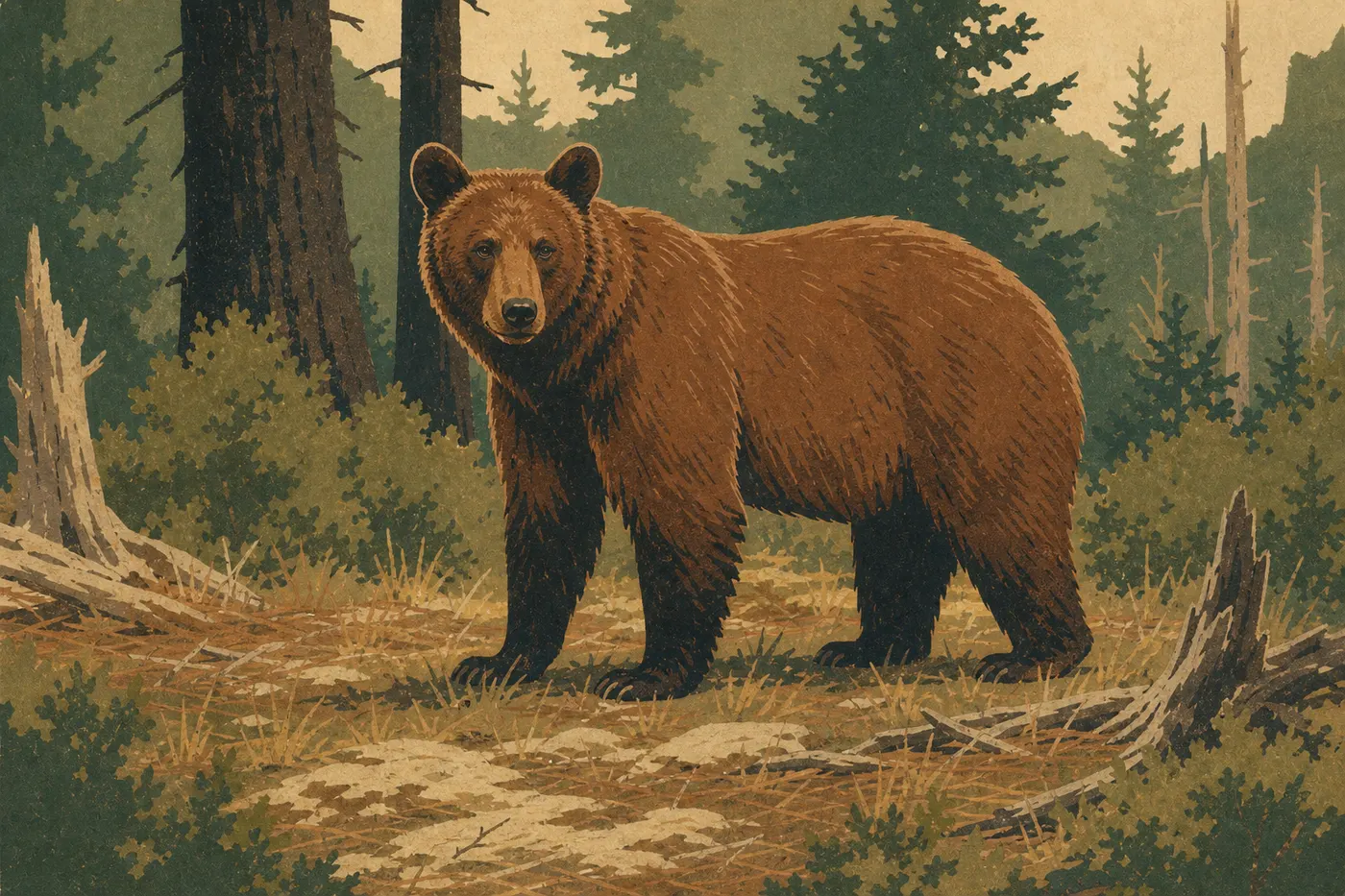
The black bear is the most commonly seen mammal in the park. Its coat is often black or dark brown in the Cascades, though color variations do occur. You can tell it from a grizzly by its profile: a straight muzzle, no muscular hump between the shoulders, and a smaller build, with adults weighing 130 to 330 pounds.
It frequents forest edges in search of berries, roots, and carrion. Sightings are most common in late summer and fall. From July through October, bears feed actively before hibernation begins in November.
Telling a Black Bear from a Grizzly
North Cascades is one of the few areas in the continental United States where grizzlies (Ursus arctos horribilis) still occur. Only a very small number remain in the northern part of the park. Two features help you tell them apart in the field: grizzlies have a pronounced muscular hump between the shoulders and a muzzle that curves downward, known as a dished face. If you're unsure, back away slowly without running and keep the bear in sight.
Mountain Goat (Oreamnos americanus)
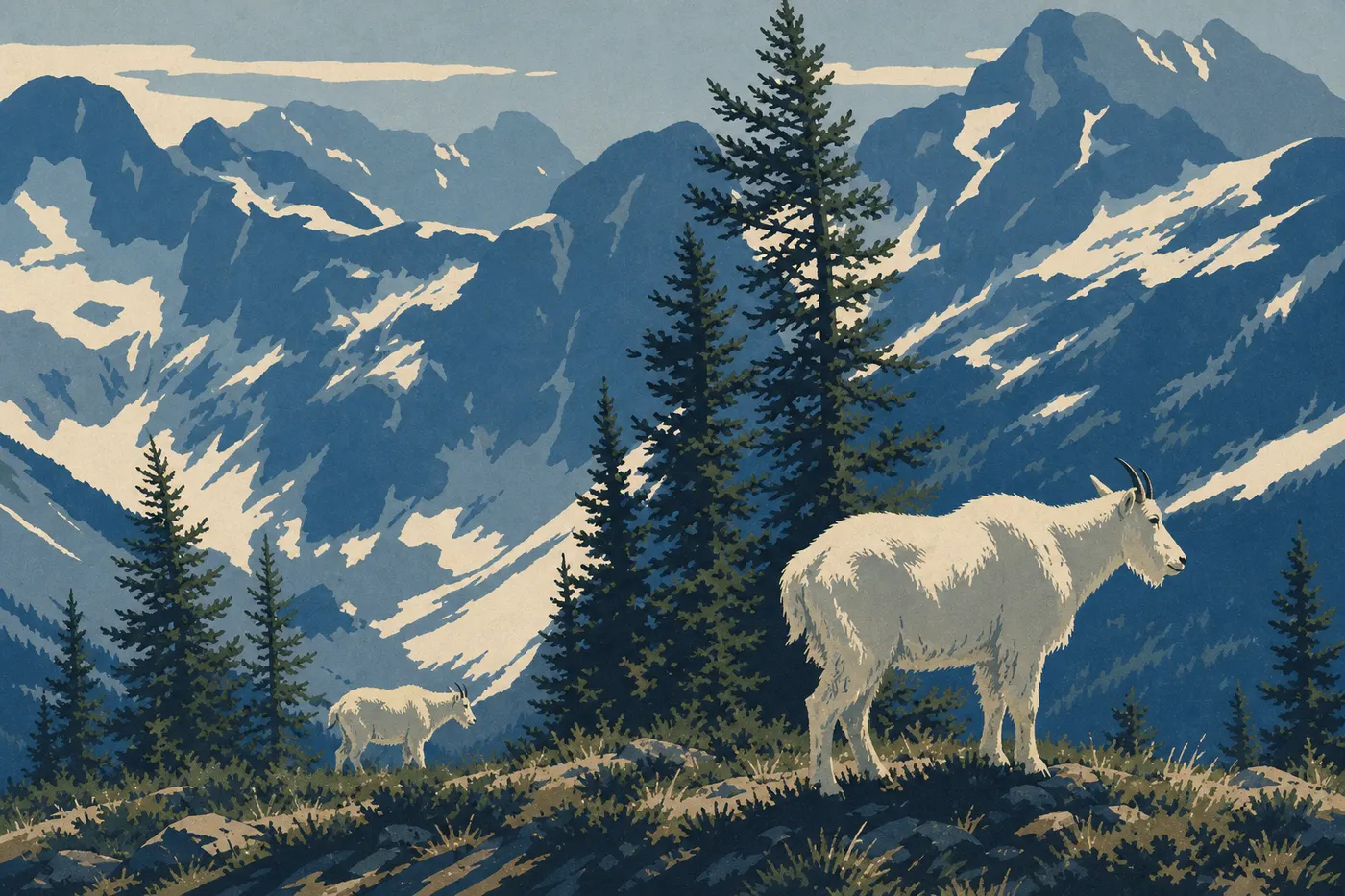
The mountain goat is a high-country resident. It lives in rocky areas above the tree line, where its hard-edged hooves and traction pads let it move across nearly vertical cliffs. Its pure white coat and short, curved black horns make it easy to spot.
July and August are the best months to look for mountain goats from trails that climb into the meadows. Kids are born in May and June, and it's not unusual to see them with their mothers on rocky ledges.
Bald Eagle (Haliaeetus leucocephalus)
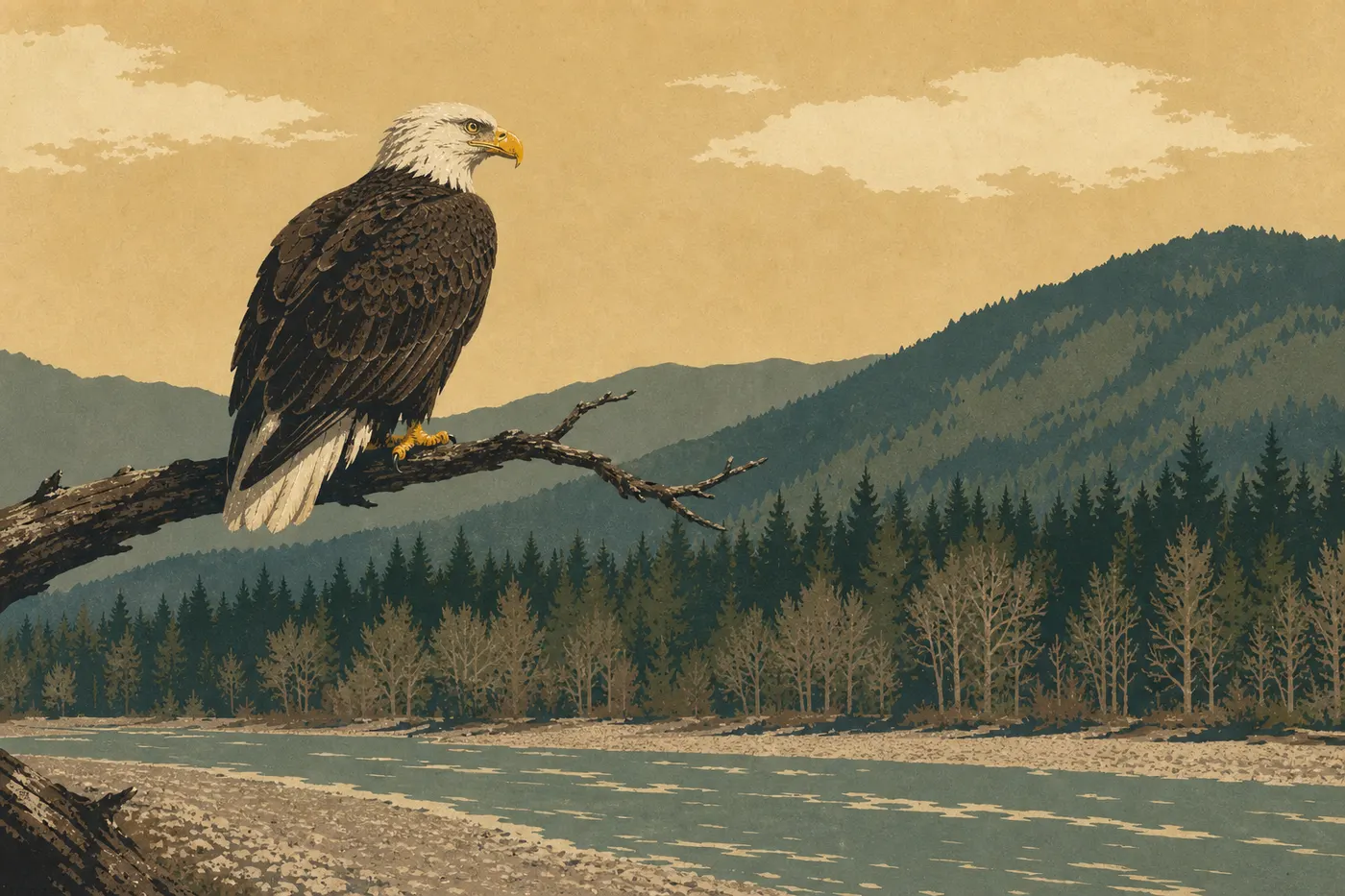
The national symbol of the United States nests in the park and frequents the shores of Ross Lake, Diablo Lake, and Gorge Lake. Its wingspan can exceed 6.9 feet. Adults have bright white heads and tails that stand out against their dark brown bodies. Young birds remain entirely brown, with irregular light markings, until they are 4 or 5 years old.
It fishes by diving feetfirst into the water, preferably early in the morning when the lake surface is calm. Sightings peak in September and October, when salmon migrate upstream in nearby rivers.
Hoary Marmot and Pika
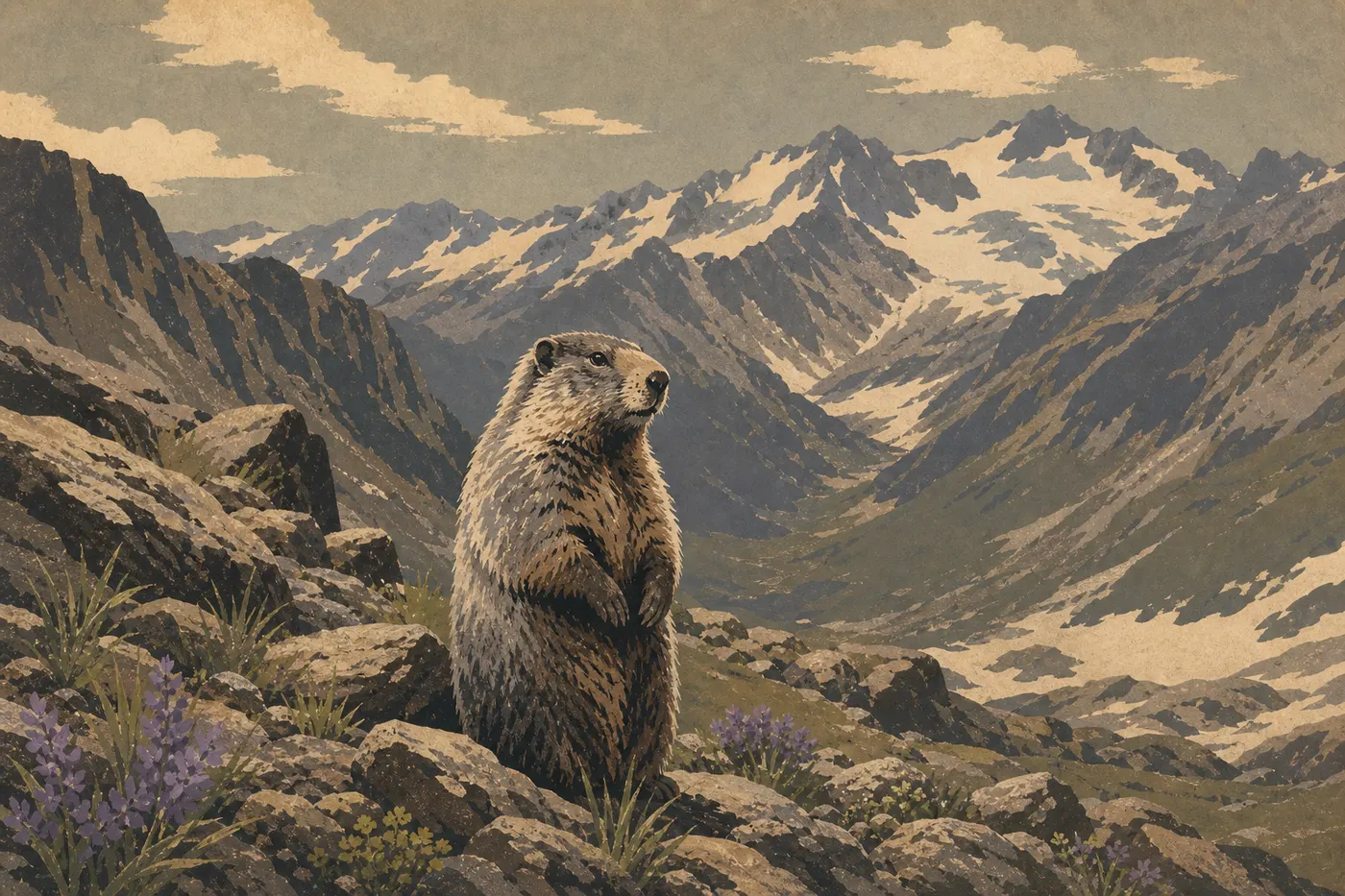
The hoary marmot (Marmota caligata) is the emblem of the high-elevation meadows. Its piercing whistles warn the colony that a predator is approaching. It emerges from hibernation around May and spends the summer feeding and basking on sun-warmed rocks.
The collared pika (Ochotona collaris) shares these rocky areas. This small, round-bodied lagomorph has no visible tail and gives a short, high-pitched call. It doesn't hibernate. Instead, it stores vegetation all summer to get through the winter. If you hear one before you see it, wait a few seconds. It usually reappears on the same rock.
Where to See Wildlife in North Cascades
The park's geography directly determines where wildlife is most likely to be seen.
SR 20 (North Cascades Highway) and the surrounding area: the highway passes through several open areas between Burlington and Winthrop. Wetlands along the road attract mule deer, beavers, and waterfowl, especially at dawn. Simply driving slowly early in the morning is often enough to spot animals without leaving your car.
The shores of Diablo Lake and Ross Lake: accessible from Colonial Creek Campground or boat docks operated by Seattle City Light, these areas are especially good for bald eagles and river otters. The Ross Lake ferry opens access to less-visited areas where wildlife is less accustomed to people.
High-elevation meadows above 5,900 feet: mountain goats, hoary marmots, and pikas inhabit these remote areas, which become snow-free starting in mid-July. You'll need to reach them on foot from high-country trails. Our North Cascades hiking guide lists the trails leading to these areas, along with elevation gains and conditions for each season.
Stehekin Valley (Lake Chelan NRA): on the drier, warmer eastern side, open vegetation makes it easier to spot black bears and mule deer early in the morning along the valley road.
When to Watch Wildlife in North Cascades
The best window runs from mid-July through late September. Snow has melted from the high-elevation trails, animals are active, and the days are long. Two simple rules will improve your chances of seeing wildlife: go at dawn, during the first 30 minutes after sunrise, or at dusk, during the hour before sunset. Afternoon heat leads most mammals to seek shade.
Fall, especially October, brings exceptional light and more frequent sightings of bears feeding before hibernation. Spring, from May through mid-June, brings newborns, including fawns and marmot pups, but high-elevation trails remain snow-covered. For a month-by-month breakdown and weather conditions for each season, see our guide to the best times to visit North Cascades.
Nocturnal animals include bats, which feed on insects over the lakes as soon as night falls, as well as raccoons and coyotes. You may hear their howls in the valleys after 10 p.m.
Predators and Large Animals of North Cascades
The park's largest mammal is the moose (Alces alces). It frequents marshy areas and wooded shores, especially around Ross Lake. Adult males can weigh up to 1,100 pounds. Keep your distance, especially during the fall rut. A bull moose in rut may charge without warning.
The gray wolf (Canis lupus) has returned to the North Cascades through natural recolonization from Canada. Packs are few and highly elusive, so a sighting is a rare stroke of luck. Don't confuse a wolf with a coyote, which is smaller, with a narrower muzzle and proportionally longer legs.
The cougar (Puma concolor) is present but nocturnal and rarely seen during the day. You may find evidence of one in catlike paw prints without claw marks or in scratch marks on tree trunks. The golden eagle (Aquila chrysaetos) patrols open high-elevation areas and is the main aerial predator of marmots and pikas.
Watching Wildlife Safely
The NPS rules are simple and nonnegotiable.
Required distances: stay at least 100 feet from all wild mammals and at least 330 feet from bears and wolves. If an animal changes its behavior when you approach, stops, or stares at you, you're too close. Back away calmly.
Never feed wildlife: that includes pikas and squirrels. Human food changes their behavior and shortens their lives. A bear that associates people with food eventually has to be euthanized by rangers.
Hike in groups: in bear country, going out with at least one other person reduces the chance of a surprise encounter. Speak loudly in dense wooded sections, especially when wind or a rushing stream drowns out your footsteps. If you're hiking alone, attach bear bells to your pack.
Bear spray: strongly recommended in remote areas, and keep it within easy reach rather than at the bottom of your pack. Check the expiration date before you leave and learn how to use it.
Food storage: in designated camping areas, you must use bear canisters. All of the park's safety rules are covered in our Practical Information, Rules, and Safety guide.
In Brief: Animals You Shouldn't Miss and Where to Find Them
| Species | Best area | Best time |
|---|---|---|
| Black bear | Forest edges, Stehekin Valley | July through October |
| Mountain goat | High-elevation meadows above 5,900 feet | July through September |
| Bald eagle | Diablo Lake and Ross Lake | September through October |
| Hoary marmot | Rocky high-elevation areas | June through September |
| Moose | Marshes, Ross Lake shores | Dawn, spring, and fall |
| Pika | Alpine talus slopes, same areas as marmots | July and August |
Our complete North Cascades guide gives you an overview of the park if you're still in the planning stage.
Frequently Asked Questions
What are the signature animals of North Cascades?
North Cascades' signature animals are the black bear, mountain goat, bald eagle, hoary marmot, and, more rarely, the gray wolf and grizzly.
What is the most common animal in North Cascades?
The black bear is the most common animal in North Cascades. It lives throughout the park, from forested valleys to high-elevation forest edges.
What is the largest animal in North Cascades?
The moose is the largest animal in North Cascades. Adult males can weigh up to 1,100 pounds. They mainly frequent wetlands and wooded shores around Ross Lake.
What predators live in North Cascades?
Predators in North Cascades include black bears, grizzlies, which are very rare, gray wolves, cougars, and golden eagles. The coyote is the predator most often seen, usually along roadsides early in the morning.
What animals are out at night in North Cascades?
Nocturnal animals in North Cascades include bats, raccoons, coyotes, and cougars. Coyotes announce themselves with howls in the valleys after dark.
Are there moose in the North Cascades?
Yes, moose live in the North Cascades, mainly in wetlands and along wooded shores around Ross Lake and in Stehekin Valley. A morning outing in fall or spring is still the best time to see them.
Are there ticks in the North Cascades?
Yes, ticks are present in the North Cascades, especially in wooded areas and tall grass below 4,900 feet, from March through July. After every hike, check your entire body, paying particular attention to your armpits, scalp, and the backs of your knees.