
Isle Royale Weather: Forecasts, Climate, and Current Conditions
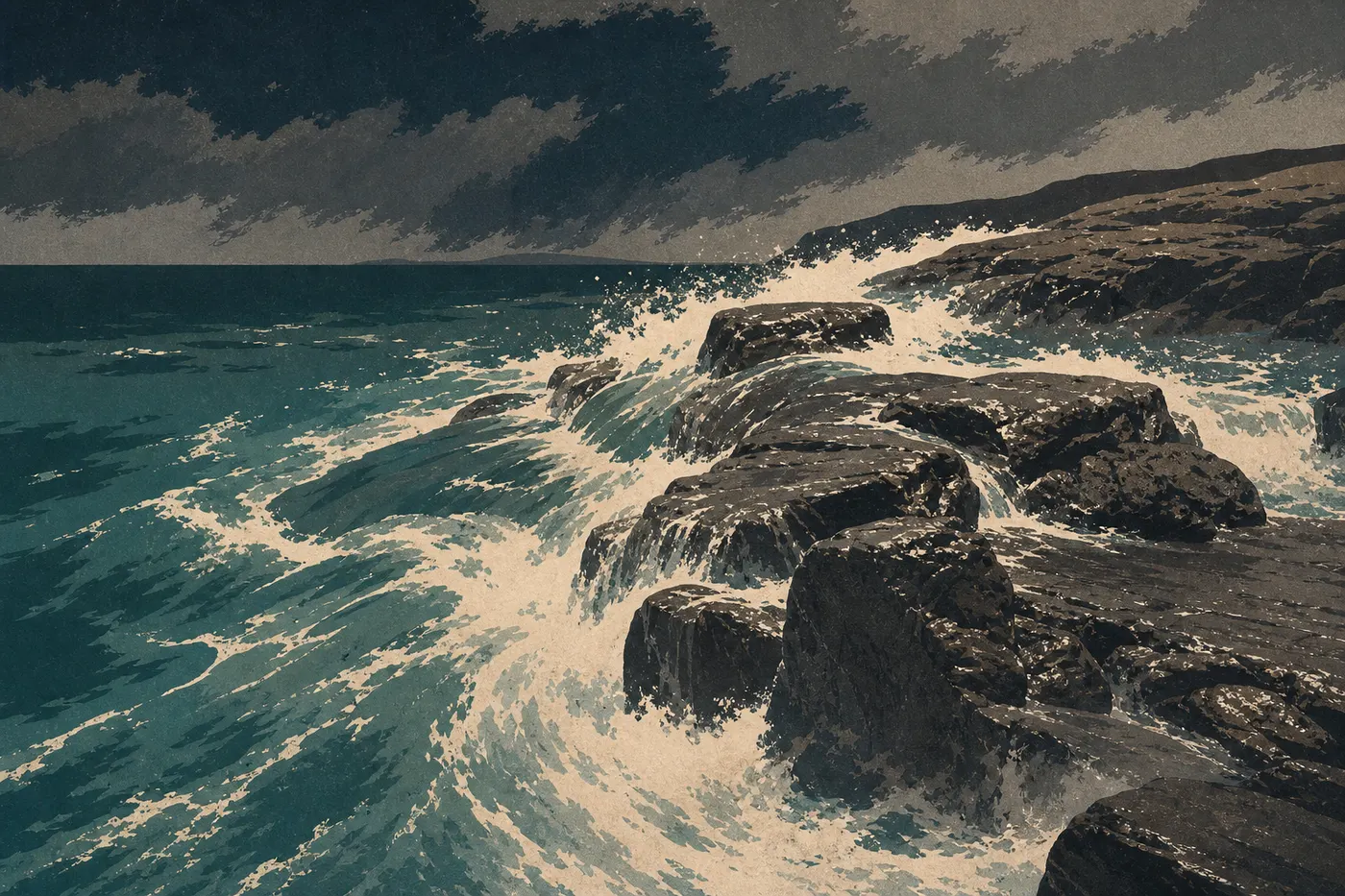
Isle Royale lives by the rhythm of Lake Superior. This island of wilderness, set in the middle of the world's largest freshwater expanse, has a different climate from the rest of Michigan. In short, summers are short and cool (rarely above 72 °F), spring mornings are often foggy, fall arrives early in mid-September, and winters are so harsh that the park closes from November 1 through April 15. The visiting season lasts just six and a half months, and conditions can change from one day to the next.
Current readings are unavailable. See the seasonal averages farther down this page.
Open-Meteo readings · updating… · park time zone
Isle Royale Climate Month by Month
The table below compiles climate normals for the Rock Harbor area. Months marked “Closed” correspond to the park's seasonal closure.
| Month | High | Low | Precip. | Notes |
|---|---|---|---|---|
| January | 21 °F | 3 °F | 40 mm | Closed |
| February | 23 °F | 5 °F | 35 mm | Closed |
| March | 30 °F | 12 °F | 40 mm | Closed |
| April | 45 °F | 30 °F | 55 mm | Opens April 16 |
| May | 55 °F | 39 °F | 65 mm | Frequent fog |
| June | 66 °F | 48 °F | 75 mm | Reliable crossings |
| July | 72 °F | 55 °F | 70 mm | Mildest month |
| August | 72 °F | 55 °F | 75 mm | Cool evenings |
| September | 61 °F | 45 °F | 70 mm | Fall colors from mid-September |
| October | 48 °F | 36 °F | 65 mm | Closes October 31 |
| November | 34 °F | 21 °F | 55 mm | Closed |
| December | 25 °F | 9 °F | 50 mm | Closed |
Lake Superior moderates the climate. It keeps summers cooler and winters slightly less extreme than inland Michigan at the same latitude. In return, it creates persistent spring fog and increases precipitation in every season.
Is Isle Royale Cold? Records and Extremes
Yes, Isle Royale is a cold park, even during peak season. Lake Superior's surface temperature barely rises above 59 °F, even in August. Swimming without a wetsuit isn't recommended, and falling into the water without a life jacket can become fatal in less than 30 minutes. Days above 81 °F do occur, but they're rare. In winter, wind chill can push temperatures below -22 °F.
Fog is the other extreme to know about. On some June mornings, visibility drops to a few dozen yards on the lake, which can delay seaplanes and complicate kayak trips.
What to Wear by Season
April–May: thermal base layer, fleece, waterproof windbreaker, hat, and gloves. Your sleeping bag should be rated to at least 32 °F. Don't rely on mainland climate normals when choosing your gear.
June–August: wear layers, including a lightweight T-shirt, fleece, and waterproof windbreaker. Even in July, one day out of two starts with drizzle. Waterproof hiking shoes are essential. Wet trails are the norm, not the exception. Bring sun protection for clear days, which can feel intense at this latitude.
September–October: add an insulating layer, such as a lightweight down jacket or heavy wool, to your June–August kit. Keep a hat and gloves in your pack at all times. A four-season sleeping bag is recommended for October nights.
One practical detail we repeat every time: keep a waterproof jacket within reach on the ferry deck, not buried in your pack. Wind off the lake can drop the wind chill by 43 to 46 °F in just a few minutes.
Alerts and Conditions to Watch
Canceled crossings: the ferry from Copper Harbor (about 3.5 hours) and the one from Houghton (about 6.5 hours) are the island's only two public access routes. In high winds or waves over 5 feet, operators cancel without notice. Plan a buffer night in Copper Harbor or Houghton. It's not a luxury; it's practical insurance.
Thunderstorms on the lake: in July and August, storm cells form quickly and move fast. If you're in a kayak or canoe, head for shore as soon as the sky darkens to the west. Lightning over open water is an immediate, real danger.
Hypothermia: Lake Superior stays cold, with summer surface temperatures of 54 to 59 °F. Wear an approved life jacket on every boating trip, without exception.
Trail conditions: after heavy rain, sections of the Greenstone Ridge Trail and Minong Ridge Trail become muddy and slippery. The NPS may temporarily close sections. Check conditions at the official nps.gov/isro site or call (906) 482-0984 before you set out.
Frequently Asked Questions
What is the best month to visit Isle Royale?
July is the best month to visit Isle Royale. Temperatures reach 68 to 72 °F, ferry crossings run regularly, and trails are in good condition. August offers the same conditions, with the first fall colors appearing late in the month.
What is the weather like on Isle Royale in May?
May is cool and foggy on Isle Royale. Highs range from 50 to 57 °F, nights regularly drop below 41 °F, and morning fog over the lake is almost daily. A waterproof jacket and hat are essential, even when the sun comes out in the afternoon.
Is Isle Royale cold?
Yes, Isle Royale is noticeably colder than mainland Michigan year-round. Lake Superior keeps summers cool, with highs around 72 °F, and nights remain chilly even in July. Outside July and August, an underprepared visitor can run into trouble, especially at night in a tent.
What should you wear to visit Isle Royale?
Dress in layers for a visit to Isle Royale: a thermal base layer, fleece, and waterproof windbreaker in every season. In summer, bring an insulating layer for cool evenings and mornings. In spring and fall, keep a hat and gloves in your pack at all times.
What is Isle Royale's climate like?
Isle Royale has a subarctic continental climate, strongly moderated by Lake Superior. Summers are short and cool (55 to 72 °F in July and August), while winters are long and severe, with the park closed from November 1 through April 15. Precipitation is spread throughout the year, and fog is common in spring.
What is Michigan's climate like?
Michigan has a continental climate, with warm summers (up to 86 °F in the southern part of the state) and cold winters. Isle Royale, in Lake Superior, has a distinctly cooler, wetter microclimate. Summers are 14 to 18 °F cooler than on the mainland, while winters are even harsher because of wind and the effects of the lake.