
When to Visit Isle Royale: Best Seasons, Weather, and Access
Isle Royale isn't a park you reach by car one morning. This Lake Superior island is accessible only by ferry or seaplane. It opens from mid-April through late October, and regular ferry service doesn't start until May. July and August are the best months for full services and comfortable conditions. September is best for quiet, fall color, and moose rutting season. September is an excellent alternative if you want to avoid the summer crowds, which are already modest by national park standards, and see moose during the rut. Winter simply isn't part of the visitor calendar. The island closes from November 1 through April 15, with no exceptions.
Weather Month by Month
Lake Superior acts as a powerful temperature regulator. It keeps summers cooler than on Michigan's mainland and pushes the first fall freezes back by several weeks. Winds off the lake bring high humidity and frequent morning fog, especially in June and July. The table below shows average conditions during the open season. For precise forecasts and hour-by-hour details, check our Weather page.
| Month | High (°F) | Low (°F) | Precipitation | What to expect |
|---|---|---|---|---|
| April (partial) | 45 | 32 | Moderate | Reopens April 16; cold, with possible snow |
| May | 57 | 41 | Moderate | Cold, with limited services |
| June | 66 | 50 | Moderate | Daily ferries, frequent morning fog |
| July | 73 | 57 | Moderate | Peak visitation, excellent conditions |
| August | 73 | 57 | Moderate | Stable weather, slightly less busy than July |
| September | 63 | 48 | Moderate | Cool weather, fall color, moose rut |
| October | 50 | 37 | Moderate | Gradual closure, unsettled weather |
Lake Superior stays cold all season, reaching barely 59 °F at the surface in midsummer. Swimming isn't recommended, and kayaking requires a full wetsuit.
Isle Royale in January
The island is closed. With highs around 21 °F and lows near 3 °F, Lake Superior is partly frozen and no crossings are possible. No services operate, and no visit is possible before mid-April.
Isle Royale in February
The park remains closed. Temperatures barely rise, reaching about 23 °F during the day and 5 °F at night, and ice covers a large portion of the lake. Logistical preparations for the season don't begin until March.
Isle Royale in March
The park is still closed. Nighttime lows remain deeply below freezing, around 12 °F, and the ice is only beginning to retreat. The park won't reopen until mid-April, so it's too early to plan a visit.
Isle Royale in April
The park reopens on April 16, but conditions are still true wilderness. Daytime temperatures reach only about 45 °F at best, nights stay near 32 °F, and snow remains possible. Island services are at a minimum, and Rock Harbor Lodge doesn't open until June. The seaplane from Houghton is often the only reliable way to reach the island at this time of year. Choose April only if you're looking for complete solitude and are fully self-sufficient with gear and supplies.
Isle Royale in May
Daytime temperatures range from 55 to 57 °F, with nights around 39 to 41 °F. Fog is common on Lake Superior, sometimes for several days in a row. Ferries begin running on reduced schedules, while Rock Harbor Lodge remains closed until June. This is the best time to spot wolves, which roam freely before hikers arrive. Bring everything you need and keep your return dates flexible. A storm can stop ferry crossings.
Isle Royale in June
Temperatures reach 66 °F during the day and 48 °F at night. Ferries run daily, and Rock Harbor Lodge opens its doors. Morning fog over the lake remains common early in the month. Visitation is still light, and trails aren't crowded. June is a good month to enjoy the island without the pressure of July reservations, as long as you can live with a few foggy mornings.
Isle Royale in July
Daytime temperatures range from 72 to 73 °F, with nights around 55 to 57 °F. This is the park's mildest and busiest month. Every service is operating, including the lodge, daily ferries from Houghton, Copper Harbor, and Grand Portage, NPS interpretive programs, and kayaking. Ferry and lodging reservations are essential, often several weeks ahead. Look for moose in wet areas in the evening. If you haven't booked yet, check availability right away.
Isle Royale in August
Conditions are almost identical to July: 72 °F during the day and 55 °F at night. Visitation is slightly lower, which makes last-minute reservations a little easier, though they still aren't easy. Evenings cool quickly, so you'll need a sweater or fleece by 8 p.m. August is an excellent month for sea kayaking and multi-day hikes.
Isle Royale in September
Daytime temperatures reach 61 °F, with nights around 45 °F. Fall color starts turning ochre and red by mid-September. Visitation drops significantly from summer, and you'll find ferry and lodge availability without having to fight for it. The moose rut begins, and sightings in wet areas at dawn or dusk are common. In our view, September is the best month of the year for a visit that combines comfort, wildlife, and solitude.
Isle Royale in October
Daytime temperatures reach 48 °F, with nights around 36 °F. The park begins its gradual closure. Ferries run less frequently and then stop sometime in October, so check schedules before finalizing your trip. The seaplane from Houghton remains available when conditions allow. Weather is unsettled, and winds on the lake can be strong. The park officially closes on October 31.
Isle Royale in November
The park has been closed since November 1. With average highs around 34 °F and lows around 21 °F, the island settles into winter mode. No services or crossings operate, and no visit is possible until mid-April.
Isle Royale in December
The park is closed. Temperatures reach about 25 °F during the day and 9 °F at night. Lake Superior starts freezing in places. The next opening won't come until mid-April of the following year.
Isle Royale by Season
The park has only three seasons when visitors can come. Winter isn't part of the visitor calendar. The island officially closes from November 1 through April 15.
Spring (mid-April to late May)

The park reopens on April 16, but conditions are still true wilderness. Temperatures remain cold, ranging from 32 to 57 °F. Ice retreats slowly from Lake Superior, and island services are at a minimum. Rock Harbor Lodge doesn't open until June. Ferry crossings are sporadic, and the seaplane from Houghton is often the only reliable option.
What you get: wolves (Canis lupus) still roam freely before hikers arrive in larger numbers. A few experienced visitors come specifically for this window, and encounters are more common than in peak season. Bring warm gear and enough food to be fully self-sufficient, and keep your return date flexible. Lake weather can stop crossings for several days.
Summer (June to August)
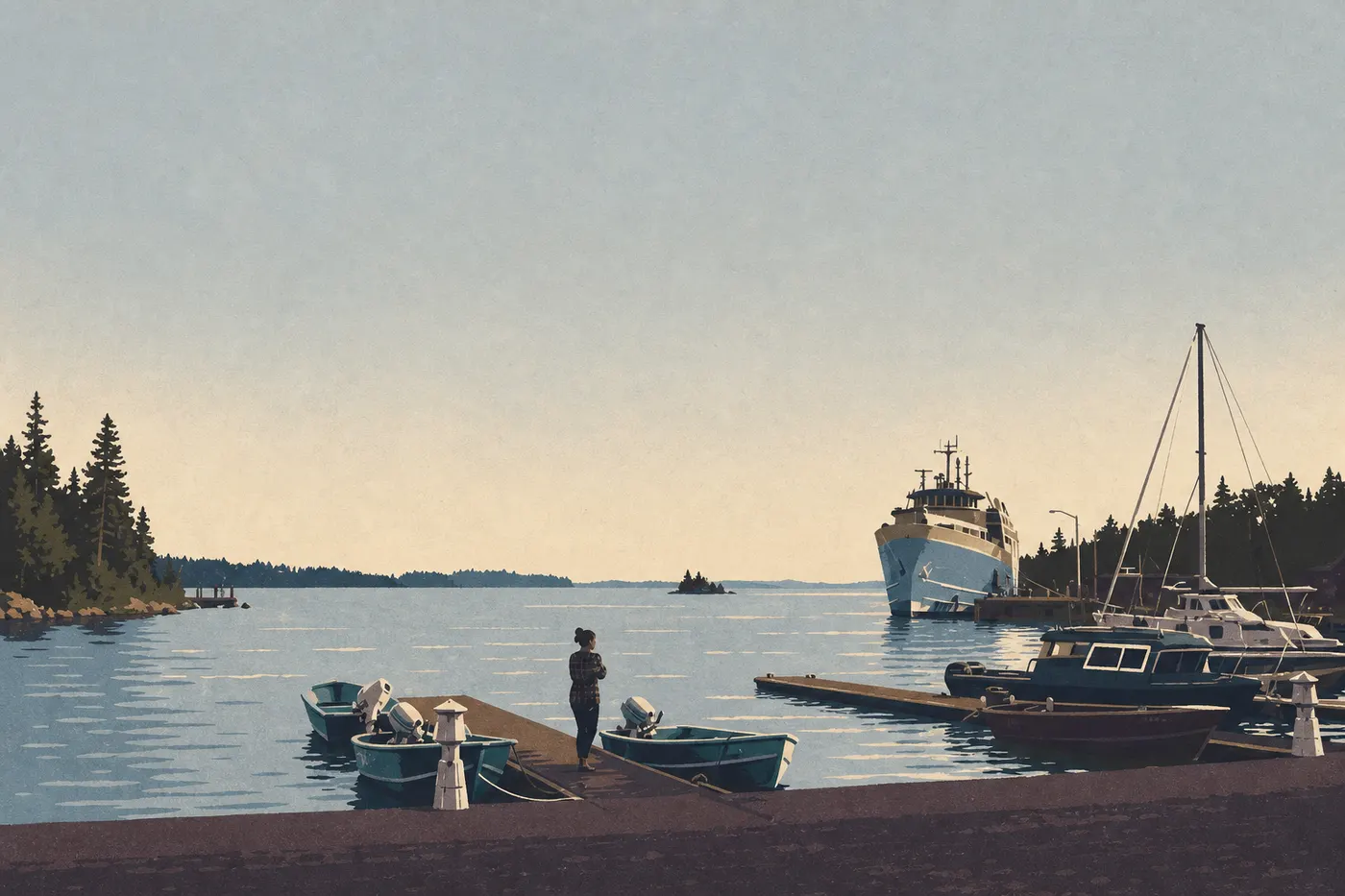
This is peak season, though Isle Royale experiences it on its own scale. There are no cars and no traffic jams, just trails, inland lakes, and a ferry network that finally connects the island to the mainland on a regular schedule. Daily departures from Houghton and Copper Harbor, Michigan, as well as Grand Portage, Minnesota, run at full capacity. Rock Harbor Lodge opens, rangers lead interpretive outings, and the roughly 165 miles of marked trails are passable from the north end of the island to the south.
July is the busiest month. Ferry and lodge reservations are essential several weeks ahead. August is a little more flexible, with similar weather. Look for moose (Alces alces) near ponds and wetlands in the evening. Morning fog lifts quickly, giving way to bright days that are ideal for hiking and kayaking.
Fall (September to late October)
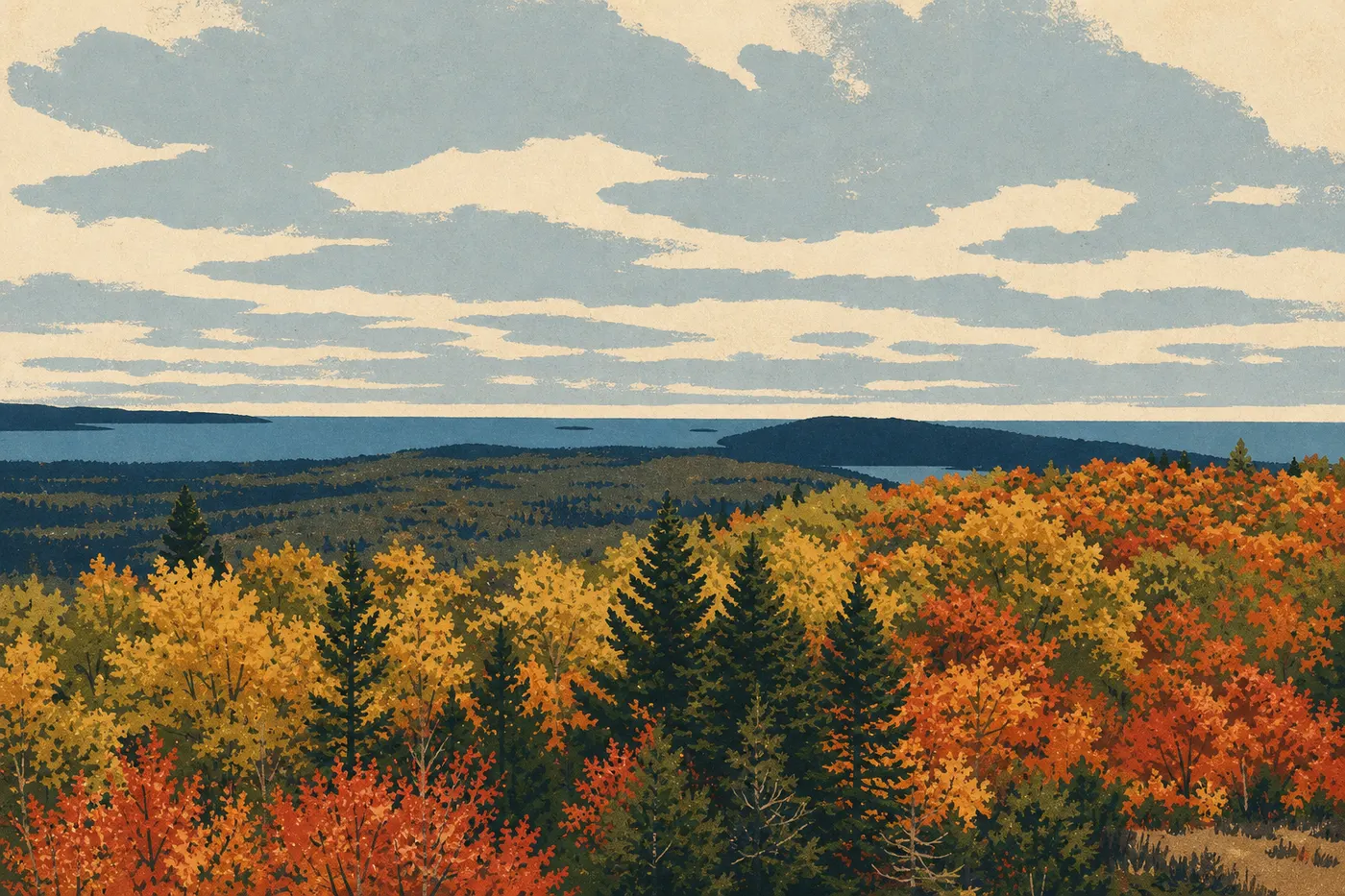
September is, in our view, the month not to miss. During an early-September visit, I spotted two moose in less than an hour in the Tobin Harbor marshes without seeing anyone else on the trail. The summer groups are gone, the light turns golden and low, the first leaves shift to ochre and red, and the moose rut begins. Daytime temperatures hover around 63 °F, while nights fall below 50 °F. Bring insulating layers.
In October, the park begins its gradual closure. Ferries run less often and then stop sometime in October. The seaplane remains available when conditions allow. A lake storm can bring the season to an early end, so check crossing conditions before finalizing your trip.
Crowds: When to Avoid the Rush
Isle Royale is one of the least-visited U.S. national parks, with about 20,000 to 25,000 visitors a year, roughly one hundredth of Yellowstone's total. This low visitation is a real part of the experience, but it hides a genuine logistical constraint: ferries and Rock Harbor Lodge have structurally limited capacity. In July, spots sell out not because of huge crowds, but because supply is limited.
| Month | Visitation | Practical note |
|---|---|---|
| Mid-April to May | Very low | Full self-sufficiency required, limited services |
| June | Low | Quiet, services getting up and running, reservations recommended |
| July | High (for this park) | Reservations required several weeks ahead |
| August | Moderate to high | Best comfort, slightly more flexible than July |
| September | Low | Ideal for hiking without constraints |
| October | Very low | End of season, unpredictable weather |
Our crowd-avoiding recommendation is early September. You'll have the island almost to yourself, with reasonably comfortable weather and all services operating.
Seasonal Access and Transportation
You can't reach Isle Royale by car or by swimming. Two options shape your plans depending on the season.
Ferries operate from May through September from Houghton and Copper Harbor, Michigan, and Grand Portage, Minnesota. The crossing takes anywhere from 3 hours from Copper Harbor to 6 hours from Houghton, depending on the vessel. Ferries run daily during peak season and less often starting in September.
The seaplane from Houghton reaches the island in 35 minutes. It's the only option available in April and October, when ferries aren't running, or when you need a specific date outside the regular schedules.
Book your crossing as soon as your dates are set, especially for July and August. Ferries often sell out several weeks ahead. Ideally, reserve Rock Harbor Lodge three to six months before summer. Our Isle Royale access guide brings together current information on operators, schedules, and fares.
Isle Royale doesn't use a timed-entry system. Available crossings naturally limit capacity. You don't need a timed-entry permit, but reserving transportation is non-negotiable.
Best Time to Visit on a Budget
A trip to Isle Royale costs more than the average national park visit for two simple reasons: ferry or seaplane transportation and structurally limited lodging. The park entrance fee is $7 per person. The America the Beautiful Pass costs $80 for a year and covers this fee, so it quickly pays for itself if you're visiting several parks during the year. Our Fees & Passes guide explains entrance fees and available passes.
Expect to pay $70 to $130 per person for a one-way ferry crossing, depending on the departure point. Rock Harbor Lodge is in the higher price range. Two strategies can lower the cost. First, travel in May or September, when lodge rates are lower and ferries are less crowded. Second, choose backcountry camping instead of the lodge. Sites are reserved through Recreation.gov for a modest fee, and the experience is often more immersive. Our Isle Royale camping guide has details on sites and rules.
The Best Time for Your Travel Style
For wildlife, including moose, otters, and eagles: August and September for moose in wet areas, and September for the rut. May is best for wolves, which roam before hikers arrive. Our Wildlife page covers species and viewing areas.
For hiking: July and August, when all trails are open and weather is most stable. Our Hiking page lists routes by duration and difficulty.
For nature and landscape photography: September, with late-season golden light, fall color, and Lake Superior reflecting gray steel. July and August are best for morning fog over the water.
For families with kids: July, with full services, NPS educational programs, and predictable weather. Bring insulating layers for evenings. It rarely gets warmer than 57 °F at night, even in summer. Our Family page brings together practical advice.
For sea kayaking: late July through late August, when Lake Superior is generally at its calmest. A full wetsuit is required, since the water stays cold even in midsummer.
For keeping costs under control: May or September, with backcountry camping instead of a lodge.
In Summary: The Best Time for Your Travel Style
| Travel style | Recommended time |
|---|---|
| Wildlife (moose rut) | September |
| Wolves | May |
| Hiking and maximum comfort | July to August |
| Nature photography | September |
| Families | July |
| Sea kayaking | Late July to late August |
| Keeping costs down | May or September |
| Guaranteed solitude | May or September |
Whenever you go, Isle Royale rewards visitors who plan ahead. Book your ferry and lodging well before departure. Our complete Isle Royale guide gives you the framework for organizing your trip from start to finish.
The Worst Time to Visit Isle Royale
Strictly speaking, winter is the worst time. From November through mid-April, the park is closed, ferries don't run, and the island is inaccessible. It's not really a bad season. It's simply a season that doesn't exist for ordinary visitors.
Among the open months, May brings the most constraints: nighttime temperatures near 32 °F, almost daily fog on the lake, a closed Rock Harbor Lodge, and minimal services. Without a full supply of food and warm gear, a trip can end quickly. Mosquitoes add another challenge. They're especially active in June and early July in the island's inland wetlands. This isn't a dealbreaker, but bring an effective repellent and long sleeves for evenings near the marshes. July isn't bad weather-wise, but it's the most demanding month logistically. Anyone who doesn't book ahead may find themselves without a crossing or lodging in a park with very little flexibility.
Frequently Asked Questions
What is the best month to visit Isle Royale?
July is the best month for overall comfort and full services. September is best for quiet, fall color, and the moose rut. Either month requires advance ferry and lodging reservations.
Is Isle Royale worth the trip?
Isle Royale is worth the trip if you're looking for roadless, car-free wilderness in the heart of the Great Lakes. It's one of the least-visited U.S. national parks, with 20,000 to 25,000 visitors a year. That rarity takes some effort to reach, but it offers a level of isolation you won't find elsewhere in the region.
What's the climate like on Isle Royale?
Isle Royale has a temperate continental climate moderated by Lake Superior's thermal mass. Summers are cool, with daytime temperatures from 68 to 73 °F in July and August, and nights stay cool all season, around 57 °F in August. Fog and rain are common. Our Weather page has month-by-month details.
How long do you need to visit Isle Royale?
Plan on at least three to four days. Ferry crossings take between 3 and 6 hours depending on the departure point, which makes day trips impractical. A week lets you cover several parts of the island and string together multi-day hikes. Our Itineraries & Trip Length page offers 3-, 5-, and 7-day plans.
How much does a trip to Isle Royale cost?
The entrance fee is $7 per person. Expect to pay $70 to $130 per person for a one-way ferry crossing, depending on the departure point. Lodging ranges from affordable backcountry camping to Rock Harbor Lodge, which is in the higher price range. Our Where to Stay page compares all the options.
What's the best season to visit Michigan?
For Isle Royale specifically, the ideal window runs from June through September. For Michigan as a whole, other guides cover the state's must-see destinations and their best seasons.
Is the park open year-round?
No. Isle Royale officially closes on November 1 and doesn't reopen until mid-April. The island is inaccessible to the public for six months each year. No ferry, regular seaplane, or service operates during that period. It's one of the few U.S. national parks to close for so long.
When is peak season on Isle Royale?
Peak season runs from July through mid-August. That's when ferries and Rock Harbor Lodge most often sell out. Visitation remains very low by national park standards, with 20,000 to 25,000 visitors a year in total, but capacity is so limited that reservations are essential several weeks ahead. Outside peak season, June and September offer a more flexible experience with reasonably good weather.
What is the least busy month on Isle Royale?
April and May are the least busy months, but conditions are difficult and services are very limited. Among the more comfortable months, September is the quietest. The summer groups are gone, ferry and lodge reservations are easy to find, and fall color and the moose rut make for an excellent experience.