
What to Do in Isle Royale: Top Things to See
A wilderness island in the middle of Lake Superior, Isle Royale isn't a place you simply visit. You earn it. There are no roads, cars, or cell service. The national park's rules start as soon as you board the ferry, and that's exactly how it should be. Those limits create the island's one-of-a-kind atmosphere. In return for a little more logistical planning than you'd need for any drive-up American national park, the island offers near-guaranteed solitude, wild wolves and moose, shipwrecks beneath frigid water, and some of the darkest night skies on the continent.
The five must-do experiences at a glance: hike the Greenstone Ridge with views of Lake Superior, watch for moose at daybreak in the western bays, dive historic shipwrecks, paddle a kayak to coves you can't reach any other way, and spend a night under the stars with no light pollution at all.
Isle Royale at a Glance: Areas, Access, and Getting Around
The island is about 45 miles long and 9 miles wide. No motorized vehicles are allowed anywhere on the island. You get around on foot or by paddle, in a kayak or canoe. That restriction isn't a drawback. It's the promise of the park.
Two hubs shape most visits.
Rock Harbor (east) is the park's headquarters. Ferries from Houghton and Copper Harbor, Michigan, arrive here. You'll find the visitor center, the island's only lodge, a marina, a restaurant, and most of the developed campgrounds. It's the natural starting point for most hikers.
Windigo (west) is the entry point from Grand Portage, Minnesota. It's smaller, quieter, and often foggier. Wildlife is proportionally easier to spot here because fewer people visit. The two ends are connected by the Greenstone Ridge Trail, about 72 miles on foot, so you can plan a full crossing with one ferry out and another back.
Between these two hubs, the backcountry spreads across a network of inland lakes, forested ridges, and isolated coves accessible only by trail or water. This is where the island shows its true character.
For everything involving ferries, seaplanes, and ferry reservations, see the Isle Royale access guide. The park's specific rules, including camping permits, waste management, and drinking water, are covered in the park's complete guide.
How Much Time Do You Need to Visit Isle Royale?
Three nights is the minimum if you want to get beyond Rock Harbor and into the backcountry. With less time, you'll stay close to the arrival area and miss what matters most.
Five to seven nights lets you cross the island from one end to the other. Start at Rock Harbor and leave from Windigo, or do it in reverse, with two or three nights of backcountry camping along the way. This is the itinerary we recommend most often for a first visit.
Two weeks is the schedule for committed visitors who want to explore the trail network's side branches and all of the inland lakes. What often limits the length of a trip is logistics, such as ferry frequency and lodge prices, as much as fitness. Several Isle Royale itineraries are available based on the number of days and the type of trip.
Isle Royale's Top Experiences, Area by Area
Rock Harbor and the East End of the Island
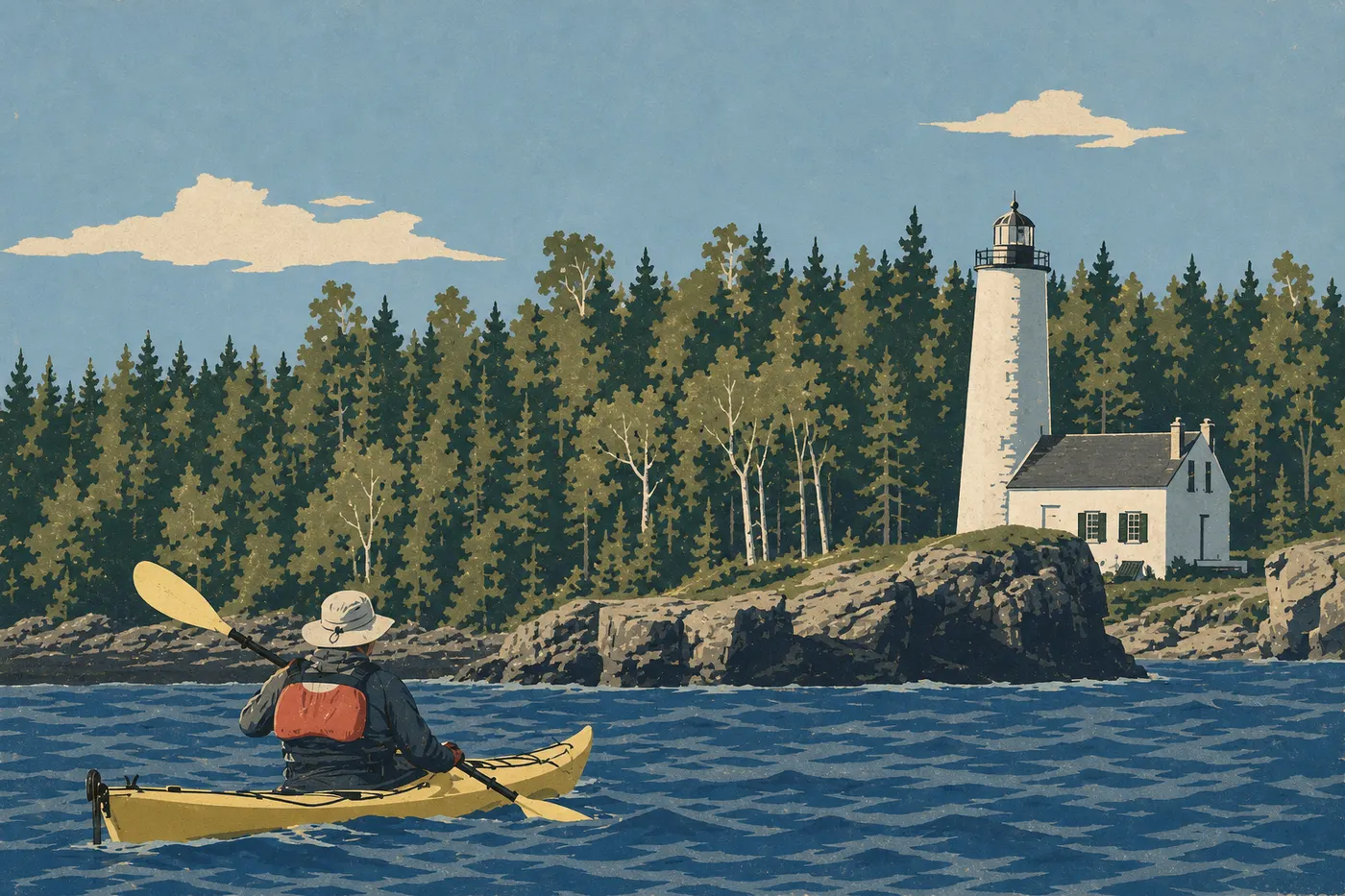
Rock Harbor gives you a sense of the island as soon as you arrive. By the time you've dropped your pack and stopped at the visitor center, the Lake Superior crossing has already worked its magic. You really are somewhere else.
Scoville Point is the signature outing from Rock Harbor. The 4-mile loop follows the north shore, crosses wetlands frequented by moose, and ends at a rocky point lashed by waves. The trail passes through Tobin Harbor, a quiet cove where loons let you approach within a few yards of shore. Allow two hours at an easy pace.
Lookout Louise offers one of the clearest panoramas in the island's east end. The view reaches the offshore islands and, on a clear day, the Canadian shore. You reach it from Hidden Lake, about 2.2 miles from the trailhead at Tobin Harbor. The climb is short, and the rocky ridge walk makes the half-day worthwhile.
Edisen Fishery is a perfectly preserved historic site on the lakeshore, with fishermen's cabins, traps, a smokehouse, and period equipment. Rangers offer interpretive programs during the season. The site gives you a vivid sense of how families lived on the island before the park was created in 1940. Less than 3 miles from Rock Harbor, it's worth a stop even if you're not planning a long hike.
Passage Island, about 3 miles northeast of Rock Harbor, is accessible by kayak or local ferry. It has an active lighthouse and seabird colonies on the rocks. Harbor seals frequent the area. The crossing on open lake water can get rough when the wind picks up, so leave early, when conditions are usually most stable.
Blake Point, at the island's northeastern tip, is one of the park's most exposed spots. Cliffs drop straight into the lake. The trail from Rock Harbor is about 9 miles one way. Bring an extra layer even in July. The wind is often strong, and the wind chill can catch you off guard.
Windigo and the West End of the Island
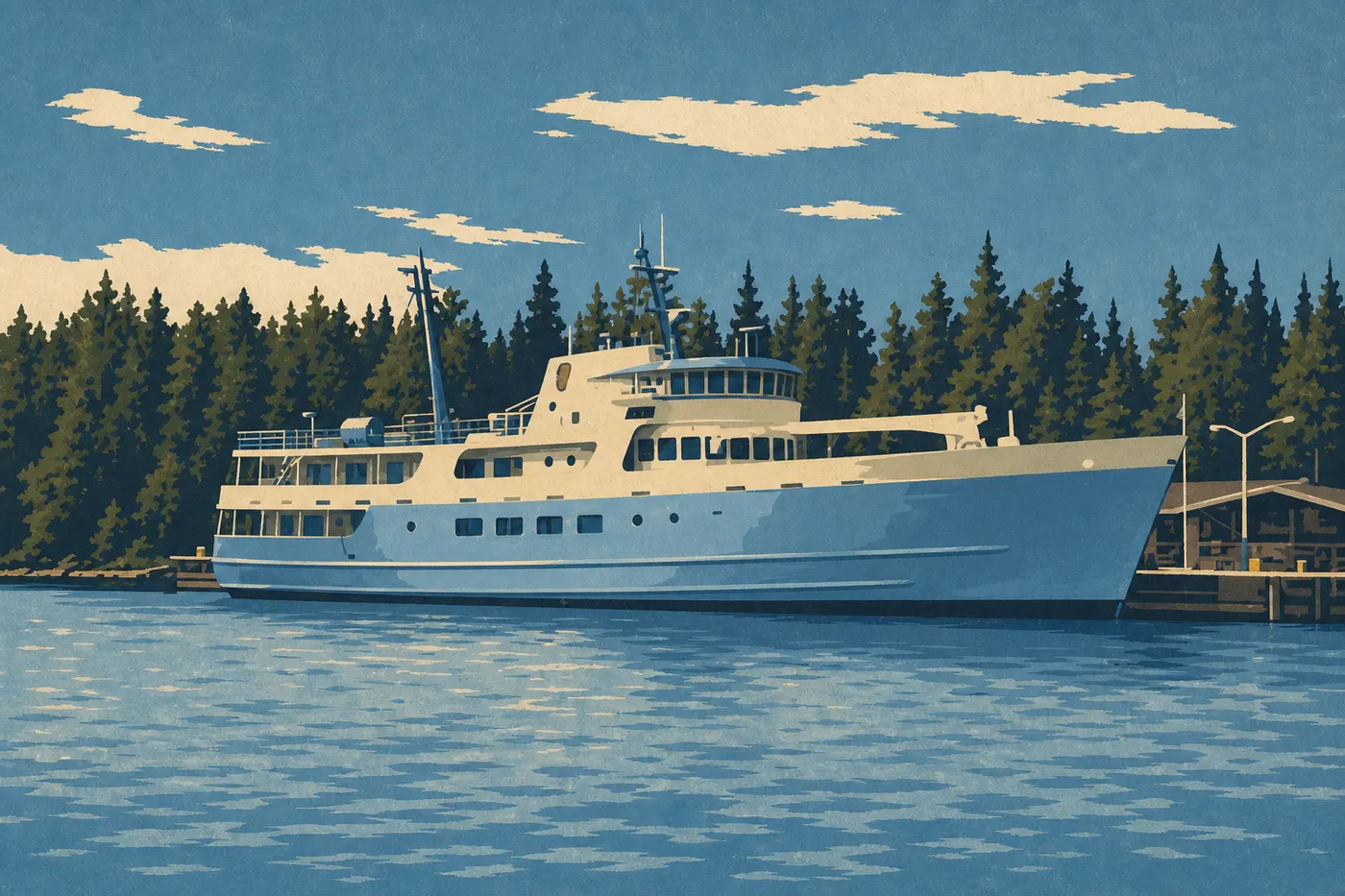
The west end gets fewer visitors than the east, which means you're more likely to see wildlife and experience an even greater sense of isolation.
Washington Creek is Windigo's main campground. The easy trail along the creek, about 1.2 miles, passes through moose habitat. Arrive at dawn, walk slowly, and keep quiet. The shallow bays around Windigo are ideal feeding grounds for moose, which wade into the water to browse aquatic plants. This is the easiest place in the park to watch them.
Feldtmann Lake and Feldtmann Ridge make a two- to three-day loop from Windigo, about 25 miles round-trip. The lake draws wildlife in the evening, including river otters, bald eagles, and moose along the edge. The ridge opens onto broad views of Lake Superior to the south. Even in peak season, the trail sees little traffic.
Minong Mine is a reminder that the island has a forgotten industrial history. Shafts and slag heaps point to the copper mining that came before the national park. You can reach the ruins via the Minong Ridge Trail on a day hike from Windigo. The Ojibwe were mining copper on the island centuries before the 19th-century miners arrived, and a few traces of their presence remain along the same trail.
The Backcountry: Greenstone Ridge and the Inland Lakes
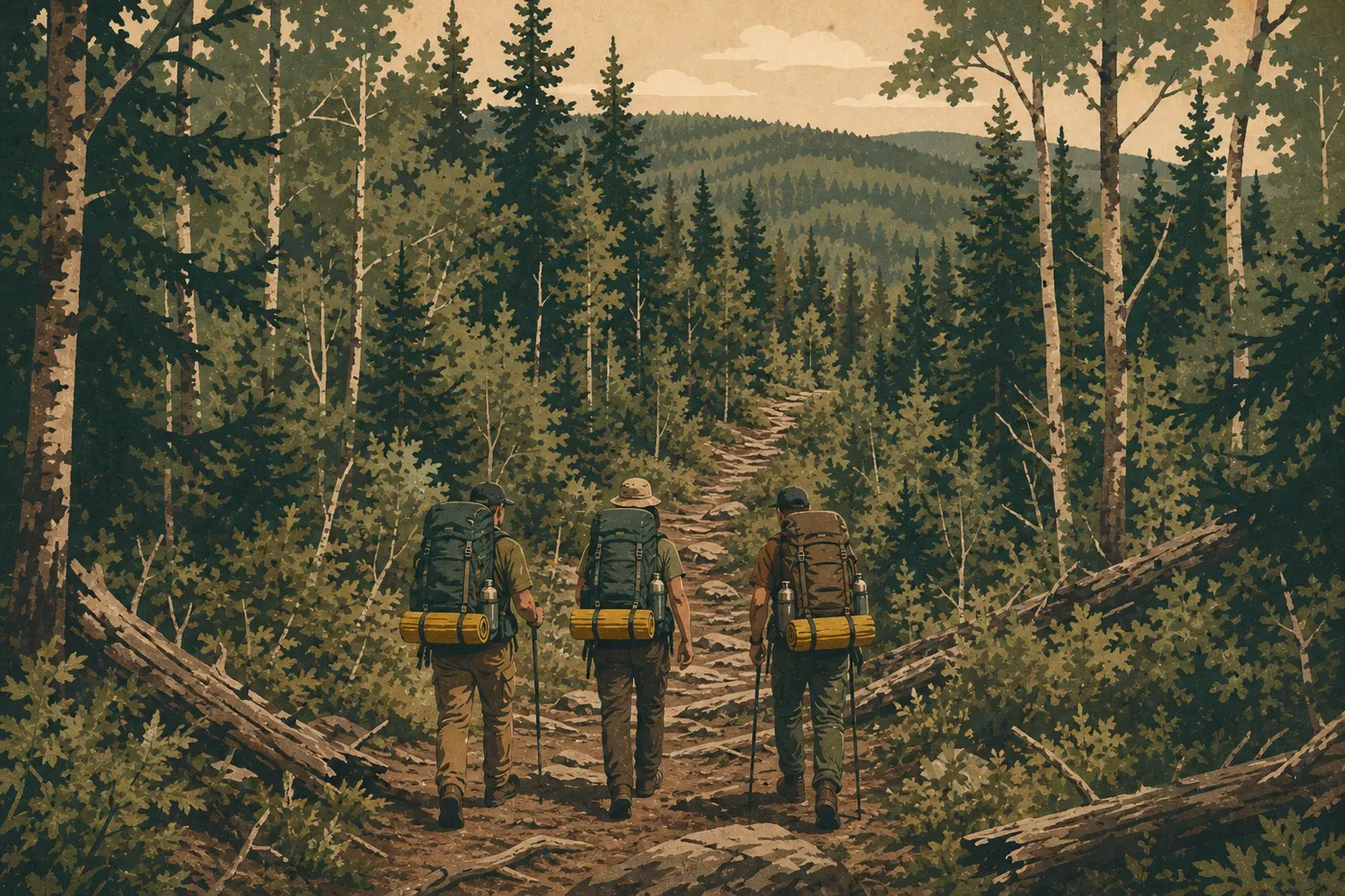
The Greenstone Ridge Trail is the island's backbone. It connects Rock Harbor and Windigo for about 72 miles, staying on the highest ridge. Mount Desor rises to 1,300 feet. From the summit, Lake Superior stretches in every direction. The full crossing usually takes five to eight days, depending on your pace and chosen campsites.
The inland lakes form a separate network connected by portages and side trails. Siskiwit Lake deserves special mention. It's the world's largest freshwater lake on an island surrounded by freshwater, a geographic record we had no idea about until we arrived. Kayak portages between the lakes are short, but carrying a boat loaded with all your camping gear makes every crossing count. The inland lakes are also much warmer than Lake Superior in summer, so swimming is manageable in July and August.
The Best Hikes in Isle Royale
Isle Royale has about 161 miles of marked trails. The trails are well maintained but often muddy after rain. The island gets significant moisture, amplified by the Lake Superior waters surrounding it. Gaiters and waterproof shoes are well worth packing.
Three routes come up most often in visitors' questions:
- Scoville Point Loop (4 miles, easy, 2 hours): the ideal first-evening walk from Rock Harbor, suitable for all ability levels.
- Greenstone Ridge Traverse (72 miles, 5 to 8 days): the full island crossing and a North American long-distance backpacking classic.
- Feldtmann Loop (about 25 miles, 3 days, from Windigo): the route to choose for wildlife watching and solitude.
The Isle Royale hikes guide includes elevation profiles, durations, and difficulty ratings.
Other Activities by Traveler Profile
Wildlife Watching
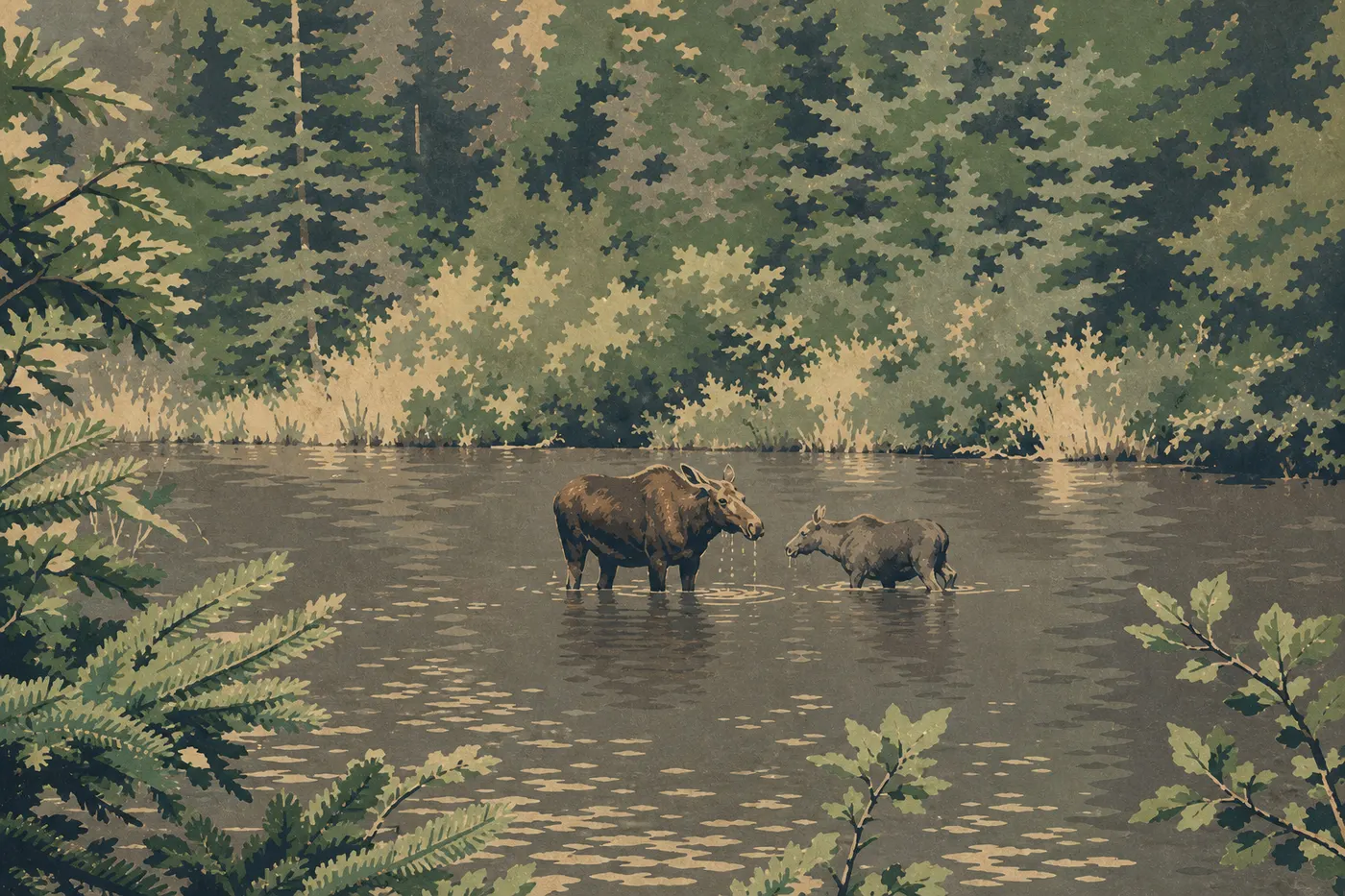
Isle Royale is the setting for one of the longest-running scientific studies of predator-prey dynamics. The University of Michigan has tracked wolves and moose continuously since 1958. The wolf population is small and elusive, so seeing one is a lucky break. Moose, on the other hand, are almost guaranteed in Windigo's wetlands, especially at dawn and in the late afternoon.
Beavers live along most of the island's inland waterways, and you can easily spot their dams from the trails. River otters frequent the shores of the inland lakes. Common loons accompany every sunrise and sunset on the water, their calls carrying across the park's deep silence. Bald eagles nest in several areas of the island. The Isle Royale wildlife guide covers each species in detail.
Kayaking and Canoeing
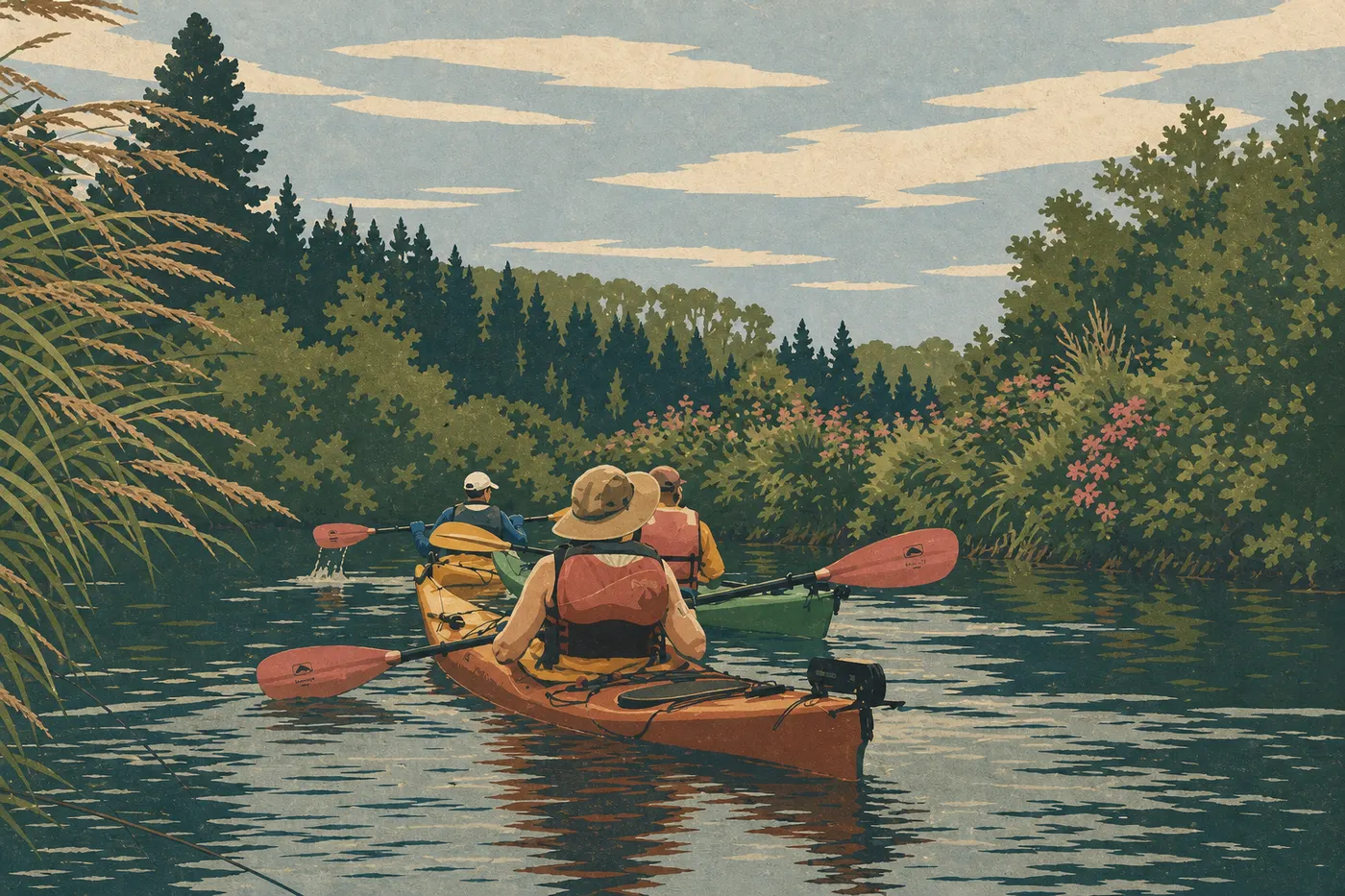
Paddling a sea kayak along the island's shores is a unique national park experience. The coastline is deeply indented, with sheltered bays, coves you can't reach on foot, and narrow passages between offshore islands. Distances between coastal campgrounds are manageable, usually 6 to 12 miles per day on most routes.
Lake Superior can be unpredictable, though. Waves can build quickly and reach significant heights within a few hours. Stay close to shore, check the weather every morning, and never head onto open water if waves exceed 24 inches. Kayak rentals are available at Rock Harbor. Lake Superior safety guidance is available at the Rock Harbor visitor centers and at the ferry dock.
Scuba Diving
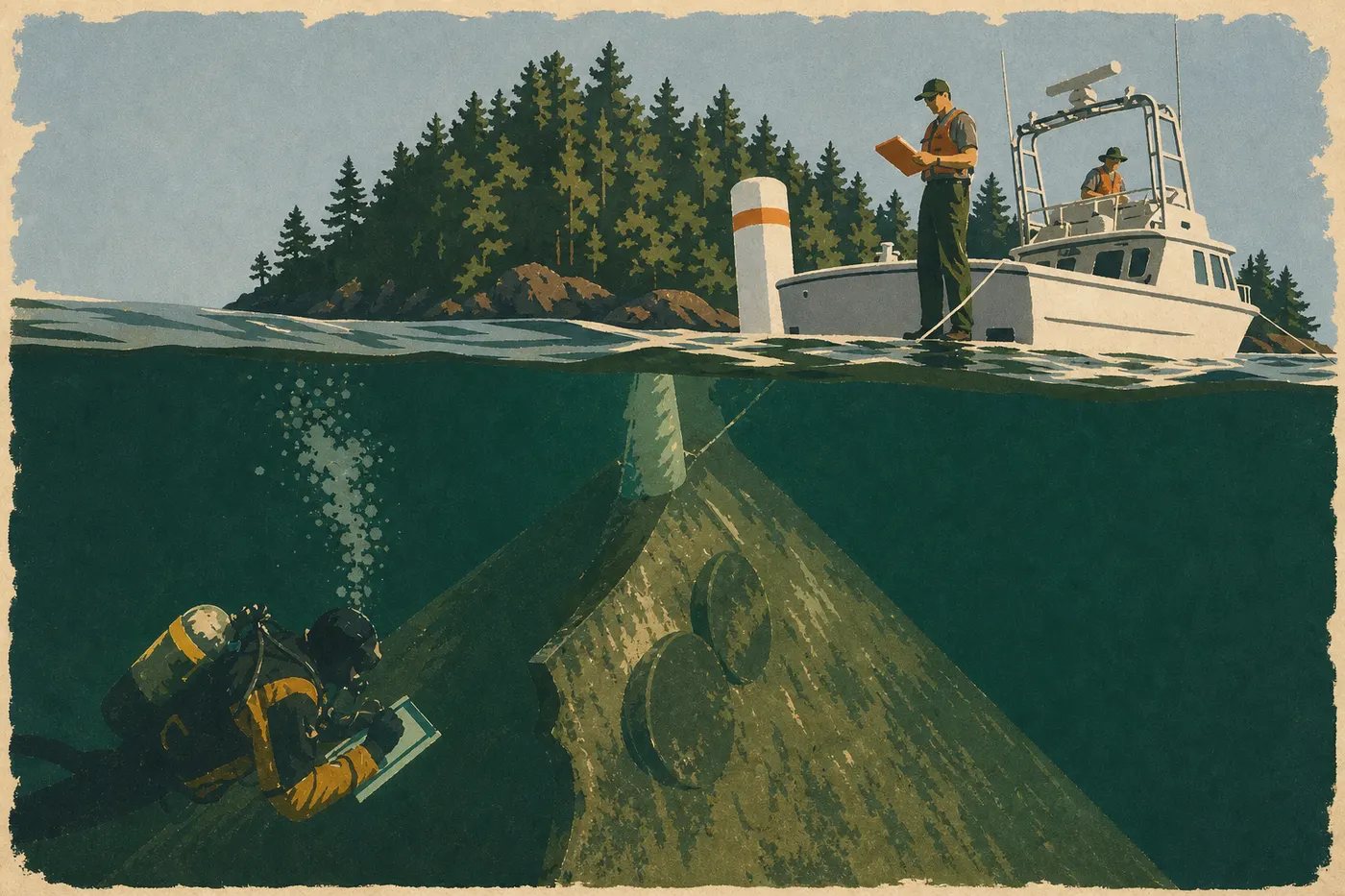
Isle Royale is one of North America's most remarkable freshwater dive destinations. Lake Superior preserves at least ten historic shipwrecks around the island, in exceptionally clear water with visibility of 49 to 66 feet on a good day. Water temperatures stay between 39 and 46°F even in summer, preserving the wrecks in remarkable condition.
Among the most visited are the America (sank in 1928 and is shallow enough to reach from the surface with fins), the Kamloops (1927, a deeper wreck for experienced divers), and the Chester A. Congdon (1918, one of the lake's largest wrecks). No gear is available to rent on the island, so everything has to come in your luggage. A dry suit is essential. A wetsuit won't keep you warm enough in these temperatures.
Fishing
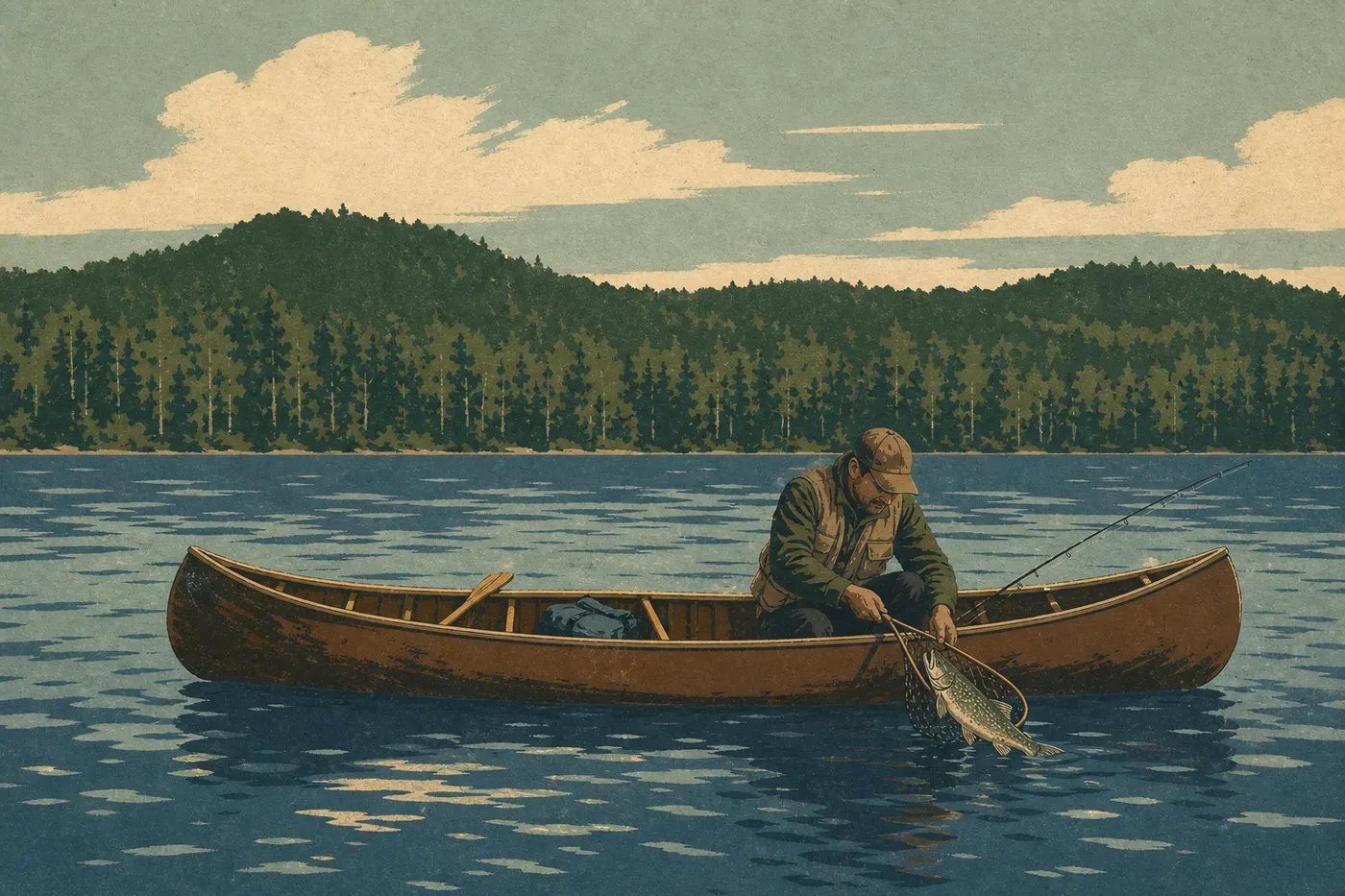
Fishing is allowed in the park with a valid Michigan fishing license. No additional NPS permit is required, but some areas are protected and closed to fishing. Check the zoning maps at the visitor center before heading out. Species include lake trout, northern pike, walleye, and largemouth bass. The inland lakes are the easiest places to fish for a day from a campground.
Stargazing and Photography
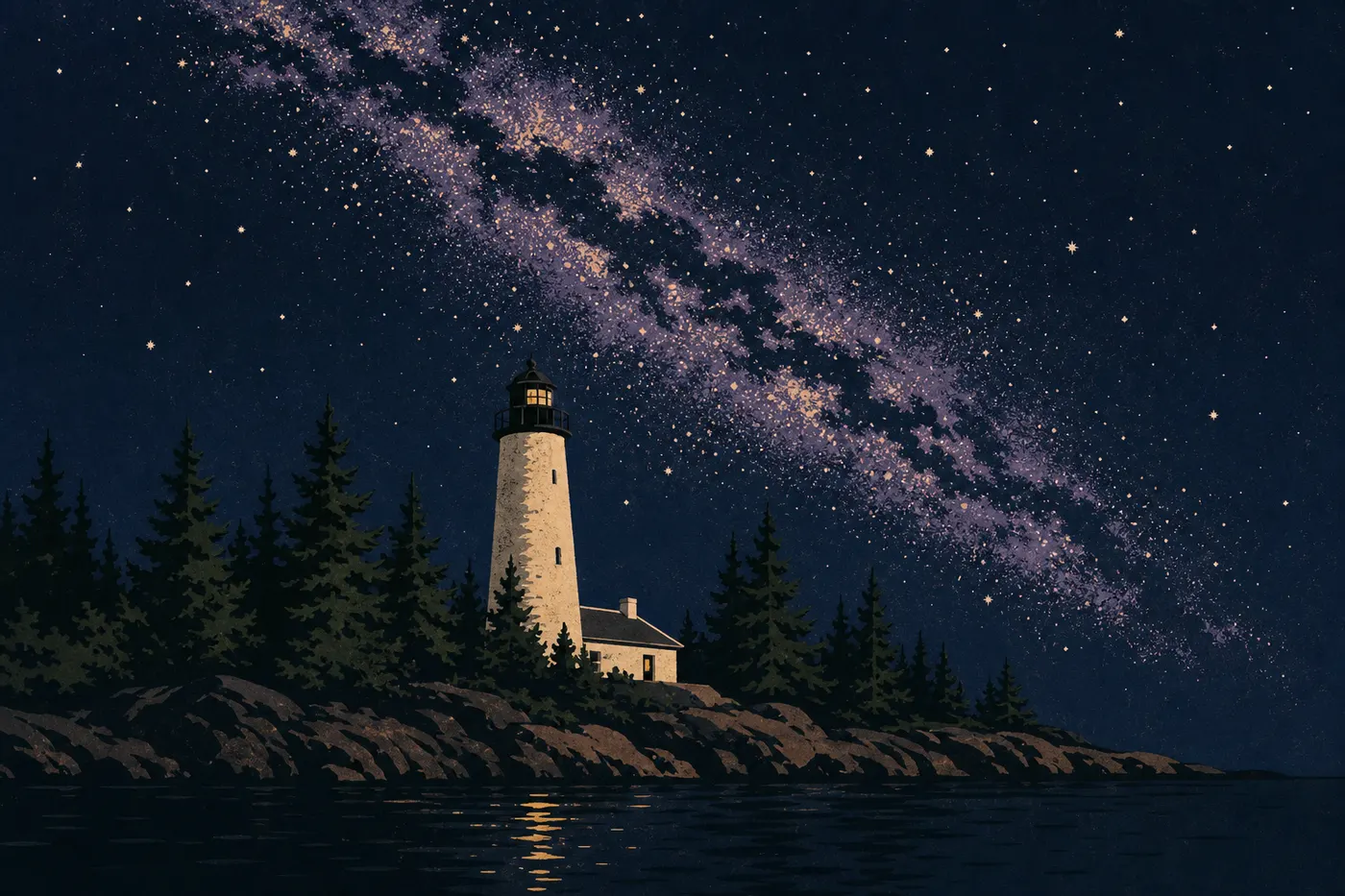
Isle Royale is designated an International Dark Sky Park by the IDA. With no artificial light anywhere on the island, you can see the Milky Way with the naked eye around the new moon. August and September bring the longest nights, with temperatures that are still comfortable enough to sleep outside. A tripod is essential for night-sky photography. For wildlife photography, moose in Windigo's bays at sunrise, silhouetted in the morning fog, are among the most striking scenes we've seen in an American park.
What to Do Around Isle Royale
Getting to the island means passing through one of its two gateway towns: Houghton or Copper Harbor in Michigan, or Grand Portage in Minnesota. Each is worth an overnight stay before or after your time on the island.
The Keweenaw Peninsula in Michigan deserves a full day of its own. Keweenaw National Historical Park tells the story of the copper mining that shaped the entire region in the 19th century. Copper Harbor, at the peninsula's tip, is a village of fewer than 100 people with direct views of Lake Superior and several trailheads nearby. Fort Wilkins State Park, a few miles away, preserves a well-maintained 19th-century military fort.
In Minnesota, Grand Portage is a place rich in history. Grand Portage National Monument tells the story of the voyageurs' route, which connected the Great Lakes with the continent's northwest by foot and canoe. The North Shore Highway (Highway 61) then follows Lake Superior to Duluth for about 124 miles, with roadside waterfalls and several state parks perched along the cliffs.
The site's Region and Road Trip guides provide context and bearings for these routes.
The Bottom Line: What to See First in Isle Royale
Isle Royale isn't a park you check off a list. You go there to get a little lost, and the logistics actively encourage it. With no cell phone, no cars, and ferries only twice a week, you have no choice but to settle into the island's rhythm.
If you have only three nights, stay in the east: Rock Harbor, Scoville Point, and one backcountry night on the Greenstone Ridge. With five nights, cross to Windigo. With seven, take time to follow the inland lakes on your way back.
The more time you give the island, the more it gives back. No one has ever left Isle Royale thinking they stayed too long.
The complete Isle Royale guide brings together every park topic, including weather, access, lodging, and hiking, so you can plan your trip from start to finish.
Frequently Asked Questions
What activities can you do in Isle Royale?
Activities in Isle Royale include hiking the Greenstone Ridge and coastal trails, watching wildlife such as moose, wolves, bald eagles, and loons, sea kayaking along Lake Superior's shores, diving historic shipwrecks, fishing in the inland lakes, and stargazing under unpolluted night skies. The park has no roads at all, so every activity happens on foot or on the water.
How many days do you need to visit Isle Royale?
Plan on at least three nights to get beyond Rock Harbor and into the backcountry. Five to seven nights lets you cross the island from east to west. The Isle Royale itineraries guide breaks down options by the time you have and the type of trip you want.
Is Isle Royale worth the trip?
Isle Royale is worth the journey if you're looking for an authentic wilderness experience far from the crowds. It's one of the least-visited national parks in the United States. The logistical challenge is exactly what preserves the island's atmosphere. People who make the effort to get there almost always come back glad they did.
What hike should you do in Isle Royale?
The best hike depends on how much time you have. For one day or your first evening, do the 4-mile Scoville Point Loop from Rock Harbor. For several days, take the 72-mile Greenstone Ridge Traverse, the park's signature route. The Isle Royale trails guide lists them all with durations and difficulty ratings.
Can you swim in Isle Royale?
You can swim in Isle Royale's inland lakes, especially Siskiwit Lake, where the water reaches manageable temperatures in July and August. Lake Superior itself stays between 39 and 46°F year-round. Prolonged swimming isn't recommended, and an accidental immersion can be dangerous.
How do you get to Isle Royale?
You can reach Isle Royale by ferry from Houghton or Copper Harbor, Michigan, to Rock Harbor, or from Grand Portage, Minnesota, to Windigo. A seaplane serves Rock Harbor from Houghton in about 35 minutes. Ferries operate from May through September. The ferry companies, schedules, and current fares are listed in the Isle Royale access guide.