
Indiana Dunes Wildlife: Animals to See and Where to Find Them
For its size, Indiana Dunes is one of the most biodiverse national parks in the United States. More than 350 bird species have been recorded here, a number that rivals much larger natural areas. Five animals capture what makes the park unique: the great blue heron, white-tailed deer, coyote, American white pelican, and monarch butterfly. You can find them without going far, as long as you know the right areas and the best times to look.
Indiana Dunes' Signature Animals
The Great Blue Heron
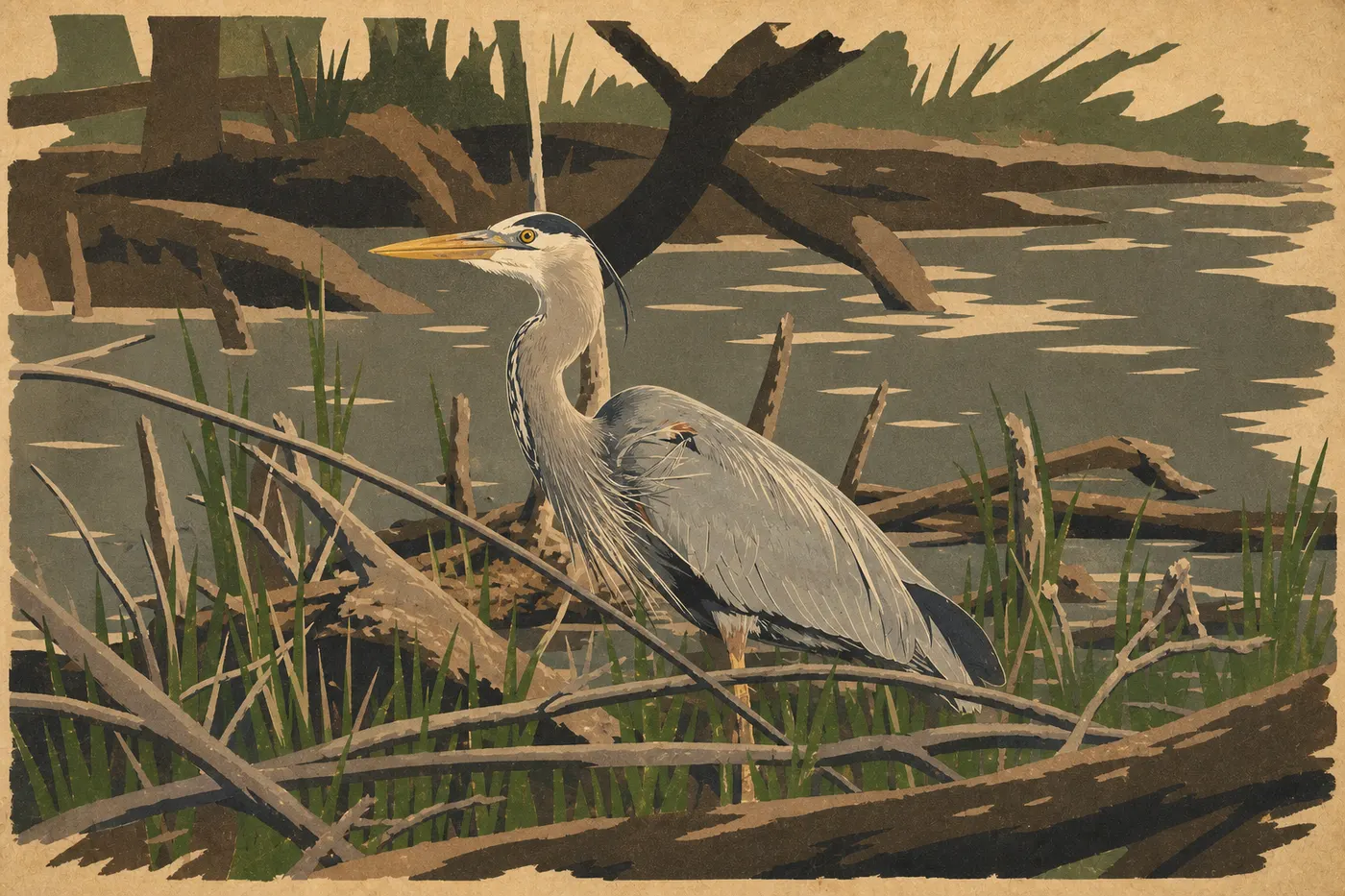
The great blue heron (Ardea herodias) is the park's most visible bird. It stands nearly 4 feet tall and has slate-gray plumage with a long black crest. You'll spot it along the edge of a marsh, standing motionless in a few inches of water as it watches for a fish or frog. The Great Marsh, north of the park, is its favorite hunting ground. In spring and summer, herons nest in colonies called rookeries. If you see one flying with its broad, rounded wings and its neck folded into an S, it's an image you'll remember.
Great Blue Heron or Great Egret: How to Tell Them Apart
The great egret (Ardea alba) frequents the same wetlands as the great blue heron, so it’s easy to mistake one for the other. Remember two clues: the great egret is all white with a yellow bill, while the great blue heron is gray with an orange-yellow bill and a black cap. They’re about the same size, behave similarly, and share the same habitat. See a large white wading bird at the Great Marsh? It’s an egret. If it’s gray, it’s a heron.
White-Tailed Deer
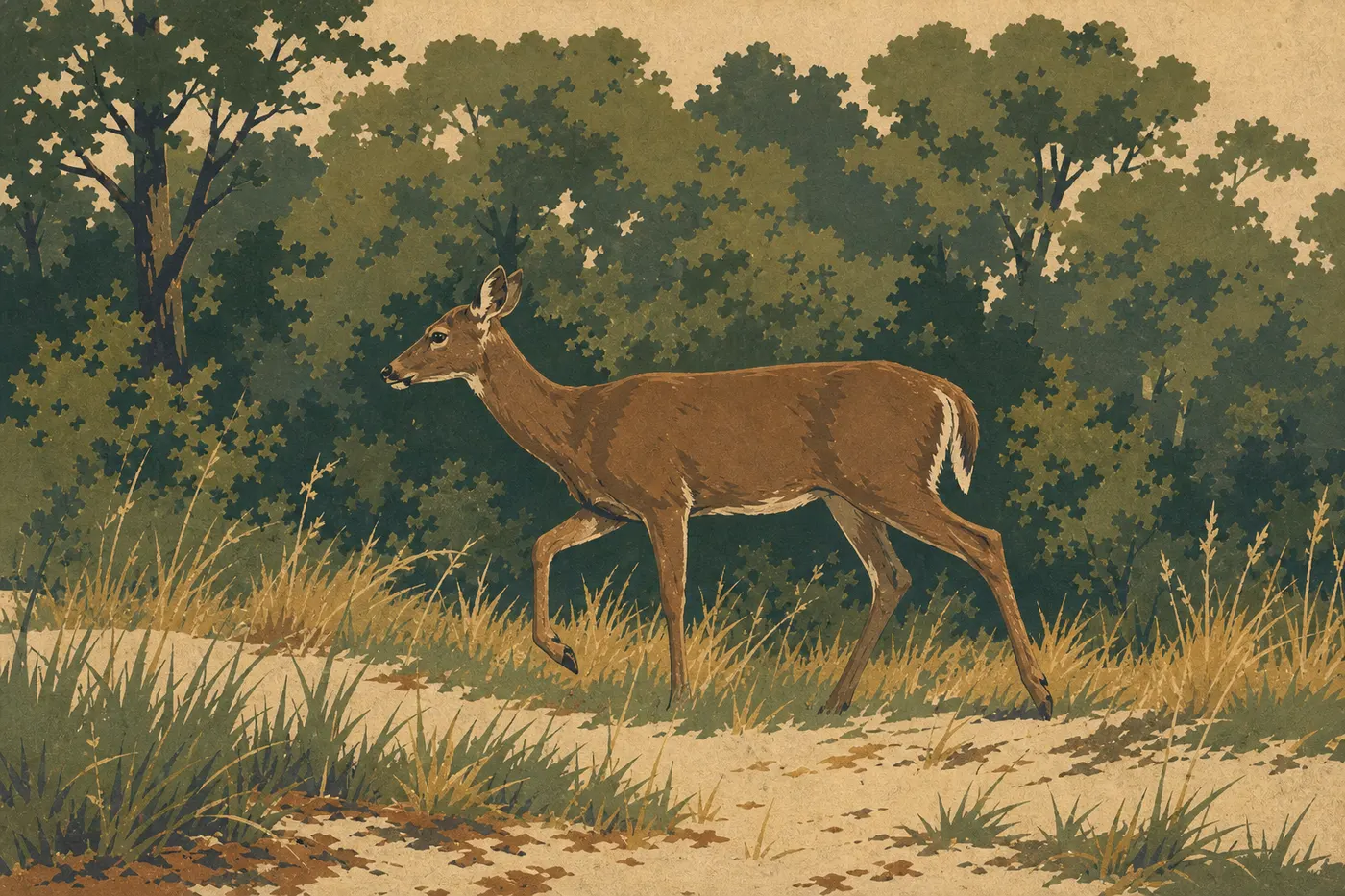
White-tailed deer (Odocoileus virginianus) are Indiana Dunes' most common land animal. Graceful and elusive, they frequent forest edges and transition zones between wooded dunes and wetlands. Does come out early in the morning and late in the day. Bucks, recognizable by their antlers, are especially active in November during the rut. Use extra caution on park roads at this time of year. Deer can cross without warning.
The Coyote
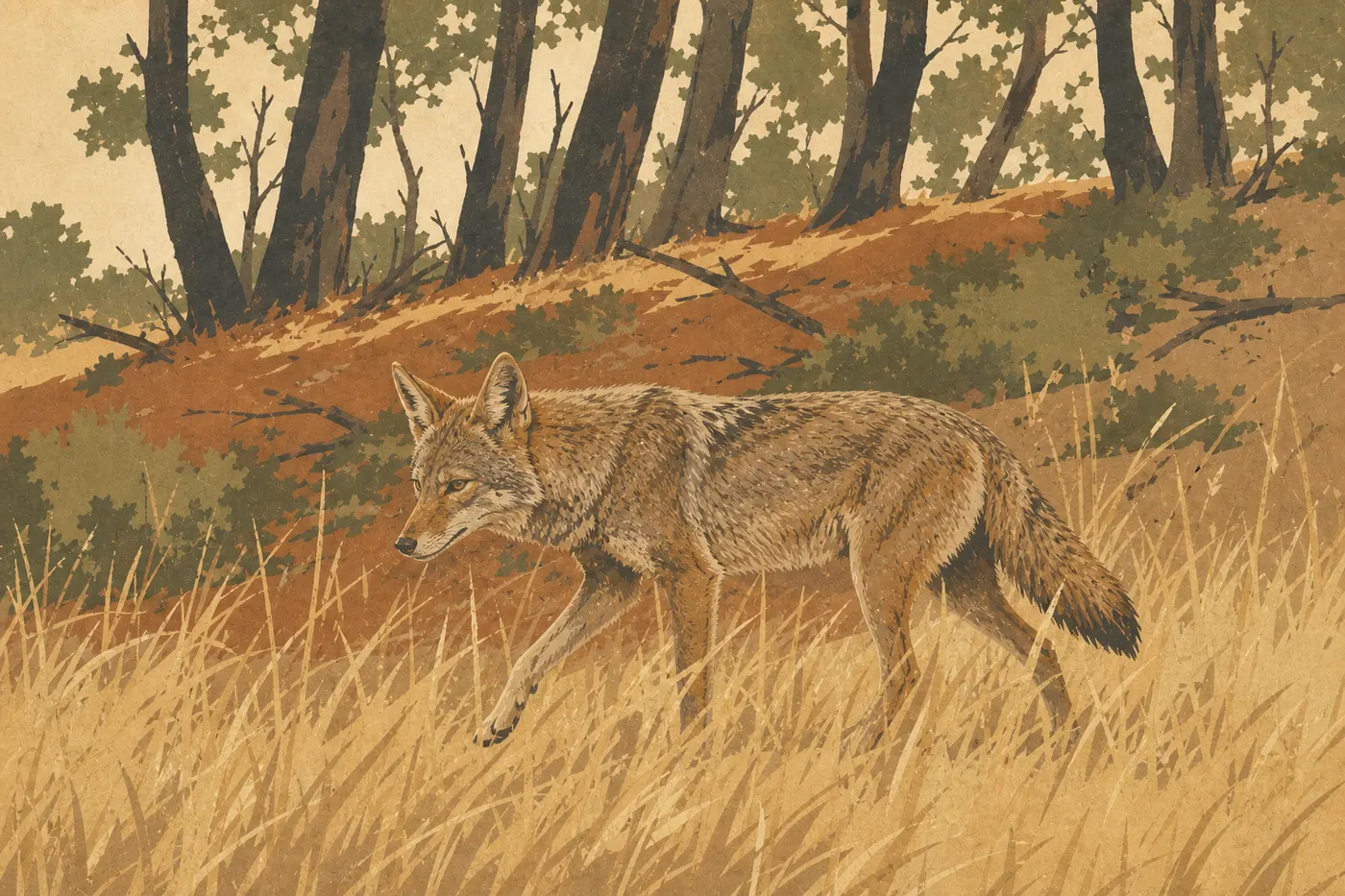
The coyote (Canis latrans) is Indiana Dunes' top predator. It looks like a small German shepherd, with gray-beige fur and a bushy tail carried low when it walks. Mostly nocturnal, it sometimes makes itself heard at dusk with its distinctive song, a mix of yaps and howls. You’re most likely to see one in wooded areas and prairies. Its presence is a good sign of a healthy ecosystem.
Migratory Birds and the American White Pelican
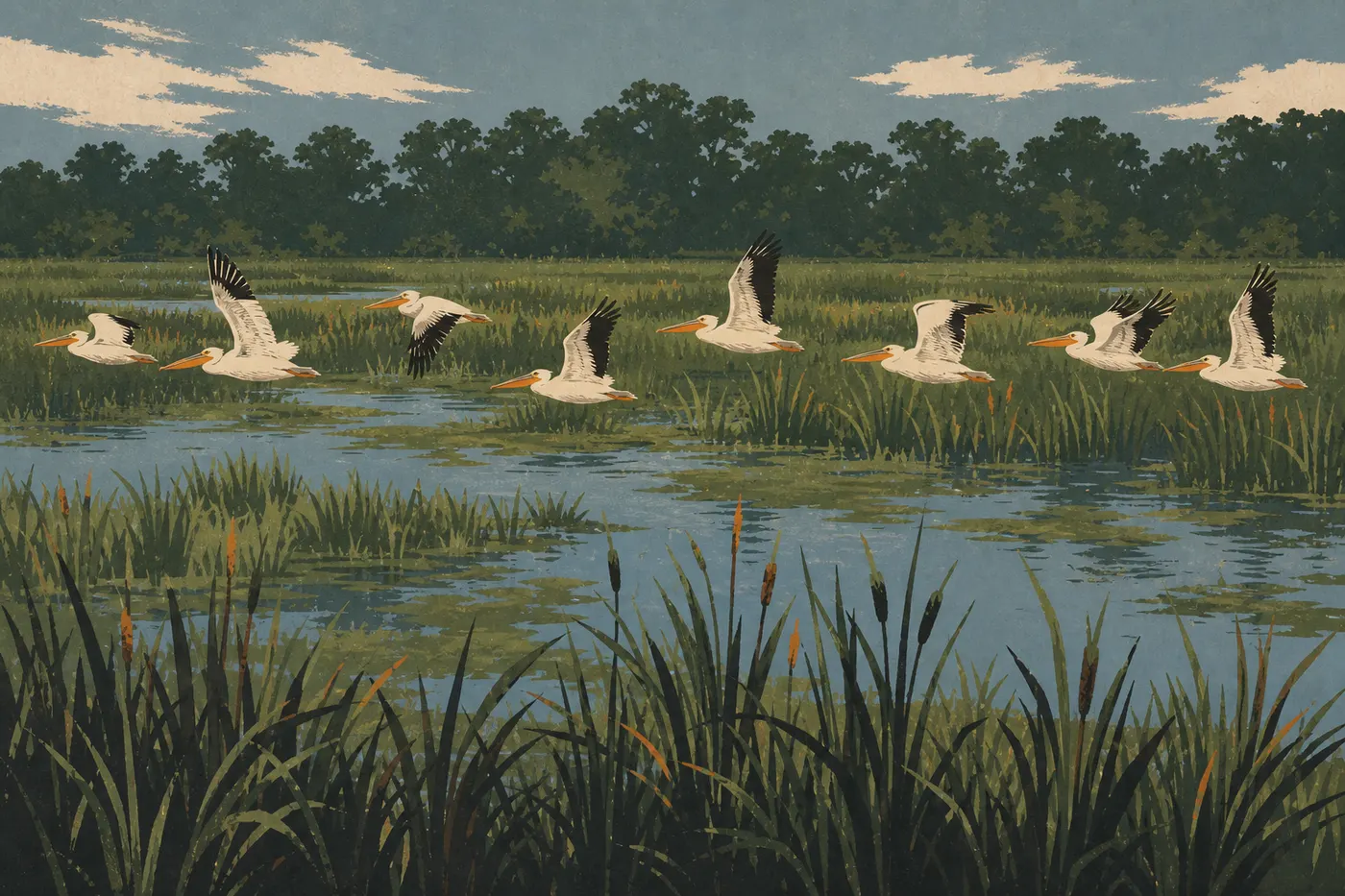
Indiana Dunes sits where several migration corridors meet, along Lake Michigan. The American white pelican (Pelecanus erythrorhynchos) is one of the spectacular species that pass through in spring and fall. Its large white wings edged in black and orange bill make it one of the park's most photogenic birds. Sandhill cranes (Antigone canadensis), recognizable by their raspy call, also fly over the park by the thousands every fall. In a single May morning, a careful observer can check off 15 species of warblers without leaving the trail.
The Monarch Butterfly
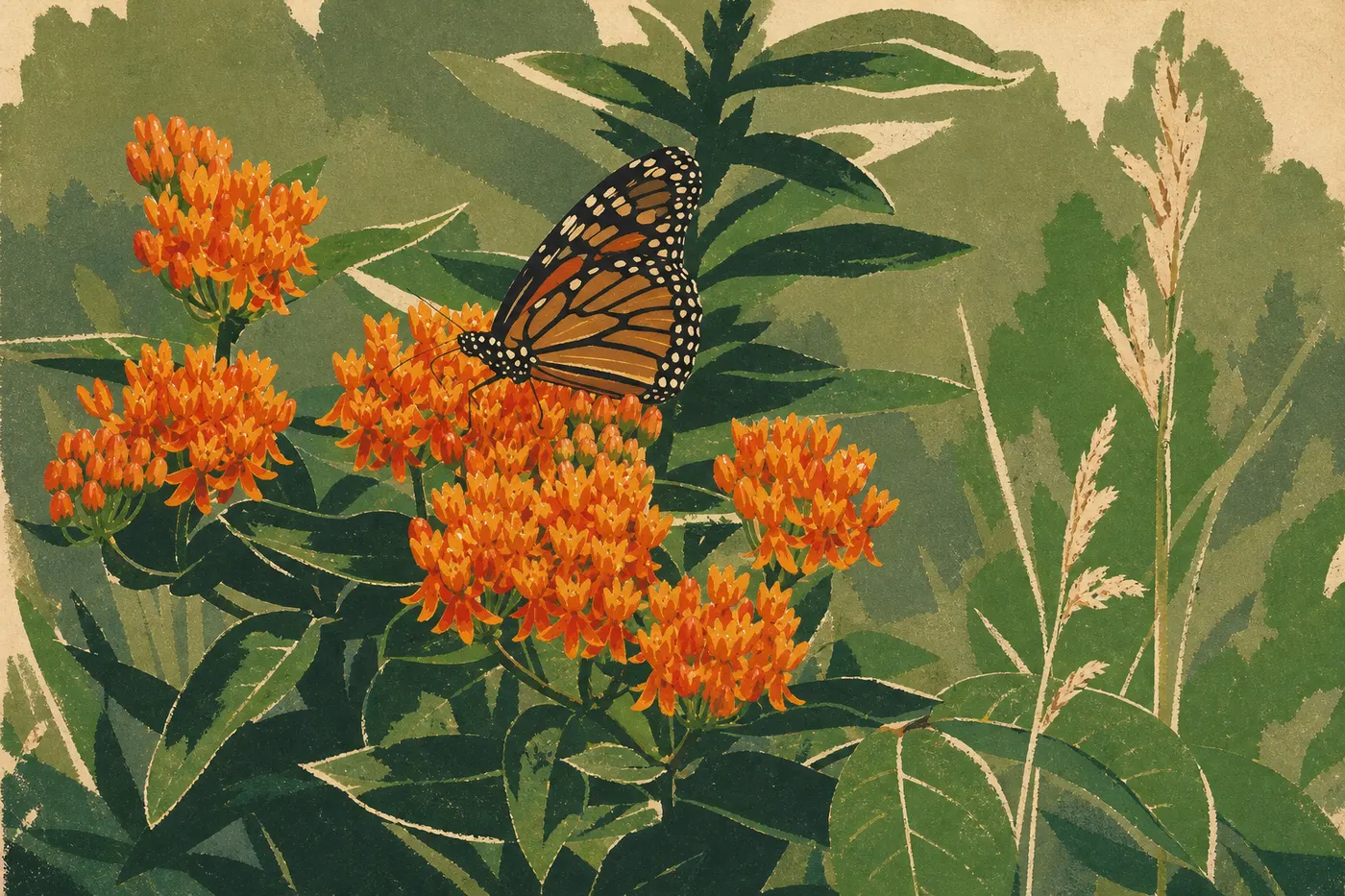
The monarch (Danaus plexippus) isn’t a mammal, but you can’t talk about Indiana Dunes wildlife without mentioning it. In September and October, clouds of these orange-and-black butterflies follow the Lake Michigan shoreline on their migration to Mexico. The park lies along their route, and milkweed edges become busy resting areas. It’s a sight few visitors expect and even fewer forget.
Where to See Wildlife in the Park
Great Marsh. This is Indiana's largest freshwater marsh. Herons, egrets, mallards, snapping turtles, and muskrats share the area throughout the season. You can access it from the Paul H. Douglas Center for Environmental Education. Early in the morning, mist on the water adds to the magic.
Lake Michigan Shoreline and West Beach. Pebble beaches attract gulls, grebes, and diving ducks in winter. This is where to look for American white pelicans in spring and scaup in the colder months. Bald eagles (Haliaeetus leucocephalus) perch along these shores starting in December, fishing beneath the ice.
Wooded Areas and Inland Dunes. Oak and tulip tree forests, especially around the Cowles Bog Trail, are ideal for watching deer at dawn and woodpeckers at any hour. Red foxes (Vulpes vulpes) pass through from time to time, especially early in the morning.
Prairies and Transition Zones. Grassy areas between the dunes shelter songbirds, ring-necked pheasants, and eastern cottontail rabbits (Sylvilagus floridanus). This is also where you’re most likely to see a coyote at dusk.
To find the trails that run through these spots, the Indiana Dunes hiking guide describes each trail, including its difficulty and length.
When to Watch for Wildlife
Spring (April-May). This is the most spectacular season for birds, with spring migration in full swing. Herons return to their rookeries, and deer are active after winter.
Summer (June-August). Crowded beaches push wildlife inland. Focus on wetlands at dawn, before the crowds arrive. Snapping turtles lay their eggs in the sand in June.
Fall (September-November). This is the best time for monarchs (September-October) and sandhill cranes (October-November). Deer enter the rut in November. Bucks are easier to spot, but they’re also less predictable. Bald eagles begin appearing along the shoreline.
Winter (December-March). The park empties of visitors, not wildlife. Snow makes it easier to read coyote and fox tracks. Bald eagles show up along the lake shore.
For monthly temperatures and visiting conditions, the When to Visit Indiana Dunes guide offers seasonal benchmarks.
Predators and Large Animals of Indiana Dunes
Good news for families: the park has no bears, cougars, or wolves. The coyote is the top predator, and a healthy coyote will run from people. Raccoons (Procyon lotor) and skunks (Mephitis mephitis) are more opportunistic. They may approach picnic areas if you leave food unattended.
In aquatic habitats, snapping turtles (Chelydra serpentina) deserve your respect. They can bite hard if they feel threatened. Leave them alone along the shore.
White-tailed deer can weigh up to 287 pounds in the case of large bucks. During the rut, an adrenaline-fueled buck doesn’t pay attention to where it’s going. Keep your distance and wait for it to cross on its own.
How to Watch Wildlife Safely
Keep your distance. Stay at least 100 feet from any wild animal. If an animal shows signs of agitation, such as a heron taking flight or a deer stamping its hoof, back away slowly without running.
Never feed wildlife. A raccoon accustomed to people loses its natural instincts. The same rule applies to shorebirds, including gulls.
Dogs must be leashed. Dogs are allowed in many areas, but they must stay on a leash no longer than 6 feet. A dog chasing a pheasant can disrupt the ecosystem and get lost in the dunes.
Stay on marked trails. In wetlands, leaving the trail can mean stepping on turtle nests or disturbing ground-nesting birds. The vegetation that stabilizes the dunes is quickly destroyed underfoot.
If you encounter a coyote. Stand up straight and make noise with a loud voice and raised arms. Don’t run. If you have a small dog, pick it up. The coyote will usually leave within a few seconds. Report any unusual behavior, such as an animal approaching without fear, to a ranger.
For the park's general guidelines, the Indiana Dunes overview provides additional guidance.
In Brief: Wildlife You Shouldn’t Miss and Where to Find It
| Species | Best spot | Best time |
|---|---|---|
| Great blue heron | Great Marsh | Year-round |
| White-tailed deer | Forest edges, Cowles Bog | Dawn/dusk, fall |
| Coyote | Prairies and inland dunes | Dusk, winter |
| American white pelican | Lake Michigan shoreline | Spring, fall |
| Monarch butterfly | Milkweed areas, shoreline | September-October |
| Bald eagle | Lake Michigan shore | December-March |
Frequently Asked Questions
What are Indiana Dunes' signature animals?
Indiana Dunes' signature animals are the great blue heron, white-tailed deer, coyote, American white pelican, and monarch butterfly. The park is also known for its exceptional bird diversity, with more than 350 species recorded within its boundaries.
What is the most common animal at Indiana Dunes?
The most common land animal is the white-tailed deer, which you can see at dawn and dusk in nearly every wooded area of the park. Among birds, the great blue heron and ring-billed gull are the most frequently spotted.
What is the largest animal at Indiana Dunes?
The park's largest animal is the white-tailed deer. Adult bucks can weigh up to 287 pounds. There are no bears, cougars, or elk at Indiana Dunes.
What predators live at Indiana Dunes?
The park's main predator is the coyote. Red foxes and snapping turtles also live here. No large predators, such as bears, cougars, or wolves, are present in the park.
What animals are out at night at Indiana Dunes?
Coyotes, raccoons, skunks, and Virginia opossums (Didelphis virginiana) are active at night. Some bat species hunt insects over wetlands after dark. Don’t leave food accessible in your car or tent. Raccoons are especially resourceful.
Where can I see wildlife at Indiana Dunes?
The Great Marsh is the best spot for waterbirds. The Lake Michigan shoreline attracts pelicans and eagles in season. The Cowles Bog Trail is ideal for deer and woodpeckers. On weekdays, outside the summer season, dawn and dusk offer the best odds of seeing wildlife with the fewest crowds.