
What to Do in Indiana Dunes: Must-See Sights and Activities
Indiana Dunes has a surprise for almost everyone. Less than an hour from Chicago, this national park packs 15 miles of Lake Michigan beaches, constantly shifting dunes, scientifically recognized wetlands, and wildflower prairies into one compact area. Five sites shape the visit: West Beach (the park's main developed, lifeguarded beach), Mount Baldy (the shifting dune moving toward the forest each year), Cowles Bog (the birthplace of dune ecology), the Bailly/Chellberg complex (two centuries of inland farming history), and the Calumet Trail (the park's main cycling route).
Indiana Dunes at a Glance: Areas, Access, and Getting Around
The park stretches about 15.5 miles from east to west along Lake Michigan in northern Indiana. It doesn't have one main entrance. Instead, it consists of about a dozen distinct areas connected by U.S. Highway 12 (the coastal road) and U.S. Highway 20 (the inland route). The distance between areas ranges from 3 to 9 miles, so driving is still the most convenient way to get around.
One notable exception is the South Shore Line, a commuter train connecting Chicago and South Bend. It serves Dune Park Station, a few minutes' walk from the Indiana Dunes Visitor Center, as well as Miller Station. If you're spending the day here from Chicago without a car, this is the option to choose.
The Indiana Dunes Visitor Center is on Indiana State Road 49 in Beverly Shores. With rangers on hand, free park maps, and the day's guided-tour schedule, it's the right place to start every visit, especially if you're visiting Mount Baldy, where access depends on ranger schedules. The guide to getting to Indiana Dunes covers routes from Chicago and parking for each area.
The entrance fee covers the entire park ($25 per vehicle, $15 on foot or by bicycle). West Beach charges a separate parking fee during the peak season. The National Park Fees & Passes page explains entrance fees and passes, including the America the Beautiful pass, which is valid at all federal parks.
How Much Time Do You Need to Visit Indiana Dunes?
A well-planned day is enough to cover West Beach, Mount Baldy, and a longer trail. That's the minimum time you'll need to get a sense of the park's variety. A full weekend lets you add the historic sites, less crowded beaches, and a birding outing. Three days open up other possibilities, including kayaking, biking the full Calumet Trail, and exploring the southern areas away from the tourist routes.
For travelers passing between Chicago and the eastern United States, Indiana Dunes makes an excellent one-day stop. For local residents, it's a park worth revisiting in every season. Winter views of Lake Michigan are nothing like the July beaches.
Detailed ready-made Indiana Dunes itineraries are organized by the time you have available, including an option for a quick train visit from Chicago. To choose the best season for your priorities, whether that's swimming, birding, or peace and quiet, see the guide to the best times to visit Indiana Dunes.
Must-See Sights, Area by Area
West Beach: The Park's Main Beach
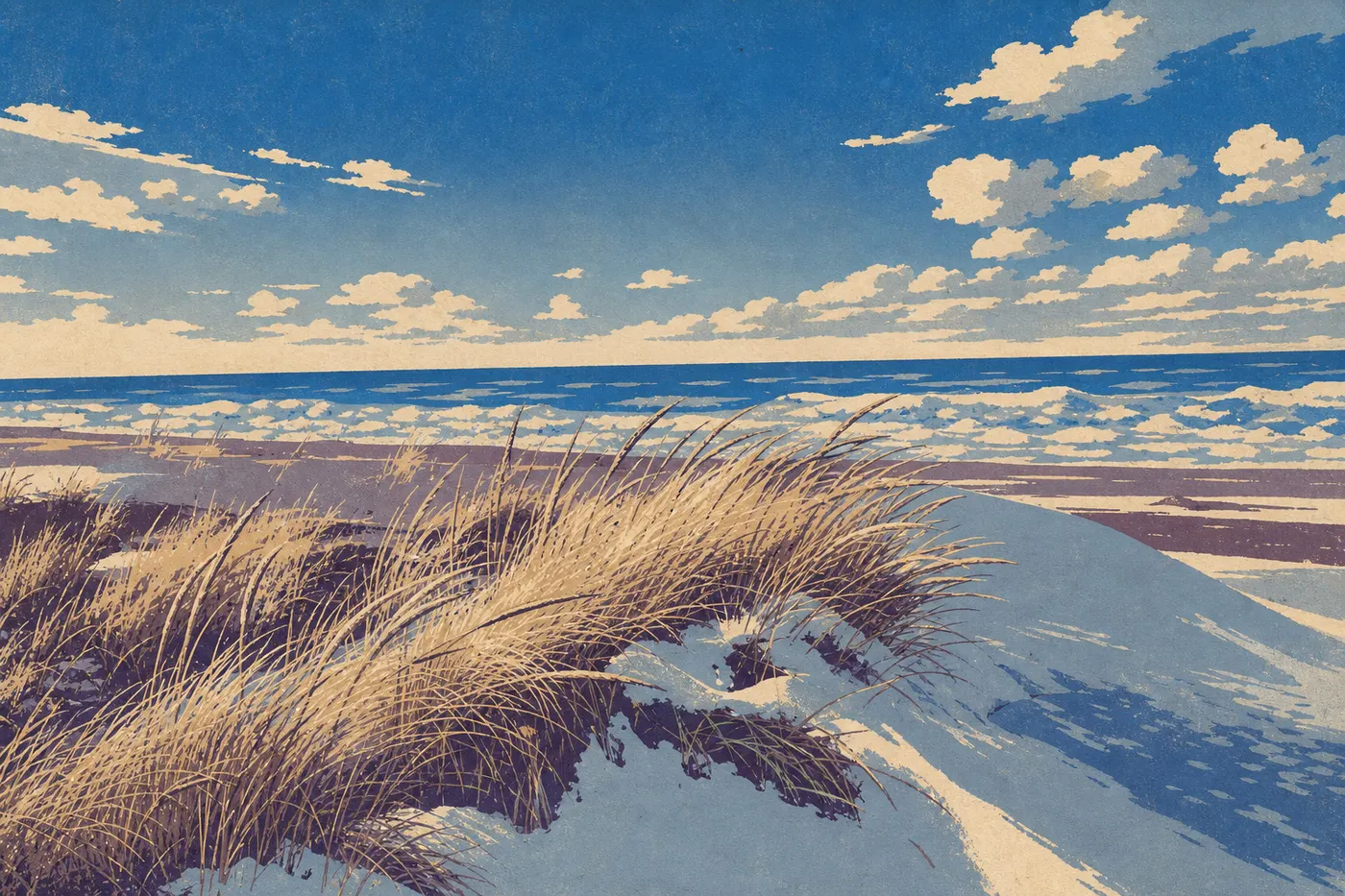
West Beach is the park's most developed area, with a large parking lot, restrooms, showers, lifeguards on duty from late June through Labor Day, and a wheelchair-accessible boardwalk. It's the ideal place for a first look at the park. The beach is broad, the lake starts warming up in July, and on a clear day the view from the top of the coastal dune reaches all the way to the Chicago skyline.
Two trails start at West Beach. The Long Lake Trail descends to a freshwater lagoon enclosed by a line of dunes, offering a striking example of the range of habitats concentrated within a few hundred yards. The West Beach Trail follows the dune ridge above the beach. It's a good choice early in the morning, before the heat and crowds arrive.
Practical tip: West Beach parking lots fill up by 10 a.m. on July and August weekends. Arrive before 9 a.m., or take the train from Chicago and use the park shuttle.
Mount Baldy: The Moving Dune

Mount Baldy is an active dune. It moves about 3 to 6 feet a year inland, burying trees in its path. Trees trapped beneath the sand create cavities that can suddenly collapse. That's why you can only access Mount Baldy with a ranger, as has been the case since 2013. Guided tours are free, but schedules vary by season. Check the day's schedule at the Visitor Center or on nps.gov/indu before you go.
The hike takes 30 to 40 minutes round-trip over loose sand. It's more physically demanding than it is long. From the top, you'll see Lake Michigan on one side and the partially buried forest on the other. It's one of the few places where you can see a landscape changing on a human, rather than geological, timescale.
Recommended gear: closed-toe shoes (the sand gets extremely hot in summer), plenty of water, and sunscreen.
Cowles Bog: The Birthplace of Dune Ecology
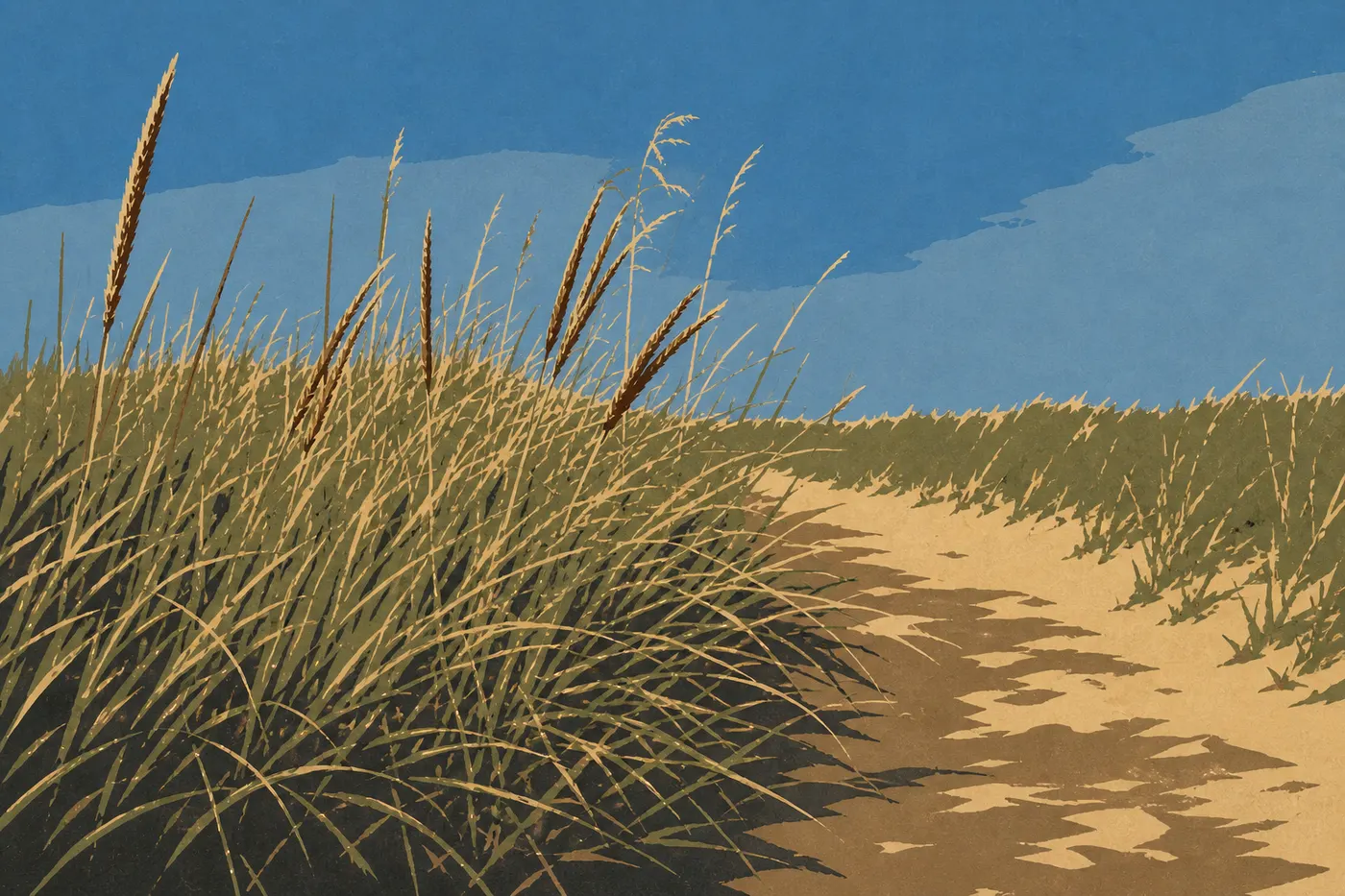
Cowles Bog is a National Natural Landmark. In the early 20th century, University of Chicago botanist Henry Chandler Cowles developed his theory of ecological succession here. The theory holds that plant communities change predictably over time in the same location. Still taught in environmental biology programs today, it was born here on the shore of Lake Michigan.
The Cowles Bog Trail, about 4.3 miles round-trip at a moderate difficulty level, passes through every stage of this succession in less than two hours: open beach, shifting foredune, wooded dune, freshwater marsh, and wet forest. The route has a clear internal logic, and rangers do a good job explaining it on guided outings.
Things to expect: the ground is wet in every season, mosquitoes are active from May through September (repellent is essential), and the trail isn't suitable for strollers.
Bailly Homestead and Chellberg Farm: Two Centuries of Inland History

A few miles south of the lakeshore, in the park's wooded area, two historic sites sit less than 1,640 feet apart and are connected by the Bailly/Chellberg Trail, an easy 1.9-mile loop.
The Bailly Homestead was the home of Joseph Bailly, a French Canadian fur trader who settled here around 1822 and became a central figure in the fur trade across the Great Lakes region. Several period buildings are preserved on the site.
The Chellberg Farm, just a short walk away, was founded by Swedish immigrants in the late 19th century. The NPS keeps it operating as a working farm, complete with an orchard, farm animals, and period tools. Rangers offer demonstrations on seasonal weekends, including hands-on activities for children. Visitors rushing toward the beaches often overlook it, yet families tend to enjoy the stop. Our Family Guide lists the seasonal educational programs at both sites.
The Central Beaches: Kemil Beach, Dunbar Beach, and Lake View Beach
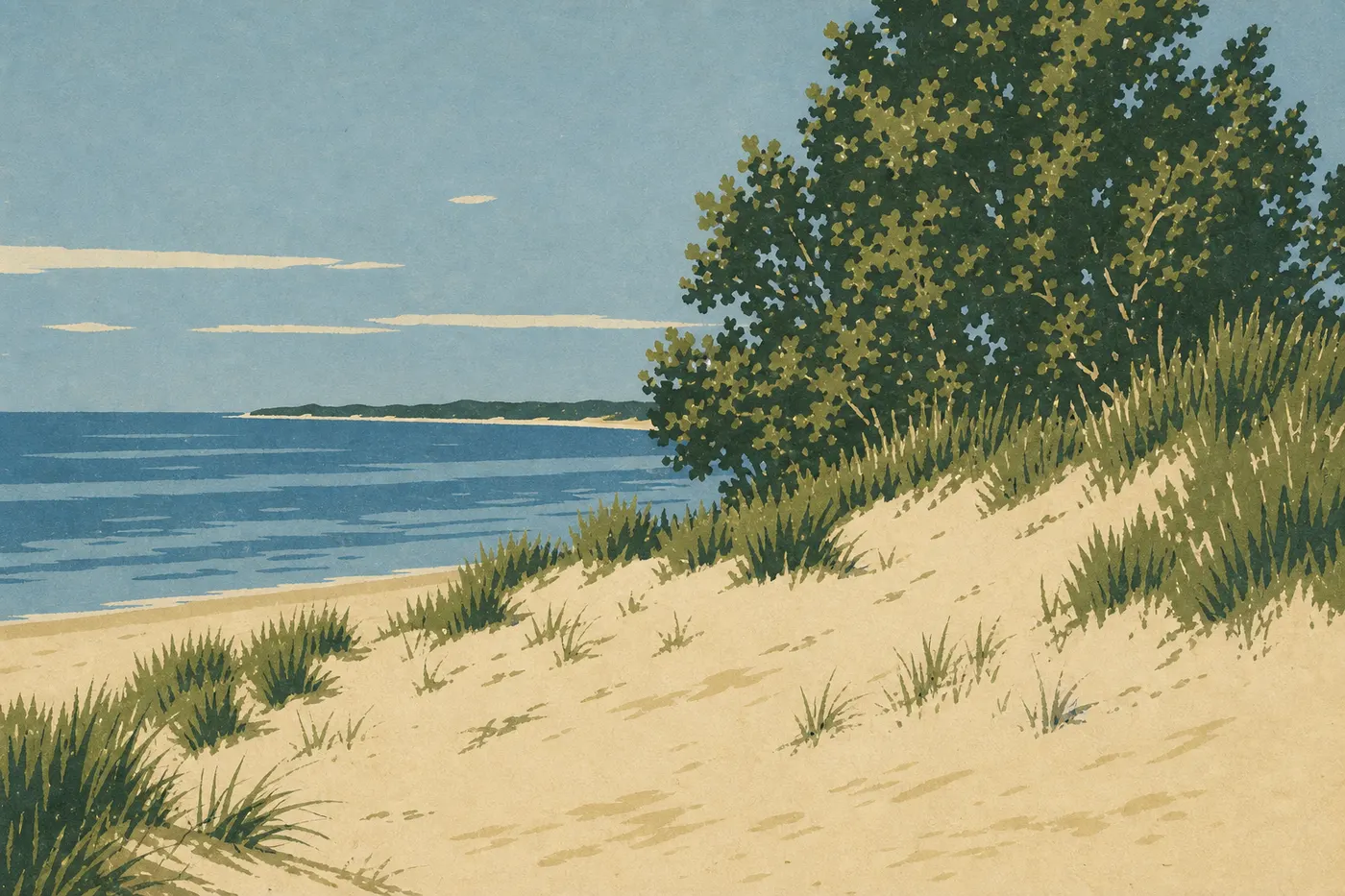
Between West Beach to the west and Mount Baldy to the east, several lesser-known beaches offer a quieter experience. Kemil Beach and Dunbar Beach don't have dedicated parking during the peak season. Lake View Beach is accessible from the village of Beverly Shores. None of these beaches has a lifeguard. Swim at your own risk, and check the warning flags before entering the water.
These beaches are a good choice if you're looking for an hour of peace and quiet outside the peak weekend crowds. In September, after American schools go back to class, visitation drops sharply all along the central coast.
Paul H. Douglas Center for Environmental Education: The Industrial Side of the Park
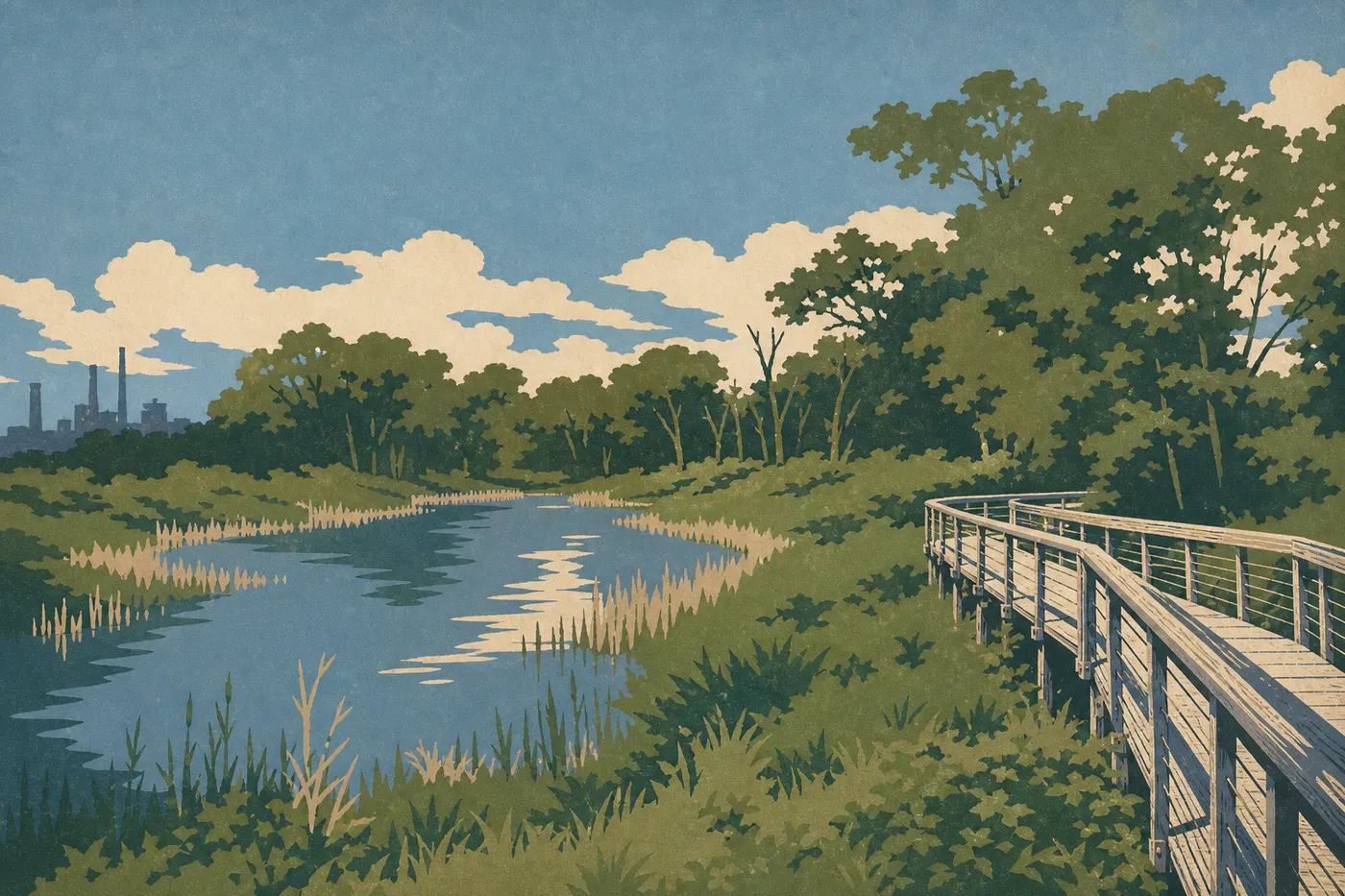
Located in Portage, this center serves both as an information hub and a starting point for several activities, including kayaking on Burns Ditch, the trails at Portage Lakefront & Riverwalk, and access to a beach in a formerly industrial area. Admission is free.
This area has a distinctive setting because it borders active port facilities. Here, nature and industry visibly coexist. It's one of the features that sets Indiana Dunes apart from other American national parks. This land was reclaimed from industrial and urban pressure, and its scars are part of the story.
The Best Hikes in Indiana Dunes
The park offers more than 50 miles of trails, from the 3 Dune Challenge (a 1.5-hour hike over loose sand with no shade, best avoided in extreme heat) to the Cowles Bog Trail (a moderate 4.3-mile loop) and the Ly-co-ki-we Trail (flat terrain that's suitable for snowshoes in winter). The Indiana Dunes hiking guide covers every trail, including difficulty, elevation gain, surface conditions, and trailhead parking.
Other Activities by Interest
Birding: A Nationally Recognized Migration Crossroads
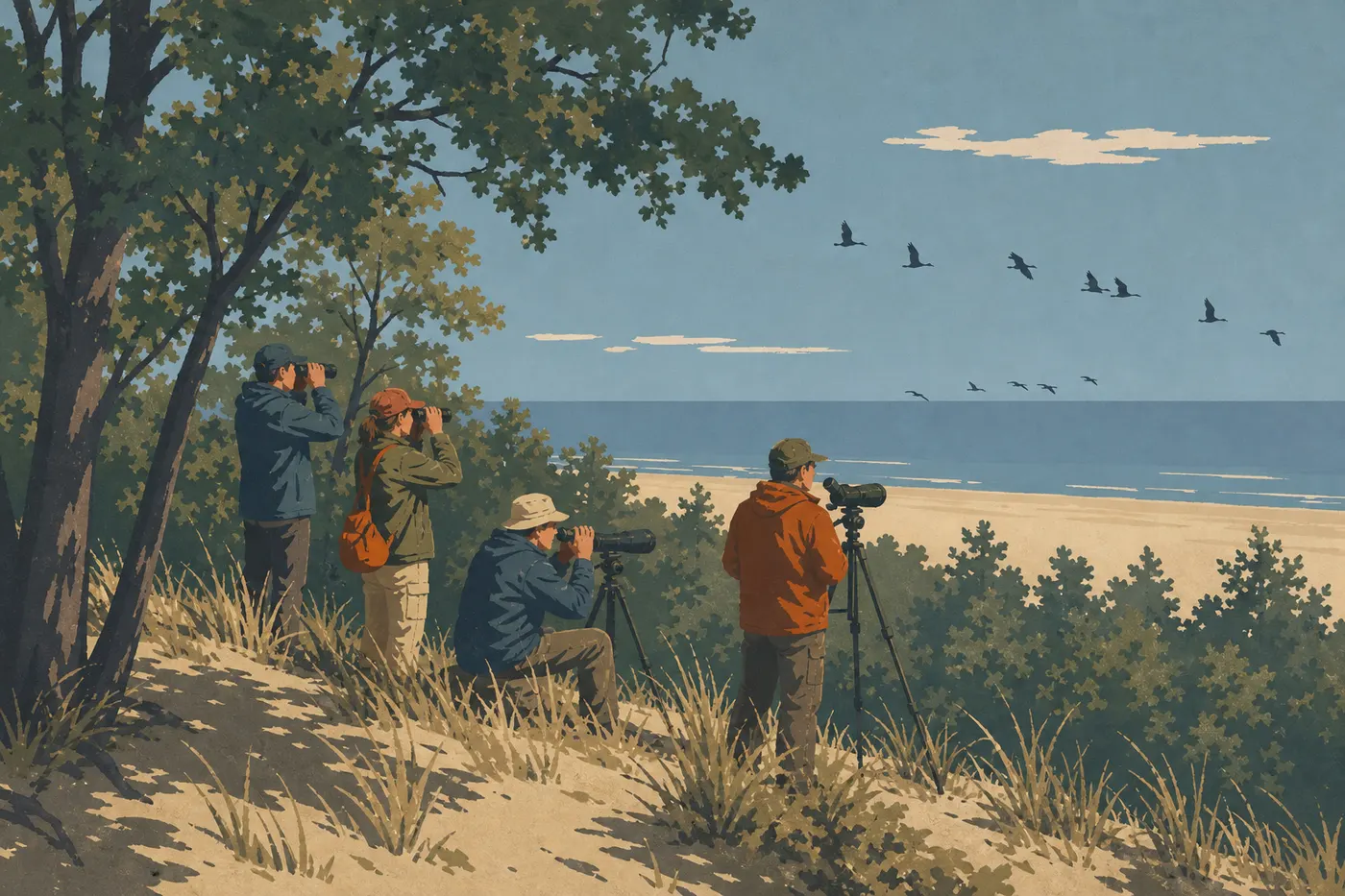
Indiana Dunes lies along the Great Lakes migratory flyway. More than 350 bird species have been recorded here. The heaviest migrations take place in May, when warblers, shorebirds, and raptors pass through, and again in September and October. The Migratory Bird Festival, held every spring, brings birders from across the country together.
The most productive areas are Cowles Bog for wetland species, Bailly Homestead for woodland-edge birds, and Portage Lakefront for lake birds. Binoculars and a North American bird guide are enough to get started. The Indiana Dunes wildlife guide introduces the area's signature species and the best times of day for each season.
Kayaking and Paddleboarding: Burns Ditch and the Lakefront
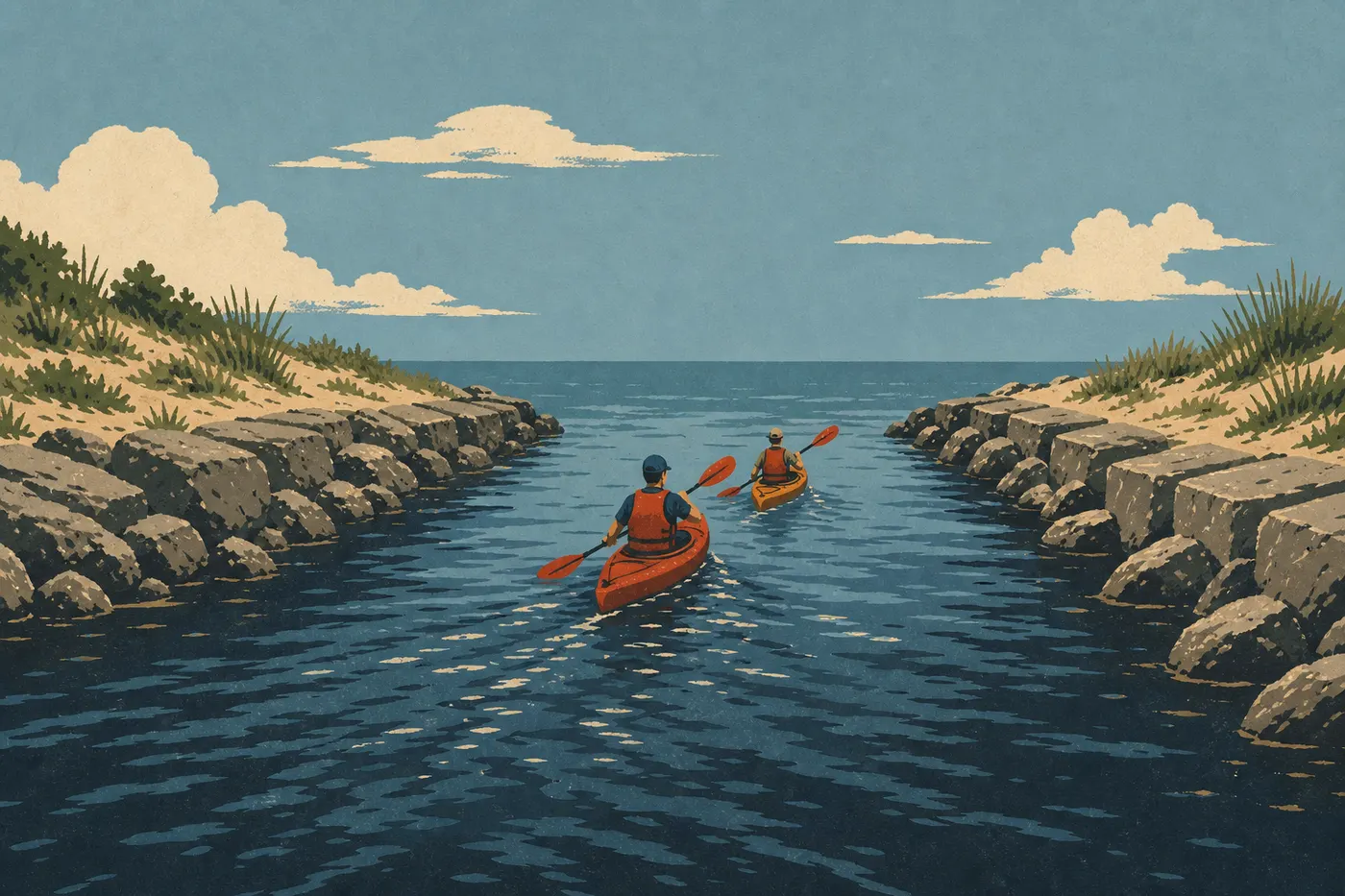
From the Paul H. Douglas Center, Burns Ditch provides a calm launch for kayaking or stand-up paddleboarding. Heading toward Lake Michigan gives you a view of the coast from the water, with Portage's industrial skyline in the background. There are no rentals on site, so you'll need to bring your own equipment or rent it in Michigan City.
Biking: The Calumet Trail
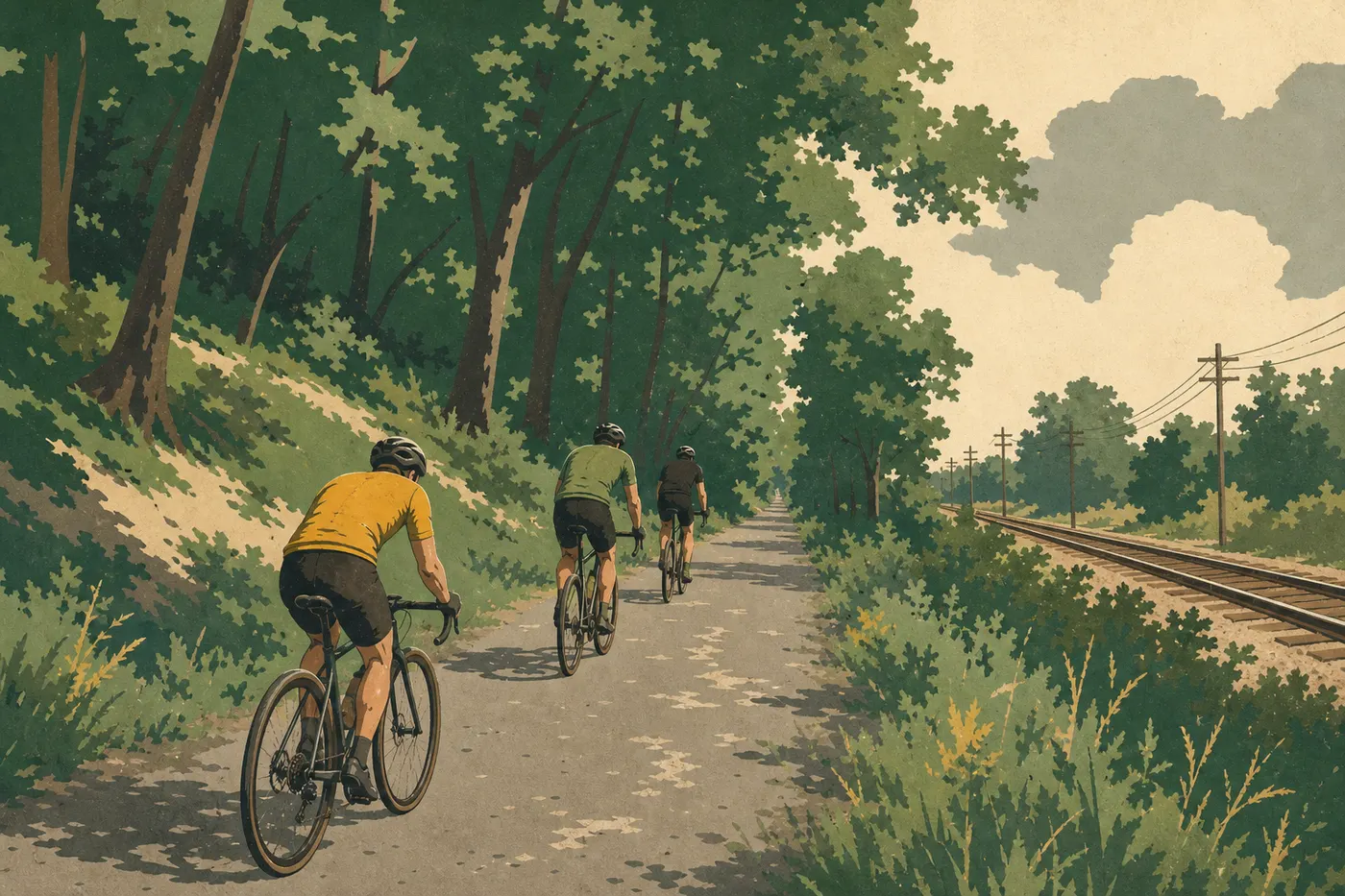
The Calumet Trail connects several areas of the park from east to west for about 10.6 miles. Its mixed surface, with asphalt and packed gravel, is best suited to a hybrid bike. It's one of the few routes that lets you reach several sites without using the park roads.
Photography and Light on Lake Michigan
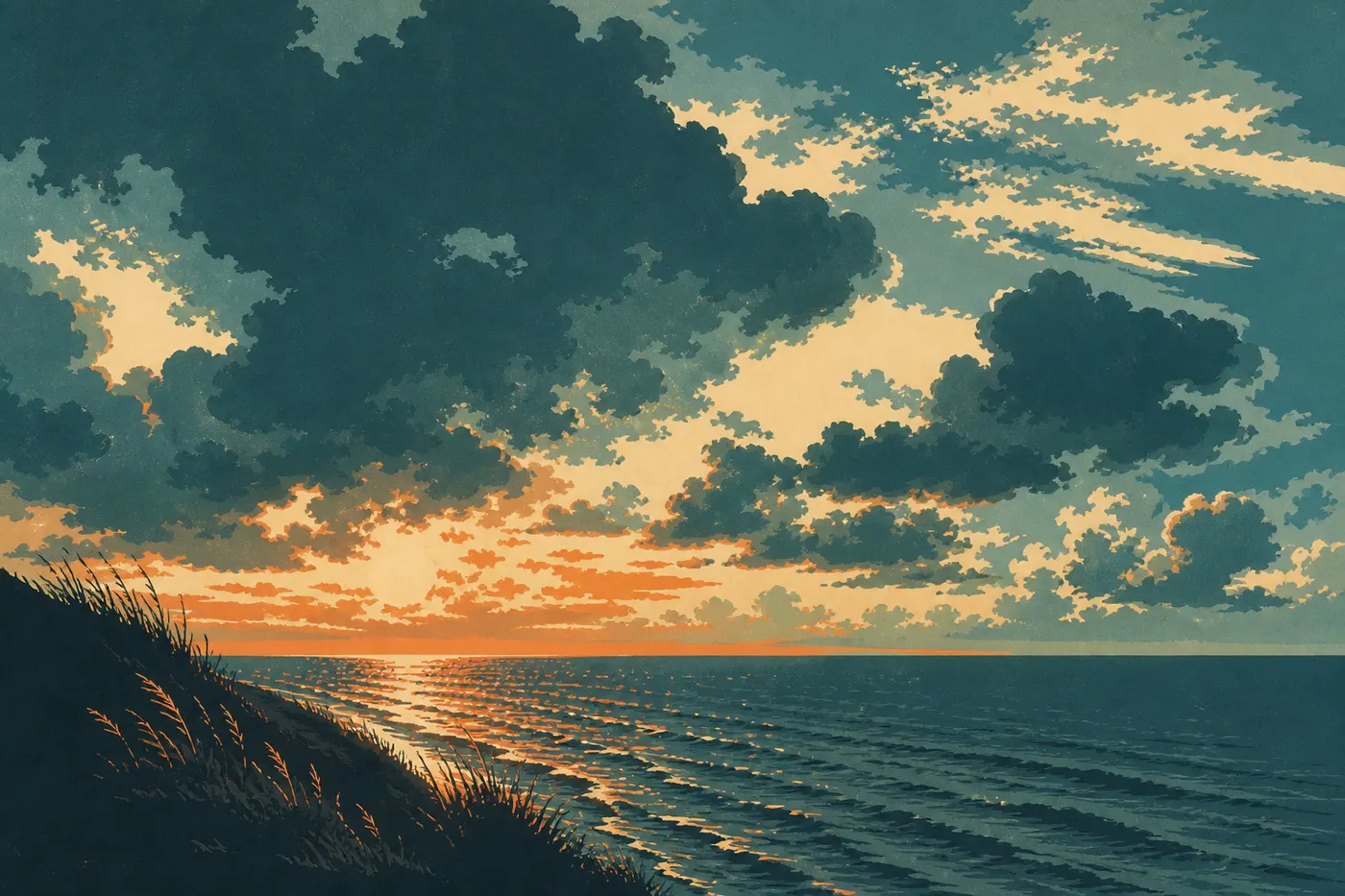
Sunrises over Lake Michigan from West Beach or Lake View Beach are highly sought after. A sunset with the Chicago skyline on the horizon is an almost iconic scene in this park. In winter, ice formations on the beaches and snowdrifts on the dunes create unexpected landscapes in a national park often associated with summer.
Winter Activities
The park stays open year-round. From December through March, some trails become routes for snowshoeing or cross-country skiing. West Beach parking fees don't apply outside the peak season. In January and February, partially frozen Lake Michigan creates landscapes that few American national parks can offer.
Families
The park works well for families with children ages 5 or 6 and up. West Beach, Chellberg Farm, and the short trails around the Visitor Center are the most accessible starting points. The Junior Ranger program is available at the Visitor Center. Kids receive an activity booklet and earn a badge from a ranger when they finish it. Our Family Guide breaks down activities by age group and covers seasonal educational programs.
Things to Do Around Indiana Dunes
Michigan City (Indiana, 12.4 miles east of the park): a port city with a farmers market, a historic lighthouse, and a marina. It's a convenient place to rent water equipment or find a restaurant in the evening. The Indiana Dunes restaurants and supplies guide includes a selection of spots in this area.
Indiana Dunes State Park (adjacent to the national park): managed by the state of Indiana, this state park shares the lakeshore with the national park. It has well-equipped campgrounds and a beach that's less crowded than West Beach. Entrance fees are separate from those for the national park. For lodging in and around the park, our Where to Stay Guide lists options ranging from camping in the heart of the dunes to hotels in Michigan City.
Harbor Country, Michigan (across the state line, 30 to 45 minutes east): a string of small lakeside towns on Lake Michigan, including New Buffalo, Three Oaks, and Union Pier, with sandy beaches, wineries, and farmers markets. It's a natural extension to a weekend in the region.
Chicago (31 to 37 miles west, depending on the entrance): most visitors arrive from Chicago. Spending a night or two in the city before or after your park visit makes perfect sense. Indiana Dunes fits naturally into a larger trip around the Great Lakes or the region.
The Bottom Line: What to See First in Indiana Dunes
Indiana Dunes packs an astonishing amount into a small area. In one well-planned day, you can swim in Lake Michigan in the morning, climb a shifting dune on a guided tour in the afternoon, and cross a marsh where modern ecology was born before the day ends. This isn't the park that impresses with vast landscapes. It surprises you with the variety of its habitats, just minutes from one of America's largest metropolitan areas.
For a first visit, our recommended sequence is West Beach early in the morning, before 10 a.m. to avoid weekend crowds, followed by a guided Mount Baldy tour around midday and the Cowles Bog Trail in the late afternoon. With a second day, add Bailly Homestead/Chellberg Farm in the morning and a dawn birding outing in the Portage area.
Is it worth the trip? Absolutely, especially if you're traveling between Chicago and the eastern United States. Visitors heading for Yellowstone or Zion often relegate this park to second place. That's precisely why you can still find some peace and quiet here, even in the middle of summer.
Our Indiana Dunes Guide covers every aspect of the park, from weather to lodging, to help you plan your visit from start to finish.
Frequently Asked Questions
How much time should you plan for Indiana Dunes?
Plan on a full day for West Beach, Mount Baldy, and a longer trail. A weekend lets you cover the historic sites and central beaches. Three days give you time for water activities and the more remote areas. Our Itinerary & Timing Guide offers ready-made plans for different trip lengths.
Which part of Indiana Dunes is best?
The best part of Indiana Dunes depends on what you're looking for. West Beach is the clear choice for families, with its facilities, lifeguards, and accessibility. Mount Baldy is the place to go for a dramatic geological sight. Cowles Bog suits nature lovers and hikers seeking a quiet walk. The Bailly/Chellberg area has the richest history and is usually the quietest.
Where is Great Sand Dunes National Park?
Great Sand Dunes National Park is in Colorado's San Luis Valley, more than 1,900 miles from Indiana Dunes. The two parks share the word "dunes," but their landscapes are radically different. Great Sand Dunes has tall desert dunes backed by the Rocky Mountains, while Indiana Dunes has lakeshore dunes along Lake Michigan.
Can you swim at Indiana Dunes?
You can swim at several beaches along Indiana Dunes' 15-mile shoreline. West Beach is the only beach with seasonal lifeguards, from about late June through Labor Day. At the other beaches, check the warning flags before entering the water. Rip currents in Lake Michigan can be strong and unpredictable.
Can you reach the park from Chicago without a car?
You can reach Indiana Dunes from Chicago without a car on the South Shore Line, a commuter train that serves Dune Park Station and Miller Station inside the park. It's a very practical option for a day trip from downtown Chicago. Our Access & Transportation page covers schedules, fares, and connections from different parts of the city.