
What to Do in Glacier: Top Sights and Activities
Glacier National Park, in northwestern Montana, has more than 680 miles of trails, a mountain road that crosses the Continental Divide, and wildlife you rarely see elsewhere in the contiguous 48 states. To get straight to the point, there are three must-see highlights to put at the top of your list. Going-to-the-Sun Road connects the park's two sides with 50 miles of breathtaking views. Many Glacier is the park's wild heart, with glacial lakes and grizzlies. And Logan Pass, at the highest point on the road, offers your first real immersion in the alpine meadows. Everything else in the park unfolds around these three pillars.
Glacier at a Glance: Areas, Access, and Getting Around
The park sits in the northwestern corner of Montana, along the Rockies and the Canadian border. The Continental Divide runs through it from north to south, creating two distinct climates. The west side gets warm, moist air from the Pacific, while the east side is swept by cold air from the northeast. In practice, it can be sunny around Lake McDonald and snowing around St. Mary on the same day. Bring layers, even in July.
The park is divided into five main areas, each with its own access points and character.
- Lake McDonald (west side): the main entrance, from West Glacier via Highway 2.
- Going-to-the-Sun Road and Logan Pass: the central route connecting both sides while crossing the Continental Divide.
- Many Glacier (northeast): from Babb via US-89. The park's premier area for wildlife and alpine hikes.
- Two Medicine (southeast): from East Glacier Park. Quieter and well suited to families.
- North Fork (northwest): a gravel road and guaranteed solitude.
A car is still the most flexible way to get around. During the peak season, usually from late June to early September, vehicles traveling Going-to-the-Sun Road need a timed entry reservation. Bookings are made through Recreation.gov several weeks in advance. The park also runs free shuttles along the entire road from June through September, which are ideal for point-to-point hikes.
The entrance fee is $35 per vehicle ($20 per person on foot or by bike, $30 per motorcycle). The park's annual pass costs $70. The park is open 24 hours a day, 365 days a year. To reach Glacier from the airports in Kalispell or Great Falls, see the park access guide, which also explains the area-by-area reservation requirements.
How Much Time Do You Need to Visit Glacier?
Three days is the reasonable minimum for Going-to-the-Sun Road, Logan Pass, and Many Glacier. Five days lets you add Two Medicine, while a week covers the entire park, including North Fork. With less than two days, the distances between areas make the visit frustrating. The 3-, 5-, and 7-day Glacier itineraries break everything down day by day.
The Must-See Highlights, Area by Area
Lake McDonald and the West Side
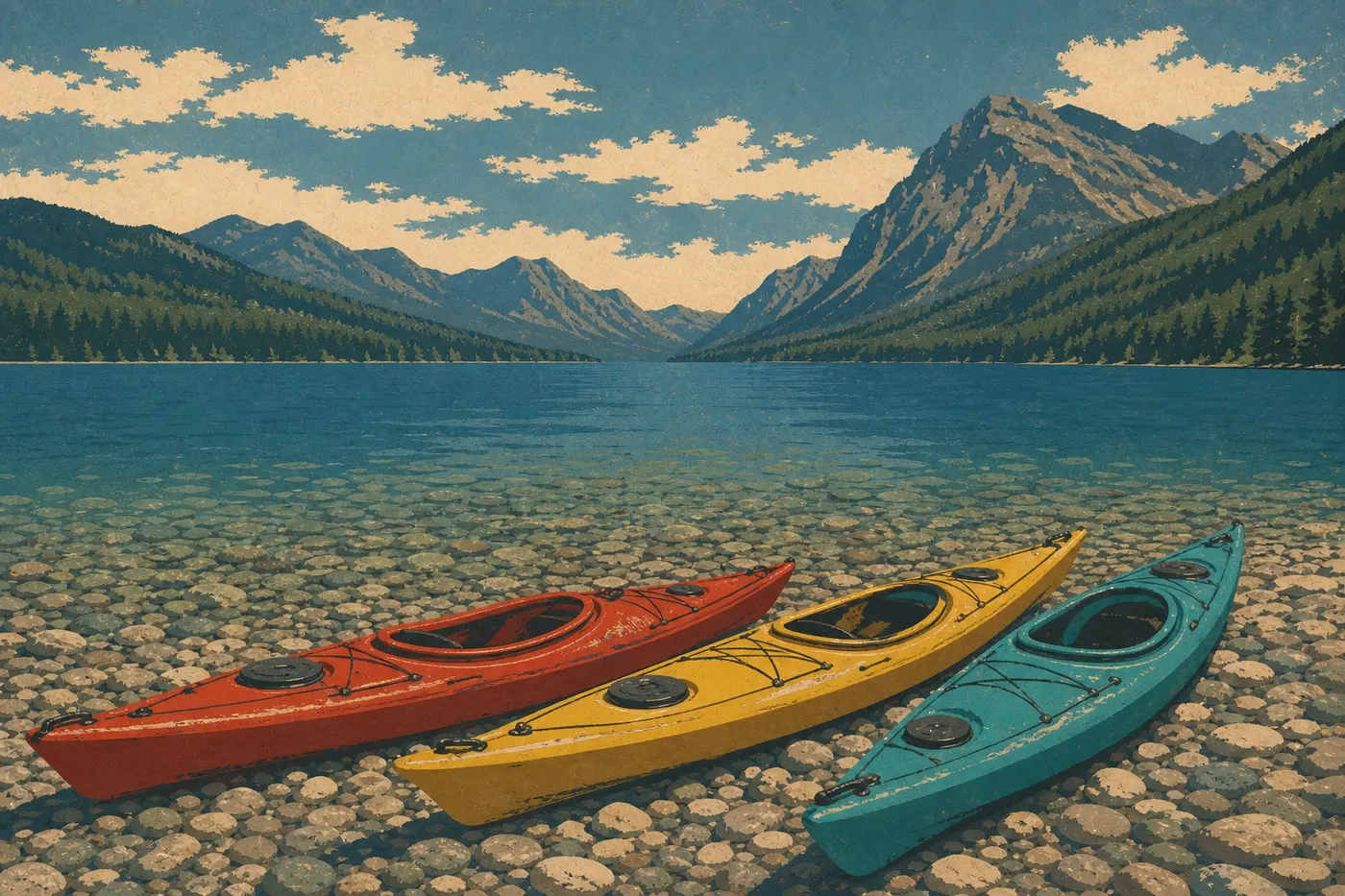
Lake McDonald is the park's largest lake, stretching about 10 miles. Its north shore follows Going-to-the-Sun Road, and its multicolored pebbles, tinted by minerals in the surrounding geological formations, are one of the park's signature sights. Swimming is allowed, but the water ranges from 50 to 59°F in August, so only the hardiest visitors tend to take the plunge.
The Avalanche Lake Trail is the area's signature hike. It covers 5 miles round-trip through a forest of red cedars and old-growth hemlocks, ending at a waterfall and glacial lake. Allow 2 to 3 hours. It's the park's most accessible hike for casual hikers and one of its busiest. Arrive before 9 a.m. to find a parking spot without a struggle.
Going-to-the-Sun Road and Logan Pass
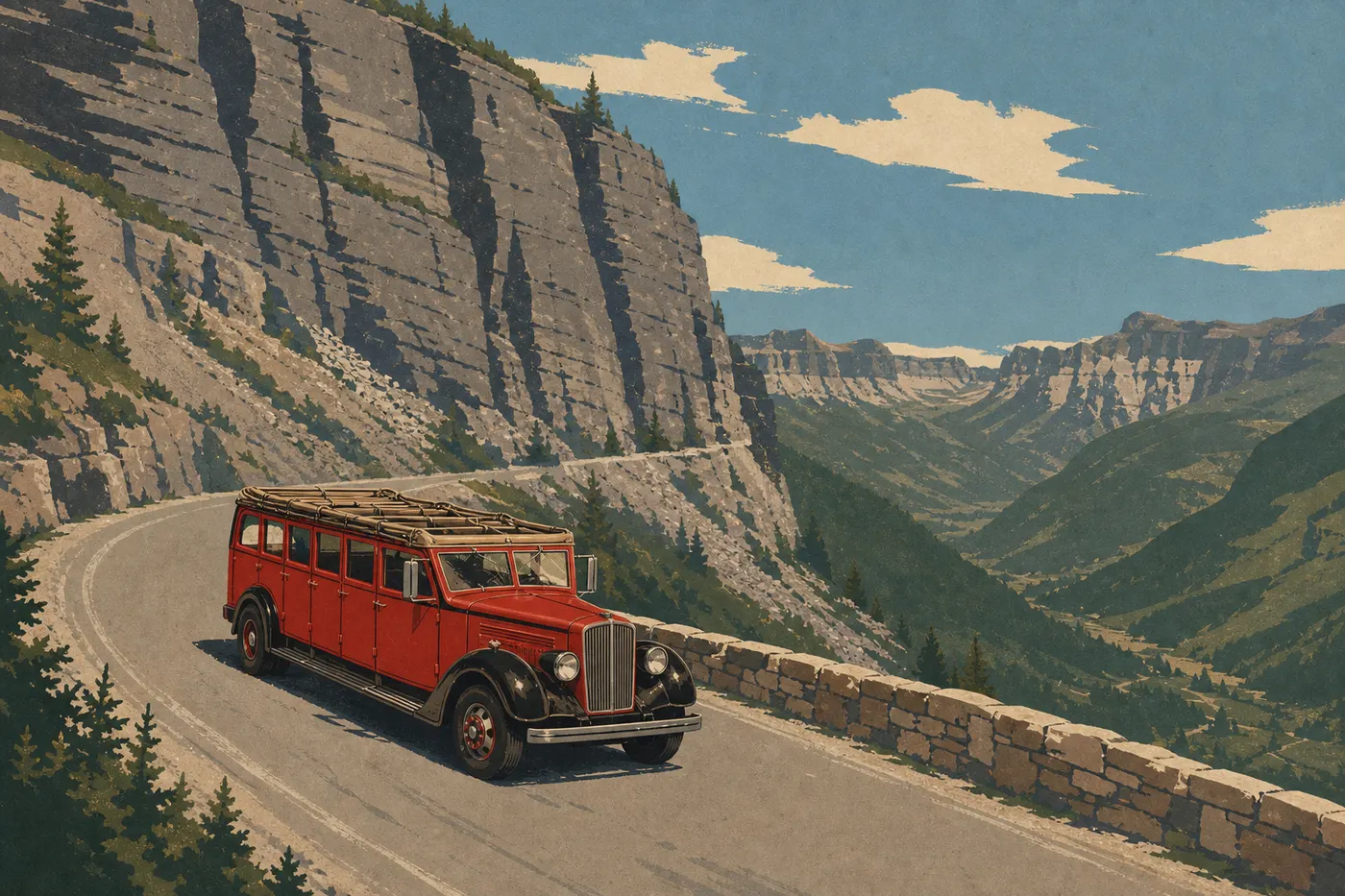
Going-to-the-Sun Road is the park's main artery and one of the most spectacular mountain roads on the continent. For about 50 miles, it connects West Glacier and St. Mary, crossing the Continental Divide at Logan Pass, at an elevation of 6,647 feet. The scenery changes every ten minutes: western forests, waterfalls, and sheer cliffs around the Loop, followed by open meadows on the east side with the snowcapped Rocky Mountain peaks in the background.
At Logan Pass, two trails start right at the visitor center. The Hidden Lake Overlook Trail (2.5 miles round-trip, 525 feet of elevation gain) leads to a viewpoint over a glacial lake surrounded by cliffs. The Highline Trail follows a cliffside route north for several miles, with uninterrupted views of both sides of the park. Mountain goats and marmots regularly roam near the pass, sometimes just a few yards from hikers. On a visit in August, I watched a mountain goat block access to the Highline Trailhead for a good ten minutes, apparently unimpressed by the line waiting behind it.
The Logan Pass parking lot fills up before 7 a.m. in July and August. Either arrive very early, no later than 6 a.m., or take the free shuttle from one of the road's park-and-ride lots. The shuttle is often the most stress-free option.
Many Glacier: The Wild Heart
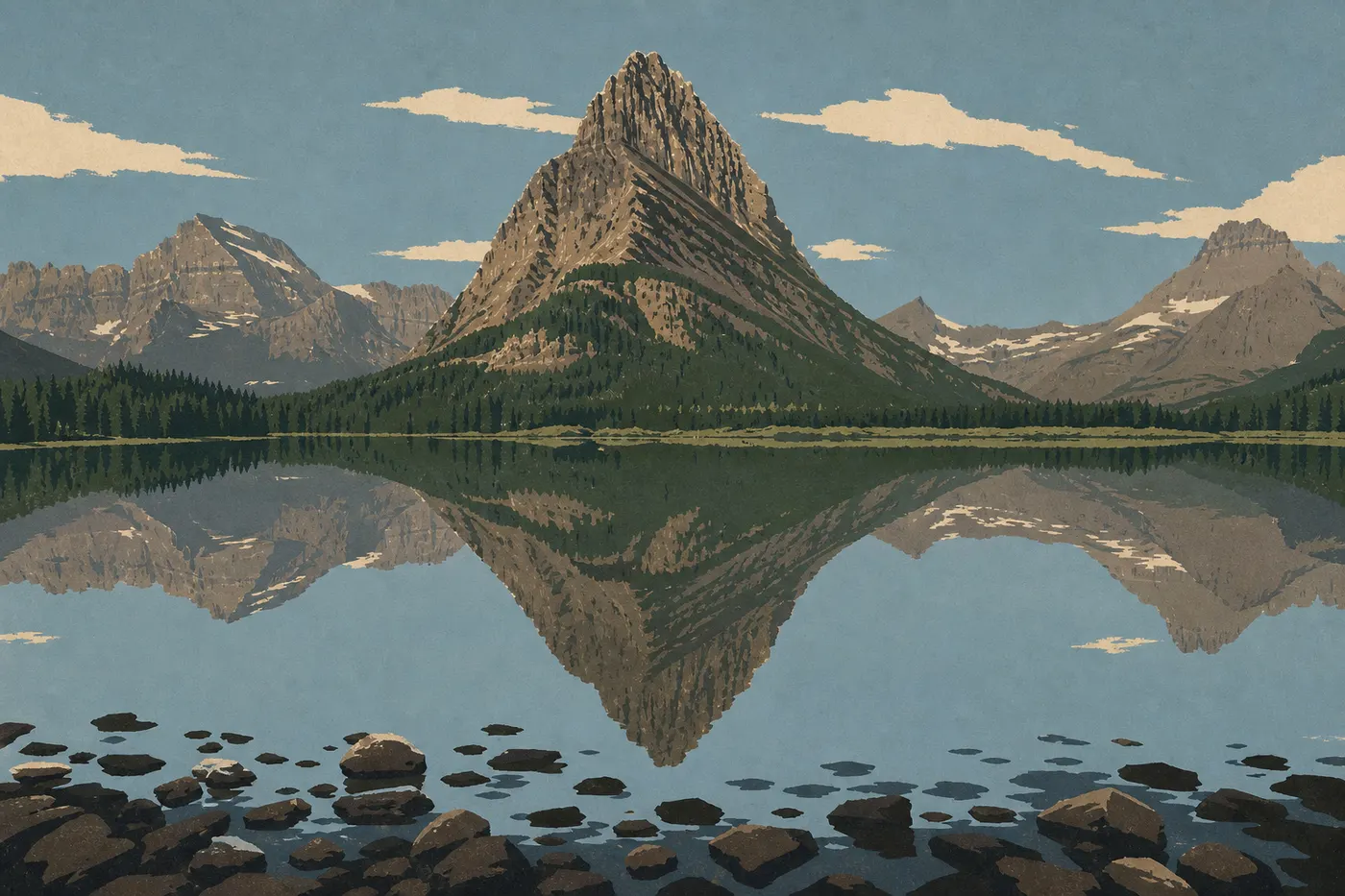
Many Glacier is the area rangers and park regulars mention first when asked about Glacier. It sits in Swiftcurrent Valley on the northeast side and combines the most striking alpine scenery with the highest concentration of large predators. Grizzlies, black bears, elk, bighorn sheep, and mountain goats are regularly spotted here, especially early in the morning and late in the afternoon.
Two trails dominate the area.
The Grinnell Glacier Trail (about 11 miles round-trip, 1,700 feet of elevation gain) follows Swiftcurrent and Josephine Lakes before climbing toward the glacier of the same name. The glacier has retreated considerably over the past century, but the view from the overlook remains striking. Seasonal boat shuttles let you shorten the hike by 3.7 miles by crossing both lakes, for an additional fee.
The Iceberg Lake Trail (about 9.3 miles round-trip, 1,115 feet of elevation gain) leads to a glacial lake surrounded by cliffs, where chunks of ice remain visible even in the middle of summer. The grade is steady, the views open up halfway through, and the lake never fails to impress.
In both cases, check with rangers about recent bear activity before setting out and carry bear spray. This is no token recommendation. Many Glacier is one of the busiest travel corridors for grizzlies in the contiguous 48 states. The Glacier wildlife guide explains the rules to follow and how to use bear spray effectively.
Two Medicine: Quiet and Accessible
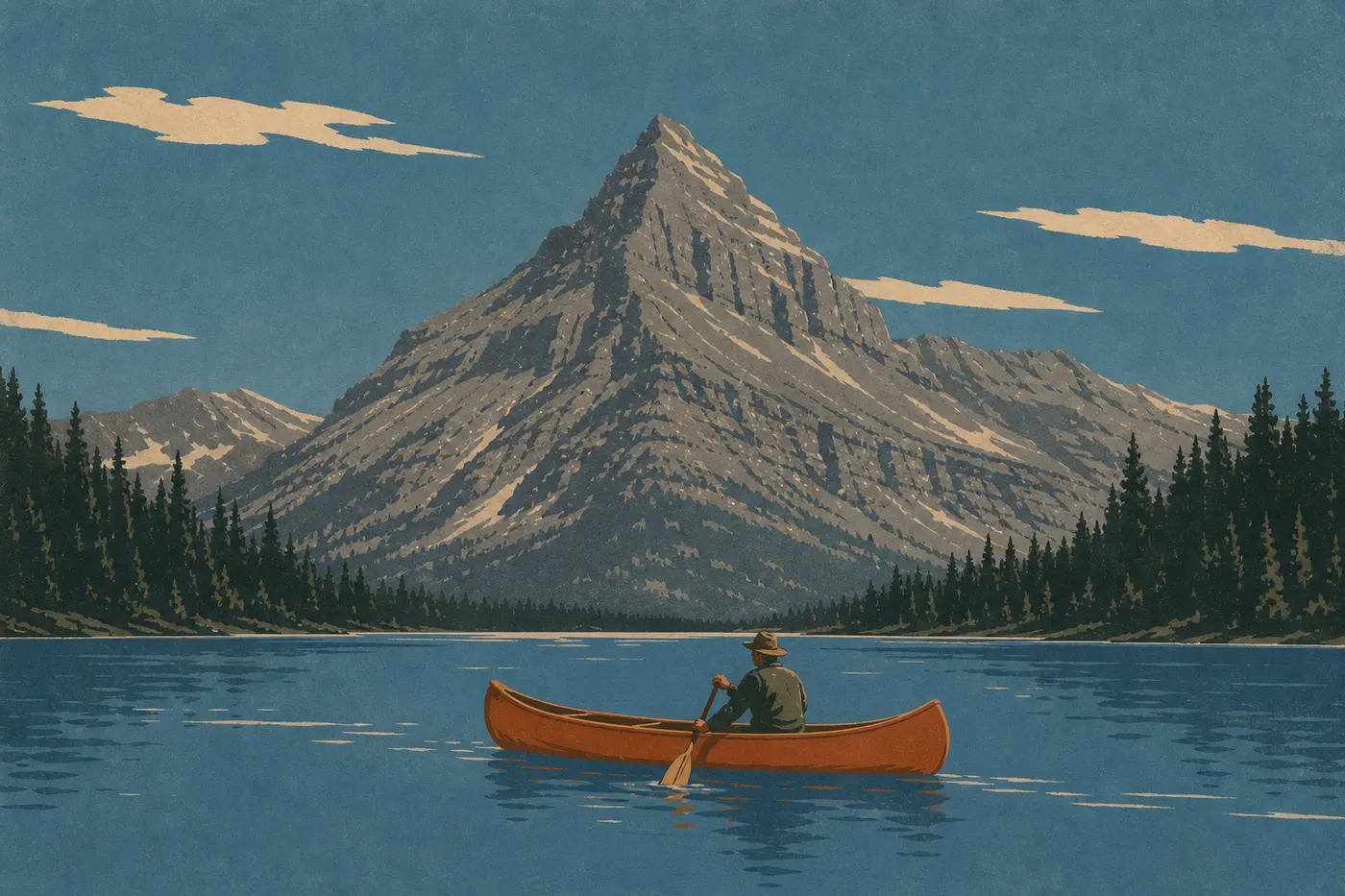
Two Medicine is the least visited of the areas accessible by paved road. Two Medicine Lake, surrounded by peaks over 8,860 feet high, is ideal for a canoe or kayak outing. A seasonal boat shuttle runs to the far end of the lake, shortening the approaches to the trails in the back of the valley.
Running Eagle Falls, also known as Trick Falls, is a geological curiosity you shouldn't miss if you're in the area. Depending on the flow and lake level, the waterfall bursts through one or two openings stacked in the rock. The easy, accessible walk is 0.5 miles round-trip from the parking lot.
For a moderate hike, the Scenic Point Trail (about 6.2 miles round-trip, 1,970 feet of elevation gain) offers exceptional views of the lake and the Rocky Mountain range to the east. Winds can be fierce at altitude, so bring a windproof layer.
North Fork: For Independent Travelers
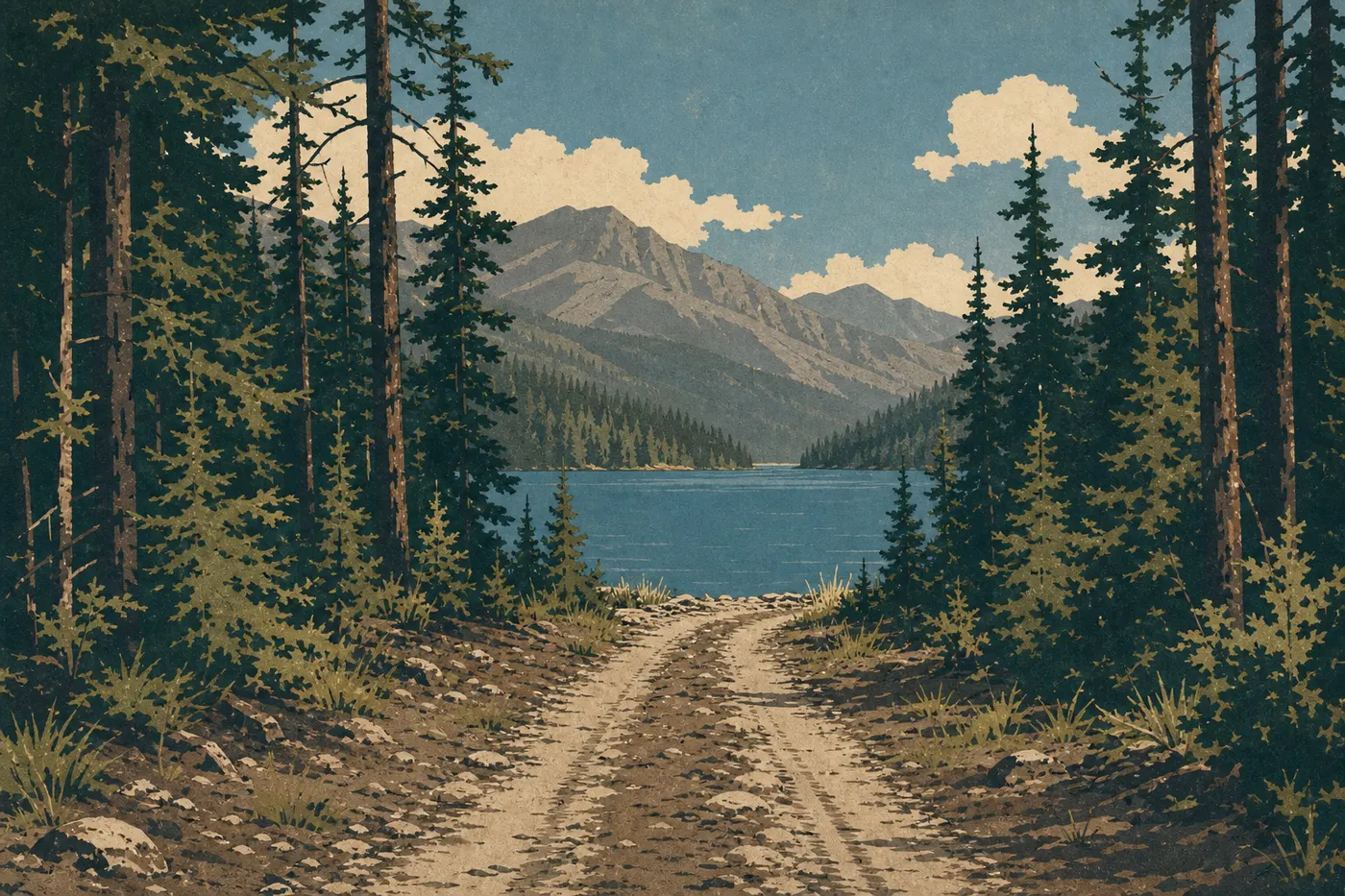
North Fork isn't for everyone. Some access roads are unpaved, slow, and potentially difficult after rain. But for those willing to accept the trade-offs, the reward is real: solitude, different light beneath the dense forests on the northwestern side, and two of the park's most beautiful lakes.
Bowman Lake stretches 6.8 miles and is ideal for waterfront camping and kayaking, with the park's peaks in the background. Kintla Lake, farther north, requires an even longer gravel road and comes close to the Canadian border. This area is for people looking to get completely off the beaten path, both literally and figuratively.
Glacier's Best Hikes
Other trails deserve a mention for experienced hikers: Ptarmigan Tunnel, a tunnel cut through the rock at 7,110 feet (about 10.6 miles round-trip from Many Glacier); Siyeh Pass, a 8,553-foot pass (about 12.4 miles as a loop); and the Dawson-Pitamakan Loop in Two Medicine (about 16.8 miles with two passes). For beginners, Trail of the Cedars, a 1.2-mile loop accessible to strollers starting at Lake McDonald, is a good introduction to the park.
The Glacier hiking guide ranks trails by difficulty, area, and duration, with elevation gains and available water sources for each trail.
Other Activities Based on Your Interests
Wildlife Watching
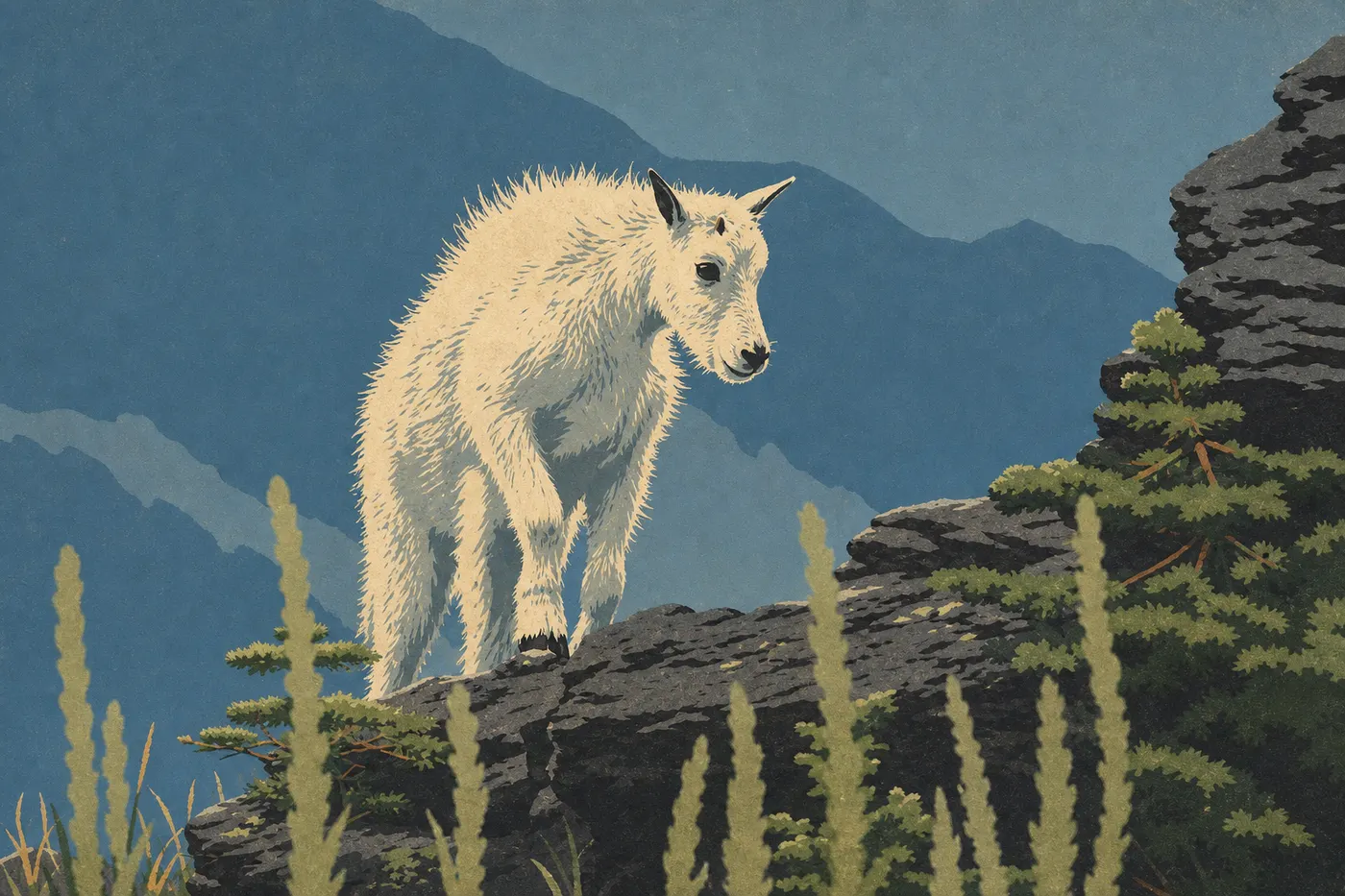
Glacier is home to one of the densest grizzly populations in the contiguous United States, estimated at about 300 animals. The park also has gray wolves, which are present but elusive; wolverines, which are very rare; Canada lynx, cougars, elk, and bighorn sheep. The best viewing windows are early morning and late afternoon, in Many Glacier, Two Medicine, and along St. Mary Lake.
The rules are nonnegotiable: stay at least 300 feet from bears and wolves, and at least 80 feet from all other wildlife. Our Wildlife page explains the visual cues that help identify species and how to respond if you encounter an animal unexpectedly.
Biking
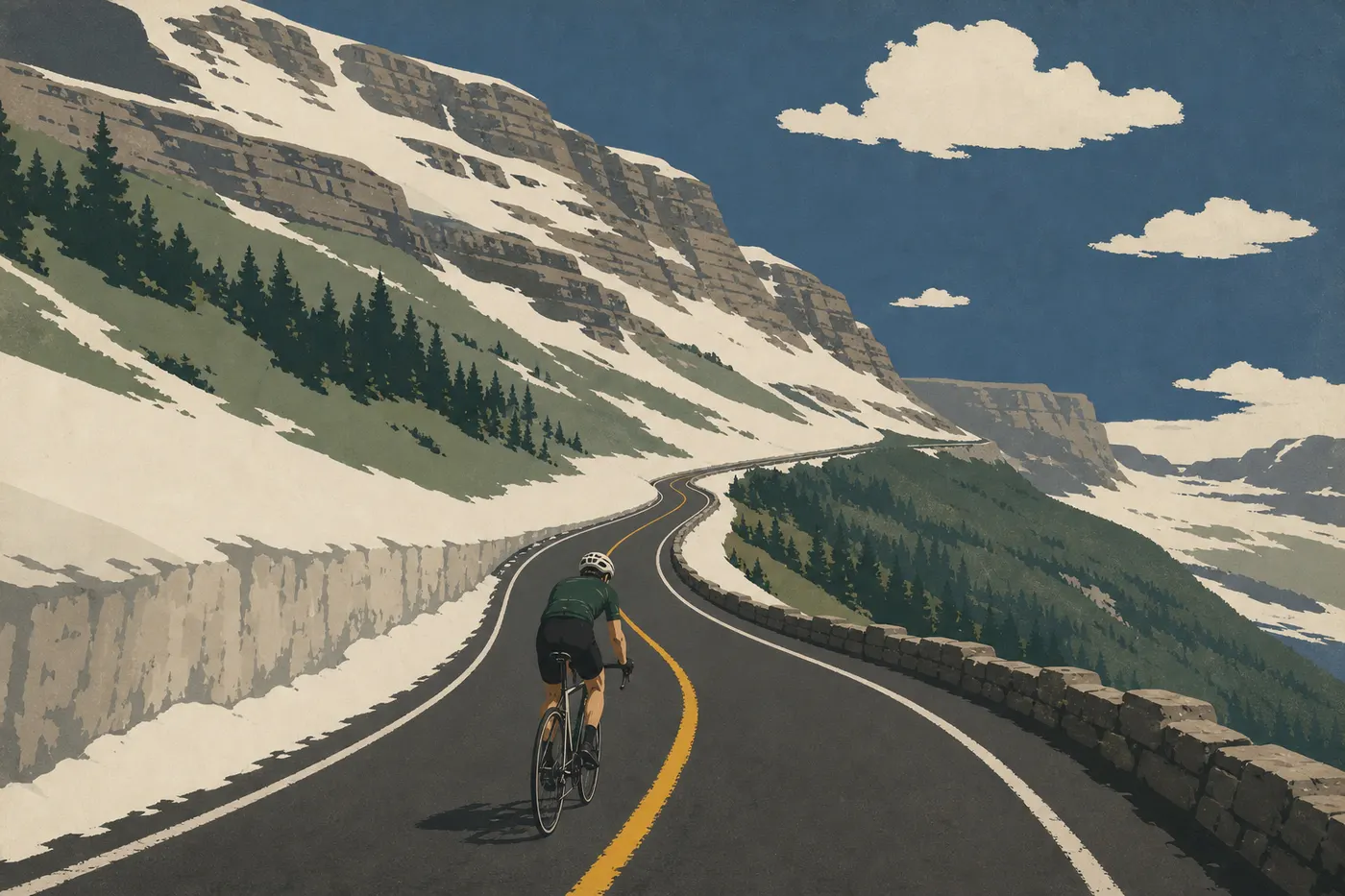
Going-to-the-Sun Road is closed to motor vehicles early each morning during the season, before general traffic is allowed. That morning window is reserved for cyclists, who can climb to Logan Pass without traffic. The ascent is demanding: about 20 miles from Apgar with 4,600 feet of elevation gain, on a narrow road with a few tricky drop-off sections on the east side. E-bikes are allowed on paved sections.
Kayaking, Canoeing, and Fishing
Lake McDonald, Bowman Lake, Two Medicine Lake, and Swiftcurrent Lake are all suitable for paddling. Kayaks and canoes are available for rent in some areas during the season. Fishing is allowed inside the park without a Montana state fishing license, a rule specific to national parks, although some bodies of water have partial restrictions. Check the regulations at your area's visitor center before heading out with a rod.
Photography and Stargazing
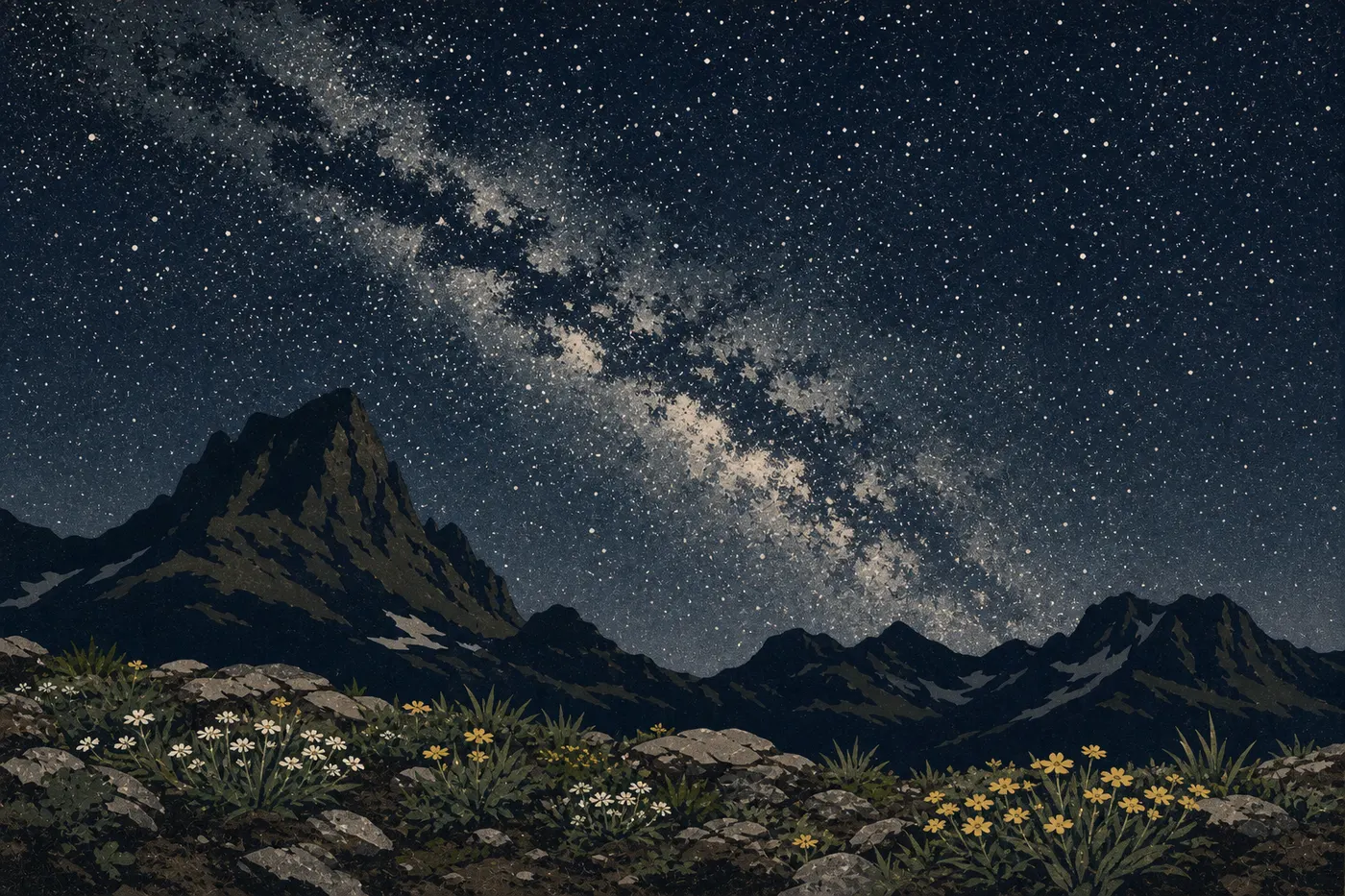
The park has very little light pollution. In summer, the Milky Way is visible to the naked eye from high-elevation campgrounds as early as 10 or 11 p.m. Many Glacier Campground, Two Medicine Lake, and Bowman Lake are the spots most often mentioned by the photography community. For morning light, sunrise over St. Mary Lake on the east side and Lake McDonald on the west side is worth a 5 a.m. wake-up.
Red Bus Tours
Red Buses with open roofs have traveled Going-to-the-Sun Road since the 1930s. Half-day and full-day guided tours leave from the park's various lodges, accompanied by naturalist interpreters. It's a comfortable, informative option, especially for visitors who don't want to manage the road's reservation requirements on their own in July and August.
Visiting with Kids
Two Medicine is the best area for young children, with short distances and a lake shuttle. The Junior Ranger program, which is free for kids ages 5 to 12, offers activity booklets at every visitor center and awards an official badge. Visiting Glacier with kids features a selection of trails and activities by age group.
Just Outside the Park
These destinations lie outside Glacier National Park. They make good additions to a regional trip for travelers with extra time.
Waterton Lakes National Park (Canada)
Just across the Canadian border in Alberta, Waterton Lakes National Park and Glacier make up the world's first international peace park, designated in 1932. The two parks share the same ecosystem and wildlife. You can cross on foot via the Waterton-Glacier International Peace Park Hike, about 8 miles from Goat Haunt, or take a seasonal shuttle boat across Upper Waterton Lake. This is a true international border: you'll need a passport, and customs inspection is real. The Glacier park guide provides practical information for planning the crossing.
Whitefish and the Flathead Valley
The town of Whitefish, about 25 miles west of the main entrance, is the region's most convenient logistics hub. Restaurants, quality lodging, bike rentals, and outdoor gear are all easy to find. In winter, Whitefish Mountain Resort offers downhill skiing about 7 miles from downtown. Lodging around Glacier covers the best options in the Flathead Valley for visitors who aren't staying inside the park.
Flathead Lake
About 50 miles south of West Glacier, Flathead Lake is the largest natural freshwater lake west of the Mississippi in the contiguous states, covering 185 square miles. The road around it, about 68 miles, is pleasant by car or road bike. On the east side, cherry orchards produce a July harvest that has become a local event. Several public beaches are open for swimming, and the marinas in Polson and Bigfork offer water activities.
The Blackfeet Nation
The park's east side borders the lands of the Blackfeet Nation, or Amskapi Piikani, whose history is inseparable from that of the park. Glacier was their ancestral hunting territory before the park was created in 1910. Browning, the reservation's county seat, is home to the Museum of the Plains Indian, dedicated to the cultures of the Plains nations. A visit puts the park in its human and historical context, something classic guidebooks often leave out.
The Essentials: What to See First in Glacier
If your stay is short, a three-part itinerary covers the heart of the park. Drive the entire Going-to-the-Sun Road, which requires a timed entry reservation in summer, and set aside a full day. Visit Logan Pass for the Hidden Lake Overlook Trail or the first section of the Highline Trail. Then explore Many Glacier with at least one of its two major trails, Iceberg Lake or Grinnell Glacier, depending on your fitness and available time. Together, these three experiences show the park's defining sides: the scenic road crossing the continent, high-elevation meadows, and wildlife in its natural habitat.
Glacier is worth the trip. The park combines high-mountain scenery, exceptional wildlife, and a network of trails that is unusually extensive for the contiguous 48 states. Summer reservation requirements are real, but you can plan around them. With a little organization, the park rewards you generously.
Frequently Asked Questions
What can you do in Glacier National Park?
Glacier National Park offers more than 680 miles of hiking trails, wildlife watching (grizzlies, mountain goats, bighorn sheep, and wolves), kayaking and canoeing on its glacial lakes, scenic drives along Going-to-the-Sun Road, biking, fishing, and cross-country skiing and snowshoeing in winter. The Junior Ranger programs are available for kids at every visitor center.
What is there to do along Going-to-the-Sun Road?
You can drive or take the free shuttle along Going-to-the-Sun Road for about 50 miles. Highlights include the shores of Lake McDonald, the Loop, Bird Woman Falls viewed from the road, Logan Pass with its visitor center and alpine trails, and the views of St. Mary Lake on the east side. Allow a full day for the crossing with stops.
Is Glacier National Park worth visiting?
Glacier National Park is worth visiting for anyone interested in mountain scenery and wildlife. It's one of the few places in the contiguous United States where grizzlies, wolves, wolverines, and lynx coexist in the same ecosystem. Going-to-the-Sun Road is regularly described as the country's most impressive mountain road.
What are the must-do activities in Glacier?
The essential Glacier experiences are driving Going-to-the-Sun Road, climbing to Logan Pass for the Hidden Lake Overlook Trail or Highline Trail, exploring Many Glacier via the Iceberg Lake Trail or Grinnell Glacier Trail, and following the west shore of Lake McDonald to the Avalanche Lake Trail.
Which hike should you do in Glacier?
It depends on your fitness level and the area you're visiting. For beginners, try Avalanche Lake (5 miles round-trip on the west side) or Hidden Lake Overlook (2.5 miles round-trip from Logan Pass). Intermediate hikers can choose Iceberg Lake (9.3 miles round-trip in Many Glacier) or Scenic Point (6.2 miles round-trip in Two Medicine). Experienced hikers can tackle Grinnell Glacier (11 miles round-trip in Many Glacier) or Ptarmigan Tunnel (10.6 miles round-trip in Many Glacier). Our Hiking page gives details for every trail, including elevation gain, duration, and seasonal conditions.
Do you need a reservation to enter Glacier National Park?
During the peak season, generally from mid-June to early September, vehicles need timed entry reservations to enter the Going-to-the-Sun Road corridor. Make reservations through Recreation.gov several weeks in advance. Outside this period, no reservation is required to enter the park. Some campgrounds and the Many Glacier boat shuttles also require advance reservations.