
When to Visit Glacier: Best Times, Weather, and Seasons
The best time to visit Glacier is July and August for access to the entire park and its trails, or September for spectacular fall color with half the crowds.
The short answer: the ideal window runs from mid-June to mid-September, when the Going-to-the-Sun Road is fully open and temperatures are mild. To escape the crowds without giving up the scenery, aim for September. The larches turn gold, elk enter the rut, and lines all but disappear.
Glacier National Park occupies the northwest corner of Montana, straddling the Continental Divide. That geography makes all the difference when it comes to weather. Warm, moist Pacific air arrives from the west, while cold, dry Arctic air moves in from the east. The two air masses collide along the ridgelines, making conditions genuinely unpredictable from one hour to the next. Expect anything: morning sunshine, hail in the early afternoon, and a blazing sunset.
Glacier Climate Month by Month
The table below gives average temperatures and precipitation for the valleys. Above 6,600 feet, subtract 10 to 15°F in summer and expect snow even in July at the passes.
| Month | Low (°F) | High (°F) | Precipitation | What to expect |
|---|---|---|---|---|
| January | 14 | 32 | Heavy snow | High roads closed |
| February | 16 | 36 | Snow | High roads closed |
| March | 21 | 43 | Mixed | Winter conditions |
| April | 28 | 52 | Rain/snow | Melt underway |
| May | 36 | 61 | Rain | Muddy trails |
| June | 43 | 70 | Rain | Gradual opening |
| July | 48 | 81 | Light | Peak visitation |
| August | 46 | 79 | Light | Peak visitation |
| September | 37 | 68 | Moderate | Best balance of conditions and crowds |
| October | 28 | 52 | Rain/snow | Gradual closures |
| November | 19 | 37 | Snow | Winter setting in |
| December | 14 | 30 | Heavy snow | High roads closed |
For real-time forecasts and hour-by-hour precipitation details, check the Glacier weather guide. It includes a daily-updated widget and can help you avoid an unpleasant surprise at the pass.
Glacier in January
Valley temperatures hover around 14 to 32°F, with regular snowfall and very cold nights. The Going-to-the-Sun Road and nearly all secondary roads are closed to motor vehicles, and most visitor centers are inactive. Snowshoeing and cross-country skiing around Apgar Village make up most of the available activities in a nearly empty park. Bring a full winter setup, and never head out alone on snowy trails.
Glacier in February
Conditions remain fully wintry, with valley temperatures between 16 and 36°F. The high roads are closed and services are limited to the bare minimum. This is one of the quietest times of year. Visitors looking for solitude and pristine scenery will find a striking park, provided they have the technical gear required for severe cold.
Glacier in March
The first thaw reaches the valleys, with daytime temperatures from 21 to 43°F, but nights remain icy and high-elevation roads are still closed. Trails in the lower sections begin to clear, with conditions varying widely by slope. Crowds are light, making March a good time to watch winter give way to spring almost on your own.
Glacier in April
Temperatures climb to 28 to 52°F, and the park's lower areas, including Lake McDonald in the west and St. Mary in the east, gradually become walkable. High roads remain closed and trails are still muddy. Grizzly and black bears emerge from hibernation this month. Carry bear spray as soon as you leave the parking lot and keep at least 330 feet away. Visitation is still modest, making this an interesting time to watch wildlife without finding yourself in a group.
Glacier in May
Vegetation spreads across the valleys, where temperatures range from 36 to 61°F, and the first alpine wildflowers appear in the lower areas. The Going-to-the-Sun Road is generally still closed at higher elevations early in the month. It starts opening gradually toward late May, depending on the remaining snowpack. Trails remain muddy and streams run high with snowmelt, so bring waterproof shoes. This is an ideal time for alpine botany and for watching bears become active, with few people on the trails.
Glacier in June
The Going-to-the-Sun Road begins opening gradually this month, but access to the Logan Pass section may remain uncertain until late June, or even after July 4 in some years, depending on the remaining snowpack. Valley temperatures reach 43 to 70°F. At higher elevations, expect temperatures 10 to 15°F lower, along with lingering snow at the passes. Crowds grow quickly from mid-June onward. Aim for the first weeks of the month for snow-covered scenery and much quieter trails.
Glacier in July
Peak season is in full swing. All roads, shuttles, and facilities are operating, valley temperatures reach 48 to 81°F, and the days are long. Logan Pass parking lots fill by 7 a.m. A timed entry permit is required on the Going-to-the-Sun Road corridor during peak hours. Hailstorms can develop within two hours along the ridges, even after a beautiful morning. Pack a waterproof layer and start before 6 a.m. to enjoy the park before the crowds arrive.
Glacier in August
Conditions are very similar to July, with temperatures from 46 to 79°F, statistically less precipitation, and nights that cool slightly at higher elevations. The timed entry permit remains in effect on the Going-to-the-Sun Road, so reserve your time slot several months ahead. Bighorn sheep are especially active on the slopes of Logan Pass, and the remaining glaciers, though diminished, can still be seen from several signature trails. August offers the best combination of weather and access for high-elevation hiking.
Glacier in September
September is our recommendation for most visitors. Temperatures are pleasant, from 37 to 68°F, larches and aspens turn gold and orange, and elk enter the rut in the meadows of Many Glacier. Visitation drops 40 to 50% from July, and parking lots become accessible without getting up before dawn. Take advantage of the window from the beginning of the month through around September 25, before the first gradual closures on the Going-to-the-Sun Road.
Glacier in October
Temperatures range from 28 to 52°F, and snow can fall at any time at higher elevations. The Going-to-the-Sun Road closes gradually this month, sometimes as early as the first few weeks depending on conditions. Fall color lingers in the lower valleys and wildlife remains active. Crowds are light. Visitors willing to accept uncertain weather and gradually closing access can still enjoy beautiful days in an almost empty park.
Glacier in November
Winter takes over again, with temperatures from 19 to 37°F. The high roads are closed, and most visitor centers and restaurants shut down for the season. Activity focuses on the park's lower areas around Apgar Village. Very few visitors come this time of year. These demanding conditions suit well-equipped hikers looking for solitude.
Glacier in December
Deep winter brings valley temperatures from 14 to 30°F, frequent snowfall, and interior roads closed to motor vehicles. The park entrance remains accessible 24 hours a day, but services are limited to the bare minimum. Snowshoeing around Apgar and cross-country ski trails make up most of the available activities. If you're coming for snow and silence, bring a full technical setup and never head into the mountains alone.
Glacier Season by Season
Winter (December-February)
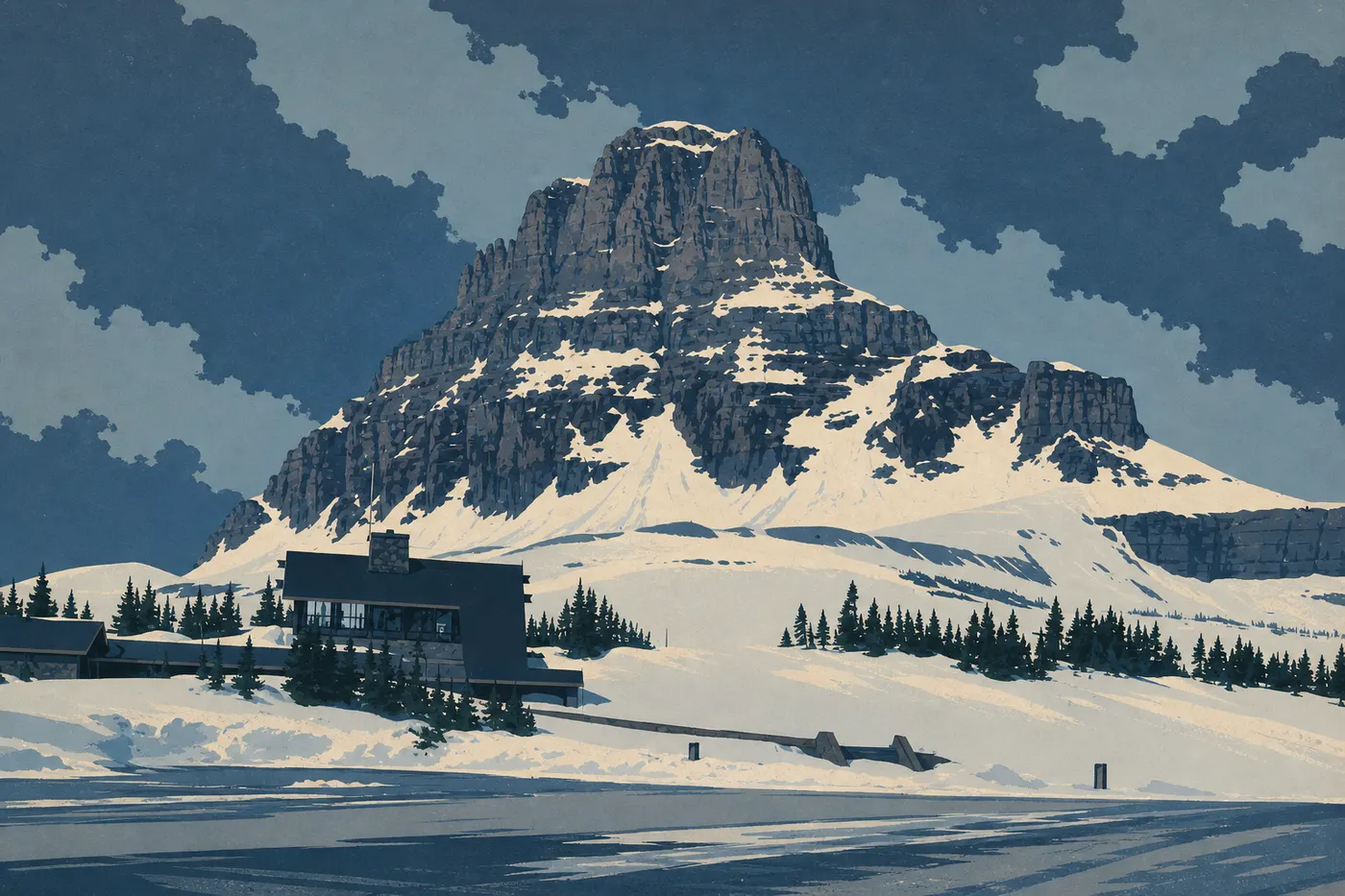
The thermometer regularly drops below 5°F on north-facing slopes, and several yards of snow accumulate at higher elevations. Nearly all secondary roads and most visitor centers close. The Going-to-the-Sun Road closes to motor vehicles in November, sometimes earlier.
What stays open includes the park entrances, which operate 24 hours a day, 365 days a year, snowshoe and cross-country ski trails around Apgar Village, and lower roads on both sides that standard vehicles can access. Wildlife is easier to spot along the forest edge, including foxes, coyotes, and white-tailed deer. Crowds are virtually nonexistent. If you're coming for absolute snow and solitude, the park is striking in winter, but it requires serious technical gear and, above all, you should never head out alone on snowy trails.
Spring (March-May)
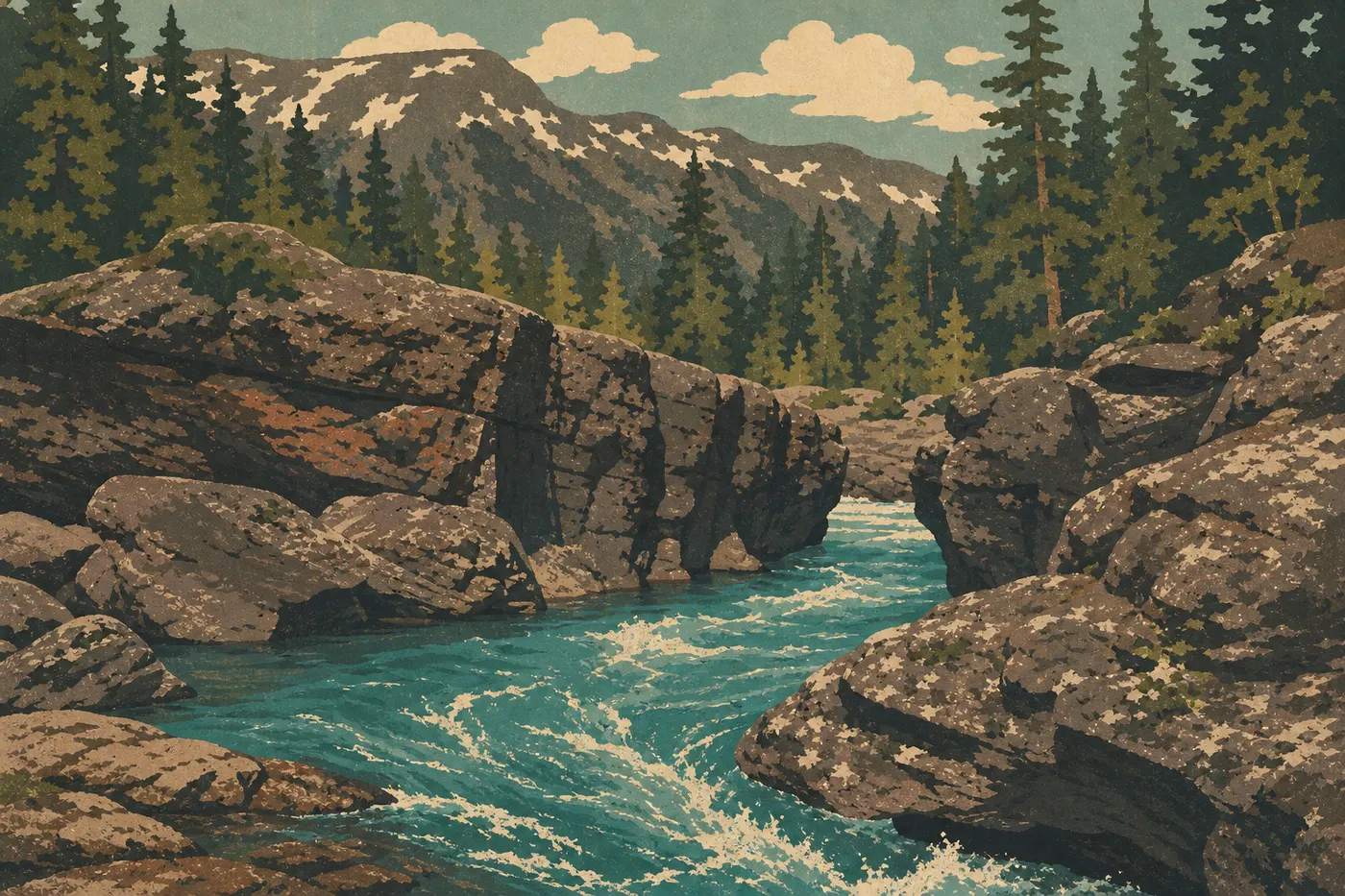
Snowmelt turns trails into muddy torrents from March through May. The park's lower areas, including the Lake McDonald area in the west and St. Mary in the east, become walkable as early as April. High roads remain closed. The first flowers appear in the valleys in May, making this the quietest and most photogenic time for alpine botany enthusiasts.
Wildlife wakes up. Grizzly and black bears emerge from hibernation as early as April. Always keep at least 330 feet from any bear, no exceptions, and carry bear spray as soon as you leave the parking lot. Moose frequent the wetlands around Many Glacier. Crowds are light and conditions change quickly, so have backup plans.
Summer (June-August)
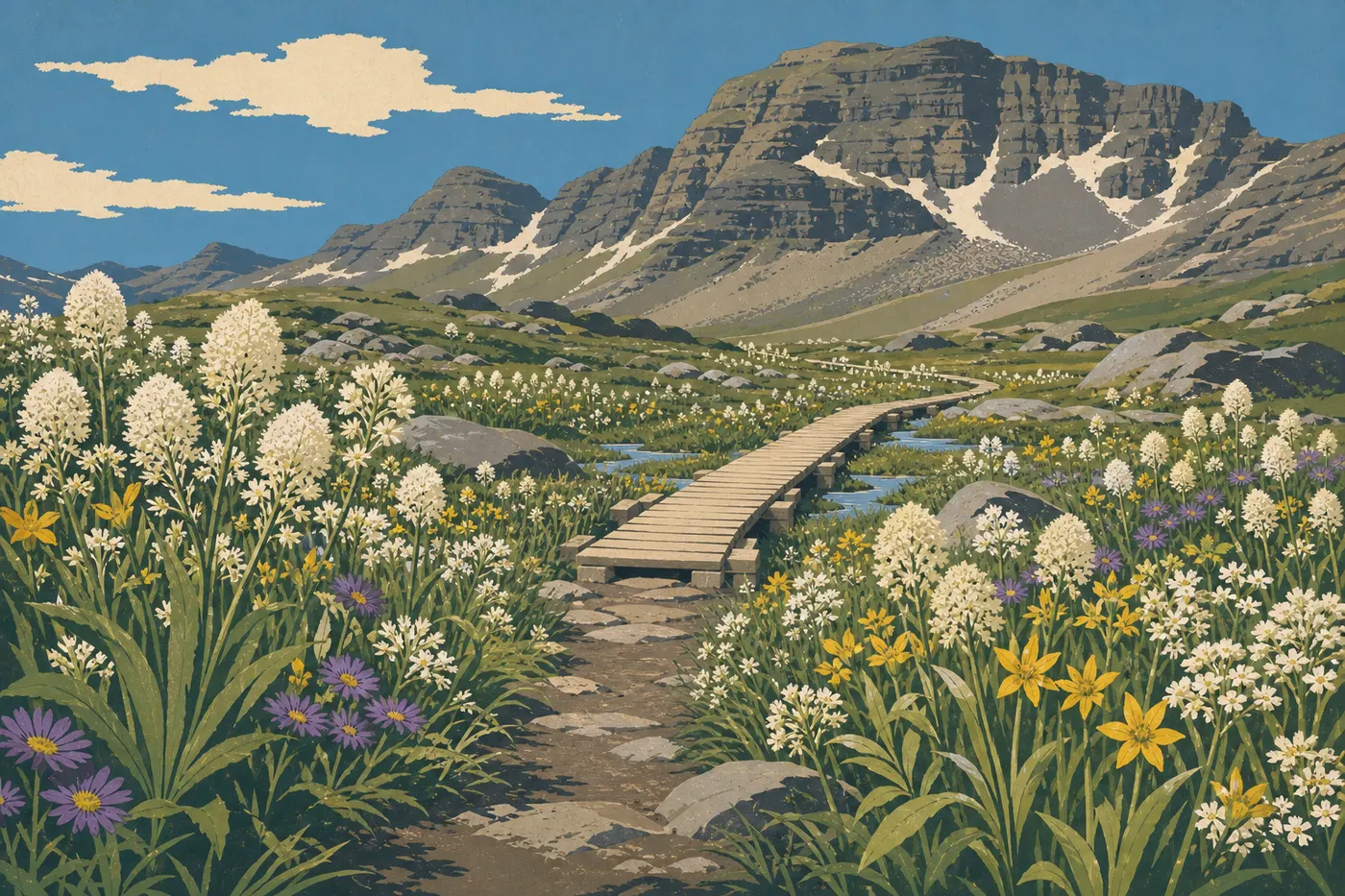
This is peak season. The Going-to-the-Sun Road starts opening gradually in late May, but it rarely opens all the way before late June, and in some years not until after July 4, depending on the remaining snowpack. In July and August, all facilities are operating, the park's roughly 684 miles of trails are accessible, and valley temperatures reach 77 to 82°F on pleasant days.
The tradeoff is heavy demand. Logan Pass parking lots fill by 7 a.m., entrance lines grow considerably longer, and a timed entry permit is required on the Going-to-the-Sun Road corridor. See the next section. July is statistically the driest month, but a hailstorm can develop within two hours along the ridges. Always pack a waterproof layer, whatever the morning forecast says.
Summer wildlife is spectacular. Look for bighorn sheep on the slopes of Logan Pass, plenty of marmots along the Highline Trail, and an occasional wolf if you scan the slopes at dawn with binoculars.
Fall (September-November)
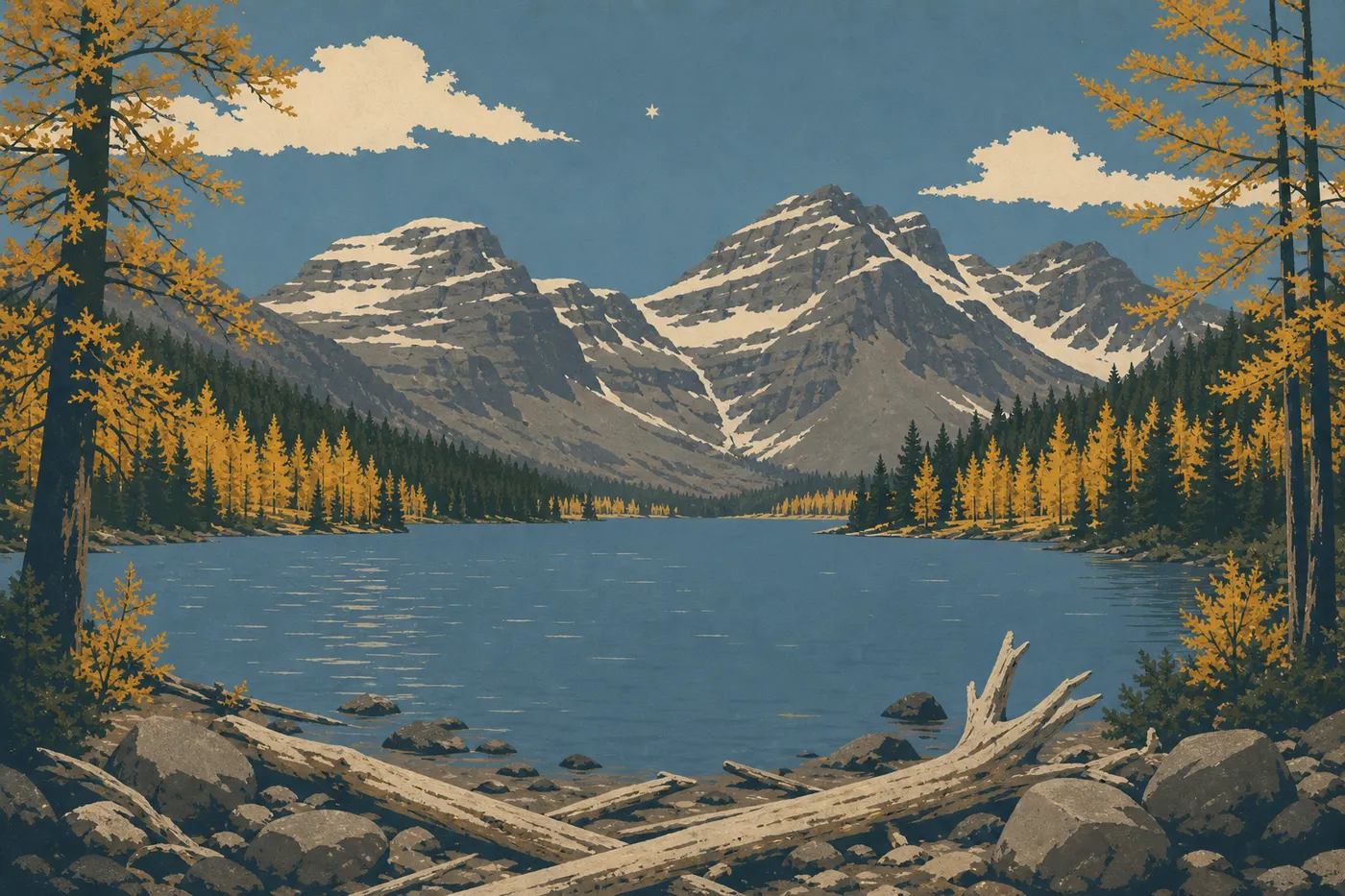
September is our favorite. Daytime temperatures, from 50 to 68°F, remain very comfortable, larches and aspens turn gold and orange, and visitation drops 40 to 50% from July's peak. Elk enter the rut in the meadows of Many Glacier. During my visit in early September, I heard a bull bugling at dawn from the shore of Swiftcurrent Lake. I ended up staying an extra hour, as you do.
The Going-to-the-Sun Road closes gradually starting in mid-October, sometimes much earlier if snow arrives ahead of schedule. The ideal fall window runs from September 1 through 25. By November, full winter conditions have returned.
Crowds: When to Avoid the Rush at Glacier
Glacier ranks among the most visited national parks in the United States. Visitation follows a sharply defined bell curve.
| Period | Crowd level | What it means |
|---|---|---|
| December to March | Very low | Park open, but high roads closed |
| April to May | Low | Changing conditions, muddy trails |
| June | High and rising | Rapid increase as roads open |
| July to August | Highest | Lots full by 7 a.m., timed entry |
| September | High, then moderate | Sharp drop after Labor Day |
| October | Low | Last hikes before closures |
| November | Very low | Winter settled in |
Practical advice: in mid-July, Logan Pass, at 6,647 feet, is full before 8 a.m. Start before 6 a.m. or after 5 p.m. to avoid the rush, and enjoy the much more interesting low-angle light for photography.
Reservations and Access by Season
Glacier has introduced a timed entry permit system, with a time slot reserved in advance, for access to the Going-to-the-Sun Road corridor during peak season. Exact dates vary from year to year. The complete process, Recreation.gov release windows, and vehicle-size restrictions on the road are covered in the guide to getting to Glacier.
Here's what matters most. July time slots sell out within hours of being released, often several months before the season begins. Plan early. If you're traveling without a permit, free-entry windows generally remain very early in the morning and late in the day, but you'll need to reach the gate well before 6 a.m.
No permit is required in the off-season. Entrance costs $35 per private vehicle, valid for 7 days, $20 per person on foot or by bicycle, and $30 for a motorcycle. The park's annual pass costs $70. The America the Beautiful Pass, at $80, covers all federal sites and pays for itself on a second national park visit within the year.
Best Time to Visit on a Budget
Lodging prices in gateway towns such as Whitefish, Kalispell, and East Glacier track visitation with predictable consistency.
During peak season, July and August, lodges and cabin rentals reach their highest rates. For in-park options, plan on booking six to nine months ahead. During the shoulder season, June and September, prices drop 20 to 35% compared with July while the park remains highly accessible. That's the best value available. During the off-season, October through May, choices shrink considerably. Some lodges and restaurants close from mid-October through late May.
For flights from abroad, Denver, Seattle, and Calgary are the most common gateways. Transatlantic fares drop noticeably in September and October. The Glacier lodging guide covers the best options by season, budget, and area of the park.
Which Season Fits Your Travel Style
- Wildlife and photography: April and May for bears emerging from hibernation, or September for elk rut and low-angle fall light. The Glacier wildlife guide and Things to Do in Glacier section list the best spots and viewing times.
- High-elevation hiking: mid-July to mid-August for access to all the trails, including Highline Trail, Grinnell Glacier, and Iceberg Lake. Plan for timed entry and get up before sunrise. The Glacier hiking guide covers difficulty levels and logistics.
- Landscape photography: September for golden light, brilliant larches, and no heat haze, or June for lingering snow on the ridges and still lakes at dawn.
- Families with kids: July for access to all visitor centers and Junior Ranger programs. Book lodging well ahead. The Glacier family guide offers family-friendly itineraries.
- Keeping costs down: September for lower rates and excellent conditions. Avoid July if you haven't booked six months ahead.
To plan your stops and choose the right trip length, our Itinerary and Length Guide offers several two- to seven-day scenarios.
In Summary: The Best Time for Your Travel Style
| Travel style | Recommended time |
|---|---|
| First full visit | Mid-July to mid-August, with everything open, so book early |
| Escape the crowds | September 1-25 |
| Keeping costs down | September or June before July 4 |
| Wildlife and photography | April-May or September |
| High-elevation hiking | Mid-July to mid-August |
| Winter and solitude | December to March, with technical gear required |
The Worst Time to Visit Glacier
If you haven't booked ahead, mid-July and mid-August bring the most constraints for the average visitor. Logan Pass parking lots fill before 8 a.m., a timed entry permit is required on the Going-to-the-Sun Road corridor, and in-park lodging books up six to nine months ahead. Add frequent afternoon hailstorms and visitor density that makes some trails crowded by morning. That doesn't mean you should avoid this period. With solid planning, including a reserved permit and a wake-up time before 6 a.m., the park remains exceptional.
For visitors most concerned about closures, November through March brings the opposite set of challenges. High roads are closed, most visitor centers are inactive, snowy trails require serious technical gear, and rescue response can be slow in isolated terrain. The park remains legally accessible and visually striking under its white blanket, but you need to know exactly what you're coming to find.
Frequently Asked Questions
When is the best time to visit Glacier National Park?
The best time to visit Glacier National Park is mid-July to mid-August for all roads and facilities to be open, or September for spectacular fall color and significantly smaller crowds.
What are temperatures like in Glacier National Park?
Temperatures in Glacier National Park vary widely by elevation and season, from 14 to 32°F in the valleys in January to 77 to 81°F in July. At higher elevations, expect temperatures 10 to 15°F lower, with snow possible even in midsummer at the passes.
Is Glacier National Park worth visiting?
Glacier National Park is worth the trip for its untouched alpine scenery, 684 miles of trails, and remarkable biodiversity. Grizzlies, bighorn sheep, wolves, and elk share one of North America's last great wild ecosystems.
How long do you need to visit Glacier National Park?
Plan on at least three to four days for the essentials, including the Going-to-the-Sun Road, Logan Pass, and Many Glacier. A week lets you explore both sides of the park and combine several high-elevation hikes. Our Itinerary and Length Guide offers detailed scenarios.
Can you visit Glacier National Park in winter?
Yes. Park entrances are accessible 24 hours a day, 365 days a year. In winter, high roads, including the Going-to-the-Sun Road, close to motor vehicles, and most visitor centers and services close, generally from November through about late April. Snowshoeing and cross-country skiing around Apgar Village remain possible. Bring a full winter setup. Rescue response can be slow in snowy, isolated terrain.
How much does a trip to Glacier National Park cost?
Park entrance costs $35 per vehicle, valid for 7 days. For lodging, expect to pay $150 to $350 per night for a lodge during peak season. Our Where to Stay Guide has the details on options and price ranges.
What's the best season to visit the American West?
The best season depends on which parks you're targeting. Summer works well for mountain parks such as Glacier, but it's extremely hot in the Southwest parks. The Region Guides provide an overview by geographic area across the American West.
When is the best time to visit Montana?
The best time to visit Montana is June through September for outdoor activities, and December through March for winter sports. Fall, from September through October, offers an exceptional compromise with colorful scenery, active wildlife, and sharply lower crowds.