
Cuyahoga Valley Wildlife: What to See and Where to Find It
Tucked between Cleveland and Akron, Cuyahoga Valley doesn't look like what most people picture when they think of an American national park. Yet the valley is home to far more wildlife than you'd expect. Five species capture the area's richness especially well: white-tailed deer, bald eagles, great blue herons, American beavers, and river otters. You can spot all of them year-round, although your best chances come around dawn and dusk.
Cuyahoga Valley's Iconic Animals
White-Tailed Deer
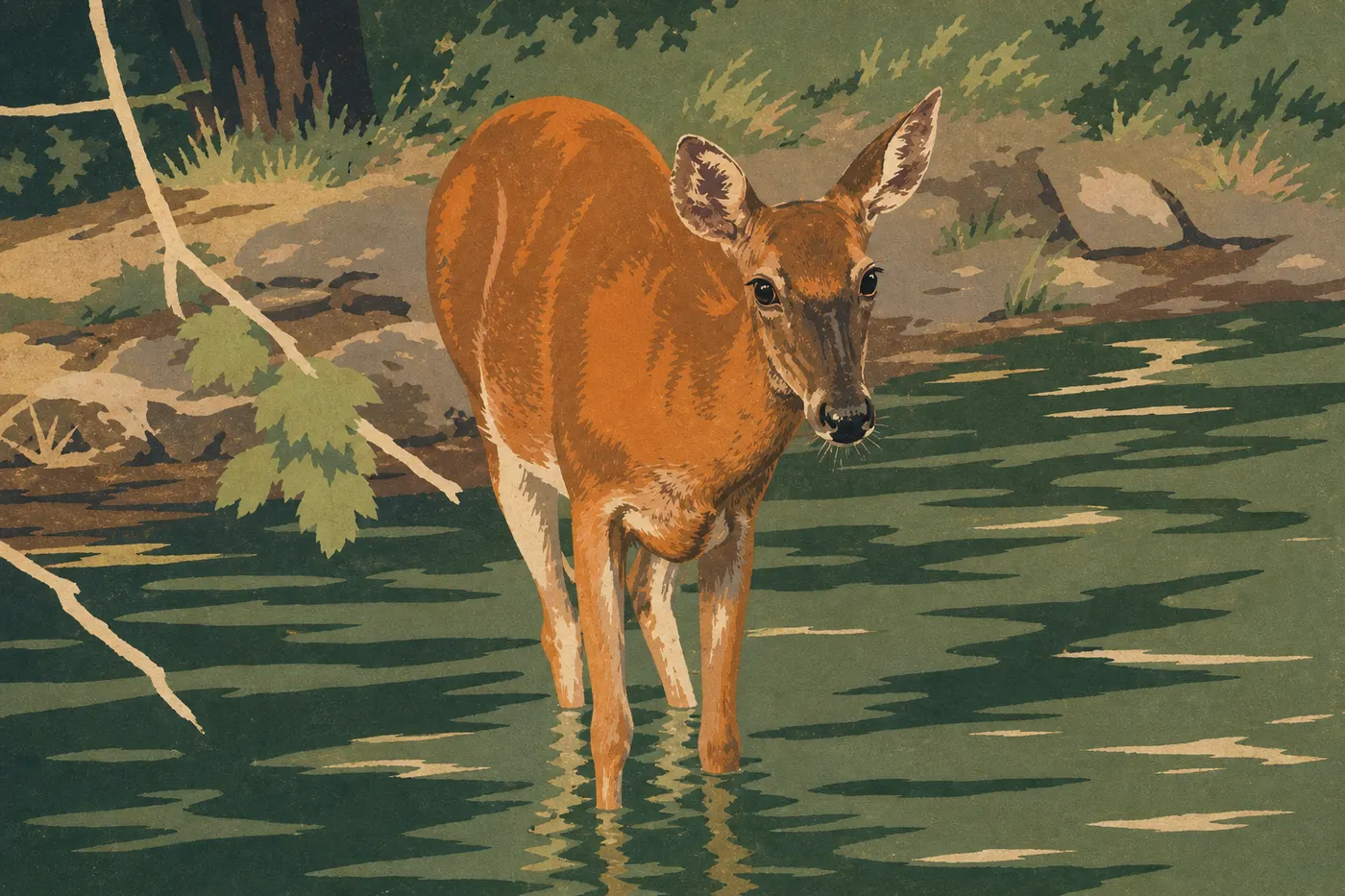
White-tailed deer (Odocoileus virginianus) are the animals you're most likely to see in the park. They frequent forest edges and open meadows, both around Peninsula and along the valley's wetlands. Their summer tawny coat turns gray-brown in winter, but the white patch beneath the tail gives them away in any season.
Deer feed mostly at dawn and late afternoon. In November, the rut makes bucks much less cautious. They cross trails in broad daylight with their antlers lowered, looking for does. This is the best time to get a close look at a large buck. It's also when you need to stay especially alert.
Bald Eagle
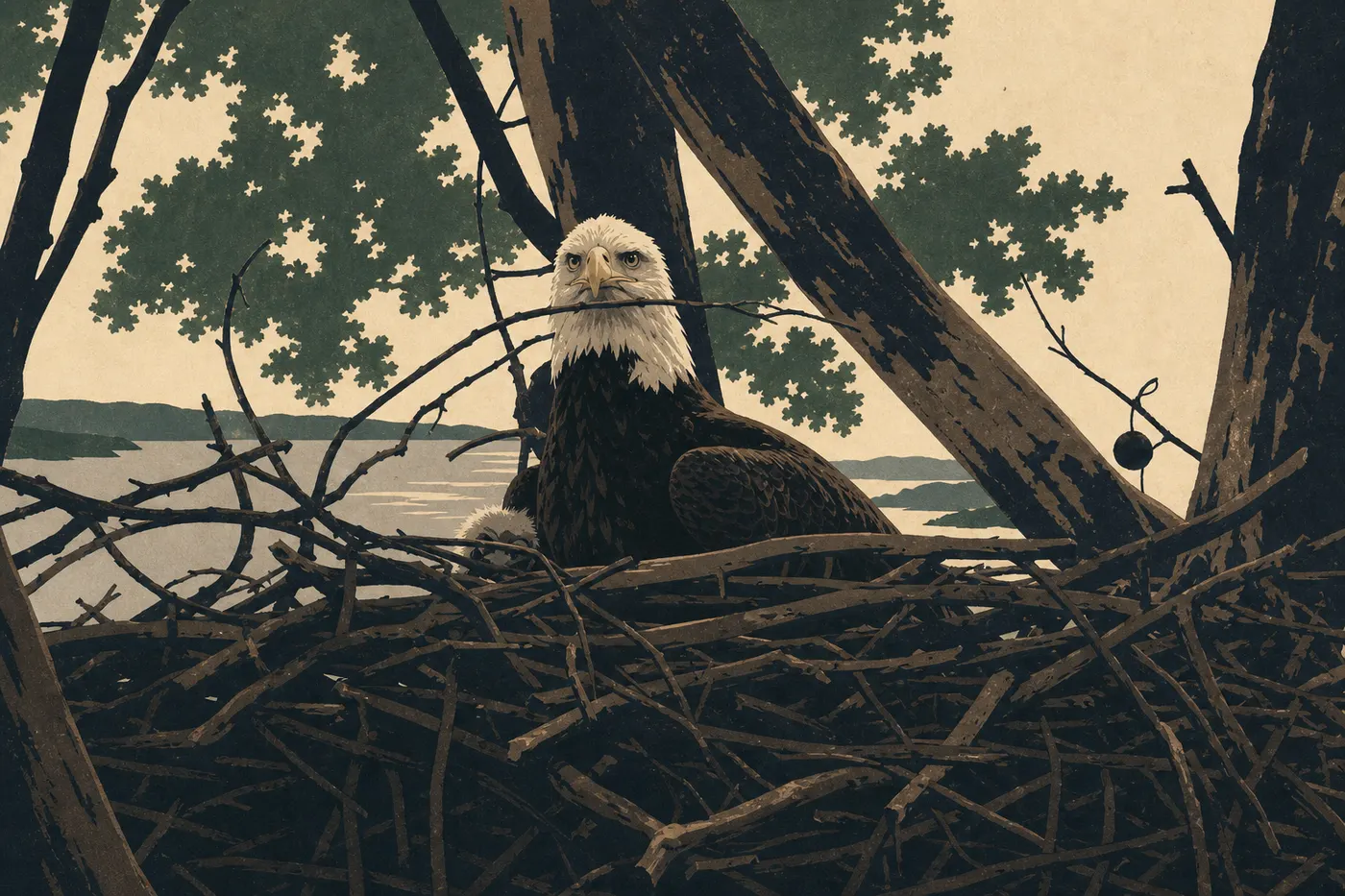
Bald eagles (Haliaeetus leucocephalus) returned to nest in the park after decades of absence. Their disappearance was linked to DDT, a pesticide that weakened their eggshells. Their gradual return beginning in the 1990s is one of Ohio's conservation success stories.
You can recognize an adult without binoculars: a white head and tail on a dark brown body, with a wingspan of 6 to 7.5 feet. Juveniles stay mottled brown for several years and look more like red-tailed hawks, which leads to frequent confusion. See below. Large dead trees along the Cuyahoga River are their favorite perches because they offer clear views over the water.
Great Blue Heron
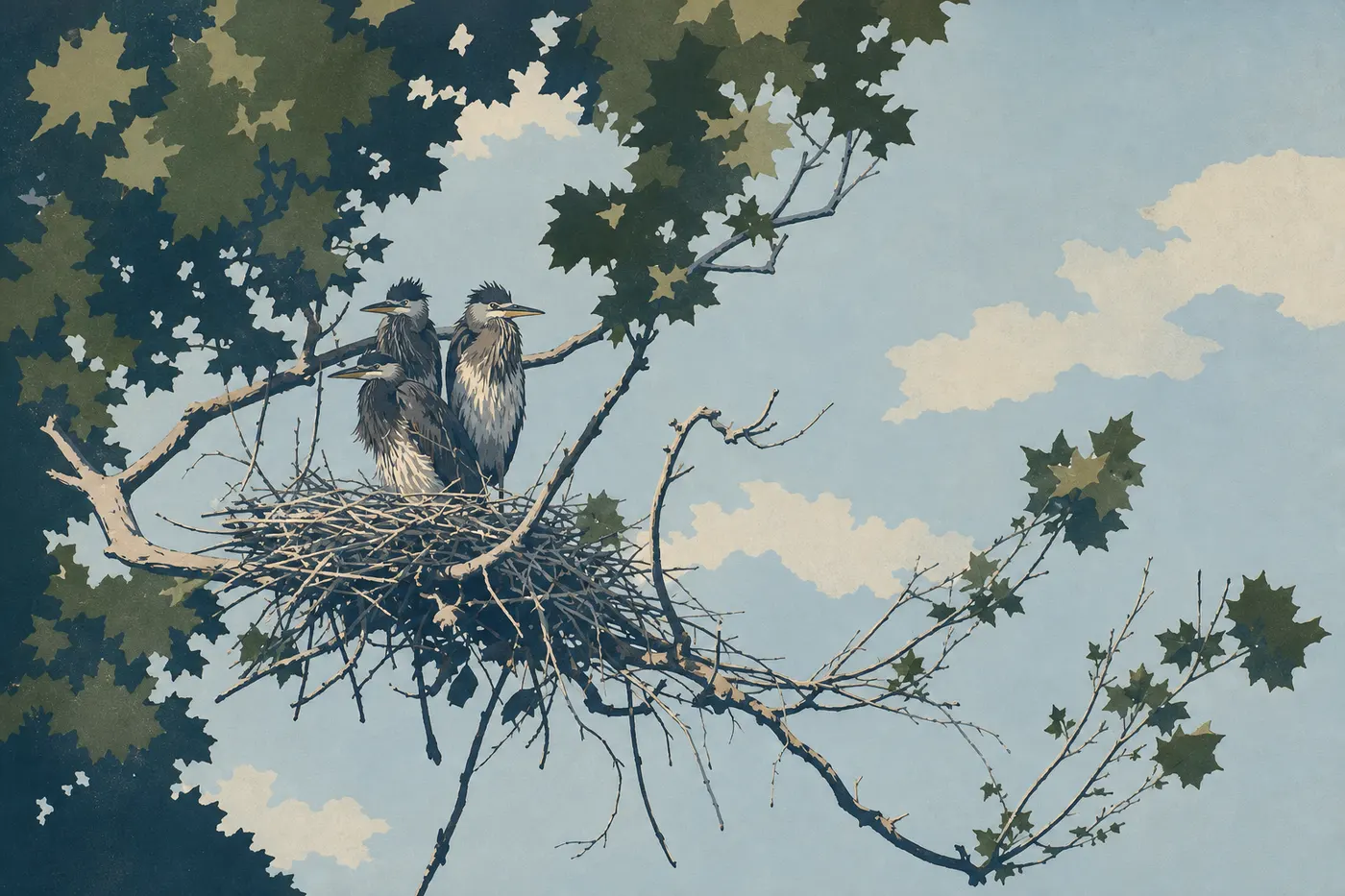
Great blue herons (Ardea herodias) are the easiest birds to spot in the park, year-round. Their curved profile, long yellow legs, and ashy blue-gray plumage make them easy to identify from a distance. They hunt by standing motionless, sometimes for several minutes, at the water's edge before spearing a fish or frog with a lightning-fast strike of the bill.
A few pairs nest in colonies in the large trees near the river. This type of gathering is called a rookery. In spring, adults make regular trips to feed their chicks. Look for the bulky stick nests starting in April.
American Beaver
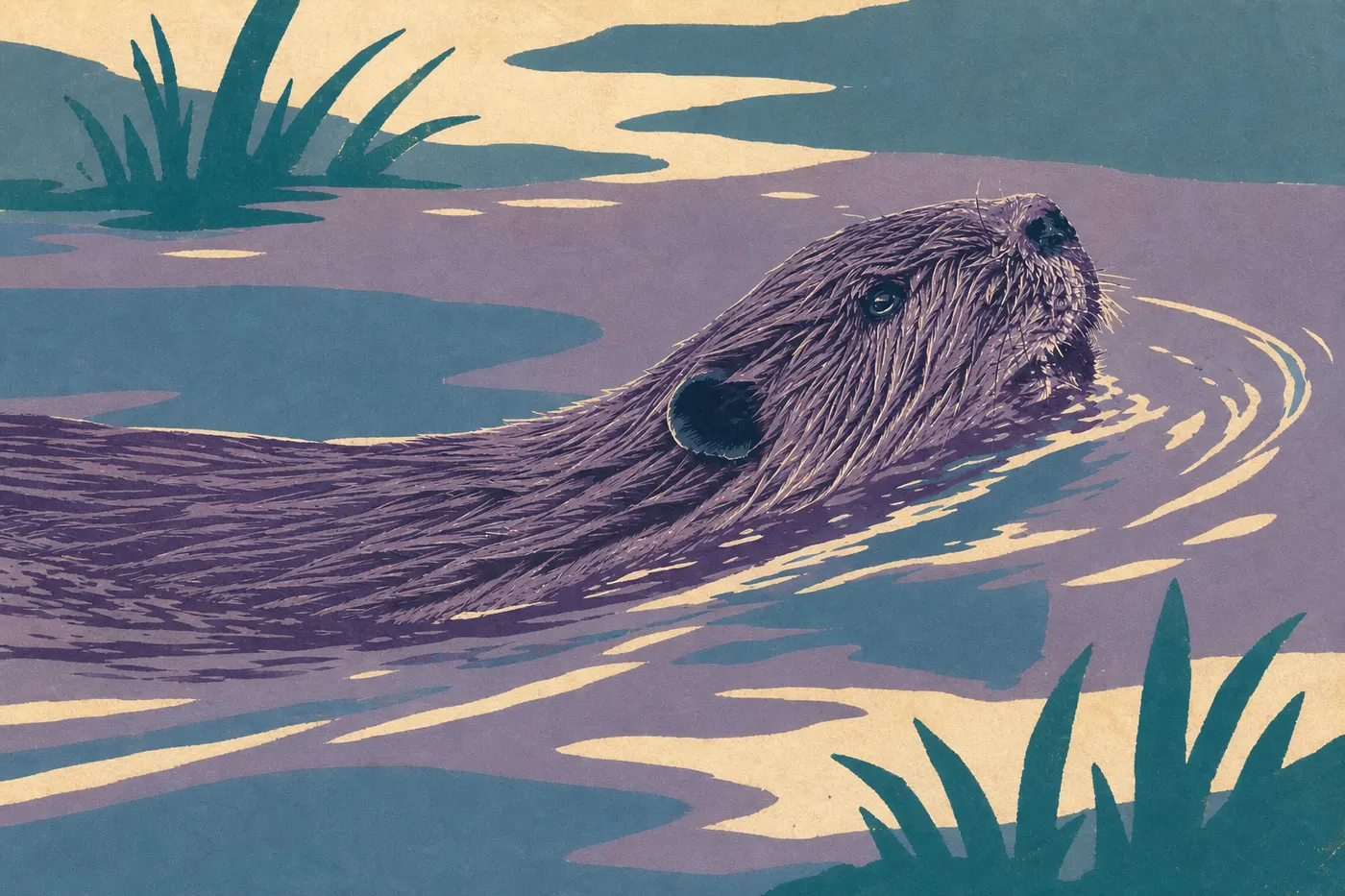
The American beaver (Castor canadensis) deserves special mention in Cuyahoga Valley because it created Beaver Marsh. The marsh, now one of the park's most popular wildlife-watching spots, was once an auto salvage yard. When beavers built their dams, rising water flooded the area, and nature reclaimed the scrap metal.
You can spot signs of beavers in tree trunks cut to a distinctive pencil point, dams made of branches and mud, and domed lodges rising from the water. Beavers are most active at dusk. Arrive at Beaver Marsh an hour before sunset and settle in along the bank. You'll see one swimming by, leaving a calm V-shaped wake on the surface.
River Otter
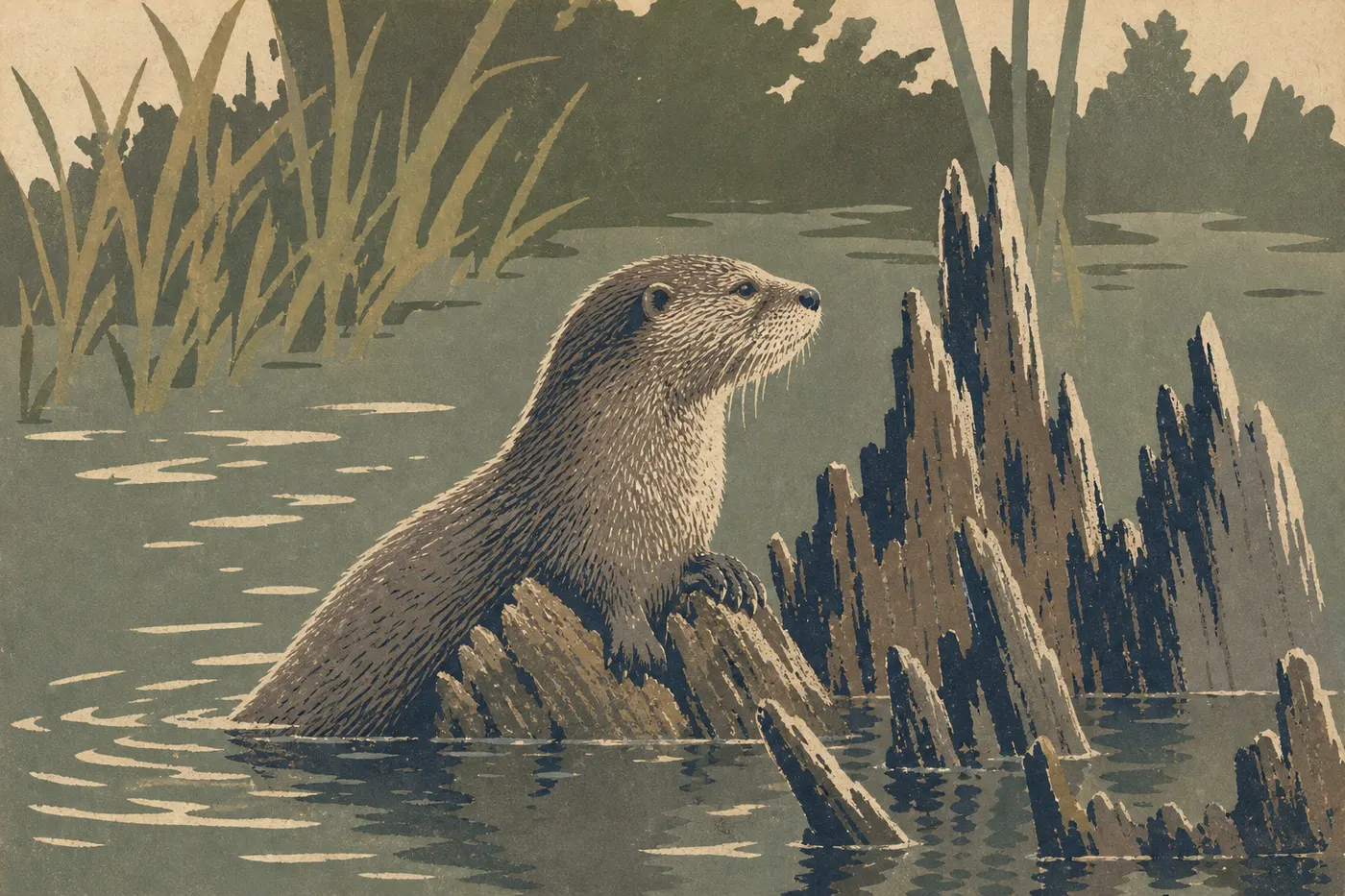
River otters (Lontra canadensis) were reintroduced to the Cuyahoga River after a long absence caused by water pollution and hunting. Their return followed the fish's return. Water quality has improved considerably since the 1970s.
Their streamlined bodies, short webbed feet, and playful slides through the current make them some of the park's most endearing mammals. They hunt fish, crayfish, and amphibians in the river's quieter stretches. They're more elusive than beavers, so you'll have to earn the sighting. Get up early, sit still on the bank, and watch for unexplained ripples or a group chasing one another.
Telling Similar Species Apart
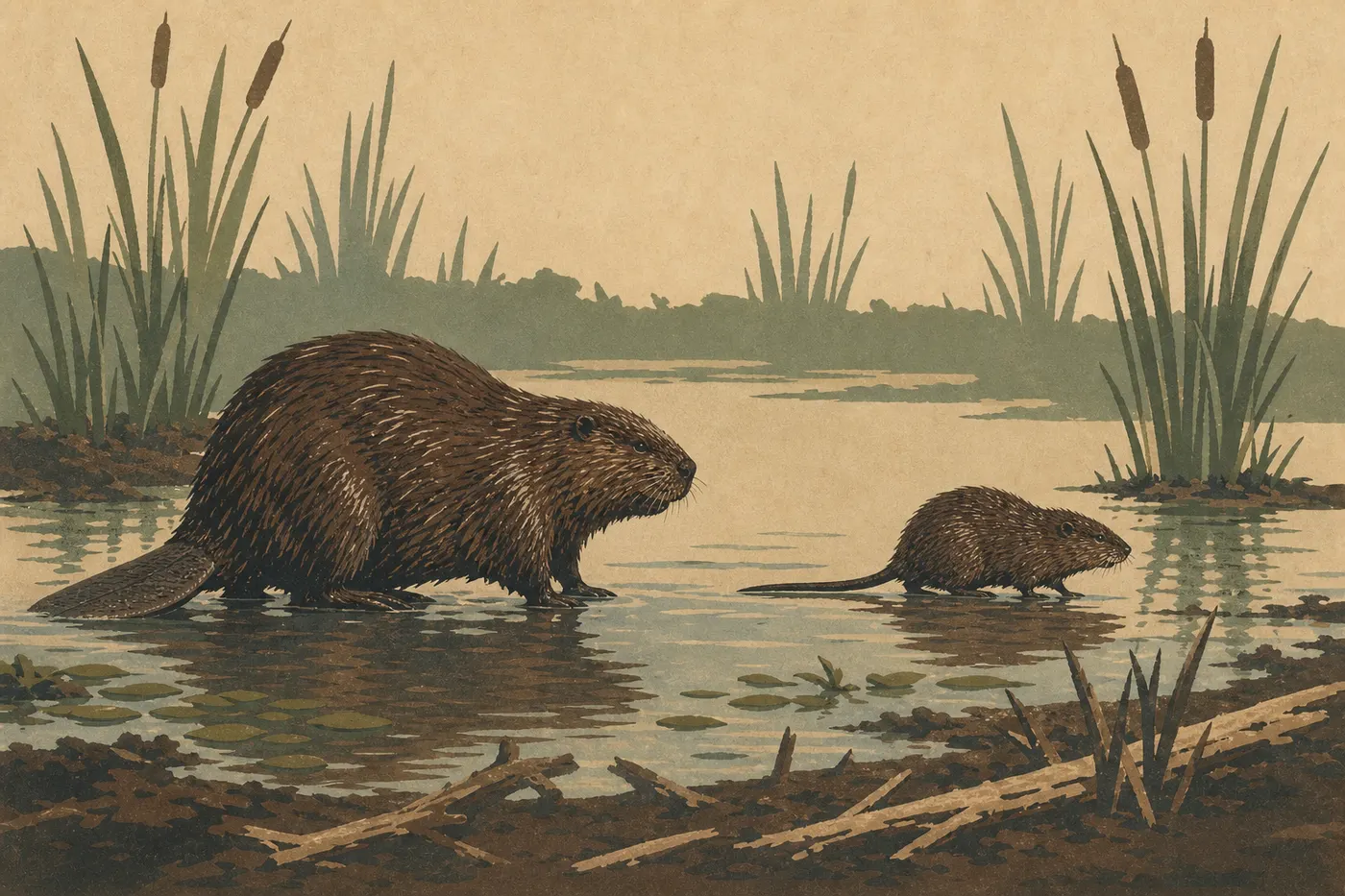
Visitors often mix up two pairs of species.
Beaver vs. otter: A beaver leaves a slow, steady wake with only its head above water. An otter dives and resurfaces quickly, often in a group, with plenty of visible play. A beaver's flat, scaly tail is distinctive. It slaps the water when the animal dives in alarm. An otter's tail is long and tapered.
Adult vs. juvenile eagle: A juvenile can easily be mistaken for a red-tailed hawk. The key differences are the eagle's larger head, more hooked bill, and much greater wingspan, more than 6 feet compared with 3.5 to 4.5 feet for the hawk.
Where to See Wildlife in Cuyahoga Valley
Beaver Marsh is the park's premier wildlife-watching spot. The marsh attracts herons, diving ducks, painted turtles, beavers, and otters in a compact area. You can reach it from the Towpath Trail, and it's accessible on foot, by bike, or on snowshoes in winter. You can spend an hour there without moving and watch a dozen species go by.
The Towpath Trail follows the Cuyahoga River and the route of the former Ohio & Erie Canal for several miles. It's the park's main wildlife corridor. Deer, raccoons, groundhogs, and water birds use it from dawn until evening. The section between Lock 29 Trailhead and Ira Trailhead offers a good variety of habitats, including forest, meadow, and wetlands, over a manageable distance.
For eagles, the Cuyahoga River banks between Ira Trailhead and Station Road Bridge see the most activity in winter. An open sky and good binoculars make all the difference.
The meadows around Peninsula offer clear views of deer at dawn and in late afternoon. Wild turkeys are common there in the morning.
To locate these areas before you go, check the park map and the Cuyahoga Valley trail guide.
When to Watch for Wildlife
Dawn and dusk are the most productive times, whatever the season. Most mammals, including beavers, otters, raccoons, and coyotes, are crepuscular or nocturnal.
Spring (April-May): This is birthing season. Fawns join the herds, herons return to their rookeries, and mallards nest along the water. Their behavior is especially easy to observe.
Summer: Dense vegetation makes mammals harder to spot in the forest. Wetlands remain active, and otters are easier to see early in the morning before the heat sets in.
Fall (October-November): Falling leaves open up sightlines through the forest. The deer rut in November is a highlight, and eagles begin visiting the river more actively in search of fish.
Winter: Snow reveals mammal tracks, including beaver, raccoon, and otter, where you would otherwise have seen nothing. Partly frozen wetlands concentrate birds around the few patches of open water. This is the best season for bald eagles.
For the full calendar and monthly weather conditions, see the Cuyahoga Valley seasonal guide.
Predators and Large Animals in Cuyahoga Valley
Cuyahoga Valley has no resident large predators. The coyote (Canis latrans) sits at the top of the local food chain. Nocturnal and wary, it keeps rabbits, rodents, and fawns in check. You may hear one howl after sunset, but your chances of seeing one during the day are slim.
Black bears and wolves are absent from the park, and Ohio has no established populations of either species. Stray individuals could theoretically cross the state, but no regular presence has been documented in Cuyahoga Valley. You don't need any special precautions for these species here.
White-tailed deer are the park's largest mammals, weighing up to 287 pounds for an adult buck. The wild turkey (Meleagris gallopavo) is the largest land bird, weighing 22 to 24 pounds. The bald eagle is the most imposing bird in flight, with a wingspan of up to 7.5 feet.
Among reptiles, painted turtles (Chrysemys picta) are common on logs and sunny pond banks. They're harmless and often gather in tight groups.
Watching Wildlife Safely
Recommended minimum distance: 82 feet from mammals and 100 feet from nesting birds. If an animal stops feeding, stares at you, or starts moving away faster, you're too close. Back away slowly without turning your back.
Never feed wildlife, including squirrels and ducks. An animal that associates people with food quickly becomes dependent, potentially aggressive, and is often eventually euthanized.
During the November rut, bucks can charge without warning. Does with fawns in May and June deserve just as much space. Keep your dogs leashed. A deer sees a dog as a predator and may kick violently to defend its fawn.
For evening outings, bring a headlamp. Cuyahoga Valley's trails aren't lit, and nocturnal wildlife, including raccoons, Virginia opossums, and coyotes, can surprise you on an unmarked trail.
For the complete rules on responsible behavior in nature and the park's safety guidelines, see the Cuyahoga Valley general guide.
In Short: Species You Shouldn't Miss and Where to Find Them
| Species | Best spot | Best time |
|---|---|---|
| White-tailed deer | Peninsula meadows, Brandywine | Dawn/dusk, November |
| Bald eagle | Cuyahoga River banks, Ira to Station Road | December-March |
| Great blue heron | Beaver Marsh | Year-round |
| American beaver | Beaver Marsh, Towpath Trail | Dusk |
| River otter | Cuyahoga River, Beaver Marsh | Dawn, spring |
| Coyote | Wooded areas | Night (listen for them) |
Frequently Asked Questions
What animals live in Cuyahoga Valley?
The valley's most representative mammals are white-tailed deer, American beavers, river otters, raccoons, coyotes, and groundhogs. Among birds, bald eagles, great blue herons, and wild turkeys are the most notable species. Painted turtles are very common in wetlands.
Are there bears in Cuyahoga Valley?
There are no resident bears in Cuyahoga Valley. Ohio has no established black bear population, so the park doesn't require the usual precautions found in mountain parks, such as storing food properly or carrying bear spray.
Are there wolves in Cuyahoga Valley National Park?
There are no wolves in Cuyahoga Valley National Park. The coyote is the only wild canine found in the park or anywhere else in Ohio.
What is the most common animal in Cuyahoga Valley?
White-tailed deer are the animals most commonly seen in the park, followed by great blue herons in wetlands and raccoons in wooded areas.
What is the largest animal in Cuyahoga Valley?
White-tailed deer are the park's largest mammals, weighing up to 287 pounds for an adult buck. The bald eagle is the largest bird in flight, with a wingspan of up to 7.5 feet.
What animals are out at night in Cuyahoga Valley?
The most active nocturnal animals in the park are beavers, raccoons, Virginia opossums, coyotes, and river otters. Several bat species hunt insects after dark above the wetlands and the Cuyahoga River.