
When to Visit Cuyahoga Valley: Best Seasons and Month-by-Month Guide
The best times to visit Cuyahoga Valley are spring (May and June), when wildflowers and bright green foliage are at their best, and fall (late September to mid-October), when maples and tulip trees put on a show of color. Summer is pleasant, but July weekends draw the biggest crowds. Winter, shaped by Lake Erie's lake-effect snow, has its own appeal for anyone who values quiet trails and snowy scenery. The good news is that admission is free, and the park is open 365 days a year, 24 hours a day.
Cuyahoga Valley Weather Month by Month
Cuyahoga Valley has the humid continental climate typical of Ohio, with hot and often muggy summers, cold winters fueled by lake-effect snow from nearby Lake Erie, and mild spring and fall weather with regular rain. Full month-by-month temperature and precipitation data are available in Cuyahoga Valley weather. The table below gives you the broad patterns to help plan your trip.
| Month | Weather | Crowds | What to Know |
|---|---|---|---|
| January | Cold, frequent snow | Very low | A contemplative winter |
| February | Cold, snow possible | Very low | Snowshoes and silence |
| March | Rainy, variable thaw | Low | First wildflowers |
| April | Changeable, showers | Moderate | Trails can be muddy |
| May | Mild, sunny | Moderate | Ideal for hiking |
| June | Warm, chance of storms | High | Beautiful, lively on weekends |
| July | Very hot, humid | Very high | Arrive before 9 a.m. |
| August | Hot, humid | High | End of peak season |
| September | Mild, pleasant | Moderate | Ideal, with crowds thinning |
| October | Cool, fall color (mid-month) | High | Peak fall color |
| November | Cold, rainy | Low | The quiet returns |
| December | Cold, snow possible | Very low | Near-guaranteed peace and quiet |
Cuyahoga Valley in January
January is the coldest month. Temperatures often drop well below freezing at night, and Lake Erie can bring heavy snow. Visitation is at its lowest, and the Towpath Trail becomes a quiet route for snowshoeing. The main areas, including Brandywine Falls, The Ledges, and Kendall Lake, close after dark but remain accessible during the day. Warm gear and waterproof shoes are essential.
Cuyahoga Valley in February
February extends winter with conditions much like January: a few degrees above freezing during the day, frequent nighttime freezes, and possible ice on the trails. It's the least-visited month of the year, so you can cover several miles of trail without seeing another person. When temperatures stay very low for several days, the waterfalls take on a spectacular coat of ice. Bring light traction for icy sections.
Cuyahoga Valley in March
Temperatures begin to rise in March, but rain is common and trails remain muddy early in the month. The first wildflowers tentatively appear around mid-March. Trilliums, wood anemones, and hepatica signal April's main bloom. Crowds are still light, making this a good time to explore at your own pace. Stick to the Towpath Trail, with its gravel surface, rather than dirt trails while the ground is saturated.
Cuyahoga Valley in April
April is wildflower season. White trilliums, blue violets, and other woodland flowers cover the slopes of the Cuyahoga gorge and the area around Brandywine Falls. Temperatures range from 41°F to 61°F, making for comfortable walking. Crowds pick up but remain moderate, and Brandywine Falls starts to get busier on weekends. Spring rains swell the waterfalls to their most impressive flow, making this one of the best times of year for photography.
Cuyahoga Valley in May
May is one of the two best months of the year. With temperatures from 50°F to 72°F, conditions are ideal for hiking: dry trails, vivid green foliage, and wildflowers still blooming early in the month. Spring bird migration is in full swing, and birding along the Towpath Trail can be exceptional. Crowds increase, especially on weekends, but the park isn't saturated yet. Arrive early and you can still find plenty of quiet.
Cuyahoga Valley in June
Early June feels much like May: pleasant, green, and still manageable in terms of crowds. By mid-June, though, heat settles in, with temperatures around 81°F, and humidity climbs. Weekend crowds become noticeable at the main attractions. Leave before 9 a.m., choose shaded forest trails, and avoid exposed areas in the middle of the day. Convective storms can develop quickly in the late afternoon, so check the forecast before heading out.
Cuyahoga Valley in July
July is the park's hottest and busiest month, with daytime temperatures reaching 86°F and humidity that makes afternoons exhausting. Parking lots at the main attractions fill up by 10 a.m. on Saturdays and Sundays. If you're visiting in July, arrive before 9 a.m. or aim for secondary trails away from Brandywine Falls and The Ledges. Carry enough water, wear a hat, and take a break in the shade during the middle of the day.
Cuyahoga Valley in August
August remains hot and humid, with temperatures close to July's. Visitation starts to drop during the final week of the month, after Labor Day weekend, which symbolically marks the end of summer. This is a good month to explore lesser-known parts of the park, including northern forests, wetlands, and riverbanks away from the main trails. Keep planning outings for early morning to beat the heat.
Cuyahoga Valley in September
September is often overlooked, but it's an excellent time to visit. Temperatures return to the comfort of spring, ranging from 54°F to 75°F. Crowds drop sharply after Labor Day, and the first hints of fall color appear toward the end of the month. Deer and migrating birds become active again, and wildlife-viewing conditions improve. It's a great compromise for anyone who wants some color without October's peak crowds.
Cuyahoga Valley in October
Mid-October is peak fall color. Sugar maples and tulip trees shift from bright yellow to orange-red, and low morning light is ideal for photography. Temperatures range from 43°F to 63°F, perfect for spending several hours on foot. Fall-color crowds rise sharply on weekends. During the week, even at peak color, the park is considerably easier to enjoy. Bring a fleece jacket because nights cool off quickly.
Cuyahoga Valley in November
November brings the end of fall color and a sharp drop in visitation. With temperatures from 34°F to 50°F and frequent rain, the month may not look glamorous on paper, but it suits anyone who enjoys solitude. The waterfalls swell again with fall rain, and bare forests open up views of the terrain that foliage had hidden. It's a serious option for a quiet trip without sharing the trails with half of Cleveland.
Cuyahoga Valley in December
December brings cold weather, from 25°F to 39°F, the first Lake Erie snow, and near-total quiet. The park is open 24 hours a day, 365 days a year, and snow-covered Brandywine Falls is a rare sight that costs nothing to see. The Brandywine Falls, The Ledges, Octagon, Kendall Lake, and Kendall Hills areas close after dark. Outside those areas, trails remain freely accessible. Dress in layers and wear waterproof shoes.
Cuyahoga Valley Season by Season
Winter (December-February)
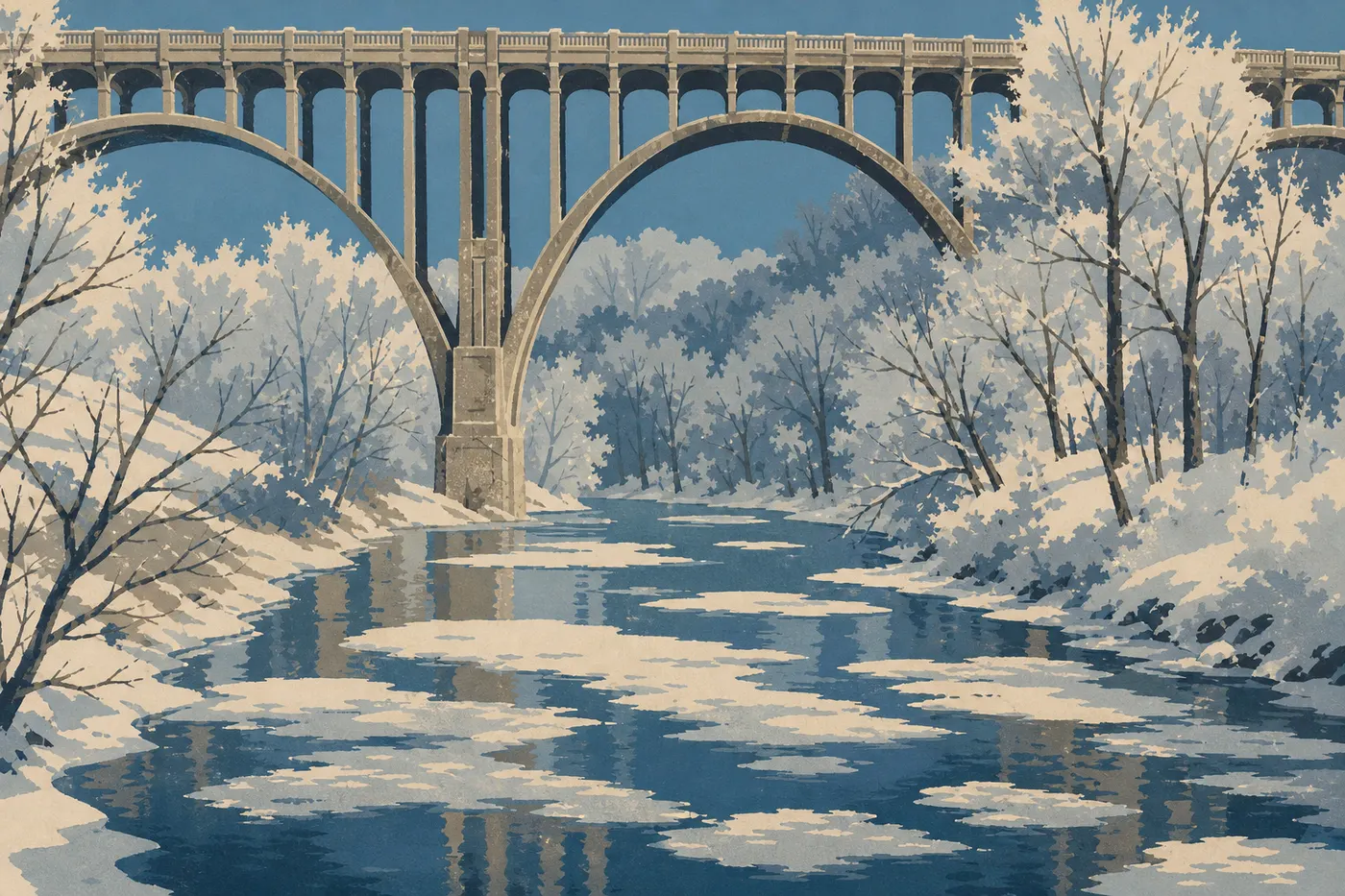
In winter, Cuyahoga Valley takes on a different character. Lake-effect snow can leave a foot or more overnight, covering the Towpath Trail and the banks of the Cuyahoga River in clean, quiet snow. Temperatures range from a few degrees above freezing during the day to well below freezing during cold snaps. Dress in layers and don't underestimate the wind.
Parking lots are empty. You can walk for hours without seeing many people, apart from one or two locals out with their dogs. Watch for areas that close from dusk until morning opening: Brandywine Falls, The Ledges, Octagon, Kendall Lake, and Kendall Hills. Outside those areas, the park remains accessible at any hour.
What to do: Snowshoe on the Towpath Trail, take in ice-fringed waterfalls, and go winter birding near the river.
Wildlife: Ducks and wintering birds on the Cuyahoga River, plus raptors gliding over open areas.
Spring (March-May)
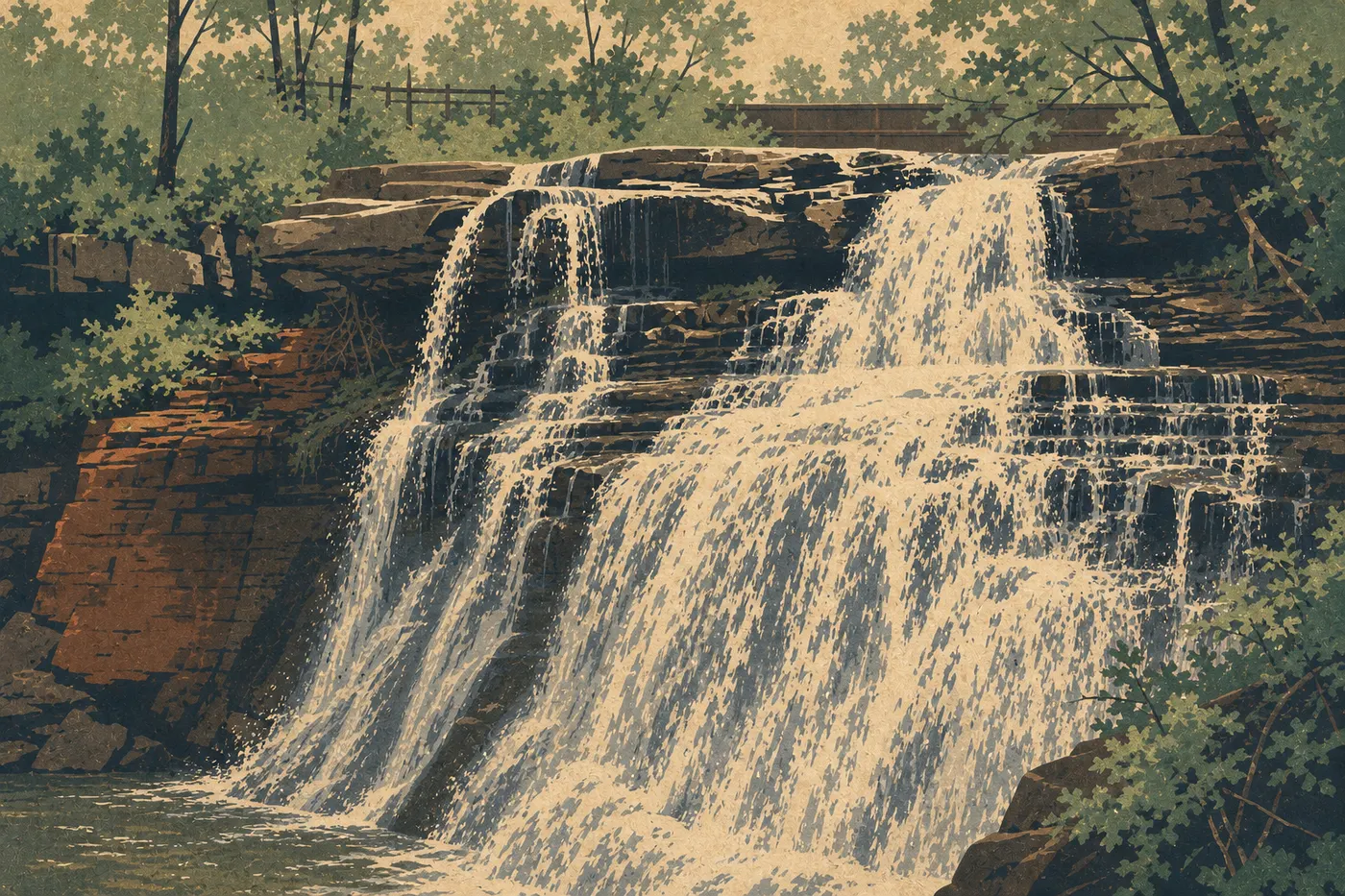
This is our favorite season. Spring rains keep the waterfalls flowing strongly and bring a succession of wildflowers, including white trilliums, wood anemones, and blue violets beginning in April. By May, the leaves are out, temperatures range from 50°F to 77°F, and the trails are both dry and green.
March is still cool, and trails turn muddy after showers. Wait until May for the best walking conditions. During the week, the park remains quiet even in the heart of spring.
What to do: Take wildflower walks, hike the Ledges Trail and Brandywine Gorge Loop, and bike the Towpath Trail.
Wildlife: Spring bird migration, which is excellent for birding; frogs in wetlands; and the first deer visible at dawn along the edges of the woods.
Summer (June-August)
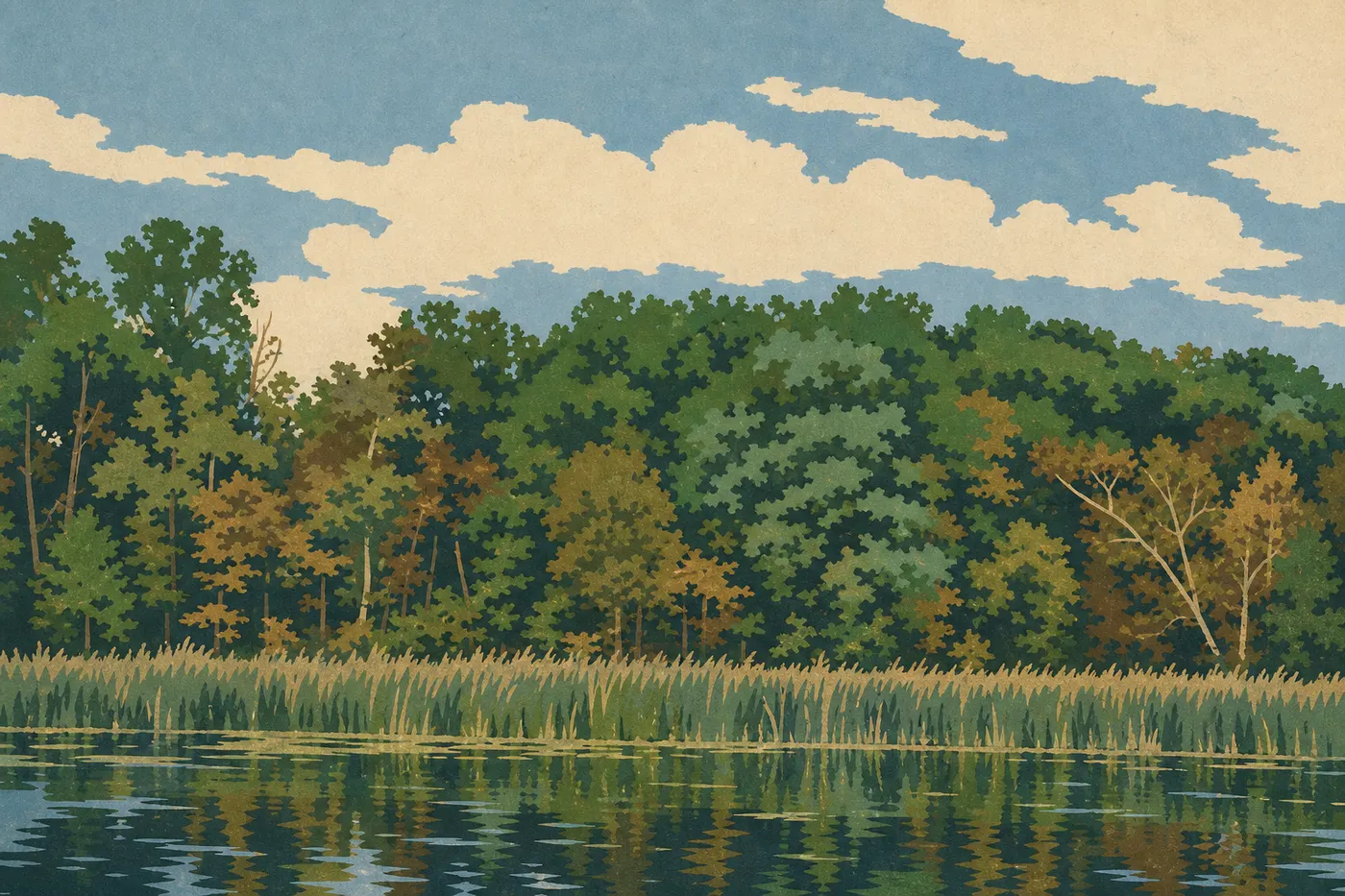
Summer is green and lively, but it calls for a few adjustments. Temperatures can climb to 95°F during the day, and humidity makes afternoons exhausting on exposed trails. The strategy is simple: start early, before 9 a.m., take a shady break around midday, and head out again in the late afternoon.
July weekends bring the majority of visitors. There is no entrance gate to pass through because the park is free, but parking lots at the main attractions fill quickly. Arrive early or use a secondary parking area. Storms can be sudden and severe, so check the weather before committing to an exposed trail.
What to do: Hike shaded forest trails, bike the Towpath Trail, and picnic along the river.
Wildlife: Deer along the edges of the woods at dawn and dusk, dragonflies over ponds, and songbirds at peak activity.
Fall (September-October)
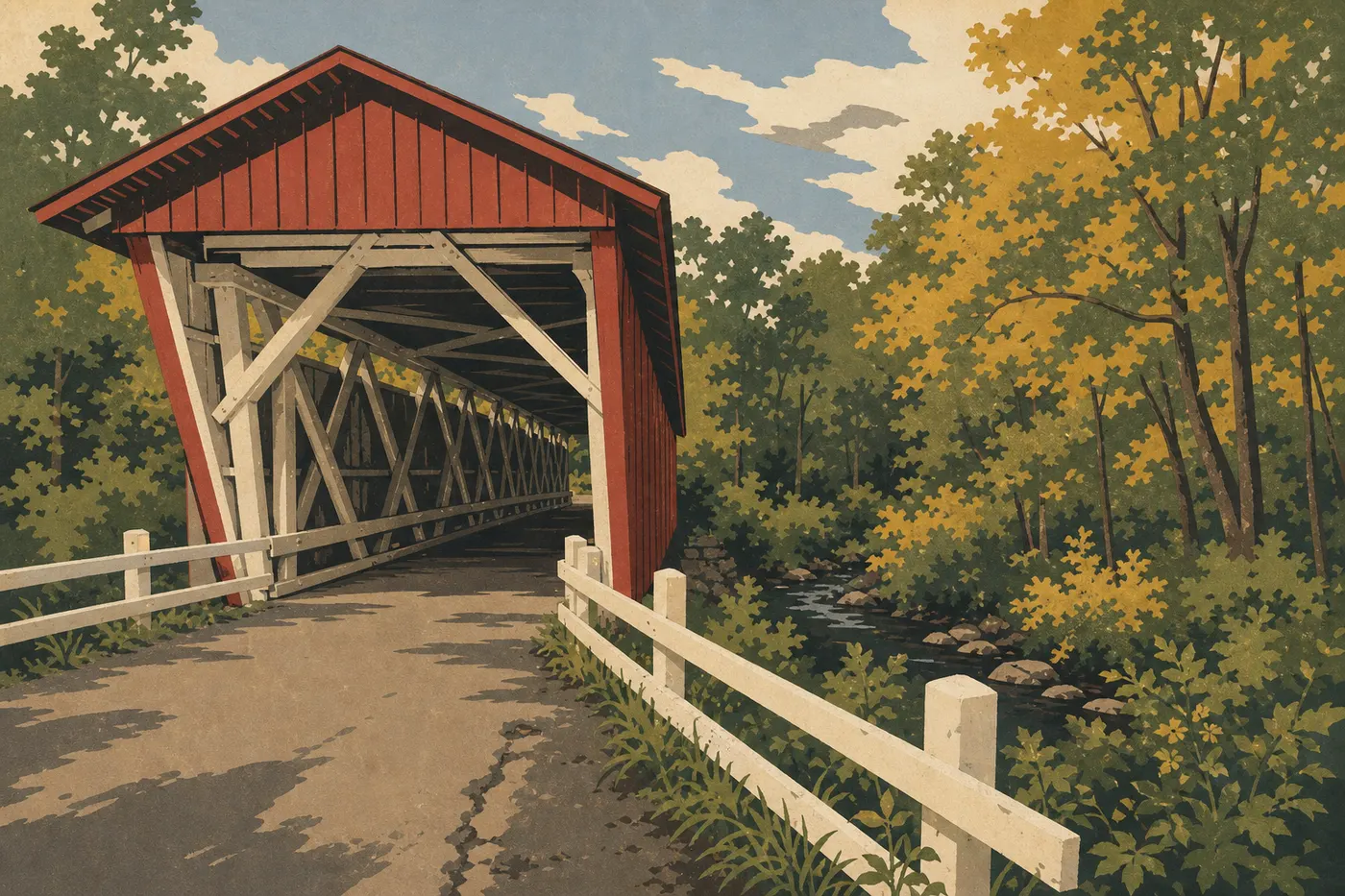
Fall is the most spectacular season. By late September, maples and tulip trees begin to change. In mid-October, the hills blaze from red to yellow. Daytime temperatures stay around 68°F in September, but nights can approach freezing by late October, so a fleece jacket is essential.
Mid-October brings visitors looking for fall color, especially on weekends. During the week, the park remains much quieter even at peak color. This is when the trails are at their most beautiful, and the warm, low morning light is hard to beat for photography.
What to do: Hike the scenic Ledges Trail and Brandywine Gorge Loop, and bike the Towpath Trail lined with gold.
Wildlife: Deer in the October rut. Stay at least 165 feet away. Canada geese on migration, and raptors in open areas.
Crowds: When to Avoid the Busy Periods
Cuyahoga Valley is among the most visited national parks in the United States. Free admission and its proximity to Cleveland and Akron draw several million visitors each year. The busiest times follow a predictable pattern.
Periods to avoid if crowds bother you:
- July and August weekends, from 10 a.m. to 4 p.m., at the main attractions, including Brandywine Falls, The Ledges, and Towpath Trail access points.
- The mid-October weekend at peak fall color.
- U.S. holidays, including Memorial Day in late May and Labor Day in early September. Parking lots fill up.
Best times to go:
- Weekdays year-round, especially from May through October.
- Early mornings, before 9 a.m., even during peak season.
- Winter, from December through February, for near-guaranteed peace and quiet.
Because the park is open 24 hours a day, leaving at dawn gives you the waterfalls almost to yourself. Remember that Brandywine Falls, The Ledges, Octagon, Kendall Lake, and Kendall Hills close after dark and reopen in the morning.
Best Time to Visit on a Budget
Admission to the park is free, which sets Cuyahoga Valley apart from most of America's major national parks. Lodging around Cleveland and Akron is usually the main expense.
Low season (November-March): Hotels in nearby cities offer their lowest rates. This works especially well if you're combining the park with time in Cleveland.
Peak season (June-August): Prices rise on weekends. Book ahead, ideally six to eight weeks before arrival, for lodging near the park.
Fall (October): Fall-color weekends drive up local prices. Staying in Akron, about 19 miles away, is more affordable than lodging near the park.
Cuyahoga Valley lodging and the park camping guide compare seasonal options, from riverside camping to hotels in downtown Cleveland.
When to Visit Based on Your Interests
Wildlife: April and May for migrating birds; October for the deer rut and Canada geese. The Cuyahoga Valley wildlife guide lists species and the best viewing spots.
Hiking: May and June, and September, for ideal conditions with mild temperatures and dry trails. The Cuyahoga Valley hiking guide breaks down trails by difficulty and length.
Photography: Mid-October for fall color, or winter after a snowfall at Brandywine Falls. In both cases, the low morning light before 8 a.m. is unbeatable.
Families: May or September to avoid July heat and weekend crowds. The Cuyahoga Valley family guide offers itineraries suited to children.
Tight budget: January through March, when regional hotels are at their cheapest and the park is nearly empty.
Waterfall lovers: March and April, when spring rains swell Brandywine Falls to its highest flow.
In Summary: The Best Time for Your Trip
| Interest | Recommended time |
|---|---|
| Hiking | May-June or September |
| Fall color | Mid-October (weekdays) |
| Photography | Winter or mid-October mornings |
| Families | May or September |
| Budget | January-March |
| Wildlife | April-May or October |
| Complete solitude | December-February |
Cuyahoga Valley doesn't have a bad season. Each time of year has its own character. What makes the difference is arriving early, visiting on a weekday if possible, and moving beyond the two or three busiest sites. To plan your entire trip, our complete Cuyahoga Valley guide brings together practical information, itineraries, and access tips.
The Worst Time to Visit Cuyahoga Valley
July weekends are the most challenging time to visit. Heavy heat, reaching 86°F with high humidity, combines with parking lots that fill by 10 a.m. at the main attractions and crowded trails in the middle of the day. It's manageable, but you'll need to arrive very early, choose secondary areas, and accept that you won't have Brandywine Falls to yourself. If a July Saturday is your only option, plan around the cooler hours and reserve your lodging well in advance.
The mid-October fall-color weekend also deserves a warning. The experience is still beautiful, but parking at The Ledges and Brandywine Falls fills quickly. The simple solution is to come during the week. A Tuesday in mid-October is worth ten July Saturdays in the park.
Frequently Asked Questions
What's the best time to visit Cuyahoga Valley?
The best times to visit Cuyahoga Valley are spring (May and June) for wildflowers and fall (mid-October) for fall color. Winter is ideal for escaping the crowds. In summer, choose weekday mornings to avoid packed parking lots.
Can you visit Cuyahoga Valley in winter?
Yes. The park is open 365 days a year, 24 hours a day, and winter has real charm here. Lake-effect snow turns the trails into quiet, contemplative landscapes, and waterfalls sometimes develop a spectacular coat of ice. Bring layers, waterproof shoes, and possibly light traction. The Brandywine Falls, The Ledges, and Kendall Lake areas close after dark, but the rest of the park remains freely accessible.
What's the least busy month?
January and February are the least visited months of the year. You can cover several miles of the Towpath Trail without seeing anyone besides one or two local residents. It's the ideal time if solitude and quiet are your priority, provided you dress properly for the cold.
Is the park open year-round?
Cuyahoga Valley National Park is open 365 days a year, 24 hours a day, and admission is free. Some areas, including Brandywine Falls, The Ledges, Octagon, Kendall Lake, and Kendall Hills, close after dark but reopen each morning. The park as a whole has no seasonal closure.
How many days do you need to visit Cuyahoga Valley?
Allow one day for the main attractions, including Brandywine Falls, Ledges Trail, and the Towpath Trail, and two to three days to explore secondary areas and quieter trails. Our Itinerary and trip length page offers ready-made plans for different amounts of time.
What's the weather like in Cuyahoga Valley?
Cuyahoga Valley has a humid continental climate, with hot summers reaching 95°F, cold winters with Lake Erie snow and temperatures sometimes well below freezing, and mild, rainy springs and falls. Our Weather page provides precise month-by-month data.
Is Cuyahoga Valley worth visiting?
Cuyahoga Valley is well worth a visit, especially if you're traveling through Ohio or the Midwest. The free park is easy to reach from Cleveland and Akron, and it combines waterfalls, forests, a river, and trails for every level. October fall color and May wildflowers make it a worthwhile seasonal destination in its own right.
What's the best time to visit Ohio?
For Ohio's natural areas and outdoor attractions, spring (May) and fall (October) offer the best balance of pleasant weather and manageable crowds.