
Channel Islands Wildlife: What You'll See and Where to Find It
Forty miles off Ventura, five wild California islands are home to 145 endemic species, several of which exist nowhere else on the planet. The park's five must-see animals are the island fox, California sea lion, northern elephant seal, island scrub-jay, and blue whale. Here's what you need to know to see them at their best.
Channel Islands' Signature Animals
The Island Fox: A Survivor with Surprising Behavior
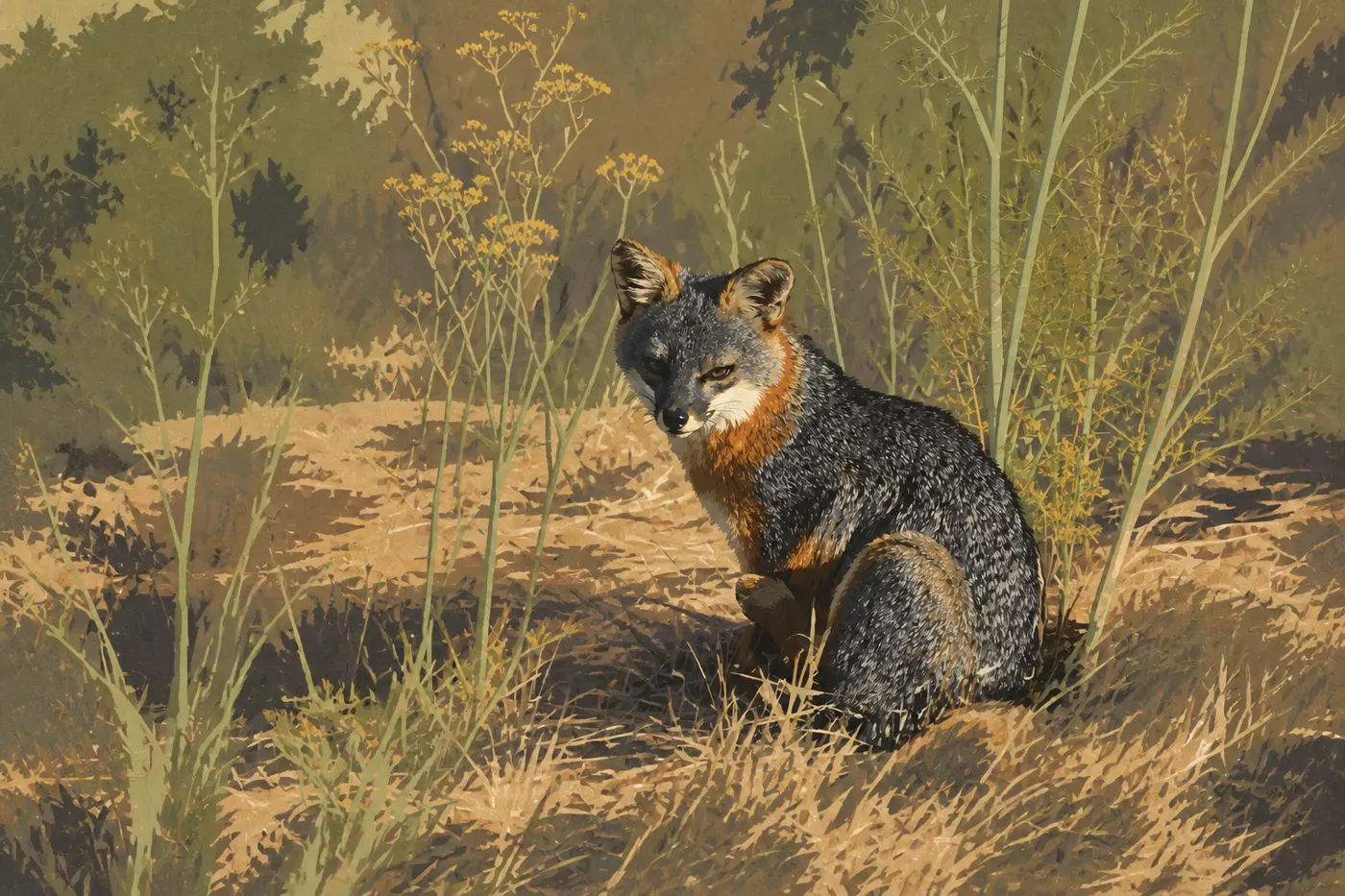
The island fox (Urocyon littoralis) is the park's land mascot. About one-third smaller than a mainland gray fox, it weighs around 3.3 pounds and measures about 20 inches long. Its confidence around visitors can be startling at first. With no natural land predator on the islands, it sometimes comes within a few feet without the slightest hesitation.
Six distinct subspecies live on six of the eight Channel Islands, including four within the park: Santa Cruz, Santa Rosa, San Miguel, and Santa Barbara Island. The fox is an omnivore. Depending on the season, its menu includes berries, insects, lizards, and bird eggs.
Around the turn of the 21st century, the population collapsed because of the spread of golden eagles. The eagles arrived after DDT contamination had wiped out bald eagles. On San Miguel and Santa Rosa, numbers fell to 15 animals. An intensive recovery program involving captive breeding, bald eagle reintroduction, and golden eagle control turned the trend around. In 2016, four subspecies were removed from the endangered species list, marking the fastest recovery ever recorded for a mammal in the United States.
Where to see it: Santa Cruz Island is the most accessible island and has the largest fox population. The area around the Scorpion Ranch campground is a well-known spot, especially in the late afternoon.
California Sea Lions: Up to 30,000 on San Miguel
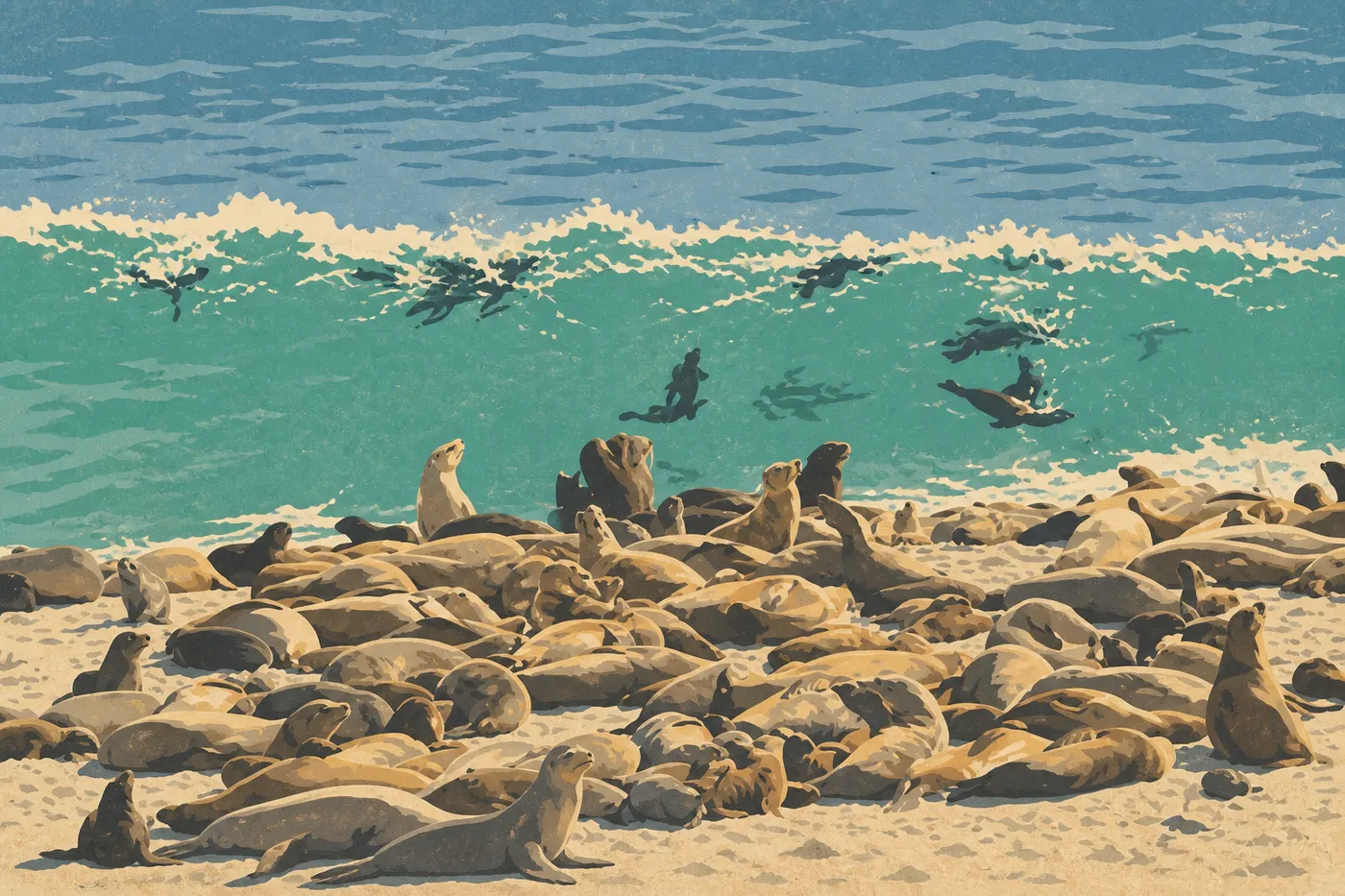
The California sea lion (Zalophus californianus) is the park's most visible marine mammal. Adult males can reach 660 pounds and are recognizable by the prominent sagittal crest on top of the skull. Their agility in the water contrasts with their easygoing appearance on land, where they can look almost harmless. They aren't.
Point Bennett, at the western tip of San Miguel Island, is home to the largest pinniped colony on the American West Coast. During peak season, up to 30,000 animals from six different species share this site. It's hard to find a comparable spectacle anywhere else on the continent.
Where to see them: California sea lions live on every island in the park, but Point Bennett on San Miguel offers the densest gathering. Anacapa and Santa Barbara Island also have significant harbor seal colonies (Phoca vitulina).
Northern Elephant Seals: The Giants of the Beaches
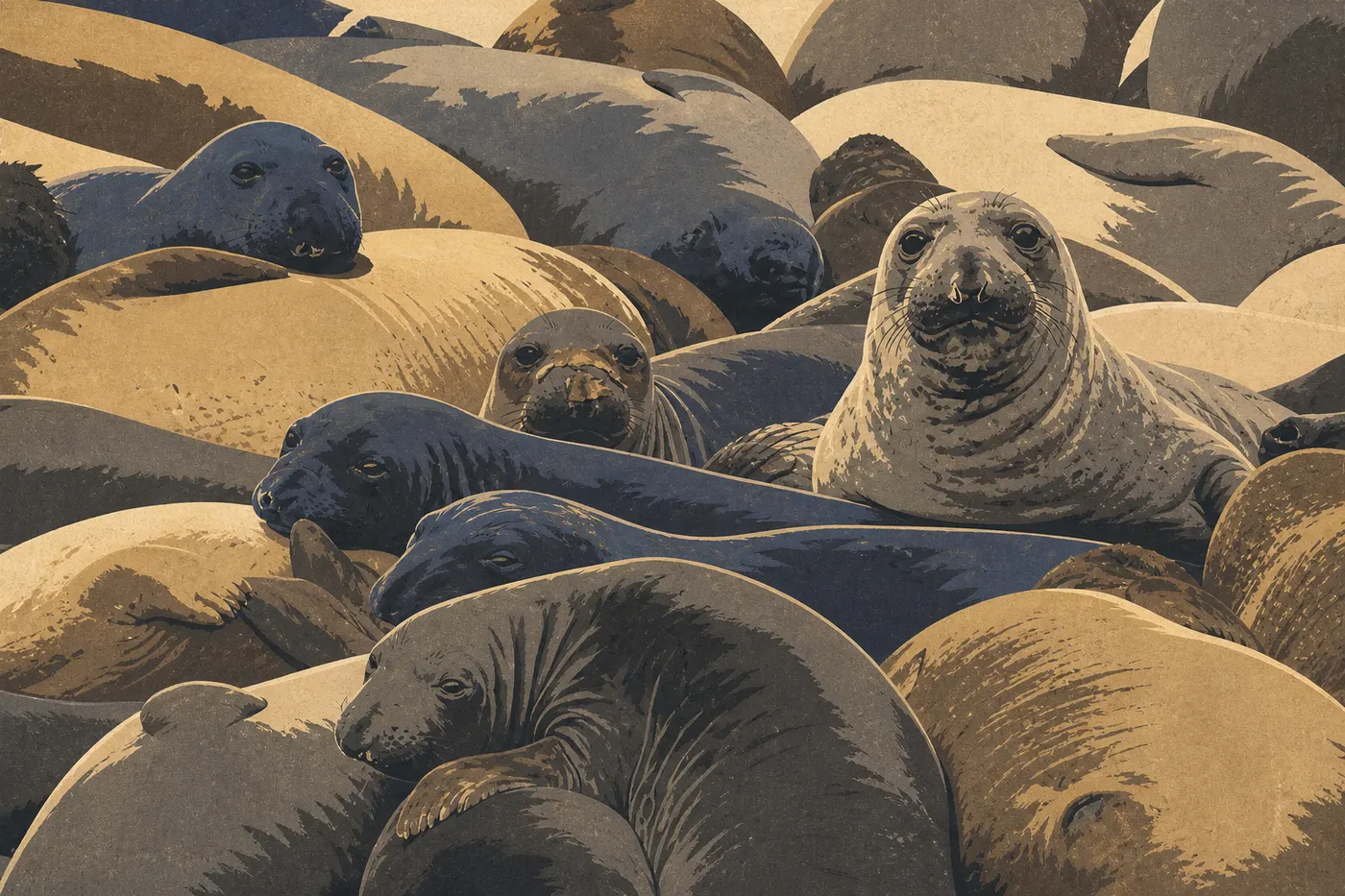
The northern elephant seal (Mirounga angustirostris) is the park's largest pinniped. Males can weigh more than 4,400 pounds and grow beyond 13 feet long. The male's proboscis, that distinctive inflatable nose, produces powerful calls during rank contests between rivals.
From December through March, the breeding season brings elephant seals back to the beaches of San Miguel and Santa Rosa. Females give birth, nurse their pups, and double their weight in a matter of weeks before returning to sea. It's a fascinating, unchanging biological cycle to watch from a distance.
Where to see them: Point Bennett on San Miguel is the main site. Outside the pupping season, individual seals occasionally rest on various beaches in the park.
The Santa Cruz Island Scrub-Jay: Found Nowhere Else on Earth
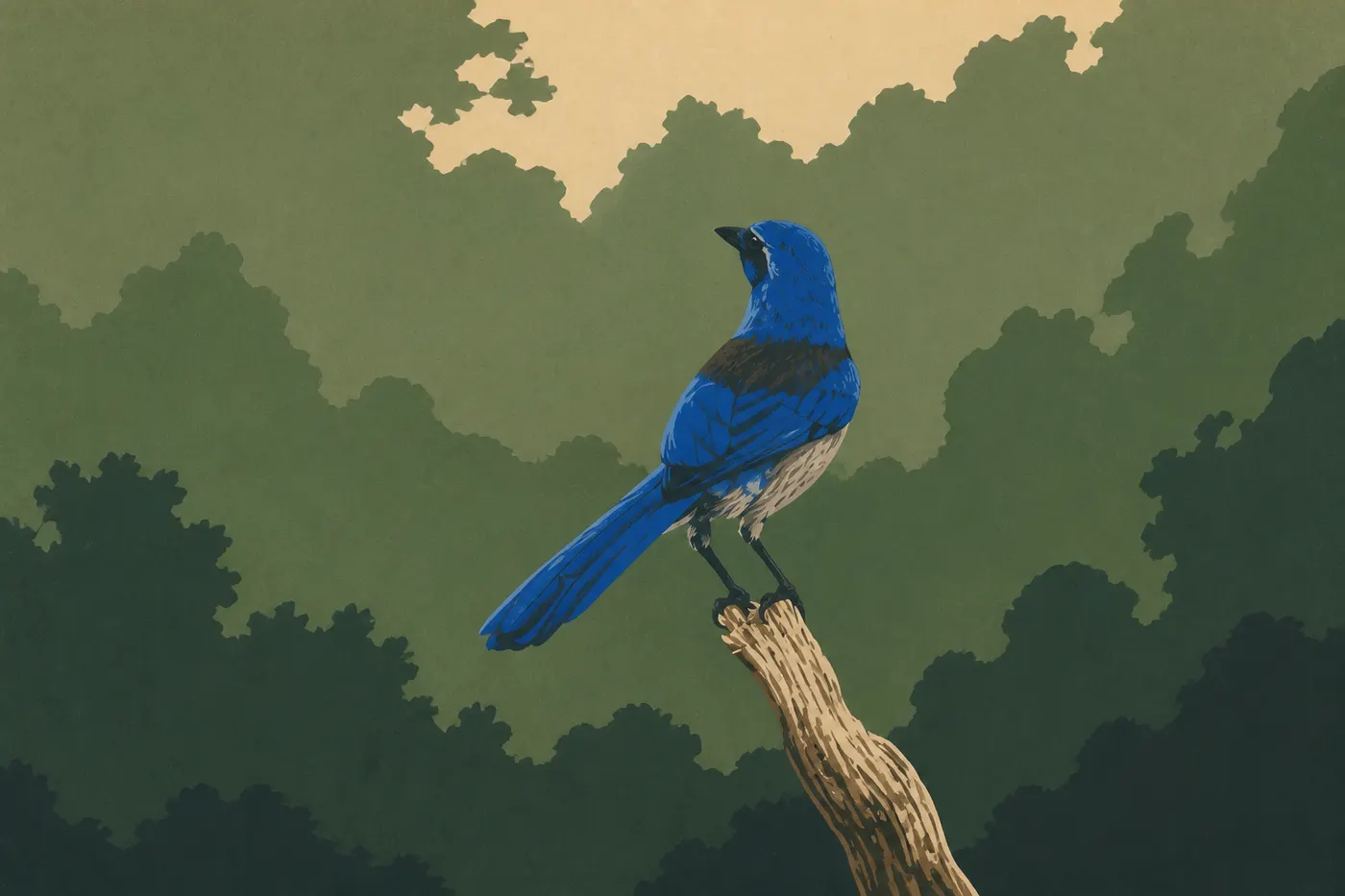
The island scrub-jay (Aphelocoma insularis) is endemic to one place on Earth: Santa Cruz Island. About 20 percent larger than its mainland cousin and a much deeper blue, it is the product of 150,000 years of island isolation. Its curiosity around visitors can be disconcerting, and it sometimes comes looking for crumbs around picnic tables. Don't feed it, though.
Where to see it: Throughout Santa Cruz Island, especially around the Scorpion Ranch campground and along the trails to Potato Harbor Overlook.
The Blue Whale: A Giant in the Santa Barbara Channel
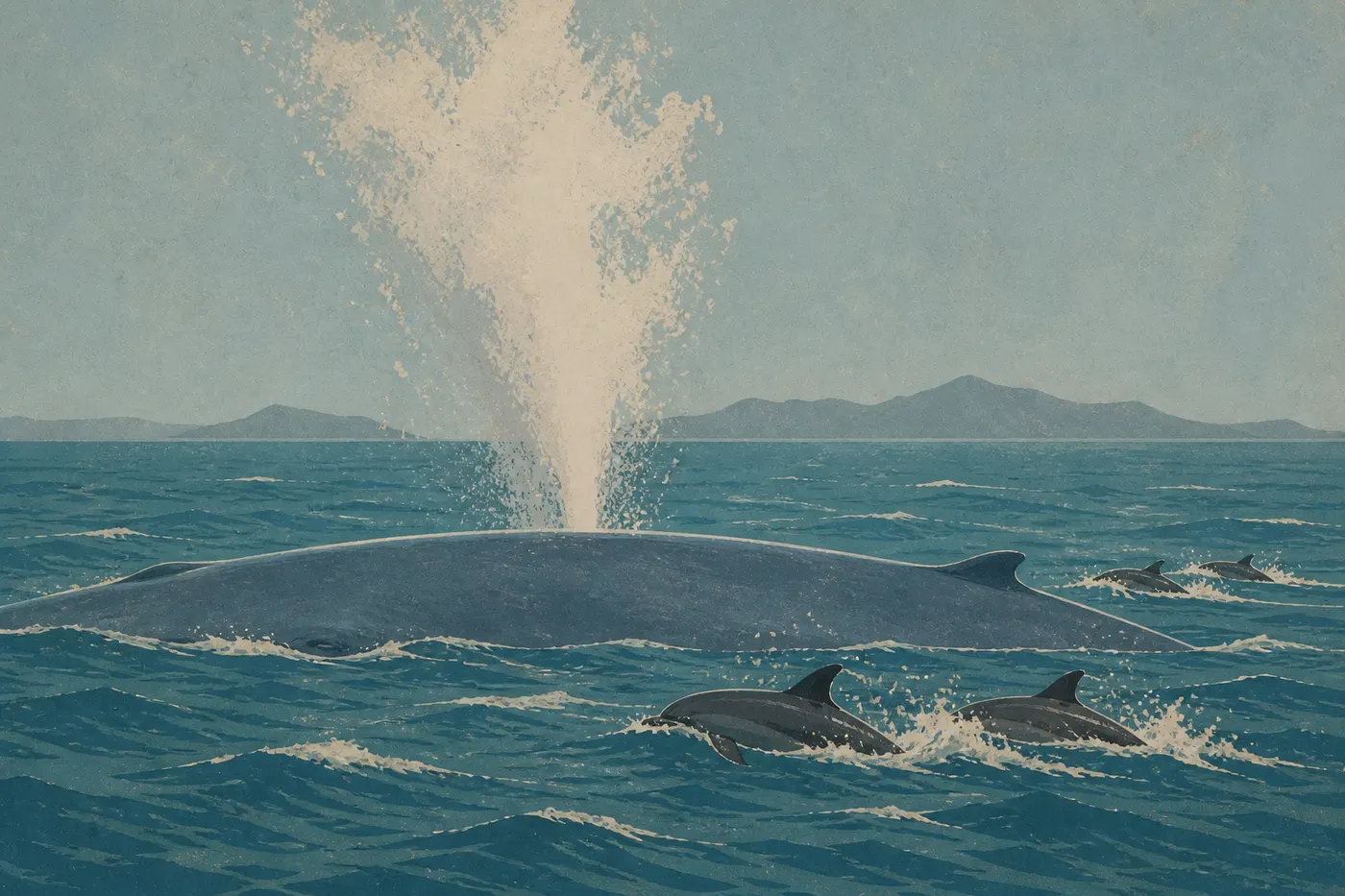
The Santa Barbara Channel is one of the few places in the world where blue whales regularly feed in summer. They come for the immense krill swarms carried by the cold California Current. Seeing one surface a few hundred yards from a boat is an experience few other American parks can offer.
Humpback whales also visit the channel. Gray whales pass the islands during their migration from December through April. Common dolphins (Delphinus delphis) and Pacific white-sided dolphins often join the show during crossings.
Where to see them: Offshore, between Ventura Harbor and the islands, aboard Island Packers boats. You don't need to go ashore for a memorable encounter.
Where to See Wildlife in Channel Islands
Each island has its own character and signature species.
Anacapa Island (the easiest to reach by boat from Ventura) is the stronghold of seabirds. The brown pelican colony (Pelecanus occidentalis) nesting on West Anacapa is one of the largest on the West Coast. Brandt's cormorants, western gulls, and pigeon guillemots occupy the cliffs by the thousands from January through September.
Santa Cruz Island is the island we recommend for a first visit: island foxes, island scrub-jays, kelp forests for snorkeling, and a remarkably diverse bird population. The Channel Islands hiking guide covers the trails that offer the best wildlife-viewing opportunities, including routes to Potato Harbor and Cavern Point.
San Miguel Island is for pinniped enthusiasts. The hike to Point Bennett, about 16 miles round-trip across exposed, windy terrain, rewards you with six species sharing the same beach. The weather is more unpredictable here, so bring an extra layer.
Santa Rosa Island is wilder and less visited. Island foxes, including a subspecies found only on this island, live here, along with beaches where harbor seals and elephant seals rest away from the crowds.
Santa Barbara Island (the smallest and most remote) is popular for its sea lions and seabirds. Its clear water offers exceptional snorkeling in kelp forests, with garibaldi, rays, and giant Pacific octopuses on the roster.
To plan your crossing and choose the right island for you, the boat options from Ventura and the general Channel Islands guide answer all your practical questions.
When to See Wildlife in Channel Islands
Each season puts a different species in the spotlight.
Blue and humpback whales visit the channel from June through September, drawn by the abundance of krill. Elephant seals return to the beaches to breed from December through March, with births concentrated in January and February. Nesting birds take over Anacapa's cliffs from January through September. The island fox is active year-round on Santa Cruz, with a clear preference for outings at dusk and dawn.
For more precise planning based on the seasons and weather conditions, the best times to visit Channel Islands calendar provides the guidance you need.
Predators and Large Animals of Channel Islands
The absence of a natural land predator on the islands largely explains the island fox's lack of fear. Offshore, orcas (Orcinus orca) occasionally patrol the waters around San Miguel and prey on pinnipeds. Great white sharks (Carcharodon carcharias) live in the channel, especially between Santa Rosa and San Miguel, where seal colonies provide their natural prey.
Shark attacks on people remain extremely rare in these waters, but the presence of pinnipeds calls for some caution when snorkeling or diving offshore.
How to Watch Wildlife Safely
The park's rules are clear and legally binding.
Minimum distances: 100 feet from seals and sea lions on land, and 330 feet from elephant seals during breeding season. At sea, the federal Marine Mammal Protection Act requires vessels to stay 300 feet from cetaceans. Never position yourself between a dominant male and the water. Even lying down, it can charge with surprising speed.
Never feed wildlife. Island foxes that approach campsites are acting out of natural curiosity, not hunger. Feeding them habituates them to humans, permanently alters their behavior, and can create dangerous situations for other visitors. Rangers issue fines for this practice.
Seals on the beach. A young seal lying on the sand hasn't been abandoned. Its mother is probably in the water a few dozen yards away. Approaching or touching it can cause the mother to reject it permanently. Keep your distance and move along without stopping.
Snorkeling and diving. Kelp forests shelter giant Pacific octopuses, bat rays, garibaldi (the bright orange fish protected by the State of California), and sometimes impressively large groupers. Look without touching, take nothing, and don't feed any species.
For broader safety rules covering marine conditions, hiking in remote terrain, and emergency procedures, the park's general guide brings together the key practical information.
In Brief: Must-See Species and Where to Find Them
| Species | Best site | Best time |
|---|---|---|
| Island fox | Santa Cruz (Scorpion Ranch) | Year-round, dusk |
| California sea lion | Point Bennett, San Miguel | Year-round |
| Northern elephant seal | Point Bennett, San Miguel | December through March |
| Island scrub-jay | Santa Cruz Island | Year-round |
| Blue whale | Channel (by boat) | June through September |
| Gray whale | Channel (by boat) | December through April |
| Brown pelican | Anacapa Island | January through September |
Frequently Asked Questions
What animals typically live on the Channel Islands?
The Channel Islands are home to 145 endemic species. The most visible include the island fox, the island scrub-jay (found only on Santa Cruz), the California sea lion, and the northern elephant seal. Offshore, whales, dolphins, and sharks regularly visit the Santa Barbara Channel.
What is the most common animal in the park?
In the water, the California sea lion is the most widespread species, found on every island in the park. On land, the island fox is the terrestrial animal visitors see most often, especially on Santa Cruz Island.
What is the largest animal in Channel Islands?
The blue whale, which feeds in the channel from June through September, is the largest animal that visits the park. Among the semiaquatic species, adult male northern elephant seals can weigh more than 4,400 pounds and unquestionably take the title on the beaches.
What are the predators in Channel Islands?
At sea, orcas and great white sharks mainly prey on pinnipeds. On land, the island fox has had no natural predator on the islands since golden eagles were controlled as part of the recovery program.
What animals are out at night in Channel Islands?
The island fox is especially active at dusk and dawn. Several bat species hunt insects after dark. Pinnipeds, meanwhile, rest on the beaches at any hour of the day or night.
Are there animals on Santa Rosa Island?
Yes. Santa Rosa Island is home to island foxes, including a subspecies found only on the island, as well as harbor seals and elephant seals on its beaches and a wide variety of birds. The island sees fewer visitors than Anacapa or Santa Cruz, making it a quiet place to watch wildlife without the crowds.