
When to Visit Channel Islands: Best Times, Weather, and Seasons
The best time to visit Channel Islands is September and October, when skies are clearest, the ocean is still warm enough for snorkeling, and crowds thin out after summer.
Our straightforward recommendation: September and October are the best months for Channel Islands National Park in California. Crossings from Ventura are usually calm, the water stays warm enough for snorkeling, blue whales are still around in early September, and visitor numbers drop sharply after summer. Our second choice is May, when coreopsis blooms across Anacapa and skies are often perfect before June’s marine layer arrives.
Channel Islands isn’t a park you reach by car. Every visit starts with a boat crossing from Ventura, and marine conditions matter just as much as the weather. Our complete Channel Islands guide covers everything you need to plan the trip.
Channel Islands Climate Month by Month
Channel Islands has a stable coastal Mediterranean climate year-round. Highs range from 59°F in winter to 73°F in midsummer, while lows rarely fall below 48°F. The big variable is swell and marine cloud cover, not the thermometer. For 14-day forecasts and detailed monthly data, check the Channel Islands weather forecast.
| Month | High | Low | Rainfall | Water | Good to know |
|---|---|---|---|---|---|
| January | 59°F | 48°F | ●●● | 57°F | Gray whales, rough seas |
| February | 61°F | 50°F | ●●● | 57°F | Northern elephant seals (San Miguel) |
| March | 63°F | 52°F | ●● | 57°F | Wildflowers, seabirds |
| April | 66°F | 54°F | ● | 59°F | Coreopsis on Anacapa |
| May | 68°F | 55°F | ○ | 59°F | Ideal before “June Gloom” |
| June | 70°F | 57°F | ○ | 63°F | Frequent morning fog |
| July | 72°F | 59°F | ○ | 64°F | Peak season, blue whales |
| August | 73°F | 61°F | ○ | 64°F | Warmest month, ideal snorkeling |
| September | 73°F | 61°F | ○ | 64°F | Our favorite |
| October | 70°F | 57°F | ● | 63°F | Fall light, humpback whales |
| November | 64°F | 52°F | ●● | 61°F | Gray whales begin arriving |
| December | 59°F | 48°F | ●●● | 59°F | Winter wildlife, very few visitors |
○ = trace · ● = moderate · ●●● = significant. Approximate values based on the coastal Mediterranean climate.
Channel Islands in January
January is the wettest month and the one with the least reliable crossings. Seas can stay rough for several days in a row, and departures from Ventura are frequently canceled. On the upside, Northern elephant seals begin gathering on San Miguel, while gray whales pass the islands southbound toward Mexico. Visitor numbers are close to zero. If you get a boat out, you’ll have the islands almost to yourself.
Channel Islands in February
February brings peak Northern elephant seal activity on San Miguel, including births, male battles, and gatherings of several thousand animals. Seas remain rough, and weather cancellations are common. This is a niche month for wildlife watchers who can accept uncertain marine conditions and build several extra days into their itinerary. Gray whales are finishing their southbound migration or beginning the trip north.
Channel Islands in March
Rain becomes less frequent in mid-March, and the skies open up more often. The first wildflowers appear on Santa Cruz, and seabirds begin filling Anacapa’s cliffs. The ocean gradually settles down. Crossings can still be canceled early in the month, but reliability improves week by week. It’s a good time to discover the park without crowds, with birdlife already in full swing.
Channel Islands in April
April is giant coreopsis season. These endemic flowers cover Anacapa in a vivid yellow carpet visible from the boat. Gray whales are still heading north. Crossings are much more reliable than in winter, and crowds remain manageable except on weekends in mid-April. It’s one of the best months for photography, with flowers, spring light, and active marine life.
Channel Islands in May
May combines often-perfect skies, manageable seas, and moderate crowds before peak season. It’s the last good window before June’s marine fog. Seabirds nest in large numbers on Anacapa and Santa Cruz, and Santa Cruz trails are pleasant before summer heat sets in. Book your crossing two to three weeks ahead for weekdays, and a little earlier for weekends.
Channel Islands in June
“June Gloom” brings a marine layer that can cover the islands until midmorning, sometimes until noon. It’s not rain, but morning light is flat and the islands can look gray from the moment the ferry leaves. Crossings are reliable, and the water starts warming up to around 63°F. Plan your best activities after 10:30 a.m., once the fog lifts.
Channel Islands in July
July marks the start of major blue whale sightings in the park’s productive waters. Seas are calm and crossings are highly reliable. Morning fog is still possible, but it clears earlier than in June. Crowds are heavy: weekend ferries and Scorpion Ranch campgrounds on Santa Cruz fill up weeks in advance. Choose a weekday if your schedule allows.
Channel Islands in August
August brings the warmest water of the year, around 64-66°F depending on marine conditions, and the best snorkeling in the kelp forests. Blue whales are still common. This is the absolute peak for visitors, and weekend campgrounds and ferries are often booked months ahead as soon as Recreation.gov reservation windows open. Choose a weekday if you have flexibility.
Channel Islands in September
September is our favorite month. Statistically, skies are clearest, the water remains warm enough for snorkeling, and crowds drop sharply after summer. Blue whales are still visible in early September, while humpbacks begin appearing toward the end of the month. Light is excellent for photography. Weekends still require three to four weeks of advance planning, but weekday trips can often be booked on shorter notice.
Channel Islands in October
October brings dry, low-angled fall light that makes Santa Cruz’s cliffs especially photogenic. Humpback whales are active in the park. Santa Ana winds can blow in from the mainland and create exceptionally clear visibility. With light crowds, easy reservations, and pleasant temperatures, this is the ideal month for anyone looking for the best balance of weather, wildlife, and quiet.
Channel Islands in November
November brings the first winter storms and the start of gray whale migration south. Crossings are often still possible early in the month, but the sea gradually gets rougher from mid-November on. Crowds are very light, and mainland lodging is much cheaper than in summer. It’s a good month for travelers seeking solitude and active winter wildlife who can accept some uncertainty at sea.
Channel Islands in December
December is the wettest month, with the most unpredictable crossings of the year. Gray whales begin migrating toward Mexico, and pinnipeds start gathering on San Miguel. If you’re prepared for winter conditions and leave a spare day in case of cancellation, you’ll find the islands nearly empty. Mainland lodging is at its cheapest, and pressure on the ferries almost disappears.
Channel Islands Season by Season
Winter (December to February)
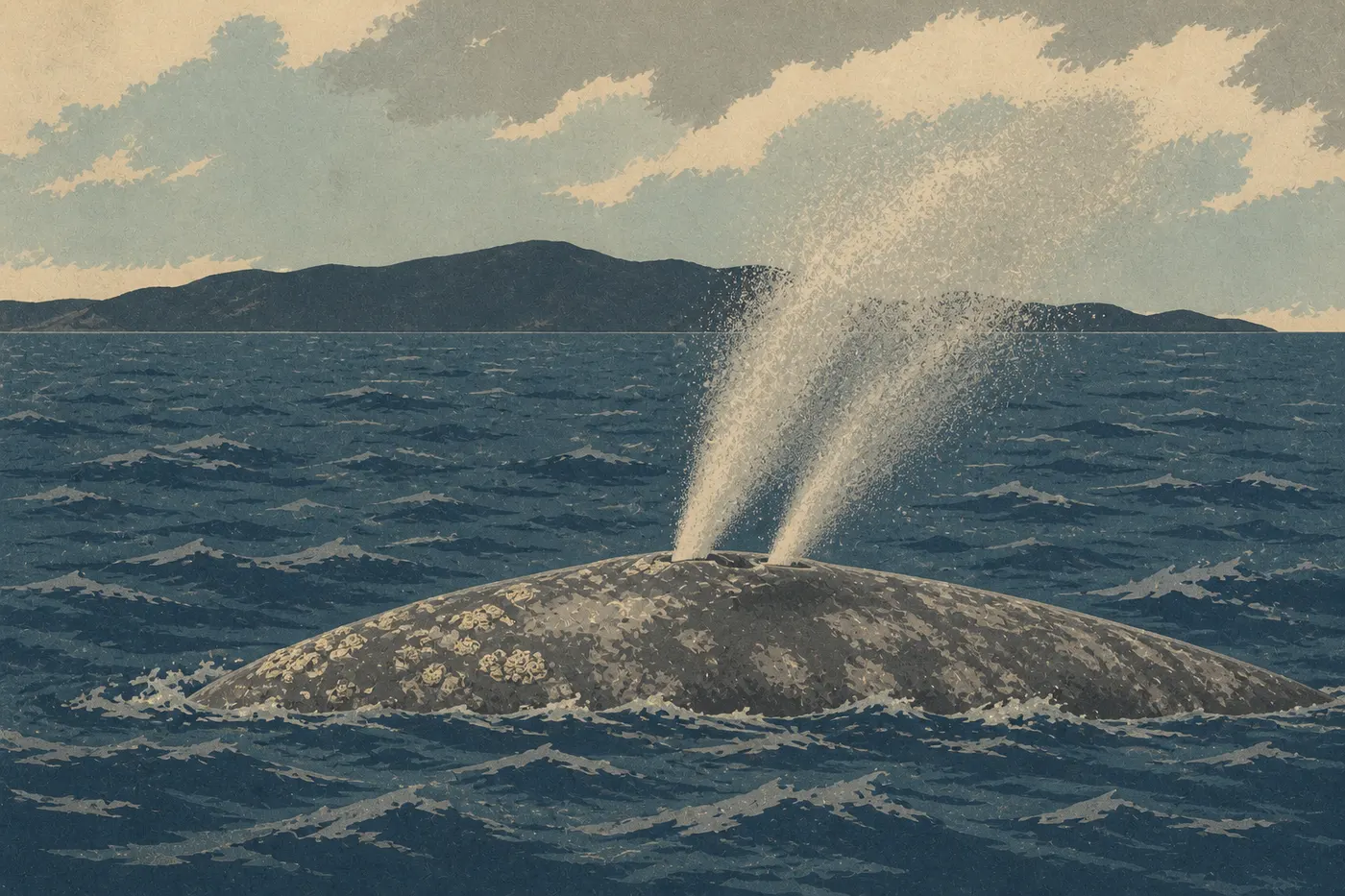
Winter is the season for spectacular wildlife and rougher crossings. On San Miguel, the westernmost island, several pinniped species gather in remarkable numbers. Northern elephant seals, California sea lions, and California fur seals share the same beaches. It’s one of the densest pinniped gatherings in North America.
Gray whales travel along the coast beginning in December, heading south toward Mexico, then return north from February through April. Island Packers ferry trips often include sightings along the way.
The tradeoff is rough seas. Swell can top 6.5 feet in the Channel, and departures are canceled several times a month. If you’re traveling in winter, always build a spare day into your itinerary.
Spring (March to May)
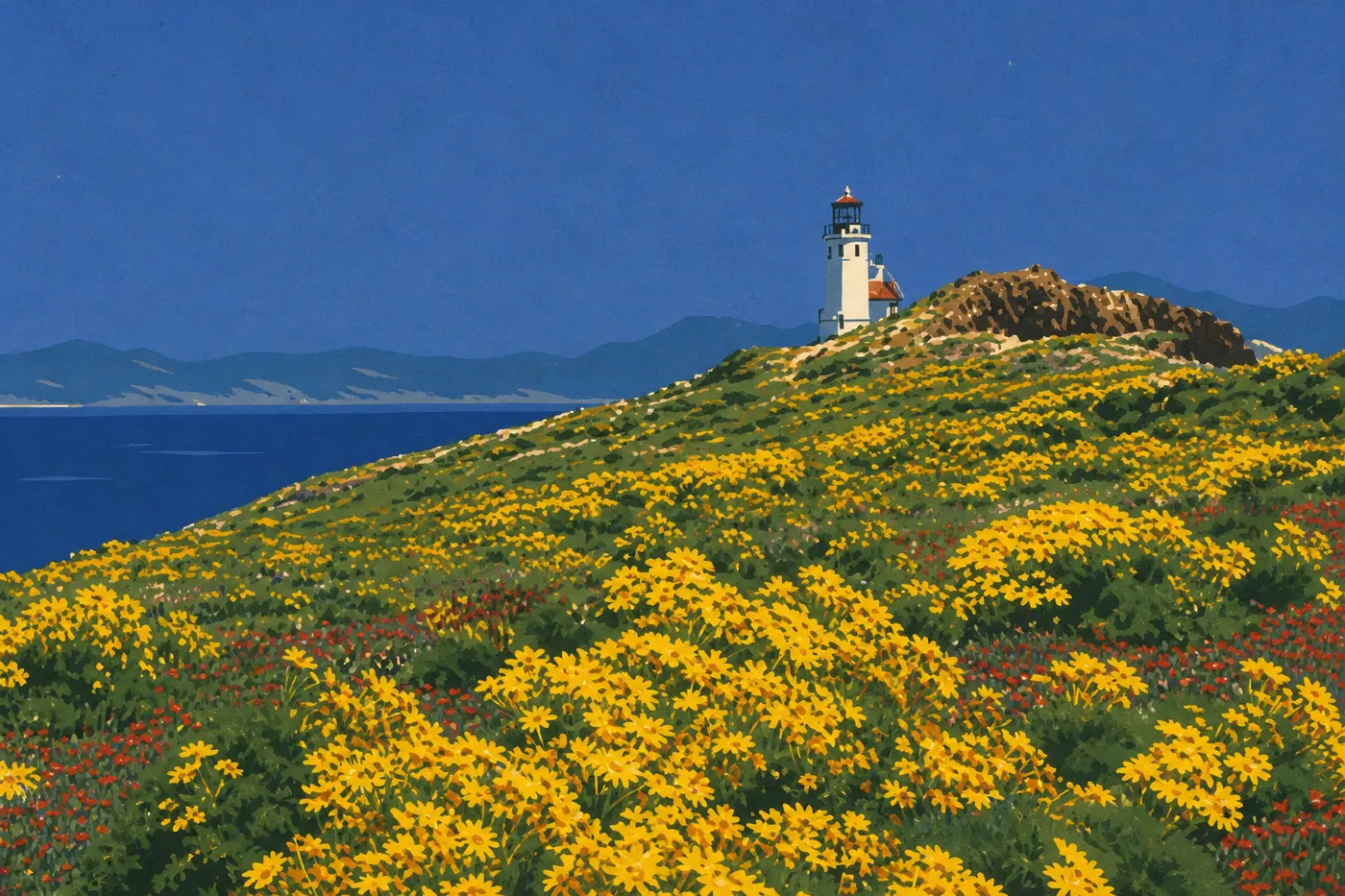
Spring is the calendar’s surprise. Rain becomes less frequent starting in March, and Anacapa turns bright yellow with giant coreopsis. These flowers are endemic to the California islands and form a carpet visible from the boat. Seabirds begin nesting: Anacapa is home to one of the largest colonies of Western Gulls on the Pacific coast, while gulls and cormorants fill every cliff ledge.
The sea gradually settles. Crossings are much more reliable than in winter, and crowds remain very manageable through mid-May.
When we visited in late May, the Potato Harbor Trail on Santa Cruz offered views all the way to the mainland, with no one else on the horizon. That’s the kind of morning that makes the trip worthwhile.
Summer (June to August)
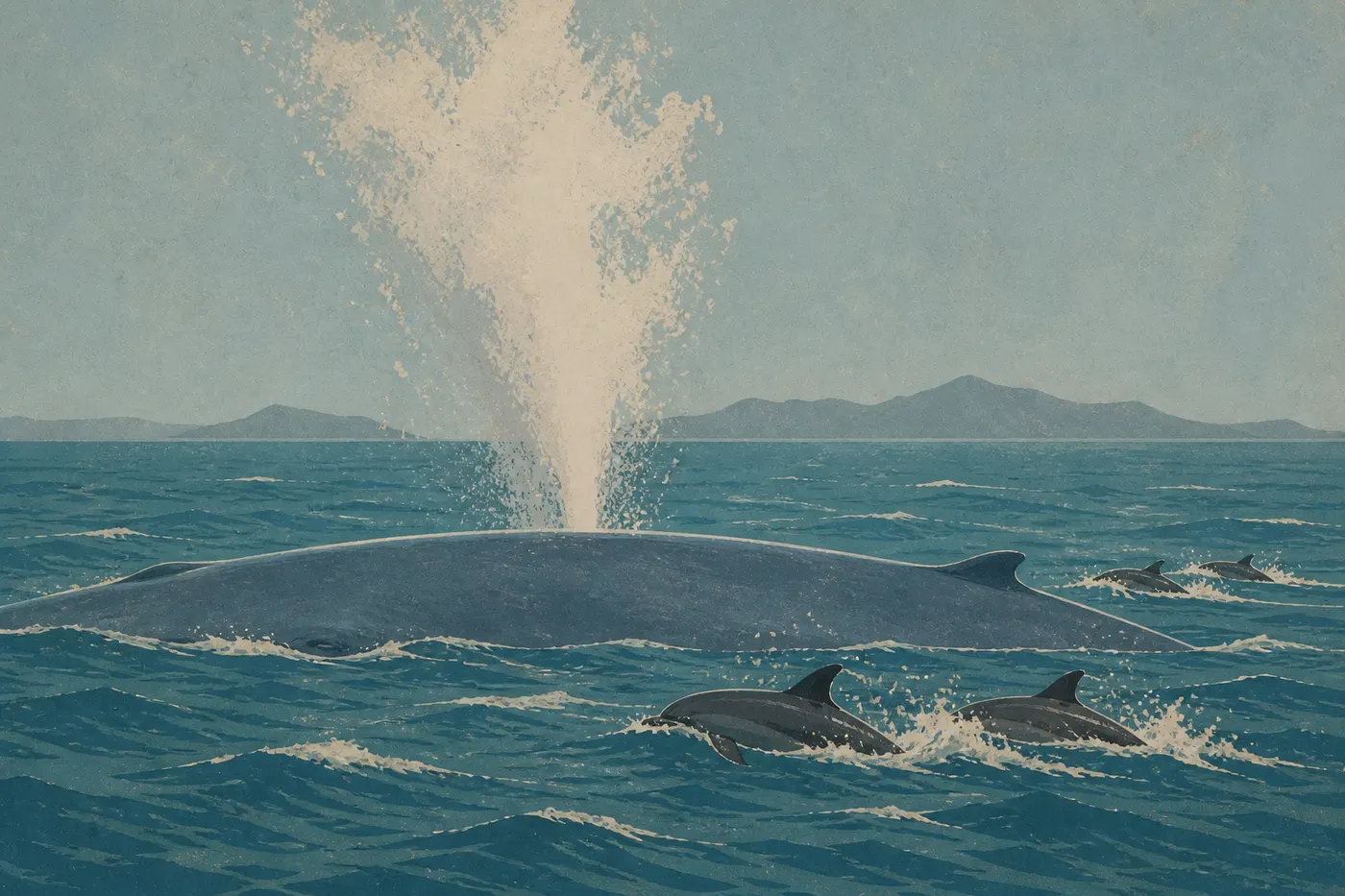
Peak season draws the most visitors, and for good reason: crossings are safest, water reaches 64-66°F for snorkeling in the kelp forests, and blue whales feed on krill in the park’s productive waters from mid-July through late August.
There’s one thing to know before you go: “June Gloom.” This marine layer frequently covers the islands until midmorning in June and sometimes into early July. It isn’t technically rain, but it can ruin morning photos. Plan your best viewpoints for after 10:30 a.m.
Crowds are heavy. Scorpion Ranch campgrounds on Santa Cruz book up months ahead as soon as Recreation.gov reservation windows open.
Fall (September to November)
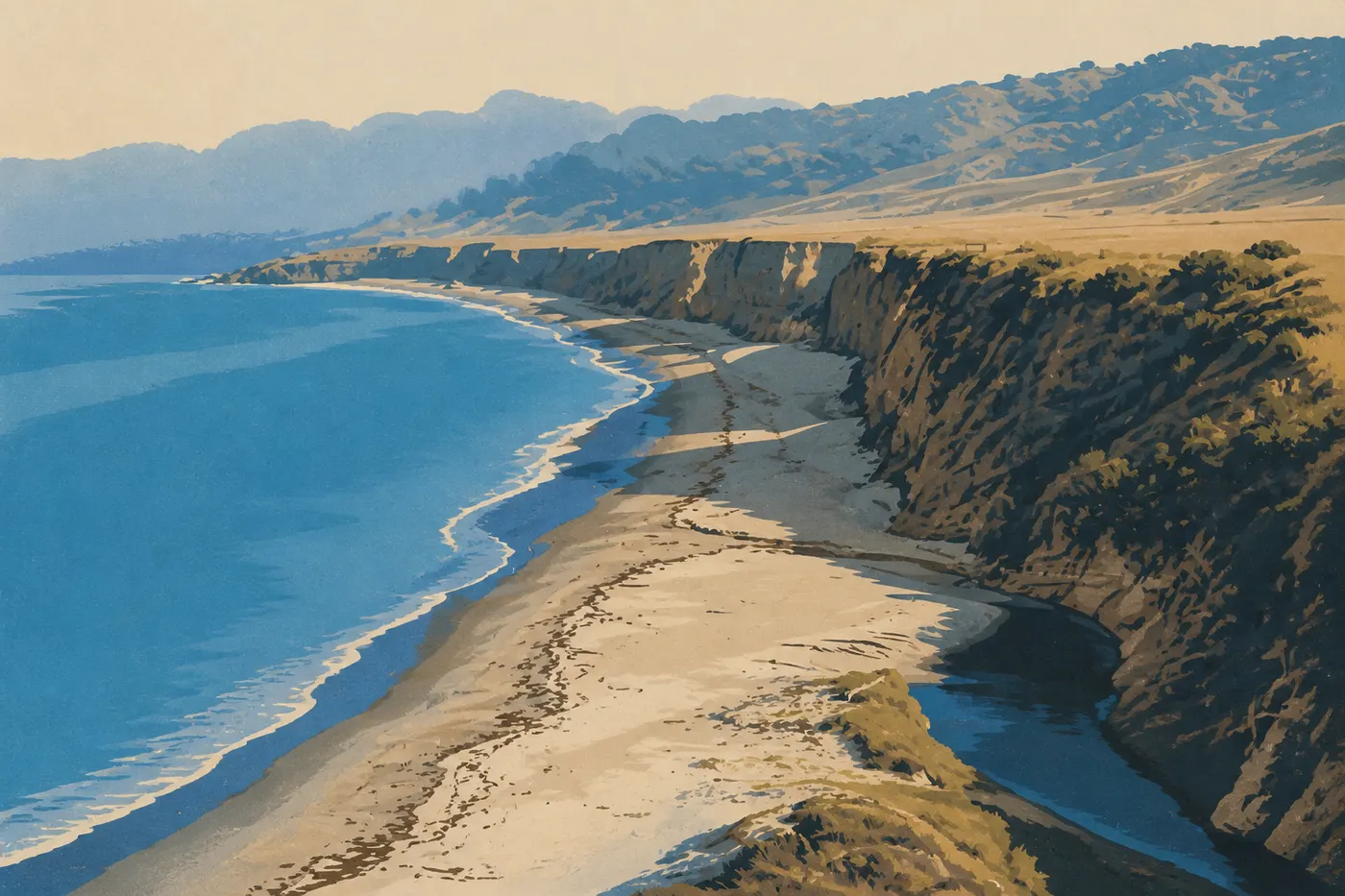
Fall offers the best overall balance of conditions and experience. September and October have everything most visitors want: warm water, calm crossings, excellent photographic light, and sharply lower crowds after summer. Blue whales remain visible in early September, while humpbacks begin appearing in October.
October’s light at Channel Islands is genuinely distinctive. Dry, low-angled clarity makes Santa Cruz’s cliffs especially photogenic.
November marks the start of gray whale season. The sea gradually gets rougher, campgrounds empty out, and the park regains its wild character.
Crowds: When to Avoid Them
Channel Islands remains one of the least visited national parks in the United States, but ferry capacity is physically limited. In peak season, the challenge isn’t crowds on the island. It’s finding a seat on the boat.
| Period | Crowds | Ferry availability |
|---|---|---|
| July-August | High | Sold out several weeks ahead on weekends |
| June, September | Moderate | Available three to four weeks ahead |
| April-May | Moderate | Flexible except on weekends |
| October-November | Low | Easy to book |
| December-March | Very low | Plenty of availability, weather cancellations possible |
Avoid the Labor Day weekend, the first weekend in September and the last major crowd spike before summer ends. Ferries sell out weeks ahead.
Seasonal Reservations and Access
Channel Islands doesn’t use a timed entry reservation system like Arches or Zion, but the logistics of getting across the water demand a similar level of planning. The only way to reach the islands is by boat, either Island Packers from Ventura or an option from Santa Barbara. Crossings have fixed capacity.
In summer: book your crossing six to eight weeks ahead for weekends. Santa Cruz campgrounds through Recreation.gov also go as quickly as ferry tickets.
In spring and fall: two to three weeks is enough for weekdays; allow four weeks for weekends.
In winter: spots are available, but Island Packers may cancel up to 48 hours before departure depending on marine conditions. Always keep one flexible day in your itinerary.
For complete practical details, including shuttles, parking in Ventura, and the Santa Barbara option, the Channel Islands access guide covers options from Los Angeles and San Diego.
The Best Time for Your Budget
Park entry is free. The main expense is the ferry crossing, about $50 per person round-trip to Anacapa and more to Santa Rosa or San Miguel. Ferry fares stay relatively steady year-round, but mainland lodging prices vary considerably by season.
Least expensive: October through November and March through April. Coastal hotels in Ventura and Oxnard are much cheaper than in summer.
Most expensive: July through early September, plus Memorial Day and Labor Day weekends.
Budget option: A weekday day trip to Anacapa in November costs very little, and you’ll practically have the island to yourself. Our Where to Stay page lists mainland lodging with seasonal price ranges.
The Best Time for Your Interests
Marine wildlife (whales, dolphins, sea lions): Year-round, with clear seasonal specialties. Gray whales: November through April. Blue and humpback whales: July through October. Common dolphins: nearly constant during the crossing. The Channel Islands wildlife guide details the species you may see month by month.
Snorkeling and kayaking: July through October for the warmest water, 63-66°F, and the best visibility in the kelp forests. Santa Cruz, the largest and best-equipped island, is the ideal base.
Hiking: April and May for wildflowers on Anacapa and Santa Cruz; September and October for light and cooler temperatures. The Channel Islands hiking guide lists routes along with difficulty ratings and seasonal conditions.
Photography: October for clear fall light without fog, and January and February for elephant seals on San Miguel. Allow a full day on the island.
Families: May, weekdays in June, or September. Crossings are calm, a day on Anacapa works well for kids, and ranger activities such as tide-pool exploration and learning about kelp keep the day busy. Our Family Guide covers the logistics of planning a trip with kids.
Budget travelers: October or March, on a weekday, with camping at Scorpion Ranch.
In Summary: The Best Time for Your Priorities
| Your priority | Best time |
|---|---|
| Best overall weather | September-October |
| Elephant seals | January-February (San Miguel) |
| Blue whales | Mid-July through late August |
| Gray whales | November through April |
| Snorkeling and kayaking | July through October |
| Hiking and wildflowers | April-May (Anacapa) |
| Photography | October |
| Families, first visit | May or September |
| Budget | October-November or March on weekdays |
| Avoiding crowds and cancellations | September or May on weekdays |
Channel Islands rewards careful planning. Ferry capacity is limited, marine conditions change quickly, and the park’s most memorable experiences, from elephant seal colonies and surfacing blue whales to empty kelp forests in fall, don’t happen by accident.
The Worst Time to Visit Channel Islands
The least reliable period for crossings runs from December through February. Swell can top 6.5 feet in the Channel, and Island Packers cancels several times a month. If your schedule can’t absorb a flexible day, approach these three months cautiously. Always leave a spare day or choose a changeable ticket. The islands remain open, but access is never guaranteed.
June is the least rewarding month for photography and views. “June Gloom” creates a cloud ceiling that can last until midmorning or sometimes longer. It isn’t a dealbreaker for an afternoon hike or snorkeling, but morning scenery, especially from the ferry, rarely lives up to expectations. July and August weekends also deserve a warning: ferry capacity is physically limited, and anyone who shows up without a reservation may not get on board.
Frequently Asked Questions
What is the best time to visit Channel Islands National Park?
The best time to visit Channel Islands is September and October, with calm crossings, warm water, visible humpback whales, and sharply lower crowds after summer. As an alternative, May brings blooming coreopsis on Anacapa and often perfectly clear skies before June fog.
Is Channel Islands worth visiting?
Channel Islands is worth the trip if you’re looking for a wild U.S. national park with no roads and a true off-the-beaten-path feel. Giant kelp forests, pinniped colonies, and blue whale sightings make it radically different from the land-based parks of the West. The logistics, including a required ferry and marine weather to monitor, are real but manageable with some advance planning.
What is the climate like at Channel Islands?
Channel Islands has a coastal Mediterranean climate, with stable temperatures year-round. Highs range from about 59°F to 73°F by season, and lows rarely fall below 48°F. Summers are dry, with frequent morning marine cloud cover in June known as “June Gloom.” Winters are wetter, and crossings are less predictable. Our Weather page has complete month-by-month data.
Can you visit Channel Islands in winter?
Yes. The park is open year-round, and Island Packers runs winter crossings. The islands are nearly empty, and wildlife is outstanding, including elephant seals on San Miguel and migrating gray whales. The main challenge is crossing reliability. Seas can stay rough for several days, and departures are canceled more often than at any other time of year. Plan at least one spare day and check marine weather alerts the day before departure.
How much time do you need to visit Channel Islands?
How much time do you need to visit Channel Islands? One day on nearby Anacapa is enough for a first look. To explore several islands and camp, plan on three to five days. Our Itinerary and Duration page offers plans based on the time you have.
How much does a trip to Channel Islands cost?
Park entry is free. The main expense is the ferry, about $50 round-trip per person to Anacapa and more to the farther islands. Add lodging in Ventura and other logistics, and a weekend at Channel Islands typically runs about $200 to $400 per person, depending on the season. Our Where to Stay page lists mainland lodging.
What is the best season to visit the American West?
Spring, from April through May, and fall, from September through October, are the most versatile windows for a road trip through the American West. Temperatures are pleasant, crowds are lighter, and rates are more accessible. The Regions section can help you combine Channel Islands with other parks in Southern California.
What is the best time to visit California?
California is pleasant year-round, but spring and fall offer the best balance of weather, crowds, and prices. For Channel Islands specifically, September and October are our top recommendation, with favorable marine conditions, active wildlife, and nearly empty coastlines on weekdays.