
Biscayne Wildlife: What Animals to See and Where to Find Them
Biscayne is 95% water. Most of its wildlife lives below the surface or just above it: manatees drifting through seagrass beds, American crocodiles lurking in the mangroves, and sea turtles coming ashore to nest on the cays. The park's five signature animals are the Florida manatee, American crocodile, loggerhead sea turtle, Atlantic bottlenose dolphin, and nurse shark. Few parks pack so many protected species into such a small land area.
Biscayne's Iconic Animals
Florida Manatee
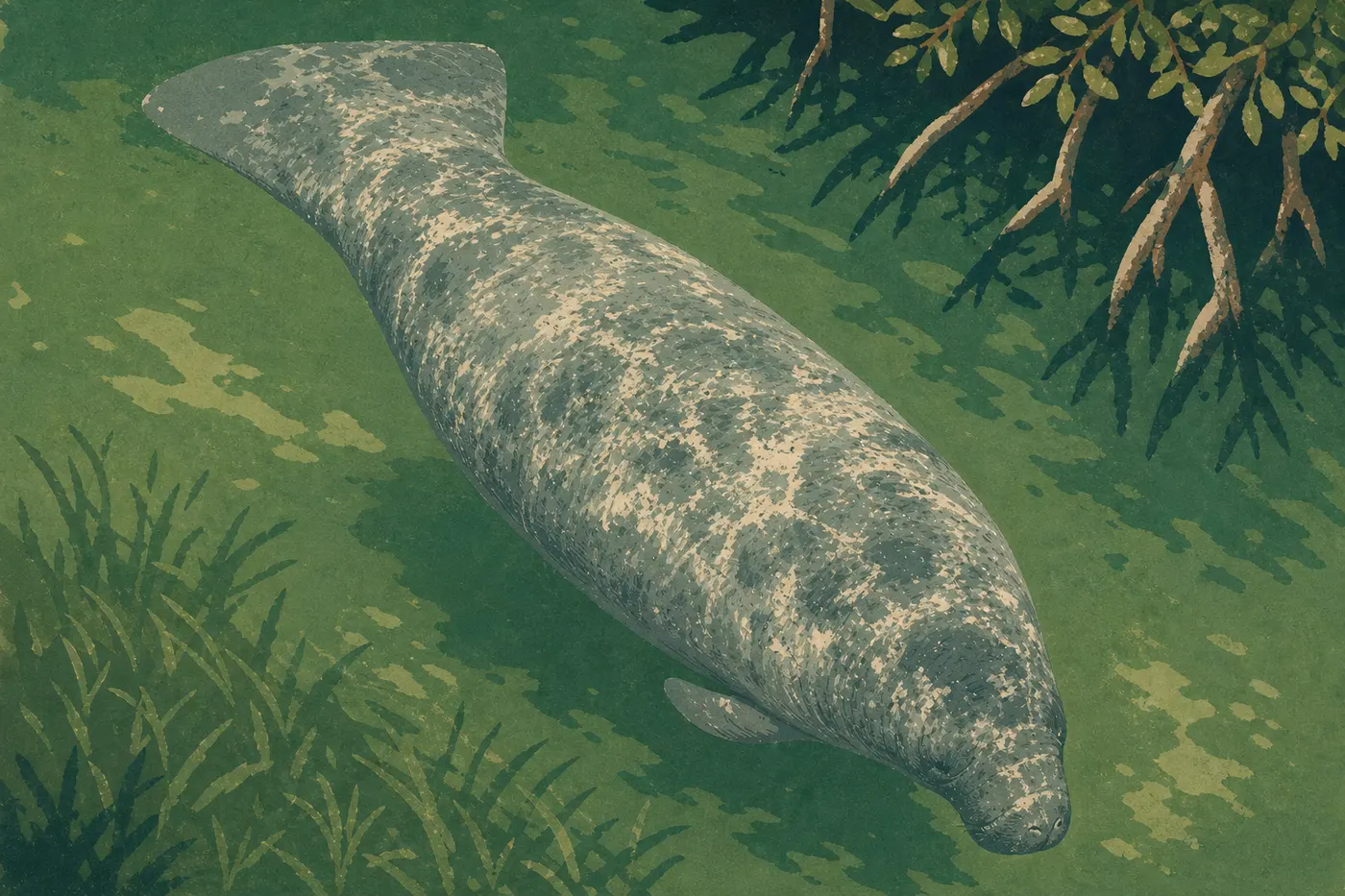
The Florida manatee (Trichechus manatus latirostris) is probably the animal you'll come looking for first. This marine mammal can grow longer than 10 feet and weigh more than 1,100 pounds. It feeds exclusively on aquatic plants, including seagrass and algae, and slowly grazes along the bay's shallow bottom.
In winter, manatees gather near warm-water sources. Natural springs and power plant outfalls attract them as soon as temperatures drop below 68°F. When we visited in January, we spotted about a dozen from the Convoy Point pier without even getting on a boat. Boat strikes remain the leading cause of death. Propeller scars on their backs help researchers identify individual animals.
American Crocodile
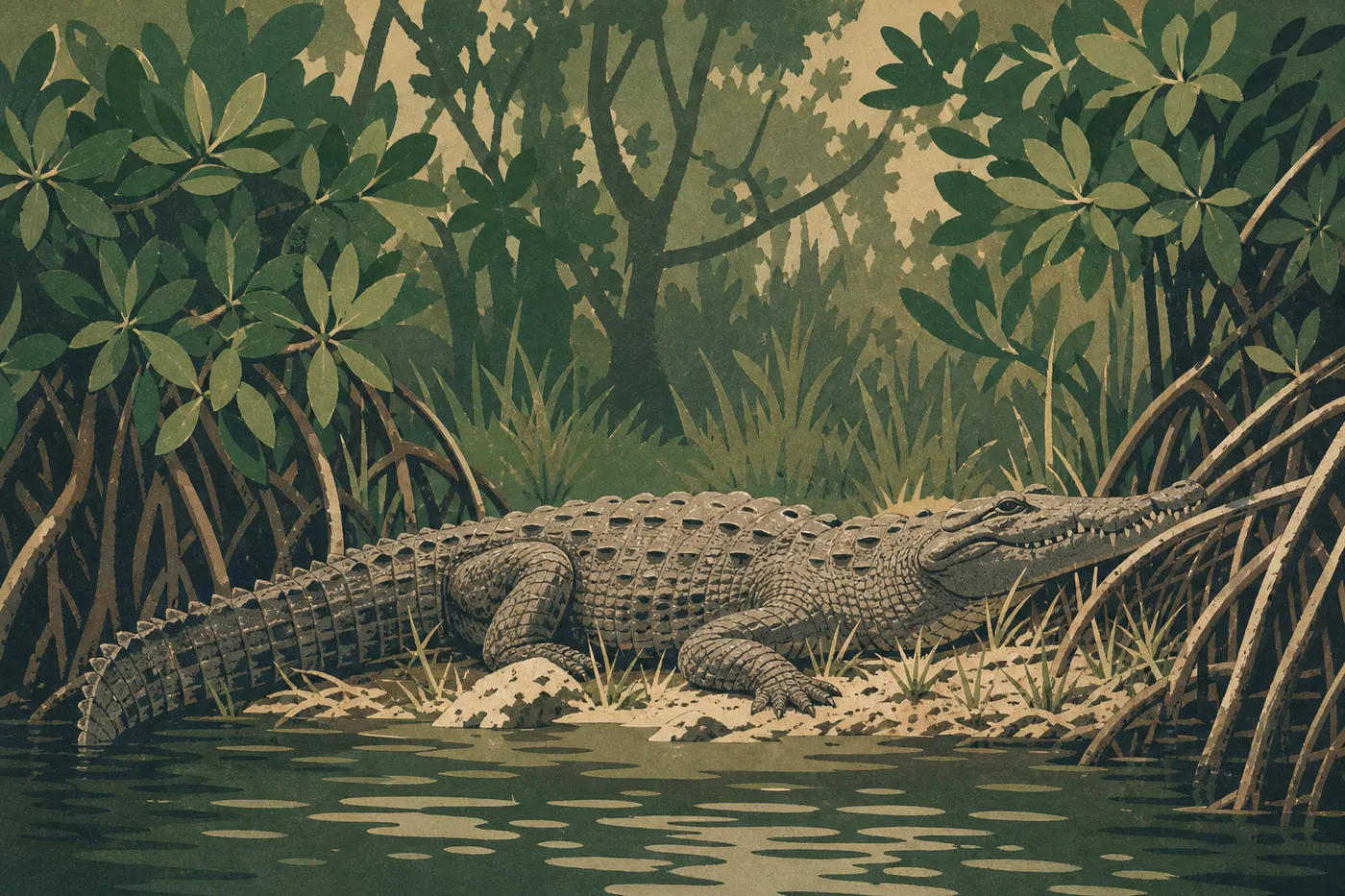
Biscayne is home to one of the few American crocodile (Crocodylus acutus) populations in the United States. Protected since 1975, the species was once on the brink of extinction in this country. You can recognize it by its long, pointed snout and gray-green color, which is lighter than an alligator's. Unlike its cousin in Everglades National Park, the American crocodile tolerates salt water and lives in coastal mangroves, shallow creeks, and lagoons.
Alligator or crocodile at Biscayne? Both species share this park, a rare situation anywhere in the world. Here's the field rule: a broad, rounded snout means an American alligator (Alligator mississippiensis); a long, tapered snout with the fourth lower tooth visible when the mouth is closed means an American crocodile. Alligators prefer fresh and brackish water along the shore. Crocodiles spend more time along marine shorelines.
Loggerhead Sea Turtles and Their Relatives
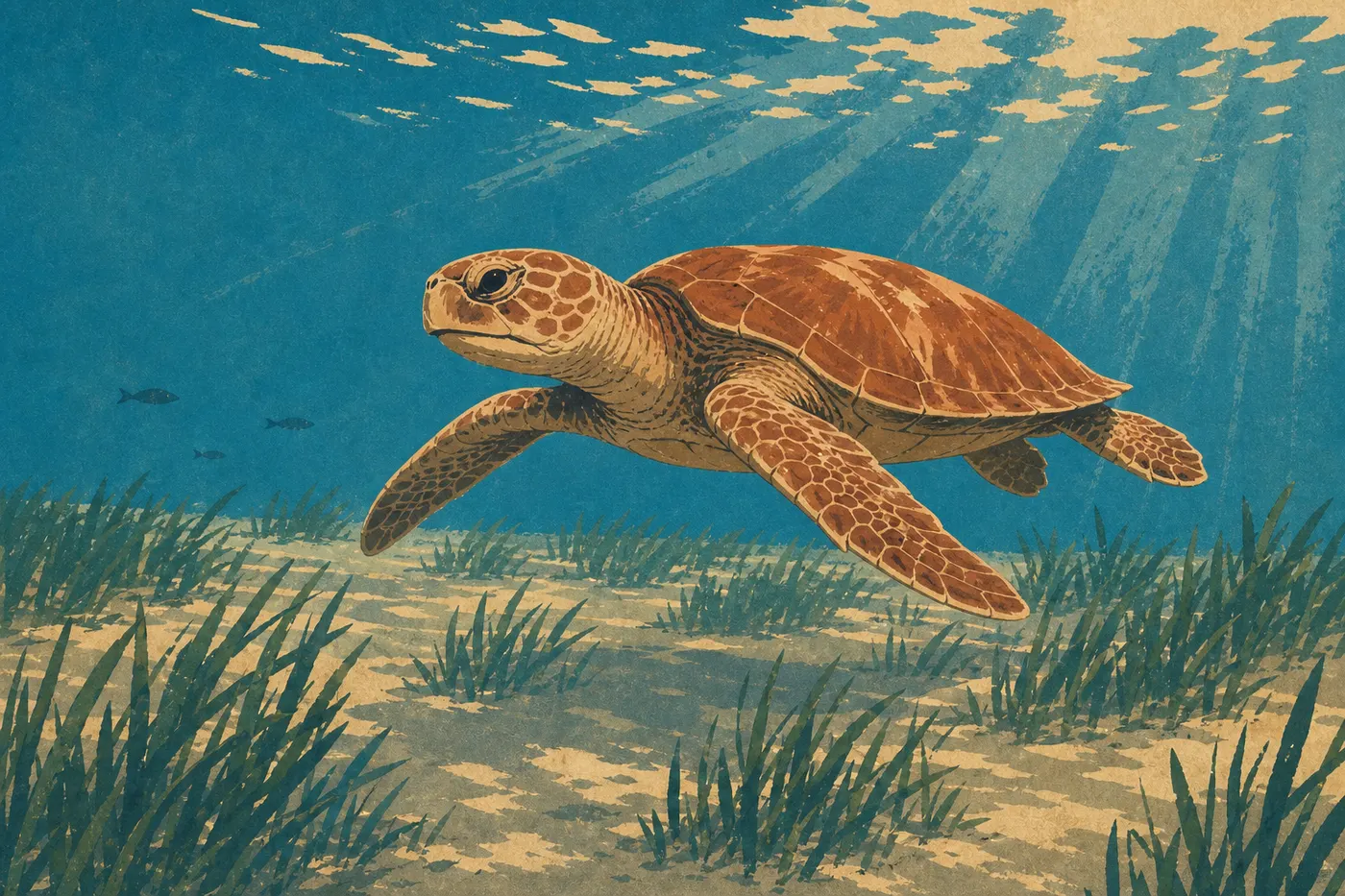
Three species of sea turtles visit the park's waters: the loggerhead (Caretta caretta), the most common, which feeds on crabs and jellyfish; the green sea turtle (Chelonia mydas), which grazes in the bay's seagrass beds; and the hawksbill (Eretmochelys imbricata), recognizable by its hooked beak, which targets reef sponges.
From May through October, females come ashore at night to nest on the park's beaches and cays. Rangers monitor and mark the nests. Outside nesting season, you can regularly see turtles at the surface or while snorkeling on the reef.
Atlantic Bottlenose Dolphin
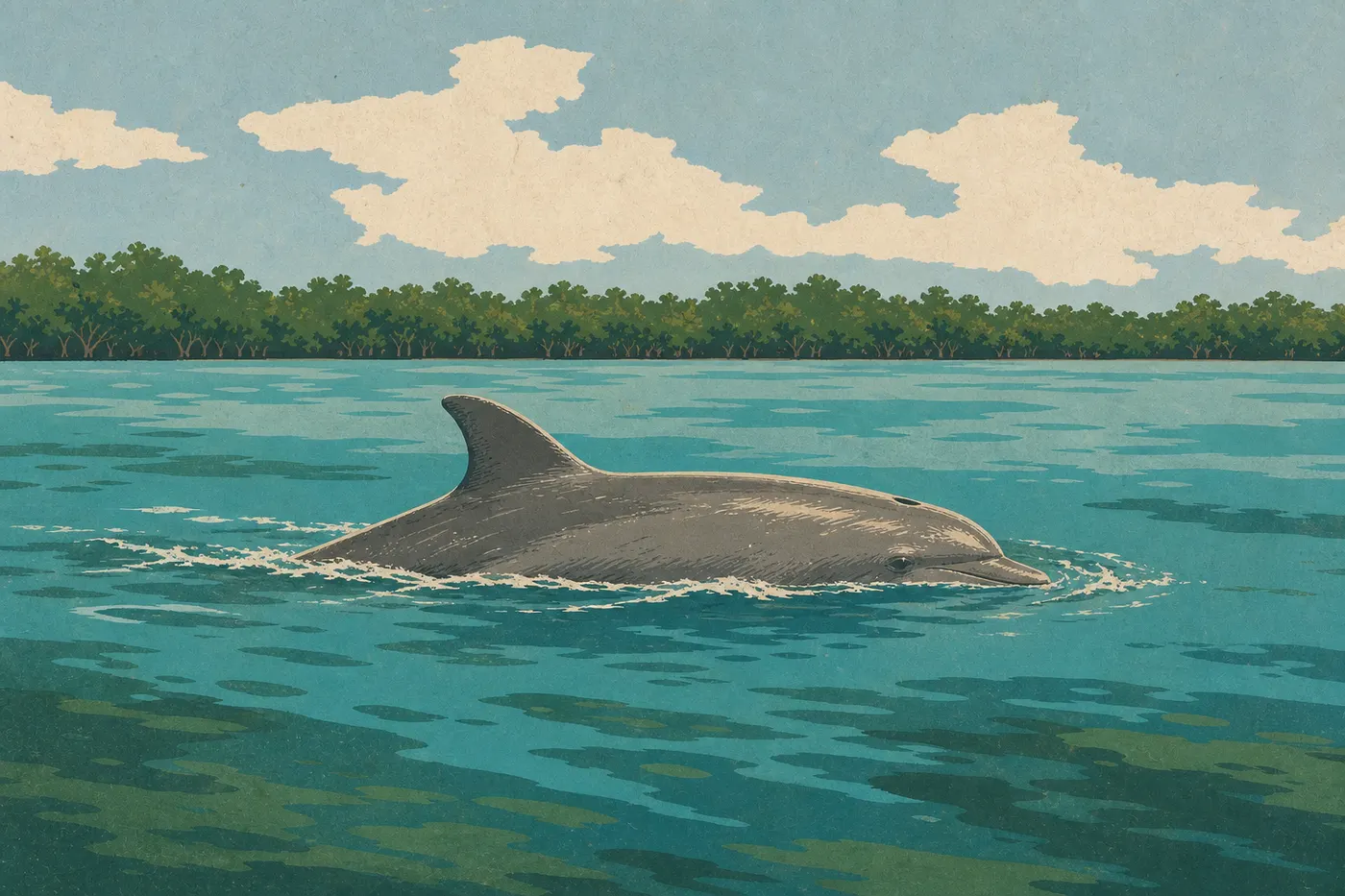
Tursiops truncatus is a year-round resident of Biscayne Bay. Dolphins live in groups of 5 to 15 and hunt cooperatively, herding schools of fish toward the surface. The bay gives them a dependable pantry: mullet, drum, and grouper. You can often spot them from park ferries or by kayak, especially early in the morning before boat traffic churns up the water.
Nurse Shark
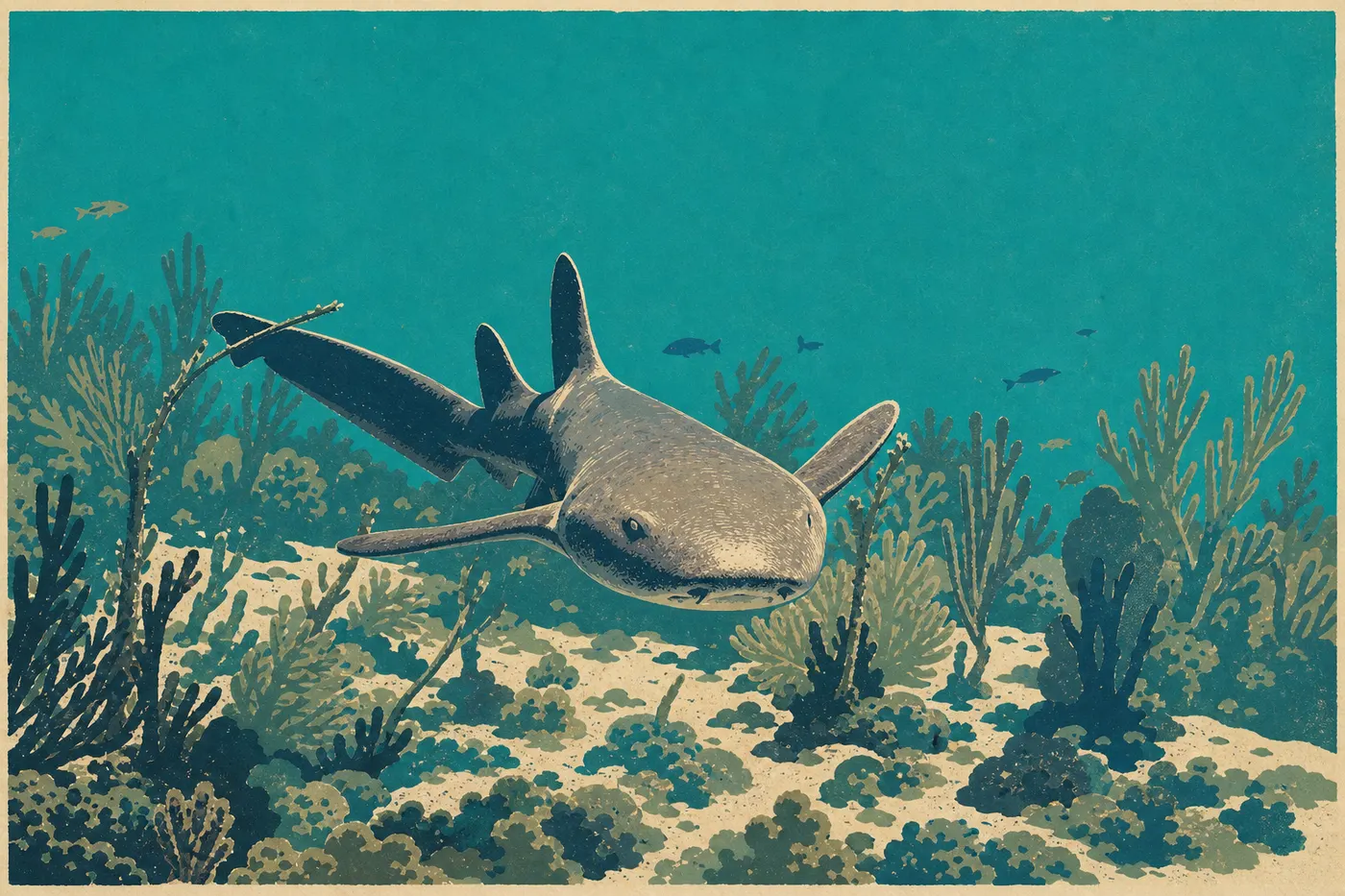
The nurse shark (Ginglymostoma cirratum) is the shark you're most likely to encounter while snorkeling or diving on the reef. Reddish brown and slow-moving, it grows to 6.5 to 10 feet and spends its days motionless beneath coral ledges. At night, it hunts octopuses and bottom-dwelling fish. It's harmless if you keep your distance. It only attacks when grabbed or physically disturbed.
Where to See Wildlife in Biscayne
The park's geography creates four distinct wildlife-viewing areas.
Biscayne Bay (shallow water between the mainland and the Keys) is home to manatees, dolphins, stingrays, and fish-eating birds. A kayak is ideal: quiet, low to the water, and easy to maneuver through seagrass beds. Our Biscayne hiking guide covers the coastal routes accessible on foot and the launch points from Convoy Point.
The coastal mangroves (especially around Convoy Point and the northern shorelines) shelter American crocodiles, great blue herons, egrets, and ospreys. Paddle past them slowly, with your paddles resting, or turn off your motor.
The Keys (Elliott Key is the main island accessible by boat) offer sightings of sea turtles at the surface and, at night during nesting season, females coming ashore to nest. Rangers offer guided nighttime outings.
The Florida Reef (3 to 9 miles offshore) is home to nurse sharks, sea turtles, barracudas, and parrotfish. You can reach it only by boat or by snorkeling or diving with local operators. Our Biscayne activities guide lists authorized outfitters.
Our complete Biscayne guide covers access points by area and boating conditions.
When to Watch Wildlife in Biscayne
Wildlife is here year-round, but each species has its own best viewing windows.
Manatees: easiest to find from October through March, when cooler water draws them into warmer coastal areas. In summer, they spread throughout the bay and become harder to locate.
Sea turtles: feed on the reef year-round. Nesting season runs from May through October. Hatchlings emerge from July through November, always at night.
Dolphins and crocodiles: active year-round, with the best chances early in the morning and late in the afternoon.
Nurse sharks: visible while snorkeling or diving in every season, with denser gatherings in warm water from June through October.
Nighttime activity: loggerhead turtles nest exclusively at night. Nurse sharks also hunt after sunset. A twilight kayak trip on the bay regularly turns up pleasant surprises, including stingrays and jumping mullet.
For month-by-month details on weather, wind, and crowds, see our guide to the best seasons in Biscayne.
Predators and Large Animals in Biscayne
Biscayne has no large land predators, but its waters hold several.
The lemon shark (Negaprion brevirostris) regularly visits the bay's shallow waters. You can recognize it by its two nearly identical dorsal fins, and it can grow to 11 feet. Its presence in swimming areas is one reason the NPS advises against swimming without supervision outside designated areas.
The great hammerhead (Sphyrna mokarran) passes through the park's waters, mainly in winter. It can grow longer than 20 feet. Surface encounters are rare. Experienced divers occasionally see one in open water.
The American crocodile, mentioned above, is the park's largest semiaquatic predator. Some individuals grow longer than 13 feet. Despite their reputation, incidents involving visitors remain extremely rare when people keep a safe distance.
Special mention goes to stingrays. They bury themselves in the sand of shallow flats and are almost invisible. The recommended technique for walking in shallow water is the shuffle, sliding your feet without lifting them from the bottom. This alerts the rays and encourages them to move away before you step on them.
Watching Wildlife Safely
Required distances: the NPS requires you to stay at least 50 feet from any manatee and any crocodile or alligator in the water. For marine mammals in general, including dolphins, federal regulations require a minimum distance of 165 feet from a boat.
Never feed wildlife. Feeding a manatee is a federal offense punishable by fines and criminal prosecution. Throwing fishing scraps into the water changes shark behavior and increases risks for divers who come later.
By kayak: if a manatee approaches on its own, lay down your paddles and let it pass. Don't touch it or follow it. An animal that approaches on its own must remain free to leave.
While snorkeling or diving: don't touch the reefs or animals. A nurse shark that looks asleep still has all its reflexes. Putting a hand on it can trigger a sudden reaction.
Turtle nesting season: never shine a flashlight or spotlight on the beaches at night from May through November. Artificial light disorients nesting females and hatchlings trying to reach the sea.
Crocodiles and alligators: never approach a mound of vegetation along the shore. It could be a nest. The female actively defends her eggs. If you encounter one on a trail or shoreline, back away calmly and go around at a safe distance. Don't run.
For complete boating regulations and information about closed areas, ask a ranger at Convoy Point or visit the official NPS website.
In Brief: Wildlife You Won't Want to Miss and Where to Find It
| Species | Best area | Best time |
|---|---|---|
| Florida manatee | Bay, Convoy Point | October through March |
| American crocodile | Coastal mangroves | Year-round (morning) |
| Loggerhead sea turtle | Reef, beaches in the Keys | Year-round (nesting May-Oct.) |
| Bottlenose dolphin | Open bay | Year-round (morning) |
| Nurse shark | Florida Reef | Year-round (summer ++) |
Biscayne rewards quiet visitors. A kayak, mask, and snorkel are enough to see, in half a day, species that most American land parks will never show you.
Frequently Asked Questions
Are there alligators in Biscayne National Park?
Yes, American alligators live in Biscayne, mainly in the fresh and brackish water along the mangroves. The park is one of the few places in the world where alligators and American crocodiles share the same geographic area. To tell them apart, look for the alligator's broad, rounded snout and the crocodile's long, pointed one, with its fourth lower tooth visible when the mouth is closed.
Are there dolphins in Biscayne Bay?
Yes, the Atlantic bottlenose dolphin is a year-round resident of Biscayne Bay. You can see them in groups from a kayak or the park ferry, especially early in the morning. Federal regulations require boats to keep a minimum distance of 165 feet.
What predators live in Biscayne?
The main predators in Biscayne National Park are aquatic: lemon sharks and great hammerheads in marine waters, and American crocodiles and alligators in coastal and freshwater areas. The park has no large land predators.
What animals live in Everglades National Park?
Neighboring Everglades National Park shares several species with Biscayne: alligators, manatees, sea turtles, herons, and roseate spoonbills. The main difference is habitat. Everglades is dominated by freshwater marshes and cypress forests, while Biscayne is defined by its marine bay and Florida Reef.
What animals can you see in Miami?
The Miami area, with Biscayne as its signature park, offers exceptional access to manatees, dolphins, American crocodiles, and more than a hundred species of coastal birds. Invasive exotic reptiles, including green iguanas and Burmese pythons, are found around the city but are not part of the park's protected native wildlife.