
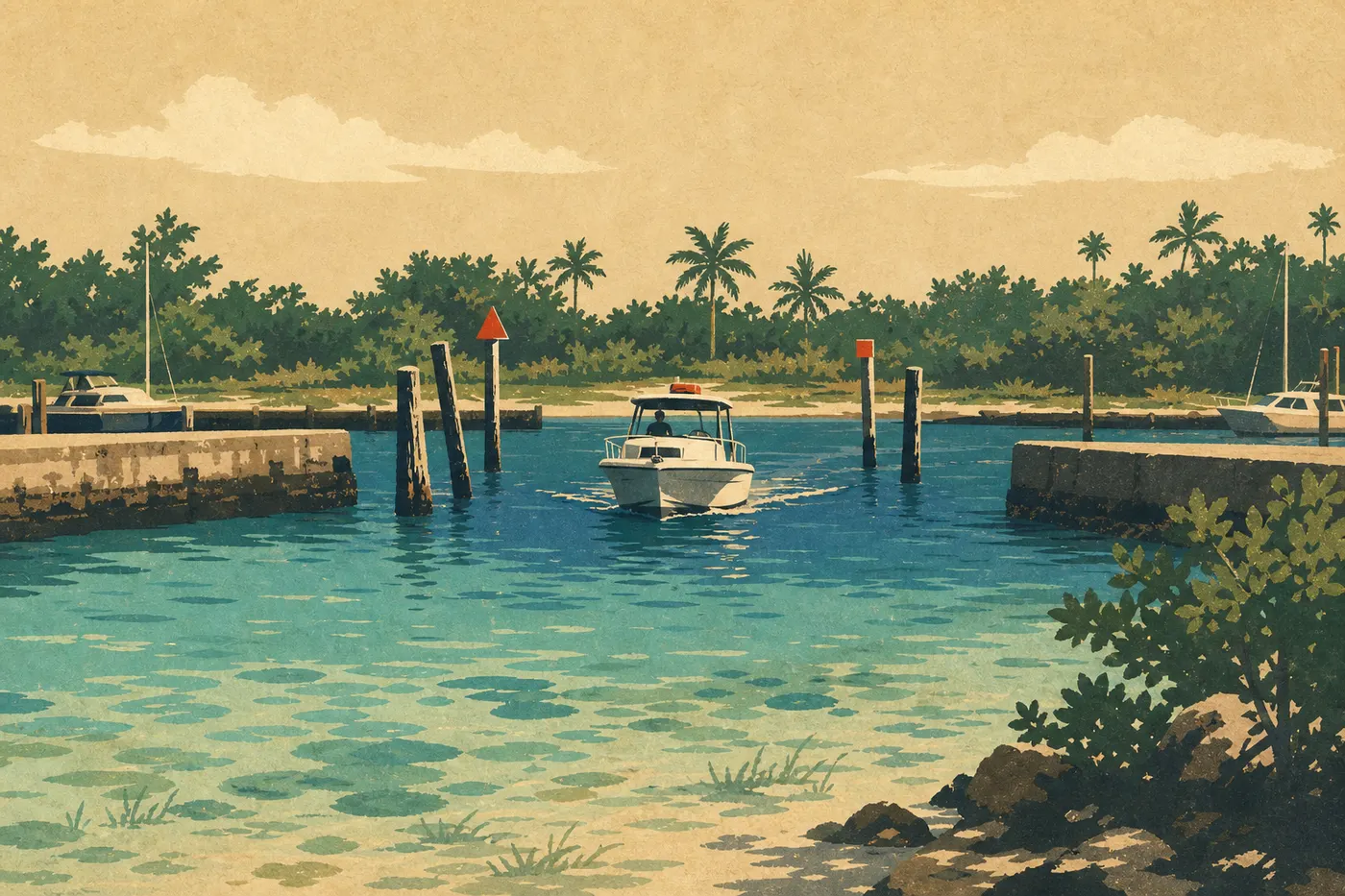
Getting Around Biscayne National Park: Boats, Kayaks, and Parking
The quick answer is that you explore Biscayne by water. The park is 95% Biscayne Bay, coral reefs, and islands, and the road ends at the Convoy Point visitor center. To explore the rest, you'll need a boat, kayak, or spot on a guided tour.
One other point to clear up right away: Biscayne National Park isn't Key Biscayne, the residential island near downtown Miami. They're two separate places, several dozen miles apart. If you're trying to reach the national park, here's how to get there.
How to Get to Biscayne National Park
For directions from Miami or Fort Lauderdale, transportation options, and access to Convoy Point, see the Biscayne access guide.
Getting Around the Park
Biscayne is a marine park. As soon as you leave the Convoy Point dock, you're on the water. There are no shuttles or interior roads. You have three main ways to get around.
By Motorboat
This is the main way to reach the islands, especially Boca Chita Key, Elliott Key, and Adams Key. If you have your own boat, you'll find the launch ramp in the Convoy Point parking area. The crossing takes 30 to 90 minutes, depending on the island and your boat's speed.
Follow two boating rules without exception. Obey the speed limits in manatee protection zones, which are clearly marked, and never drop anchor on reef areas. Fines are steep. The Biscayne wildlife guide covers the manatees and dolphins found in the bay.
By Kayak or Canoe
This is our favorite way to explore from the water at Convoy Point. The ramp is suitable for small watercraft, and several NPS-authorized outfitters offer rentals and guided tours departing from the dock.
On a sea-kayak trip to Boca Chita Key, I underestimated the headwind on the way back. Always allow 30% extra time for the return trip, even in moderate wind. For beginners, a guided bay tour is more than enough for a first day. Crossings to the more distant islands are best left to experienced kayakers and stable weather windows. The guided tours available in Biscayne are listed in the activities section.
On Foot
The park's land area is limited to Convoy Point. You'll find the visitor center, a picnic area, and the Jetty Trail, a short trail along the jetty with views of the bay. It's a pleasant walk early or late in the day, but this isn't where you'll see the coral or islands. On Elliott Key, marked trails let you walk through tropical forest after you arrive by boat.
Where to Park: Parking at Convoy Point
The Convoy Point parking lot is the only public parking area on the park's mainland side. It's free. Capacity is limited, and on sunny weekends it fills up early in the morning. Arrive before 9 a.m. if you've planned a boat tour or want to launch a kayak.
There are no reservations or parking tags. It's first come, first served. During the busy season, from December through April, Saturday and Sunday mornings are the most in demand. There is no other official parking in the park because the islands are accessible only by water.
Distances and Travel Times Between Areas
From Convoy Point by motorboat, crossings to the main areas take anywhere from 30 minutes for nearby islands in the bay to more than an hour for offshore reefs. By kayak, crossing to an island can take 2 to 4 hours, depending on wind and current conditions.
Biscayne Bay can get rough quickly, so never plan your return without checking the day's marine forecast. The Biscayne itinerary guide includes half-day and full-day visit plans.
Special Cases: RVs, Vans, Accessibility, and Pets
RVs and vans: The Convoy Point parking lot accommodates standard vehicles. Drivers of large RVs should check the clearance restrictions on-site. To camp in an RV on the islands, including Elliott Key and Boca Chita Key, plan on crossing by boat because there are no roads. The Biscayne RV guide has more details on availability and logistics.
Accessibility: The Dante Fascell Visitor Center and the Convoy Point jetty are accessible to visitors with mobility impairments. Access to the islands depends on the boat, so ask NPS-authorized outfitters about accessible options. The America the Beautiful Pass (Access Pass) is issued free of charge to people with disabilities.
Pets: Pets are allowed in the Convoy Point land area when kept on a leash no longer than about 6 feet. They're not allowed on NPS concessioner boats or on the island trails. Arrange pet care if your plans include a day on the water.
Practical Transportation Information: Fuel, Cell Service, and Apps
Fuel: Convoy Point has no gas station or marine fuel dock. Fill up in Homestead before entering the park, and check your tank level if you're planning a long crossing.
Cell service: The signal is reliable at Convoy Point and along the access road from Homestead. Once you head offshore, coverage becomes unreliable or disappears entirely. Download your nautical charts for offline use before you leave. Gaia GPS and Navionics work without a connection. Don't rely on your phone for offshore navigation.
NPS App: The official NPS App lets you download park information for offline use. It's useful for checking boating rules and protected areas once you're on the water.
Weather: In summer, thunderstorms can develop quickly in the afternoon. Leave early in the morning and plan to return before 2 p.m. to avoid deteriorating conditions. Hurricane season runs from June through November. The Biscayne monthly weather guide can help you identify the best windows for boating.
Frequently Asked Questions
How do you get around Biscayne National Park?
Getting around Biscayne National Park means traveling mainly by water, whether by motorboat, kayak, or canoe. The road ends at the Convoy Point visitor center, and the islands and reefs are accessible only by boat.
Can you visit Biscayne by car?
Visiting the park by car gets you to the Convoy Point visitor center and jetty, but not to the islands or reefs. Nearly the entire park is explored on the water.
Where can you park at Biscayne National Park?
The park's only parking lot is at Convoy Point, next to the Dante Fascell Visitor Center. It's free and open to everyone, but capacity is limited. Arrive early during the busy season and on weekends.
What is the best entrance to Biscayne National Park?
There is only one road entrance to Biscayne National Park: the Dante Fascell Visitor Center at Convoy Point, accessible from the Florida Turnpike at Exit 6, then SW 328th Street.
Is there cell service in Biscayne National Park?
Cell service is available at Convoy Point and along the access road, but it quickly disappears once you're on the water. Download your maps and information for offline use before leaving the dock.
How much does it cost to enter Biscayne National Park?
For entrance fees and annual passes, see the National Parks Fees & Passes page.
How much time do you need to visit Biscayne?
A half-day is enough to explore Convoy Point and kayak in the bay. Plan on a full day to reach the islands. The Biscayne itinerary guide offers plans tailored to the time you have available.