

Stargazing in America's National Parks: A Night Away from the Lights
Plan a night under the stars in Joshua Tree, Death Valley, Bryce Canyon, or Great Basin, with tips on moonlight, seasons, horizons, and getting back safely.
By Jocelyn Pion · · 12 min read
As evening falls, the rocks slowly fade from view and the scenery shifts overhead. Stargazing in America's national parks doesn't have to start with buying a telescope: choosing the right night and place to stop matters more. We look for somewhere easy to reach, check the horizon before dark, and allow enough time for our eyes to adjust.
Which park should you choose for a night under the stars?
An unlit desert, a high-elevation overlook, and an amphitheater with ranger programs offer different experiences. Before comparing how dark the skies are, consider where you're staying and how you'll get back. A convenient stop on your route often beats a detour that leaves you with a long drive after midnight. This list of U.S. national parks can help you see how these stops fit into your trip.
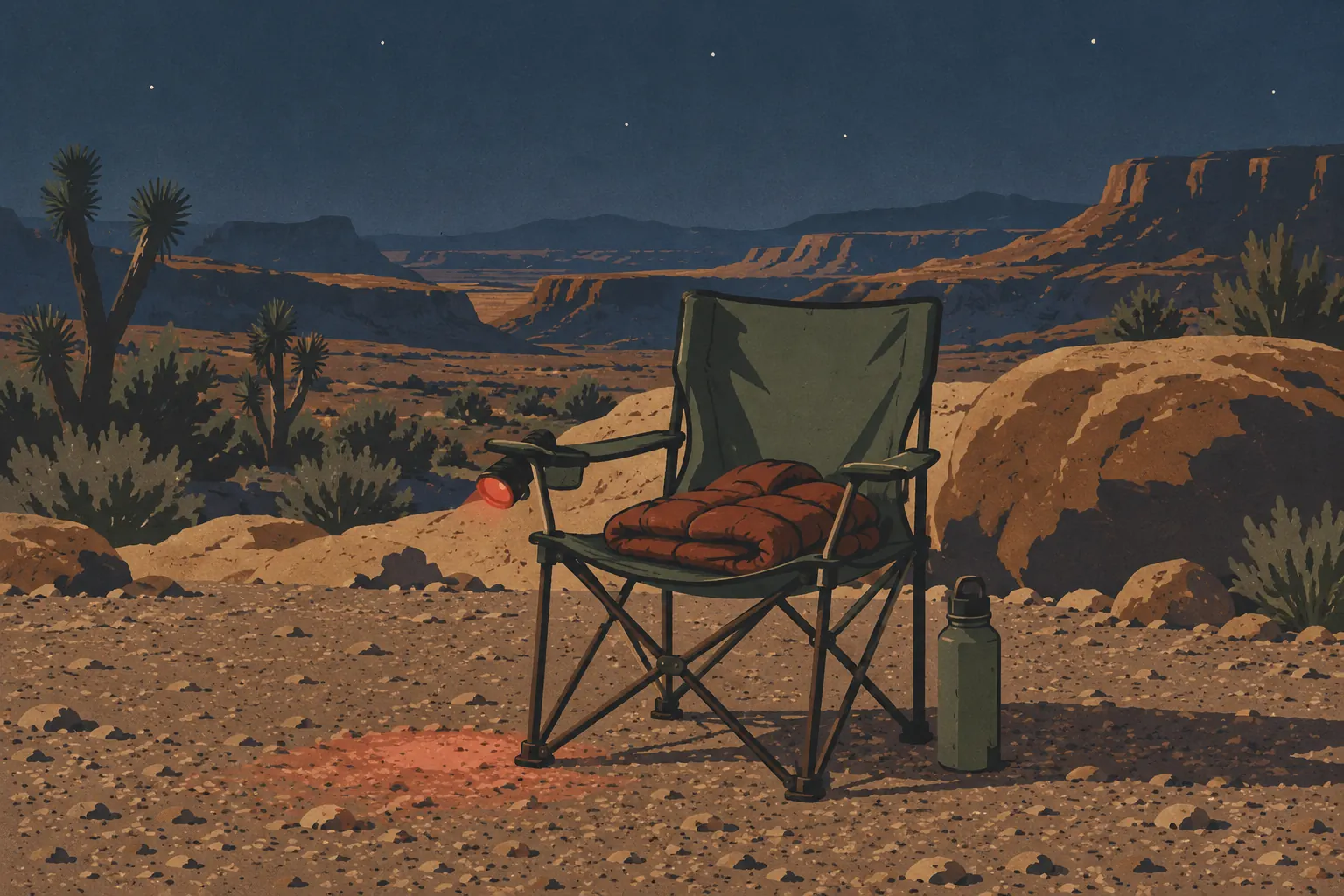
We've picked four options in the West for their practical differences, without ranking them. The locations below are stargazing options identified by the parks, subject to open access and local rules. None can guarantee clear skies.
| Park and starting point | Horizon and access considerations | Seasonal and weather considerations | Planning your visit |
|---|---|---|---|
| Joshua Tree, Cap Rock or Hidden Valley parking lot | Stargaze near your vehicle, with rocks potentially blocking part of the sky | Check the forecast for your chosen area, since elevation and conditions vary within the park | Prepare water, clothing, and your return route before entering |
| Death Valley, Harmony Borax Works or Mesquite Flat | Ranger-recommended locations, though surrounding mountains still matter | Summer heat can linger late into the night, and rain can close roads | Scout your stop and check access; don't venture onto an unfamiliar dirt road at night |
| Bryce Canyon, Sunrise Point or Inspiration Point | Overlooks above the rock formations, with approach paths to check in daylight | High-elevation cold, possible snow and ice, and summer thunderstorms | Stay well back from the edge and check programs at the visitor center |
| Great Basin, Astronomy Amphitheater near Lehman Caves | A dedicated program venue that doesn't require driving to higher overlooks | Chilly nights, summer thunderstorms, and snow-dependent access at higher elevations | Check the schedule, capacity, and rules for individual programs |
For a first evening on your own, we'd start with a stop close to the car. To learn your way around the sky, a ranger program offers more than darkness: explanations and, depending on the session, a chance to look through a telescope. Either way, arrange your overnight accommodations separately from your stargazing spot.
Four places, four ways to experience the night sky
Joshua Tree: stay close to the car. The park designates the Quail Springs, Hidden Valley, Cap Rock, and Ryan Mountain parking lots for stargazing. Visitors must stay awake and within 20 feet of their vehicle. Here, Ryan Mountain means the parking lot, not an invitation to climb the mountain at night. That distinction is useful for beginners and for families whose children may want to warm up quickly.
Light from nearby cities affects some areas more than others. Pinto Basin Road between Cholla Cactus Garden and Cottonwood is another option listed by the park. We wouldn't let the search for darker skies turn into extra driving when tired. Posted day-use areas close from dusk to dawn: nighttime access to the park doesn't mean every location is open. To plan the day beforehand, see these things to do in Joshua Tree.
Death Valley: pay attention to the mountains, too. Harmony Borax Works and Mesquite Flat Sand Dunes are among the places rangers recommend. But a broad stretch of open ground doesn't necessarily mean an unobstructed horizon in every direction. At Badwater Basin, in particular, mountain ranges block some of the lower sky. If you want to see a specific celestial object, check which direction to look before choosing your stop.
We'd save remote dirt roads for something other than a first stargazing outing. Check road conditions before leaving: flood damage can block access long after the rain ends. In summer, don't assume temperatures will become comfortable after dark. Bring water and skip the outing if the heat remains oppressive. Our selection of places to visit in Death Valley can help you pair your evening stop with daytime sightseeing without an unnecessary drive across the park.
Bryce Canyon: plan for the elevation. Sunrise Point and Inspiration Point are among the park's recommended stargazing spots. The appeal is seeing the sky above the silhouettes of the rock formations, not edging closer to a drop-off for a better composition. Check the approach and the boundaries of your viewing spot while it's still light. For a first nighttime outing, we'd stay at a familiar overlook instead of heading down into the amphitheater.
The cold deserves as much attention as the clouds. At Bryce, overnight freezing temperatures are common from October through May. In July and August, thunderstorms can upend your plans. As soon as you hear thunder, leave exposed areas and take shelter, even if stars are visible between the clouds. These other things to do in Bryce Canyon can help you enjoy the day even if you have to cancel your evening plans.
Great Basin: focus on learning. The Astronomy Amphitheater is near Lehman Caves Visitor Center. Programs combine a presentation with telescope viewing when conditions allow. Check the schedule for your date: a seasonal program isn't guaranteed to run every evening. Bad weather can lead to cancellation. No reservations are taken, but visitors are turned away once the Lehman Caves Visitor Center parking lots fill up.
A group program has different rules from an independent outing. Personal camping chairs, tripods, and telescopes are prohibited during programs; seating is provided. Choosing the amphitheater also means your evening doesn't depend on access farther up the mountain. At Great Basin, weather varies with elevation, and snow can close Wheeler Peak Scenic Drive. These Great Basin sights and activities can help you plan the rest of your stay around this stop.
Moonlight, seasons, and clouds: when should you go?
Start with what you want to see. To see plenty of stars and faint details, look for moonless skies. The new moon is a useful guide, but it isn't your only option. Moonrise and moonset times matter, too: part of the night may work even if the moon is up at another time. Check those times for your location and date instead of relying solely on a moon-phase icon.
A full moon changes the experience without making every outing pointless. Its brightness washes out fainter stars and makes the Milky Way hard to see. On the other hand, moonlit landforms can become the evening's main attraction. We'd rather adjust our expectations to the moon than promise the same sky every night. A moonlit walk still requires planning and suitable terrain where nighttime access is allowed.
The season changes both the sky and your start time. Summer offers better viewing opportunities for some bright sections of the Milky Way, but darkness comes later. Winter brings earlier dark skies and different constellations, including Orion. It offers a different experience, with more cold to prepare for. For a specific celestial object, prepare a sky chart for your location and viewing time.
Sunset doesn't mean complete darkness. Allow time for twilight, then 20 to 30 minutes for your eyes to adjust once it's dark. Leaving as soon as the first stars appear means missing part of what makes the outing worthwhile. With children, consider whether the timing will work with their energy levels.
The weather has the final say that day. Check cloud cover for your planned viewing time, along with wind, temperature, and thunderstorm risk. A forecast for a nearby town may not reflect conditions at a higher overlook. Clear skies at dinner don't guarantee a clear evening. Keep another night available if your itinerary allows, without sacrificing sleep to chase a possible break in the clouds.
On a three-week road trip through the American West, we'd plan stargazing for a stop where you're already staying nearby. It's better to move the outing to another evening during your stay than drive to a different park trying to escape the clouds.
What should you prepare for an enjoyable night and a safe return?
Arrive before dark to identify legal parking, check the ground, trace your route back, and spot obstacles. Download your road map and sky chart in advance. If you're heading into an isolated area, tell someone where you're going and when you expect to return. Your phone is a backup tool, not a guarantee of reception.
For an evening spent mostly in one place, we recommend bringing:
- A headlamp with a red-light setting and backup power.
- Several warm layers, protection from the wind, and closed-toe shoes.
- Water, a snack, and any necessary medications.
- An offline map and a return route you've checked beforehand.
- A blanket or something to sit on, only where permitted.
- Binoculars if you have them, with no need to buy equipment.
Keep your lighting low. White light from screens, flashlights, and vehicles interferes with your eyes' adjustment to the dark. Set up red-light mode before joining other stargazers, dim your screen, and point your light toward the ground. During a program, follow the rangers' instructions. Use enough light to walk safely: preserving night vision never justifies navigating a hazardous stretch without being able to see.
Your unaided eyes are enough to start recognizing the major patterns in the sky. Binoculars let you explore some areas in more detail. A telescope adds equipment, adjustments, and setup time. We'd leave it out of a first stargazing outing on a trip, especially if a public program offers a chance to try one. Don't expect the colors and detail of a long-exposure photograph when looking at the sky with the naked eye, either.
Plan the trip back as carefully as the trip out. Stay on permitted surfaces and paths instead of cutting through vegetation for a slightly darker spot. Keep your distance from wildlife and don't leave food accessible. When driving, adjust your speed for visibility and animals that might cross the road. If you're already tired before heading out to stargaze, shorten the evening or postpone it.
Finally, staying late to stargaze doesn't give you permission to sleep there. At Joshua Tree, camping along roads or in parking lots is prohibited. At Great Basin, recommended stargazing locations aren't campsites. Before dinner, check park alerts, nighttime access, parking, and any instructions for your chosen program. Arrange a place to sleep in lodging or an authorized campsite instead of planning to fall asleep in the car afterward.
Our take: choose an easy return before the darkest sky
For a first trip, we'd stick to the planned route. An evening at Joshua Tree or Bryce, if you're already stopping there, offers more than an exhausting detour to a park known for darker skies. We'd choose a spot scouted in daylight and the simplest route back. The 20 to 30 minutes your eyes need to adjust should be part of the plan, without cutting into the driver's sleep.
With children, we prioritize flexibility. At Joshua Tree, the designated spots near your vehicle let you wrap up early without a complicated walk back. Stay within 20 feet of the vehicle and remain awake. If the children are already exhausted at twilight, we'd skip waiting for full darkness: pushing through rarely sets you up for a good day afterward.
To understand what we're looking at, we'd choose a program at Great Basin, provided one is scheduled during the stay. The explanations and chance to try a telescope meet that goal better than buying equipment before the trip.
For a winter outing, we'd compare temperatures and access first. Death Valley may fit into the trip, but you still need to check the roads. We advise against trying an unfamiliar dirt road or an icy overlook just to gain a little more darkness. Even a less spectacular sky can make a good memory when you get back rested and safe.
Frequently asked questions
Do you need a telescope to stargaze in America's national parks?
You don't need a telescope to stargaze in America's national parks. Start with the naked eye, give your vision time to adjust, and use binoculars if you have them. A ranger program may let you try a telescope without bringing one along.
Can you see the Milky Way every moonless night?
Seeing the Milky Way isn't guaranteed on every moonless night. Clouds, the season, the time, the horizon, and nearby lights all affect what you can make out. The absence of moonlight helps, but those other conditions still matter.
Can you stay in a park after sunset?
Whether you can stay in a park after sunset depends on the rules for that park and the area you choose. Some places are accessible at night while day-use areas close. Check official alerts and rules before heading out, and remember that nighttime access doesn't include permission to camp.
What is the best season for stargazing?
The best season for stargazing depends on what you want to see and how well you tolerate the cold. Summer offers appealing opportunities to see the Milky Way but requires a later outing. Winter lets you start earlier and see different constellations, with warm gear and careful checks on access.