
Where to Find Europe's Wildest Landscapes for a Real Change of Scenery
From the Lofoten Islands to the Highlands, Dolomites, Azores, and Lapland, seven European escapes for vast landscapes without crossing the Atlantic.
By Erika Müller · · 5 min read
The United States often comes to mind whenever people talk about wide-open spaces. Europe, however, offers seven places that create the same feeling: landscapes stretching beyond the horizon, nature that has not been tamed, and a genuine change of scenery that does not require a long-haul flight. For each destination, we cover the season, access, and budget, and give an honest assessment of how it compares with America's national parks.
Lofoten: Beyond the Arctic Circle
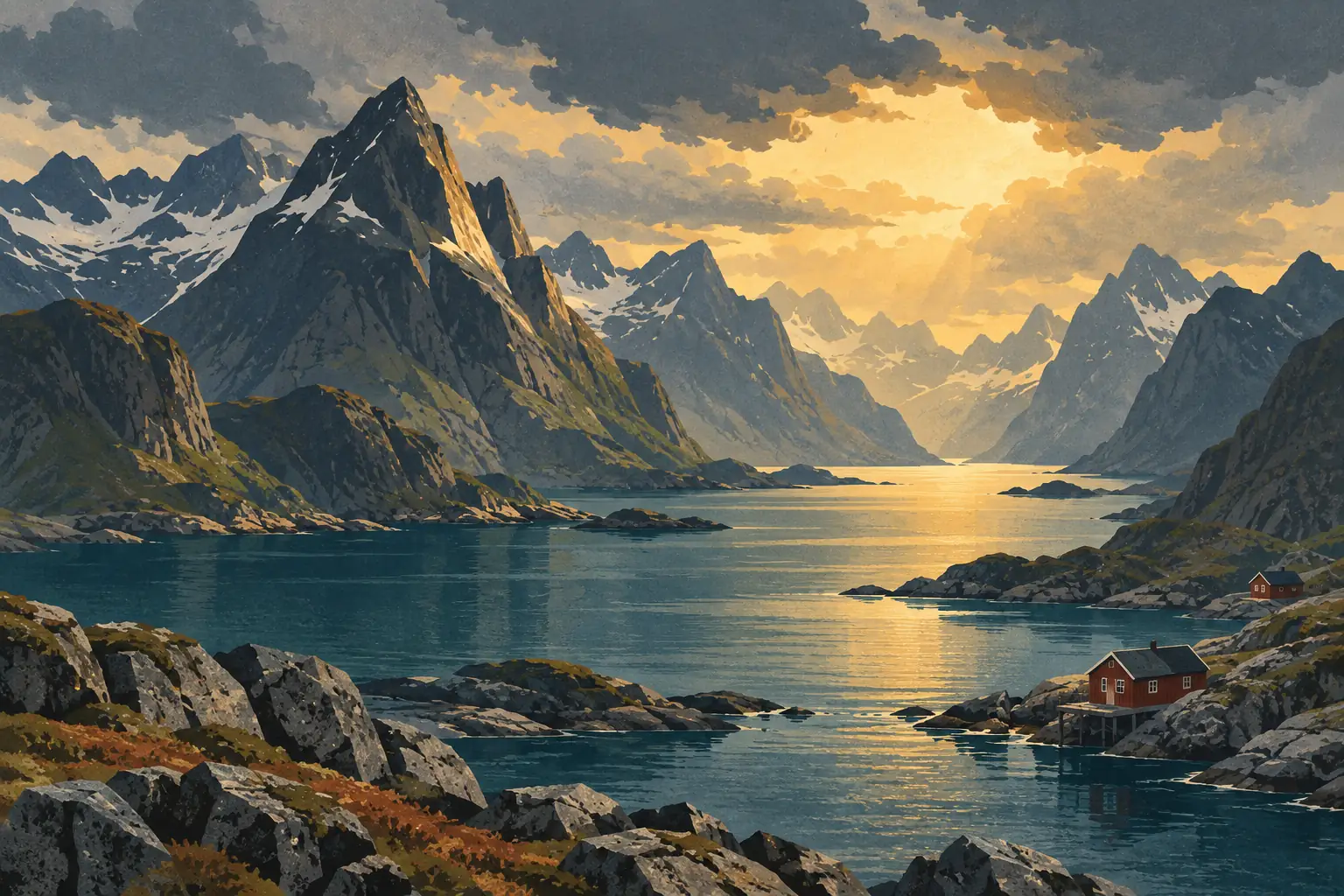
The Lofoten Islands are a Norwegian archipelago north of the 68th parallel: sheer mountains dropping straight into the sea, fishing villages with red houses perched over the water, and light that changes by the hour. In July and August, the sun never sets. In February and March, the northern lights sweep across the fjords.
Getting there: fly to Bodø or Svolvær from Oslo, a flight of about 1 hour, then follow the E10 highway across the archipelago for roughly 106 miles. Without a car, local shuttles connect the main villages, but remote hikes remain out of reach. Accommodation budget: $90 to $170 per night in a rorbu, a renovated fisherman's cabin.
The coastal and mountain setting brings Olympic National Park to mind, with the sea in the foreground and mountains behind it. The difference is that here, you should expect cold weather even in August, along with rain at any time.
The Scottish Highlands and the Picos de Europa: Fresh Air Without Flying
You can reach the Highlands without flying from Paris: take the Eurostar to London, then a train to Edinburgh or Inverness, for a total journey of 8 to 10 hours. Open moorland, lochs, and the peaks of Ben Nevis, rising to 4,413 feet, create a true sense of immensity. The Citylink bus network covers the main areas; remote valleys require a car.
The Picos de Europa in Spain's Cantabria region are less visited. Two hours from Oviedo or Santander, you enter limestone gorges rising above 8,200 feet, with very few people around on weekdays. ALSA buses serve Cangas de Onís from several major Spanish cities. A night in a casa rural costs $45 to $90.
The Dolomites: Avoiding Them at the Height of Summer
The Dolomites in northeastern Italy are lined with vertical limestone towers and high-altitude meadows across a UNESCO-listed landscape. The problem is well known: in July and August, roads are jammed and parking lots overflow. The simplest solution is to come in June or September, or use the free Dolomiti Bus shuttles, which run from July through early September and serve the main trailheads from Cortina d'Ampezzo and Val Gardena.
Getting there: take a train to Bolzano or Trento, then a shuttle or local bus. Half-board refuge budget: $70 to $110 per night. With the shuttles, a car is not essential if you can work around a few scheduling constraints.
The Azores and Iceland Beyond the Golden Circle: Atlantic Volcanic Landscapes
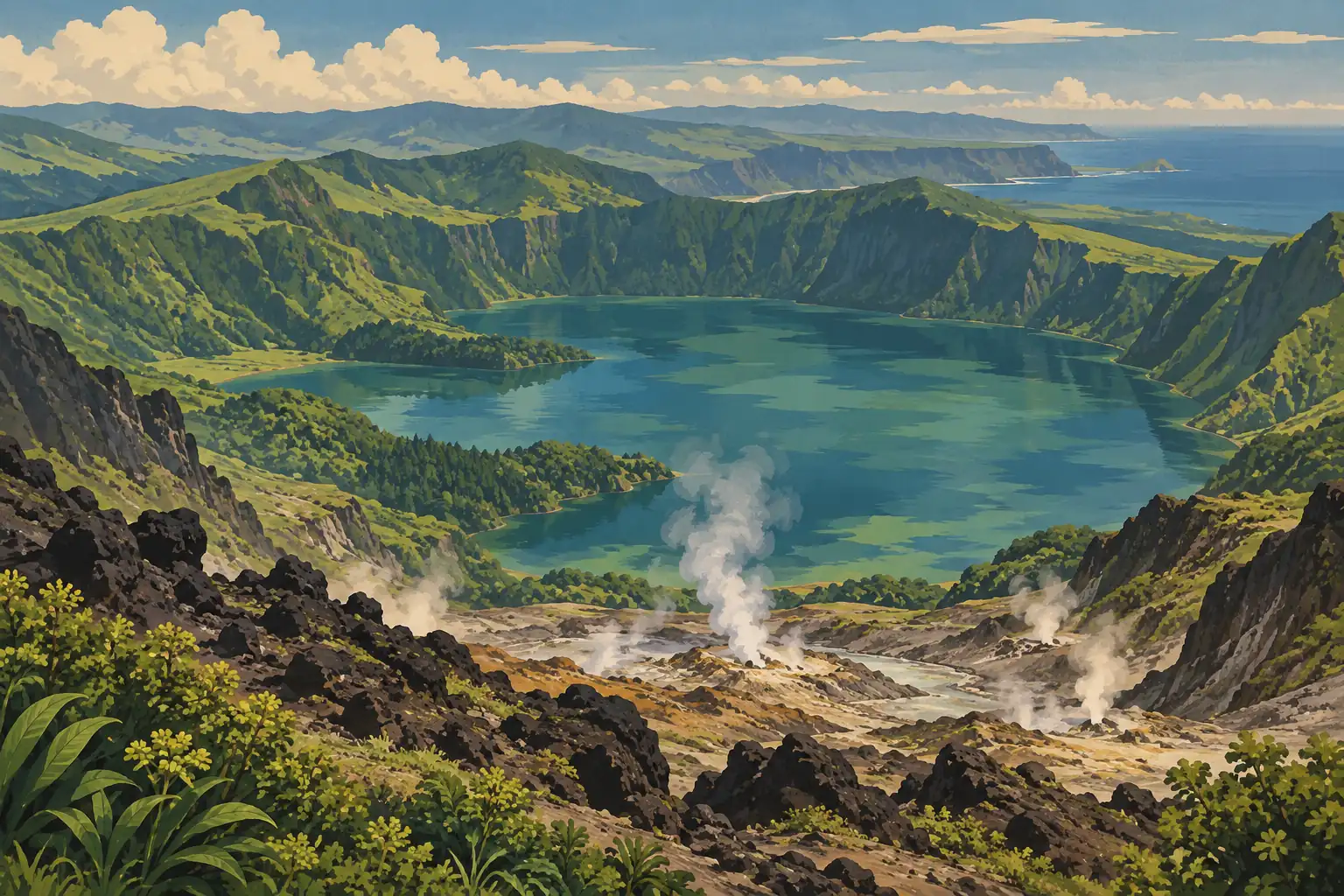
São Miguel in the Azores packs calderas, crater lakes, and hot springs into an island about 40 miles long. A direct flight from Paris takes roughly 4 hours. Renting a car is essential for exploring the island properly. Rain is common in every season, but the vegetation stays green year-round and prices remain close to those in mainland Portugal.
Iceland beyond the Golden Circle is above all about the Westfjords: puffin-covered cliffs, narrow fjords, and very few tourists. A combination of bus and ferry from Reykjavik takes 6 to 7 hours, or you can take a ferry from Stykkishólmur. Accommodation is very limited, so book several months ahead. Expect to pay about $135 to $225 per night, depending on the type of lodging.
Finnish Lapland: Deep Winter Solitude
From December through March, the area around Saariselkä and Urho Kekkonen National Park offers snow, boreal forest, and northern lights in a setting designed for visitors. Fly to Rovaniemi or Ivalo from Helsinki, a flight of about 1.5 hours, then take a shuttle or rent a car. Cross-country skiing, snowshoeing, and guided snowmobile trips are all well organized, and the guides are used to international groups. Budget: $110 to $200 per night, depending on the accommodation, from a standard chalet to a glass cabin for watching the northern lights.
For those familiar with Alaska, Finnish Lapland is Europe's closest winter alternative in spirit: the same silence, the same clear night skies, and the same feeling of being on the edge of the world. Denali National Park offers an added sense of scale in summer that Lapland cannot match, but the two experiences are not substitutes; they complement each other.
Europe or the United States: What the Numbers Say
The question comes up every time someone plans a nature trip. Here is a direct comparison:
| Criterion | Europe | United States |
|---|---|---|
| Total budget | Moderate, with short flights or trains | Higher, with a transatlantic flight and park entrance fees |
| Scale of the landscapes | Impressive | Vast |
| Access without a car | Often possible | Rare in the parks |
| Minimum useful trip length | 7 to 10 days | 12 to 14 days |
The annual pass for America's national parks costs about $80 and covers entrance fees, but the transatlantic flight and car rental push the total far higher. If you have ten days and a limited budget, Europe makes more sense. If you are looking for the scale that the seven destinations above cannot reproduce, a road trip through the American West permanently changes your sense of scale. Both trips are worthwhile. They simply answer different longings.