
Shenandoah Wildlife: What Animals to See and Where to Find Them
Shenandoah is home to remarkably abundant wildlife for a park less than two hours from Washington, D.C. The five animals you're most likely to see are white-tailed deer, black bears, wild turkeys, groundhogs, and peregrine falcons. Deer are by far the easiest to spot. Black bears are more elusive, but you can still see them regularly, especially in the fall.
Shenandoah's Iconic Wildlife
White-Tailed Deer
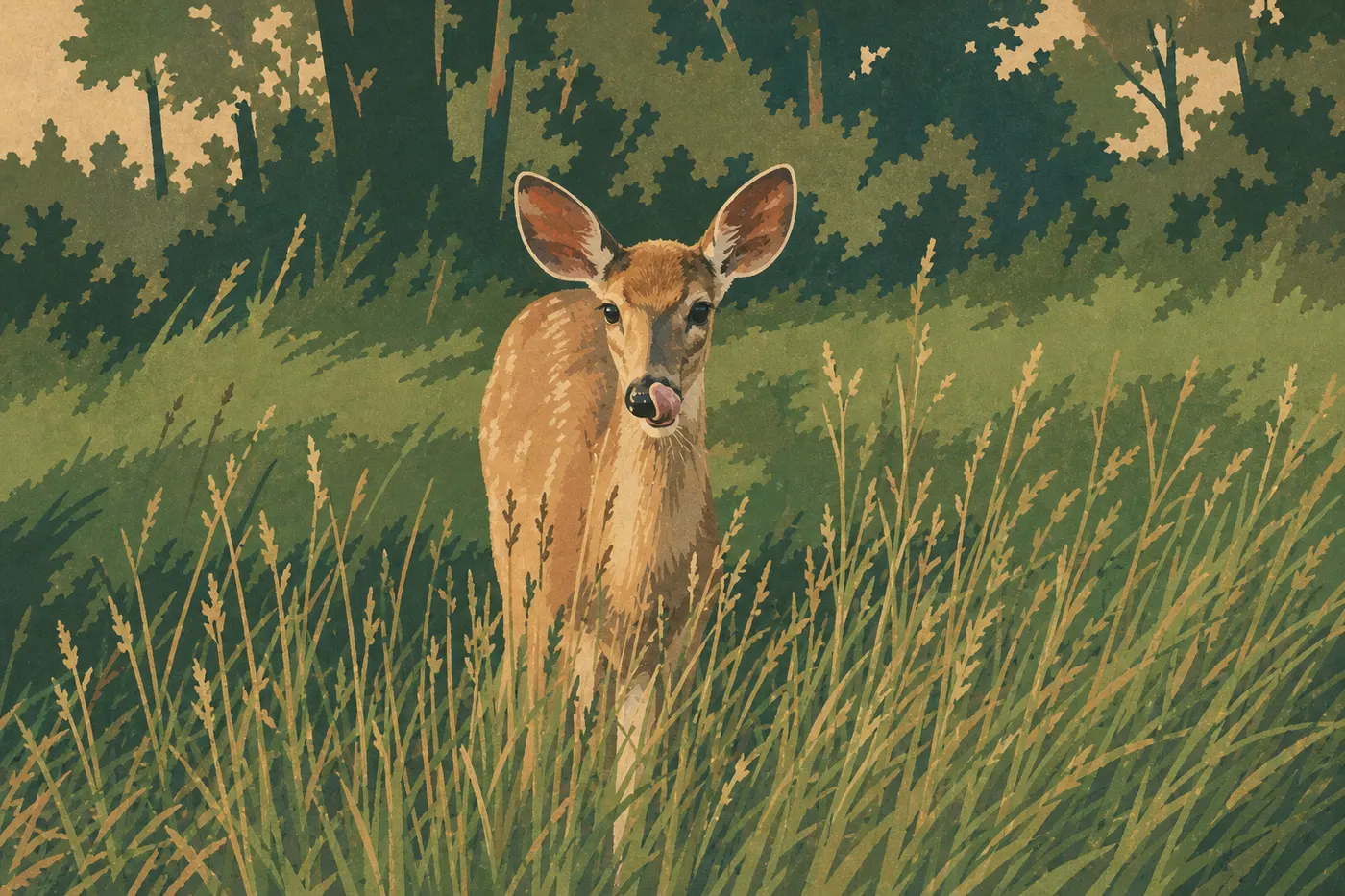
White-tailed deer (Odocoileus virginianus) are the park's most common animal. Their reddish-brown silhouettes cross the meadows along Skyline Drive at dawn and dusk, sometimes right in the middle of the road. Bucks grow their antlers from July through January. In the fall, the rut makes them especially active and easy to spot. Stay at least 23 feet away, and never feed a deer. Animals that become accustomed to people lose their instinct to flee, which can be fatal for them.
Shenandoah's Black Bear
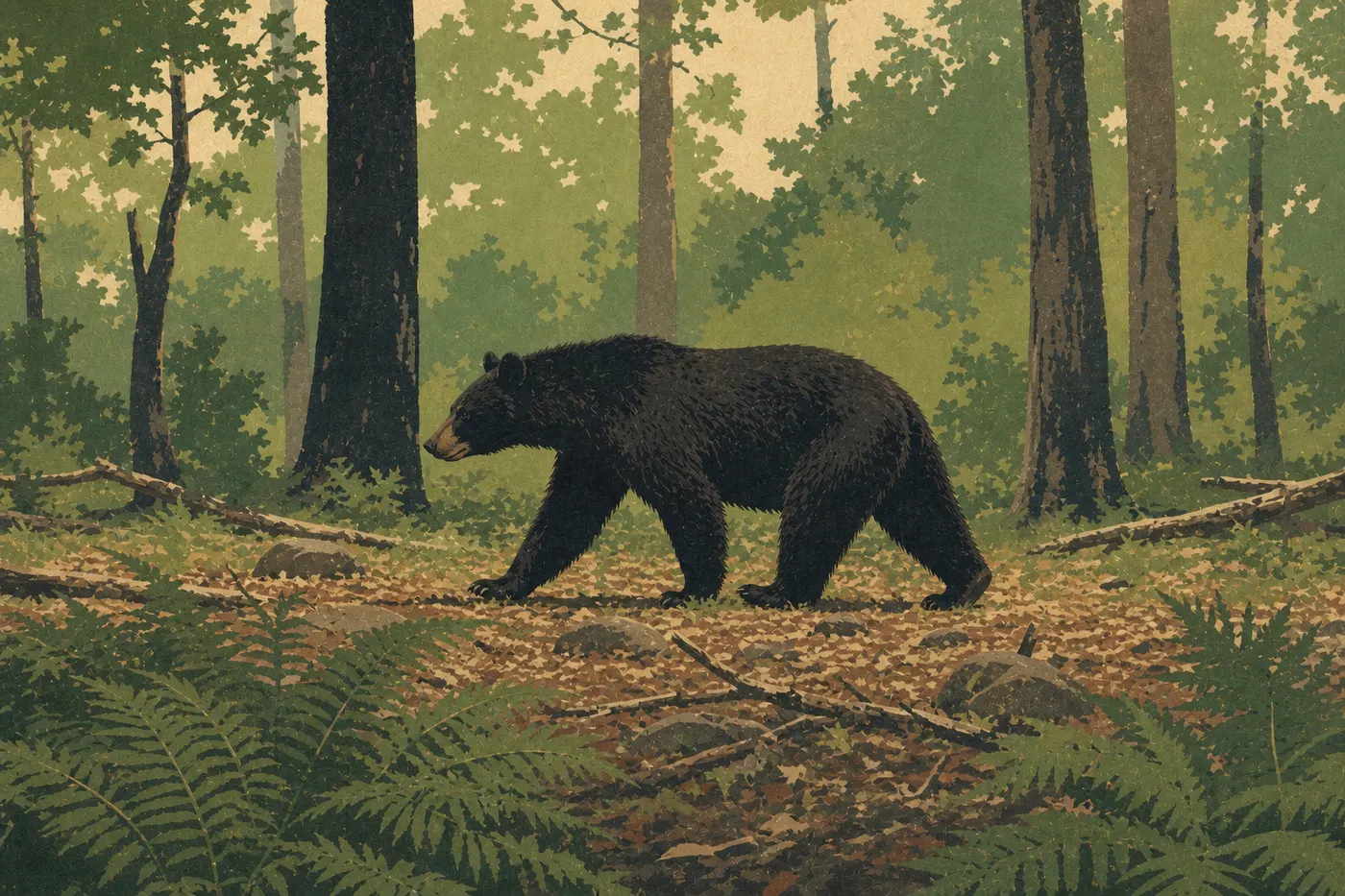
Shenandoah is home to several hundred black bears (Ursus americanus). Unlike brown bears and grizzlies, black bears are considerably smaller, usually weighing less than 440 pounds, and are much less aggressive by nature. Confusion is common because a black bear may be brown, cinnamon-colored, or even blond. What sets it apart from a grizzly is the lack of a muscular shoulder hump and its straight facial profile, rather than a concave one. Shenandoah has no grizzlies, so any bear you see here is a black bear.
Black bears mainly eat berries, acorns, and insects. In the fall, one can eat up to 20,000 calories a day to prepare for winter torpor. You can often spot them along Skyline Drive in September and October, moving along the mountainsides. The NPS requires a minimum distance of 165 feet.
Wild Turkey
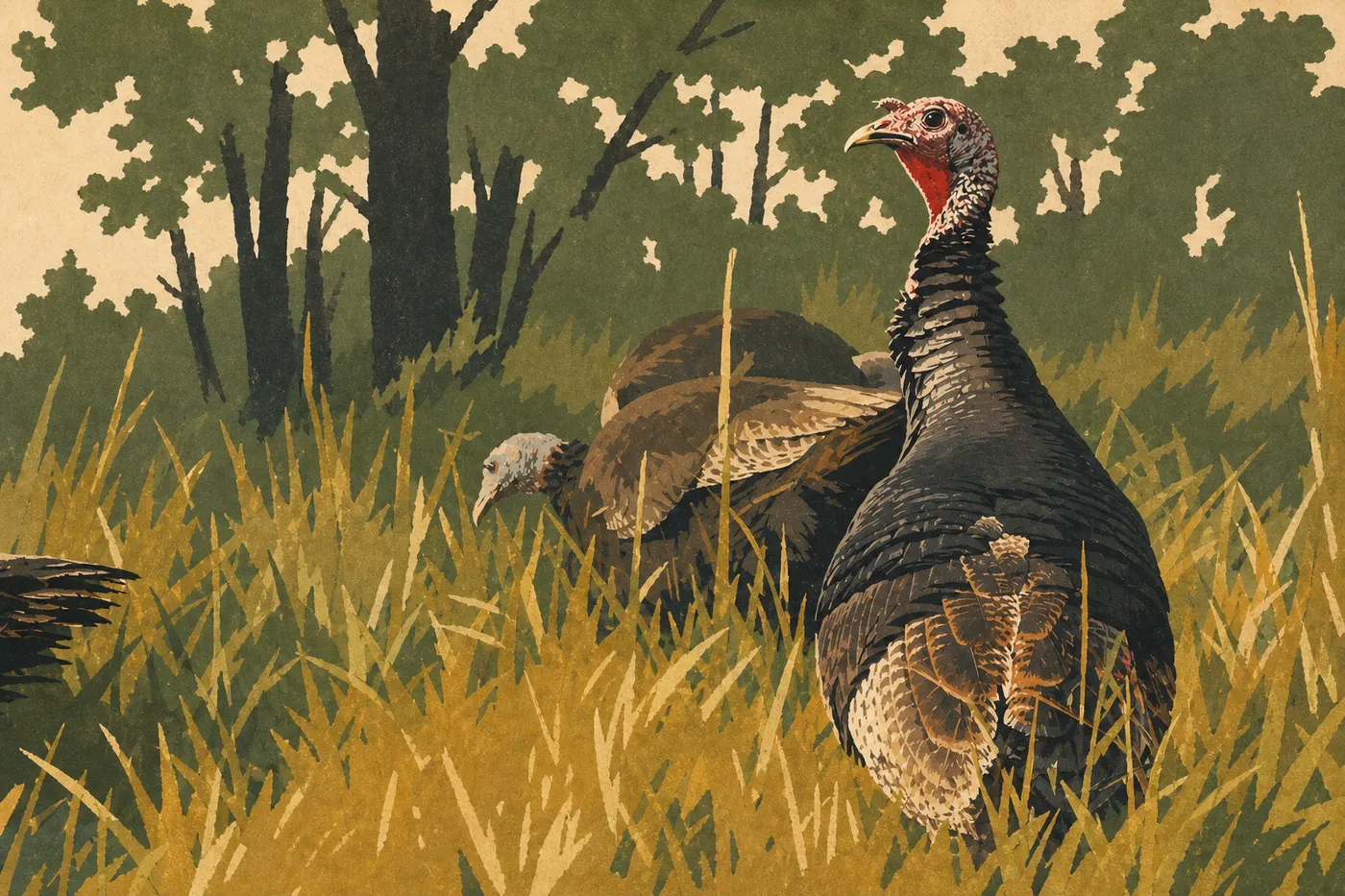
Wild turkeys (Meleagris gallopavo) had nearly disappeared from Virginia by the 20th century. Their reintroduction in the 1970s and 1980s was a success. Today, you can see them in groups in open meadows, especially near Big Meadows. Males are easy to recognize by their iridescent feathers and the red wattle hanging beneath the bill. In April, during breeding season, their puffed-up feathers and gobbling displays are spectacular.
Groundhog
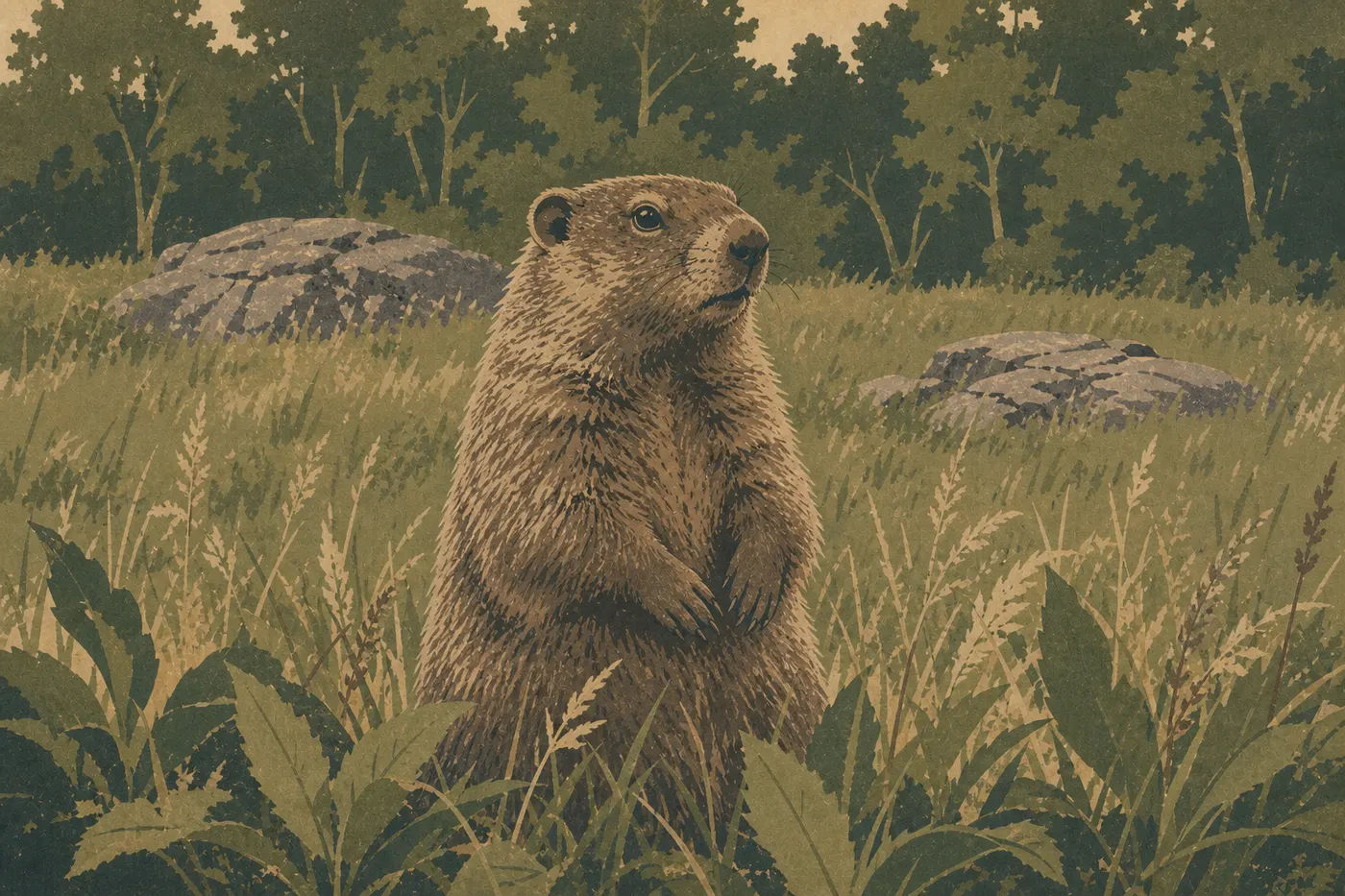
Groundhogs (Marmota monax) are among the easiest mammals to spot in Shenandoah. They favor grassy areas along forest edges, picnic areas, and rocky embankments. They're active from March through October, then disappear into hibernation. If you pass a burrow and hear a sharp whistle, the groundhog is letting you know it's unhappy. Groundhogs play an important ecological role by creating shelter for other species.
Peregrine Falcon
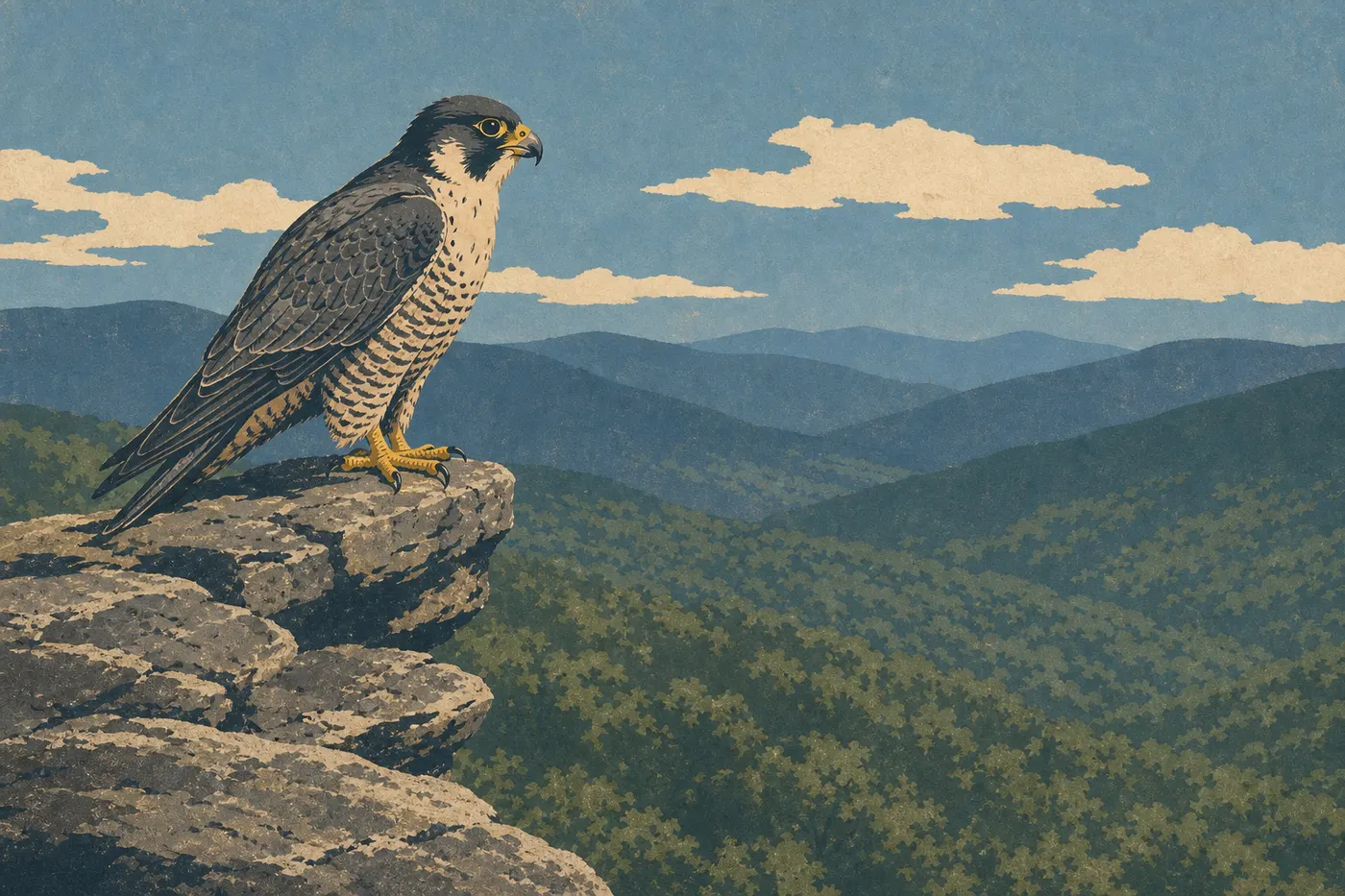
Peregrine falcons (Falco peregrinus) nest on the Blue Ridge's rocky cliffs. After organochlorine pesticides nearly wiped them out in the mid-20th century, they were reintroduced to Shenandoah and now nest there steadily again. You can recognize one by its comma-shaped black mustache against a creamy white background and its dizzying hunting dives. Your best chance of seeing one is early in the morning, from overlooks with open views of the ridges.
Telling Snakes from Timber Rattlesnakes
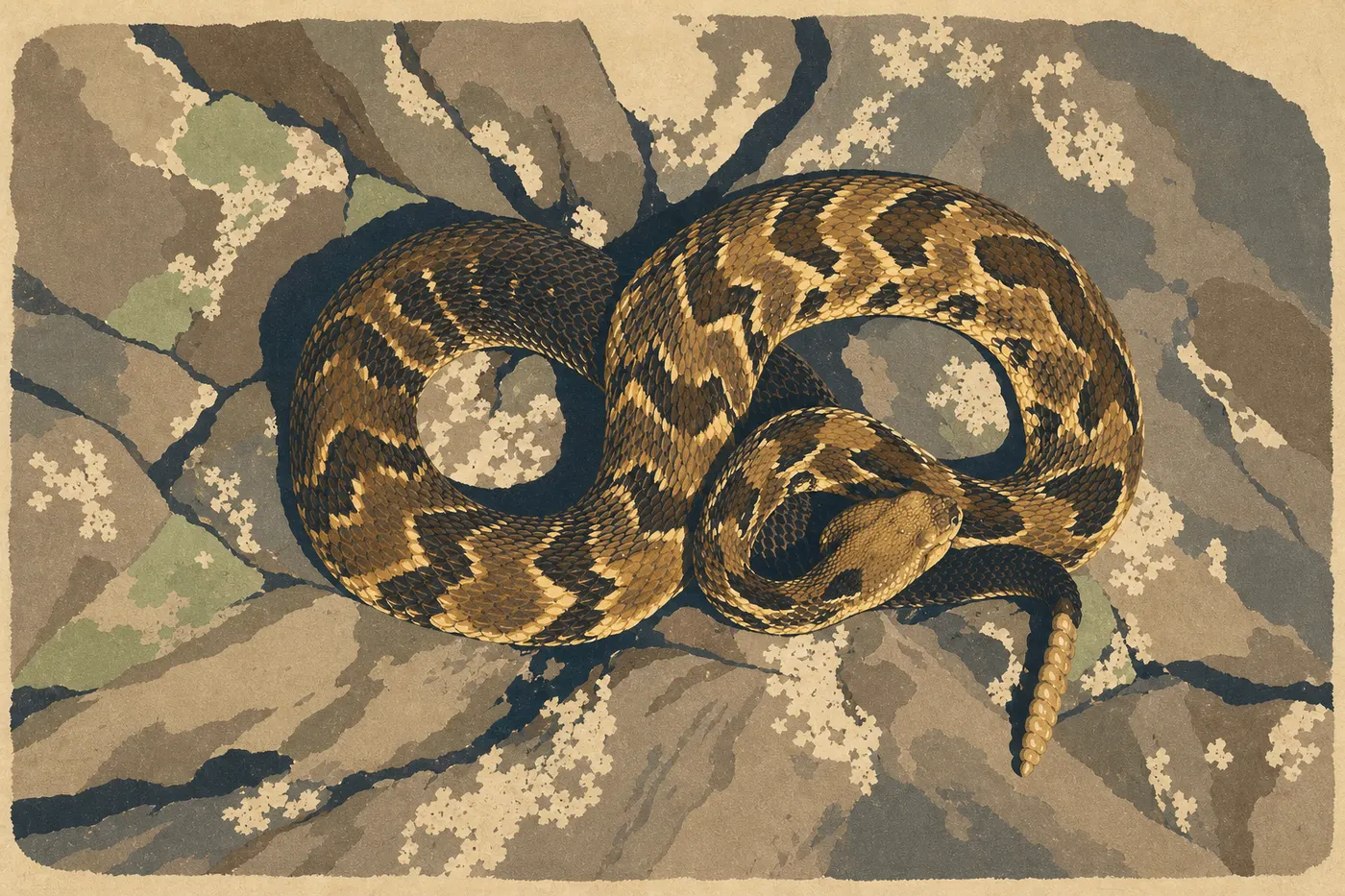
Shenandoah is home to 30 snake species. Only one is venomous: the timber rattlesnake (Crotalus horridus). Its broad, triangular head, vertical slit pupils, and, above all, the rattle at the end of its tail set it apart from harmless snakes. Harmless snakes have oval heads and tapered tails. Timber rattlesnakes aren't naturally aggressive. They bite only when they feel cornered. On the trail, watch where you put your hands and feet, especially around warm rocks and rotting logs.
Where to See Wildlife in the Park
Big Meadows (mile 51, Skyline Drive) is the park's top wildlife-viewing spot. This broad meadow, at an elevation of 3,510 feet, draws deer and wild turkeys, as well as black bears along the forest edge. Arrive early in the morning or stay until sunset to give yourself the best chance of seeing them.
Skyline Drive from end to end is a wildlife-viewing route in its own right. Its 105 miles along the ridge offer 180-degree views of the eastern and western slopes. The area between mile 30 and mile 50 is known for bear sightings in the fall.
Dickey Ridge (mile 5, northern section) sees fewer visitors and is often quieter for early-morning wildlife viewing. The Dickey Ridge Trail runs alongside meadows where deer regularly feed.
The rocky cliffs of Mary's Rock and Stony Man are nesting areas for peregrine falcons. Watch from the official overlooks, and don't approach the cliff faces.
For reptiles and salamanders, the streams and wetlands near the Loft Mountain and Lewis Mountain areas are productive, especially in May and June.
When to Watch Wildlife
The most active time is dusk and the first two hours after sunrise. That's when deer, bears, and turkeys feed in the open. In midsummer, heat and humidity, which can be oppressive in the valley, keep some wildlife in the shade of the forest understory. The ridge stays 9 to 11°F cooler than the valley, making it much more comfortable for wildlife viewing.
For black bears, September and October are the golden weeks. They spend more time out during the day to build up fat reserves before winter torpor. Spring, from April through May, is ideal for nesting birds, especially migratory warblers passing through the Blue Ridge Mountains.
At night, raccoons, Virginia opossums, and spotted salamanders are active on the trails. You may also hear a great horned owl from the campgrounds starting in October. The Shenandoah seasonal calendar breaks down the best times of year for each park activity.
Shenandoah's Predators and Larger Animals
The black bear is the park's largest mammal. No cougar population has been officially established in Shenandoah. Sporadic sightings are reported, but the NPS hasn't confirmed a resident population. Coyotes are present and fill the ecological role once occupied by wolves, which have been gone for more than a century. Coyotes help regulate rodent and rabbit populations.
The great horned owl (Bubo virginianus) is the main nocturnal predator. Its wingspan can reach 4.5 feet. You're more likely to hear it than see it, thanks to its distinctive deep hoots.
How to Watch Wildlife Safely
Minimum distances required by the NPS:
- Black bears: at least 165 feet, about half the length of an American football field.
- Deer and other hoofed animals: at least 23 feet.
- All species: if an animal changes its behavior when you approach, you're too close, no matter how far away you are.
Never feed wildlife. Don't leave meal scraps, and don't offer "just one bite." A bear that associates people with food may eventually have to be euthanized. The same rule applies to groundhogs, squirrels, and crows and ravens.
Food bags and trash. At campgrounds, use bear-resistant food lockers, or hang your food bag at least 10 feet off the ground and 5 feet from the tree trunk. Don't leave anything in your car. Shenandoah's bears have learned to recognize coolers.
If you encounter a bear: speak calmly and loudly, spread your arms to look bigger, and back away slowly without running or turning your back. Don't climb a tree. Black bears are agile climbers. If a bear charges anyway, which is very rare, stay on your feet and make noise.
On the trails: watch where you put your hands, especially in sunny rocky areas where timber rattlesnakes warm themselves. Wear gaiters if you leave marked trails. The Shenandoah hiking guide identifies the trails with the most frequent bear encounters and offers tailored preparation advice.
For the park's general safety rules, including high-elevation thunderstorms, emergency numbers, and driving on Skyline Drive, see the Shenandoah overview.
In Summary: Wildlife You Shouldn't Miss and Where to Find It
| Species | Best spot | Best time |
|---|---|---|
| White-tailed deer | Big Meadows, Dickey Ridge | Year-round, dusk |
| Black bear | Skyline Drive mile 30–50, Big Meadows | September–October, morning |
| Wild turkey | Big Meadows | Spring, morning |
| Peregrine falcon | Mary's Rock, Stony Man (cliffs) | April–June |
| Groundhog | Meadow edges, mile 5–30 | March–October |
| Timber rattlesnake | Sunny rocky areas | April–October (use caution) |
Shenandoah isn't a park for spectacular safari-style wildlife encounters. It's a park of dense temperate forests where wildlife takes some effort to find. You're almost certain to find deer at Big Meadows around dusk. Bears take a little more patience and good timing. Bring binoculars, arrive early, and check our complete Shenandoah guide to bring wildlife viewing, hiking, and logistics together in a single trip.
Frequently Asked Questions
What wildlife is Shenandoah known for?
Shenandoah's iconic animals include white-tailed deer, black bears, wild turkeys, groundhogs, and peregrine falcons.
What is the most common animal in Shenandoah National Park?
White-tailed deer are Shenandoah's most common animal. They live throughout the park year-round and are especially easy to spot at dawn and dusk in open meadows.
What is the largest animal in Shenandoah?
The black bear is Shenandoah's largest animal. It can weigh more than 330 pounds in the fall after its period of heavy feeding.
What predators live in Shenandoah?
Shenandoah's predators include black bears, coyotes, and, among birds of prey, peregrine falcons and great horned owls. There are no wolves, and no cougar population has been officially established in the park.
Are there venomous snakes in Shenandoah?
Shenandoah has one venomous snake: the timber rattlesnake (Crotalus horridus). Its triangular head, slit pupils, and tail rattle set it apart from harmless snakes. It isn't aggressive as long as you leave it alone.
Are there big cats in Shenandoah National Park?
No big cat population has been officially established in Shenandoah. Cougar sightings are occasionally reported, but the NPS doesn't recognize a resident population in the park.
What animals are active at night in Shenandoah?
Nocturnal wildlife in Shenandoah includes raccoons, Virginia opossums, several bat species, great horned owls, and spotted salamanders. Black bears are mainly active during the day, but they may also move around at night in the fall.