
What to Do in Shenandoah: Must-See Sights and Activities
Shenandoah's appeal is understated. There are no geysers or bright red canyons. Instead, the park offers 106 miles of wooded ridgelines in Virginia's Blue Ridge Mountains, one of the most accessible scenic roads in the eastern United States, and wildlife you can spot without a long approach hike. Three highlights sum up the experience: driving Skyline Drive from one overlook to the next, hiking down to Dark Hollow Falls, and watching for black bears at dusk in Big Meadows. Everything else builds around that foundation.
Shenandoah at a Glance: Areas, Access, and Getting Around
The park stretches 106 miles from north to south along Virginia's Blue Ridge Mountains, less than two hours by car from Washington, D.C. One public road runs through it: Skyline Drive. This 106-mile paved ribbon follows the ridgeline from end to end, with a 35 mph speed limit that you should follow carefully because wildlife can cross at any time, and 75 marked overlooks.
There are four entrances. Front Royal is in the north, Thornton Gap is near the middle, Swift Run Gap is a little farther south, and Rockfish Gap is at the southern end, where Skyline Drive meets the Blue Ridge Parkway. The entrance you choose depends on where you're coming from and which areas you want to prioritize.
The park naturally breaks into three sections. The northern section, from Front Royal to Skyland, has several spectacular overlooks and lightly traveled trails. The central section around Big Meadows is the heart of the park, with the main visitor center, a large open meadow, a waterfall, and lodging. The southern section, from Loft Mountain to Rockfish Gap, is the wildest and least visited of the three.
Here's a useful rule of thumb. The mountain is typically 9 to 11°F cooler than the valley. In July and August, that difference can turn a sweltering day into a pleasant walk along the ridges. The tradeoff is that Skyline Drive regularly closes during winter ice and snow. For opening hours and access conditions, check the Shenandoah access guide.
How Long Do You Need to Visit Shenandoah?
Two days are enough for the essentials. Spend one day driving the central section of Skyline Drive, taking one or two short hikes, and watching wildlife at Big Meadows at dusk. Use the second day to explore the Skyland area and climb Hawksbill or Stony Man. Three to four days let you add Old Rag Mountain, which takes a full day, explore the southern section, and make time for dawn wildlife watching.
Many visitors from the East Coast come for a weekend from D.C. and leave satisfied. You don't need a long immersion to see what makes the park special. Detailed Shenandoah itineraries offer ready-made plans based on how much time you have.
Shenandoah's Highlights by Area
Northern Section: Front Royal and the First Ridges

Front Royal is the park's northern gateway. Just a few miles in, the Dickey Ridge Visitor Center is the first useful stop, with paper maps, trail conditions, and the day's ranger program.
The overlooks come one after another. Shenandoah Valley Overlook gives you a clear view of the Shenandoah River and the valley's farmland below. Hogback Overlook, a little farther south, is one of the northern section's best-known photo spots. On a clear day, you can make out several bends in the river.
This section also has quiet trails. Mount Marshall and Compton Peak are two moderate hikes where you can often go a while without seeing another person. If you want solitude as soon as you enter through the northern gateway, this is a strong option.
Skyland Area: The Highest Viewpoints
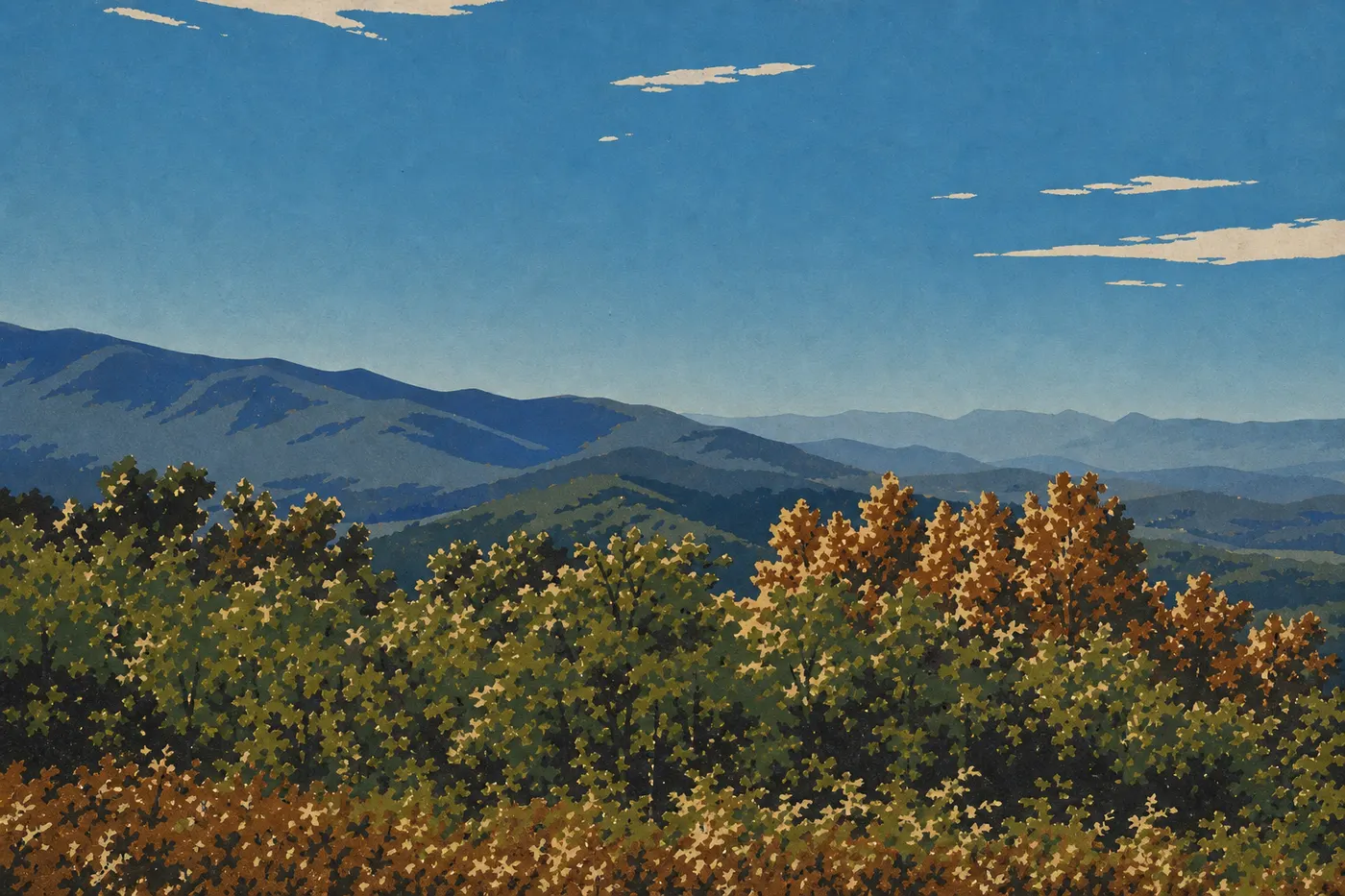
Skyland is the highest point along Skyline Drive, at about 3,600 feet. You'll notice the cooler air compared with the valley, and late in the day the view east across the Virginia Piedmont opens up.
Two hikes stand out here. Stony Man Summit, the park's second-highest summit at 4,009 feet, is one of Shenandoah's most accessible climbs. It's about 1.9 miles round-trip with limited elevation gain. The trail crosses green rock outcrops typical of the area's geology before opening onto a 180-degree view to the west.
Hawksbill Summit is the park's highest point at 4,049 feet. The shortest loop from the parking area is about 2.2 miles. The climb is steady, but the view from the top makes the effort worthwhile, with a 360-degree panorama of the surrounding ridges and valleys. This is the area to choose for late-afternoon photography, when low-angle light colors the wooded slopes.
Big Meadows Area: The Living Heart of the Park
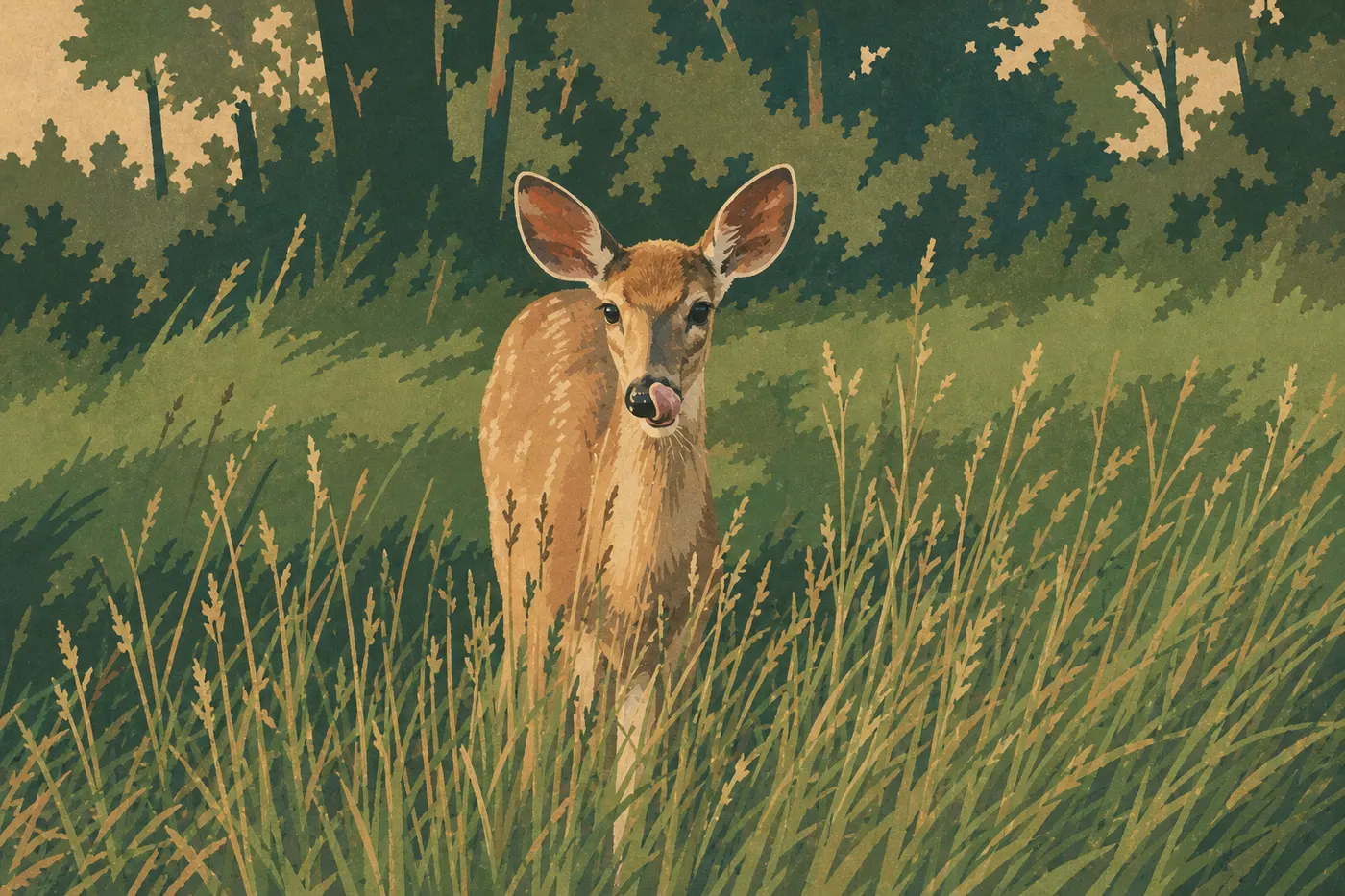
Big Meadows is the park's liveliest area. It also offers the greatest concentration of experiences in a small area.
The open meadow at Big Meadows is a rare habitat in this mostly forested park. It's a broad open space where white-tailed deer, wild turkeys, and black bears regularly appear, especially at dawn and dusk. Rangers recommend parking at the edge of the meadow and waiting quietly instead of walking through the grass. Bring binoculars.
The Dark Hollow Falls trail descends from the parking area to a waterfall about 65 feet high. It's just under 1.6 miles round-trip, but the climb back is harder than the descent suggests. This is the park's most accessible waterfall. Go early in the morning to avoid crowds and catch the mountain streams at their fullest.
The Byrd Visitor Center is the park's main hub, with a permanent exhibit on the ecology and history of the Appalachian communities that lived here before the park was established in 1935, rangers on hand, and a guided program. For families, Story of the Forest Trail, a flat 1.9-mile trail starting at the visitor center, is an ideal introduction for all ages.
Nearby, Lewis Spring Falls is less crowded than Dark Hollow and accessible by an approximately 3.1-mile round-trip trail through dense forest. It's a good option if the crowds at the Dark Hollow parking area have put you off during the busy season.
Southern Section: Solitude and Quartzite Boulders
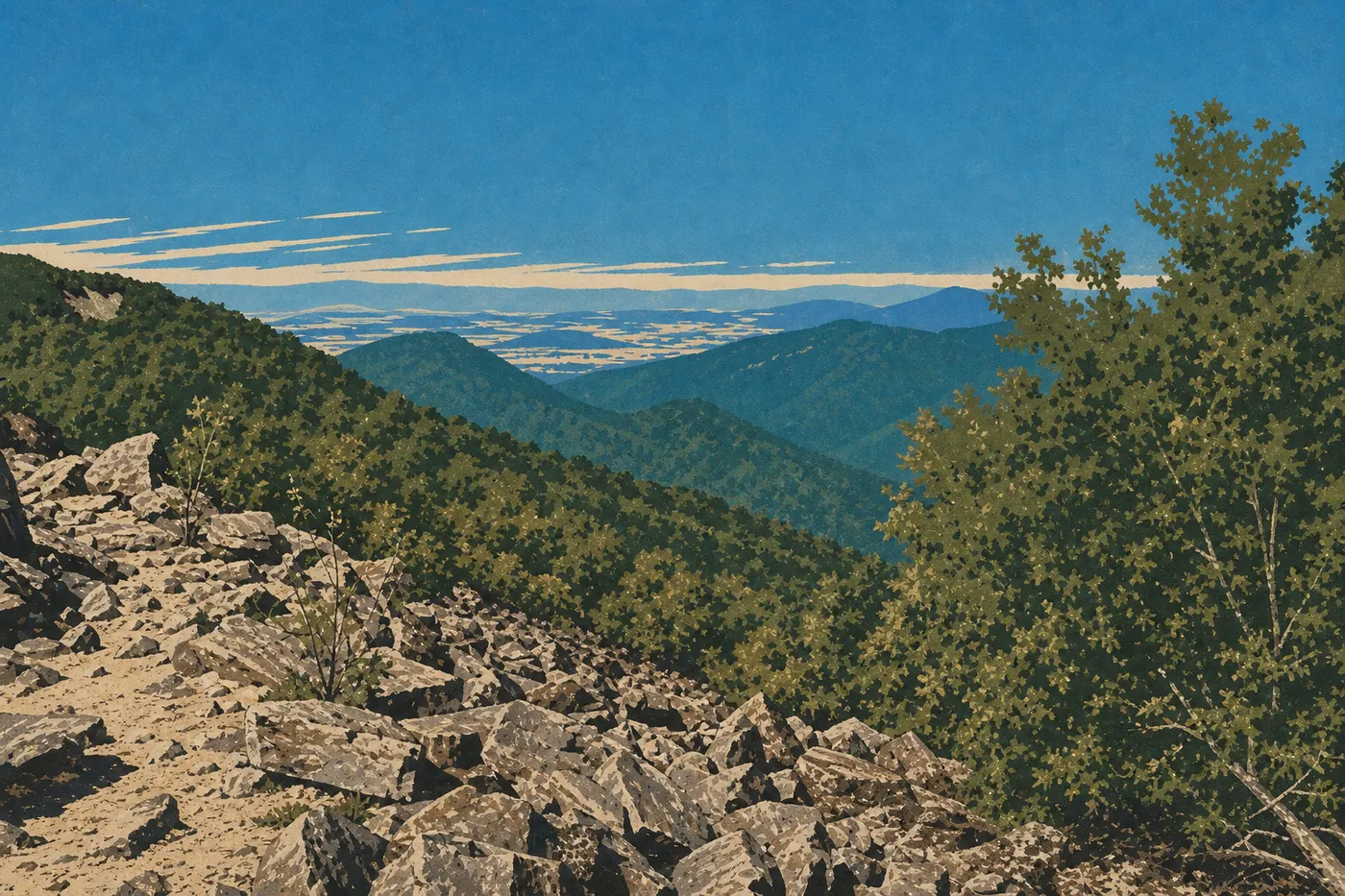
The southern section, from Loft Mountain to Rockfish Gap, is the least visited part of the park. It has fewer services, fewer people, and a character of its own.
Blackrock Summit is one of Shenandoah's best-kept secrets. The approximately 1.2-mile round-trip trail leads to a jumble of quartzite boulders formed over millions of years, with 360-degree views. It takes 45 minutes to an hour to walk to a panorama that seems like it should be reserved for far more experienced hikers.
Loft Mountain is home to the park's largest campground. From this area, two longer hikes deserve your attention: Doyles River Falls, an approximately 6.8-mile loop with two levels of waterfalls, and the Loft Mountain Loop, about 7.5 miles with panoramic views of the western valley. Depending on your pace, both routes take anywhere from half a day to a full day.
At the southern end, Rockfish Gap marks the junction with the Blue Ridge Parkway. If you keep driving, you'll be on one of North America's longest scenic roads, heading south toward Great Smoky Mountains National Park.
Old Rag Mountain: A Different Kind of Hike
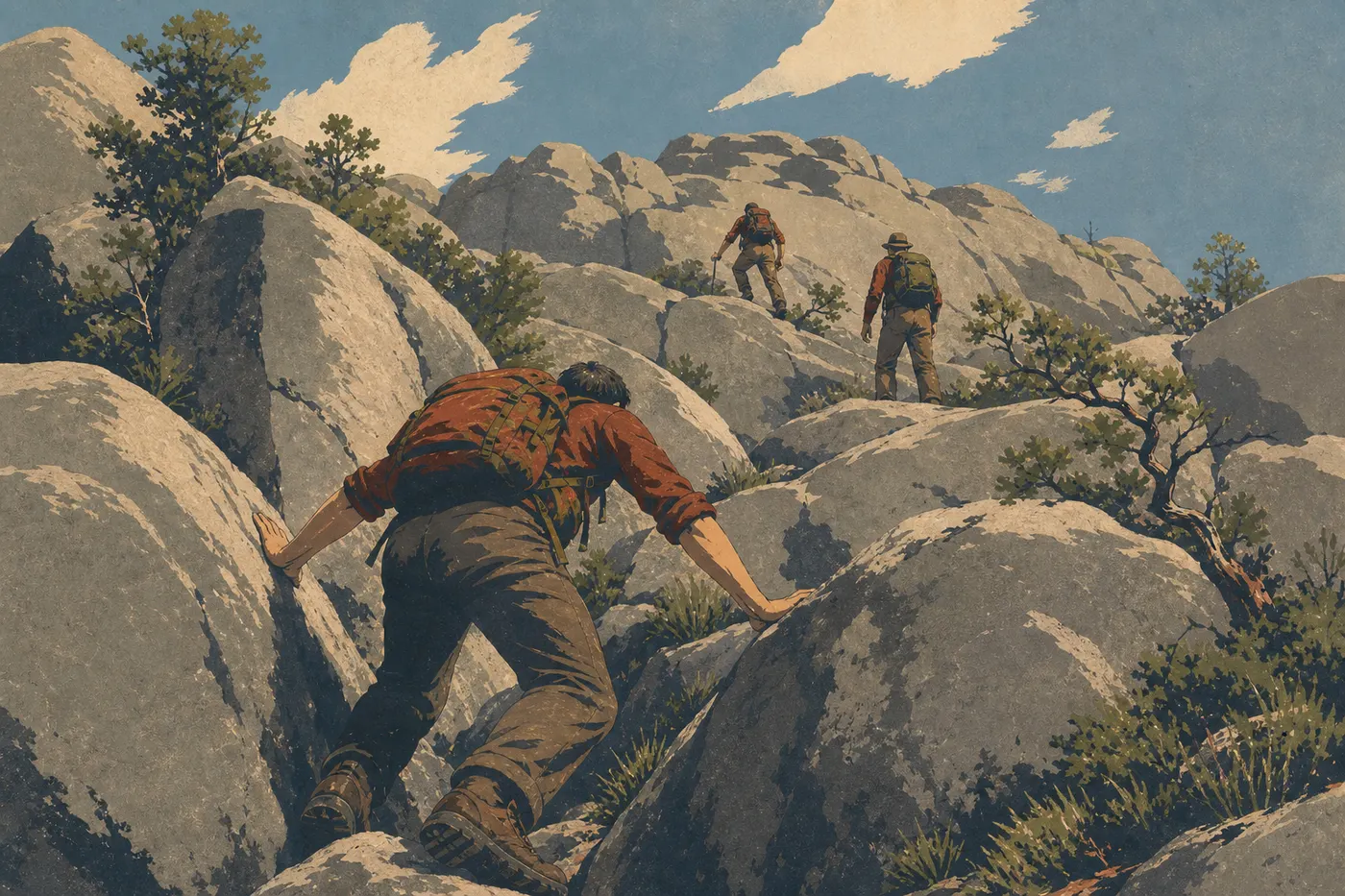
You access Old Rag from a separate entrance at the foot of the mountain, without using Skyline Drive. Allow about an hour by car from Big Meadows.
The Old Rag loop, about 9.3 miles, is one of the best-known hikes in the eastern United States. The distinctive feature is the final stretch before the summit, at 3,291 feet. It follows a granite route where you'll scramble on all fours, using your hands to climb over huge boulders. This scrambling is manageable for people in good physical condition, but it's not recommended for young children or anyone prone to vertigo.
A reservation is required from April through November. A timed entry system limits the number of hikers each day. Check the rules and reserve your time slot in advance on the park website. The summit offers an unobstructed view of the Virginia countryside and the park's ridges. In good weather, it's the most memorable experience Shenandoah has to offer.
Shenandoah's Best Hikes
With more than 500 miles of marked trails, including about 100 miles of the Appalachian Trail as it crosses the park from north to south, Shenandoah is serious hiking country. You can choose anything from a flat 30-minute trail to a multiday backpacking traverse.
For a first visit, keep these in mind: Dark Hollow Falls for a waterfall and an easy outing, Stony Man Summit for a view and an intermediate hike, Hawksbill Summit for the high point and a more demanding climb, Blackrock Summit for an easy 360-degree view, and Old Rag Mountain for a technical loop with scrambling and a reservation required outside winter.
For full descriptions, including exact distance, elevation gain, estimated time, and actual difficulty, the Shenandoah hiking guide covers every trail in the park.
Other Activities by Interest
Wildlife Watching
Shenandoah is home to a large population of American black bears, and sightings along roadsides and in open meadows are common, especially in spring and fall. The safety rule is simple. Stay at least 165 feet away, never feed them, and never run. If you have a close encounter on a trail, speak loudly, make yourself look bigger by raising your arms, and back away slowly without taking your eyes off the animal.
White-tailed deer are everywhere. You'll often see them along Skyline Drive at daybreak. Wild turkeys roam the forest edges and open meadows. To spot peregrine falcons, watch the rocky cliffs in the central section.
The Shenandoah wildlife guide covers the species found here and the best viewing spots by season.
Astronomy and Night Photography
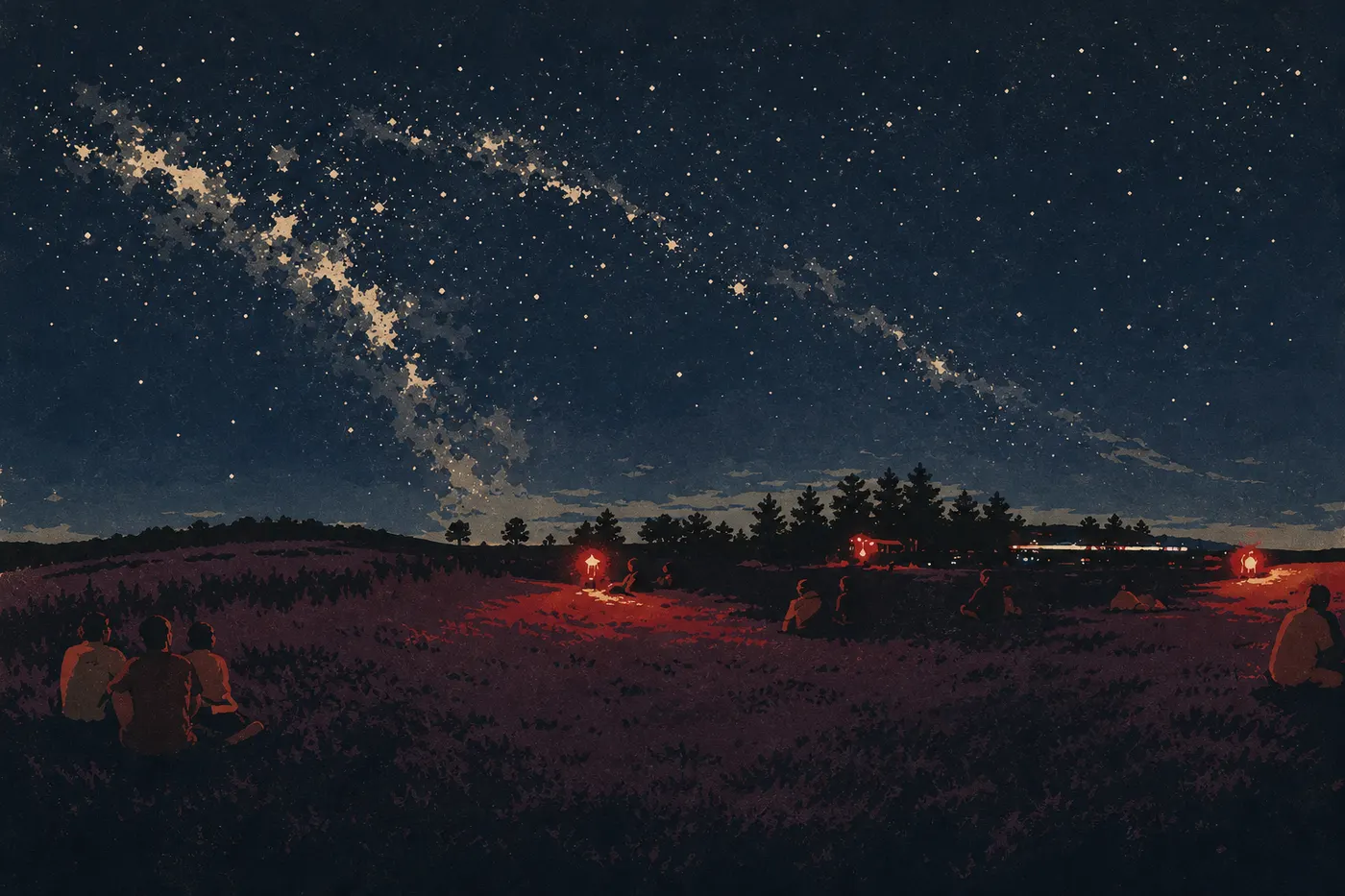
The low population density around the park creates fairly dark skies for astronomy, especially in the central and southern sections. On a clear night, you can see the Milky Way from several overlooks far from the entrances. Big Meadows and Blackrock Summit are popular with night-sky photographers.
Summer nights are often cloudy or foggy. Check the forecast in advance and bring a red-light headlamp to protect your night vision.
Cycling on Skyline Drive
Cyclists can ride the full length of Skyline Drive, 106 miles, or tackle it in sections. The 35 mph speed limit makes sharing the road with bikes easier, but the pavement is narrow and traffic can be heavy on fall weekends during peak foliage. We strongly advise against riding there on those days.
The Appalachian Trail and a few secondary trails allow mountain biking on marked sections. Check the signs on site before leaving the approved routes because the rules vary by area.
Trout Fishing

Dozens of streams run through the park, and several are open to trout fishing. A Virginia fishing license is required. Some areas enforce strict catch-and-release rules. Fly-fishing is the best fit for Shenandoah's narrow, fast-moving streams. Check with rangers or on the park website for open areas and current restrictions.
Family Activities
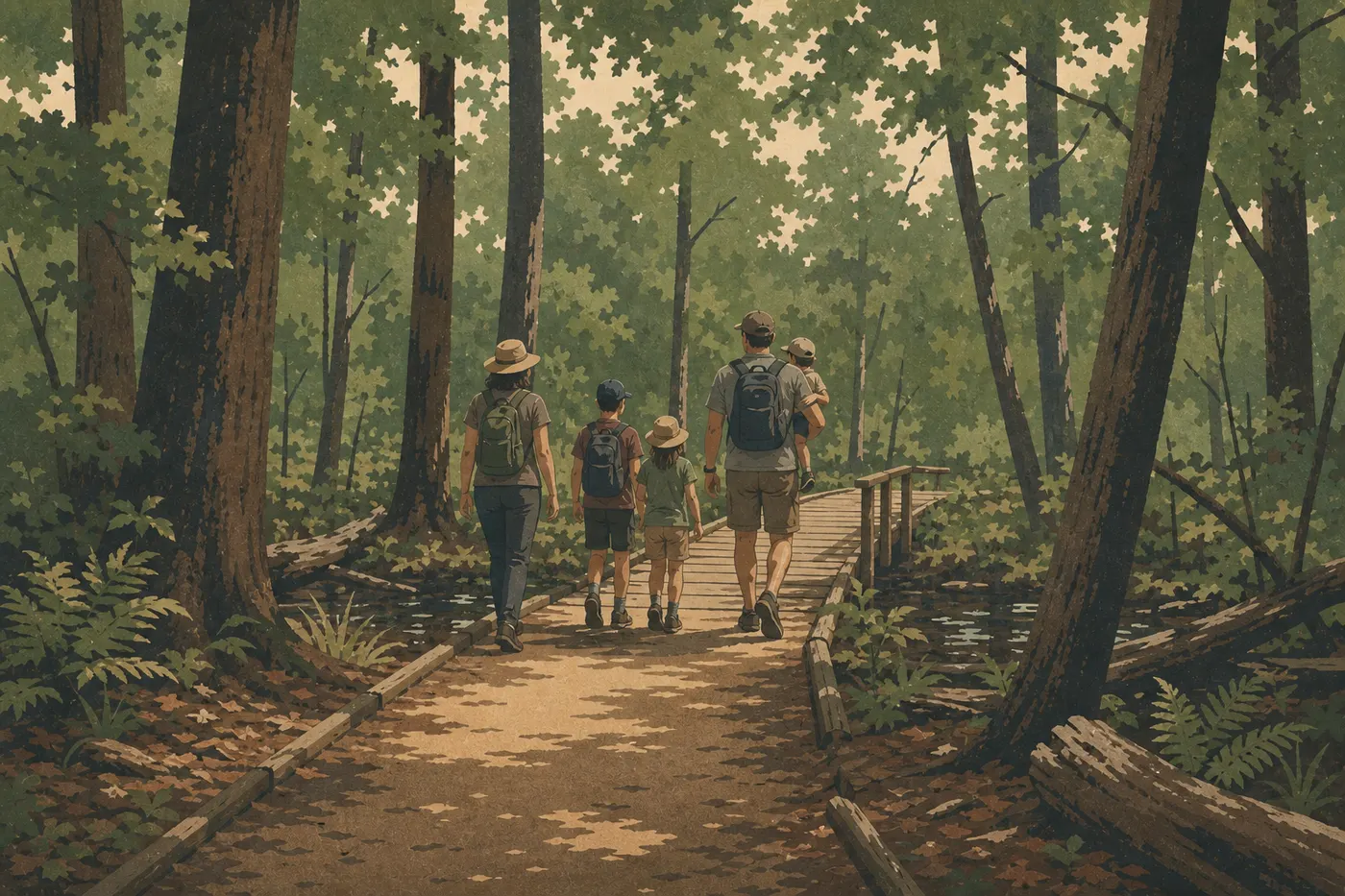
The Junior Ranger program, with a free booklet available at the visitor center, gives kids age-appropriate activities throughout the visit. The flat trails around Dickey Ridge in the northern section and Story of the Forest Trail at Big Meadows work well for younger children. Dark Hollow Falls is a concrete, motivating goal for kids ages 6 and up. Visiting Shenandoah with kids brings together practical advice for planning a trip with children, including the best lodging options in the lodging guide.
Things to Do Around Shenandoah
The northern entrance at Front Royal is about 81 miles from Washington, D.C., or 1.5 to 2 hours depending on traffic. For many visitors, Shenandoah is the nature stop on an East Coast itinerary that also includes the capital, Richmond, or Charlottesville.
The Shenandoah Valley is worth exploring beyond the park. Luray is home to Luray Caverns, a limestone cave system with remarkable stalactites that's very popular with families. Staunton is a historic town with well-preserved Victorian architecture. These two stops are natural additions to a park visit.
Heading south, Rockfish Gap gives you access to the Blue Ridge Parkway, a 466-mile scenic road that runs all the way to Great Smoky Mountains National Park in North Carolina. It's one of the most popular road trips in the eastern United States. For the next leg of a southbound journey, Road Trips and Regions offer ideas for putting this route together.
The Essentials: What to See First in Shenandoah
If time is tight, here's what we'd prioritize. Drive the central section of Skyline Drive between Big Meadows and Skyland. It has the best concentration of overlooks and the widest variety of hikes. Hike down to Dark Hollow Falls, which takes an hour round-trip from the parking area. Park at Big Meadows at dusk and wait patiently. The deer and bears usually show up before long. If you have a full day, climb Hawksbill Summit or reserve Old Rag Mountain in advance.
Shenandoah is worth the trip from the East Coast. This isn't a park known for spectacular geology. That's exactly the point. You get preserved, accessible Appalachian nature two hours from D.C., with abundant wildlife and trails for every ability level.
Frequently Asked Questions
What is there to do in Shenandoah?
In Shenandoah, you can drive Skyline Drive, with 106 miles of panoramic ridges and 75 overlooks, hike more than 500 miles of marked trails, watch black bears and deer in the meadows, fish for trout in mountain streams, and take night photographs from the overlooks. Hiking is still the central activity, complemented by the scenic drive and wildlife watching.
How long do you need to visit Shenandoah?
Two days cover the highlights: Skyline Drive, Dark Hollow Falls, and Big Meadows. Three to four days let you add Old Rag Mountain, which takes a full day, and explore the southern section. Our Itineraries and Trip Length page offers detailed plans based on how much time you have.
Is Shenandoah worth visiting?
Shenandoah is worth the trip, especially from the East Coast. Less than two hours from Washington, D.C., the park offers preserved Appalachian nature, open views from the ridges, and wildlife that's easy to spot without a long approach hike. This isn't a park known for spectacular geology, but it has a distinct identity and a solid range of activities for its size.
What are the must-do activities in Shenandoah?
The highlights are Skyline Drive and its overlooks across the valley, Dark Hollow Falls, Big Meadows for wildlife watching at dusk, Hawksbill Summit, the park's high point at 4,049 feet, and Old Rag Mountain for experienced hikers, with reservations required from April through November.
Which hike should you do in Shenandoah?
For beginners, try Dark Hollow Falls or Story of the Forest Trail at Big Meadows. For an intermediate hike, choose Stony Man Summit or Blackrock Summit. Experienced hikers can tackle Hawksbill Summit or Old Rag Mountain, with granite scrambling and a reservation required outside winter. Our Hiking page gives the distance, elevation gain, and actual difficulty for every trail.
Do you need a reservation to visit Shenandoah?
The park doesn't require a reservation to enter by car. However, Old Rag Mountain requires a timed entry ticket from April through November, which you must obtain in advance. Campgrounds and lodges, including Skyland Lodge and Big Meadows Lodge, book up early, especially during fall foliage season. Full details are available on the park website.