
When to Visit Shenandoah: Best Seasons and Month-by-Month Guide
The best times to visit Shenandoah are May to early June and mid-September to mid-October. Spring brings a forest coming to life, swollen waterfalls, and mild temperatures (50 to 68°F along the ridge) without the summer crowds. Fall delivers the East Coast's most spectacular foliage, with maples, oaks, and tulip poplars ablaze. Outside those two windows, summer is beautiful but hot, humid, and busy; winter is stunning and solitary, though roads may close at times.
The park stretches 105 miles along Virginia's Blue Ridge Mountains, less than two hours from Washington, D.C. That length affects local conditions: the north and south do not always share the same skies, and the ridge is consistently 9 to 11°F cooler than the valleys below. Always check the forecast for the entrance you're using before you set out.
Shenandoah's Climate Month by Month
Shenandoah has a four-season mountain continental climate. The table below gives typical conditions at elevation (along Skyline Drive, around 3,000 to 3,600 feet); the valleys are noticeably warmer. For week-by-week forecasts, the park's weather forecast includes real-time updates.
| Month | Low (ridge) | High (ridge) | Precip. | What to expect |
|---|---|---|---|---|
| January | 21°F | 37°F | ~3.5 in | Snow, Skyline Drive intermittently closed |
| February | 23°F | 41°F | ~3.3 in | Freezing rain, snow-covered trails at elevation |
| March | 32°F | 48°F | ~3.7 in | Gradual thaw, muddy trails |
| April | 41°F | 59°F | ~3.5 in | Flowering dogwoods, nighttime freezes still possible |
| May | 50°F | 68°F | ~3.9 in | Ideal: budding forest, mild temperatures |
| June | 57°F | 77°F | ~4.3 in | Start of the summer crowds |
| July | 63°F | 82°F | ~4.7 in | High heat and humidity, afternoon thunderstorms |
| August | 61°F | 81°F | ~4.3 in | Similar summer conditions, views often hazy |
| September | 54°F | 73°F | ~3.7 in | First high-elevation colors by mid-September |
| October | 43°F | 61°F | ~3.1 in | Peak foliage (second to third week), very busy |
| November | 34°F | 48°F | ~3.1 in | Leaves down, long views, crowds gone |
| December | 25°F | 39°F | ~3.3 in | Winter settled in, risk of snow and ice |
Shenandoah in January
The ridge is bitterly cold (from 21°F at night to 37°F during the day), and snow is common at elevation. Skyline Drive closes without warning whenever ice makes it dangerous, so check the NPS website before you leave. The park's lodges and most visitor centers are closed or operating on very limited hours. In return, you'll have the park almost to yourself: bare forests open views over valleys that summer completely hides, and foot access remains allowed even when the road is closed.
Shenandoah in February
Conditions are much like January, with a sometimes higher risk of ice during early-month freeze-thaw cycles. High-elevation trails remain snowy or icy, and traction cleats are strongly recommended. Crowds are at their lowest of the year. Clear nights offer exceptional stargazing from the ridge, with virtually no light pollution.
Shenandoah in March
The thaw begins gradually. High-elevation trails remain muddy and slippery through mid-March, and sometimes until late March after a snowy winter. Waterfalls reach their highest flows thanks to melting snow and the first rains. Overall Run Falls and Dark Hollow Falls are especially worth the trip. Services begin reopening toward the end of the month. Crowds remain light, making this a good month for anyone willing to accept unpredictable conditions.
Shenandoah in April
Dogwoods bloom on the middle slopes starting in mid-April, creating splashes of white and pink in a forest that is still lightly leafed out. Temperatures range from 41 to 59°F along the ridge, cool in the morning but comfortable during the day. Nighttime freezes are still possible at elevation, so bring a fleece layer. Crowds build gradually toward the end of the month, especially on weekends, but remain well below summer levels.
Shenandoah in May
May is one of the year's two best windows. The forest is budding, wild azaleas follow the dogwoods, and temperatures (50 to 68°F along the ridge) make hiking comfortable without the heat. Bears emerge from hibernation and are active. Stay 165 feet away and secure your food in a bear-resistant container. Fawns are born from May through June. If you come across one alone beside the trail, leave it alone; its mother is always nearby.
Shenandoah in June
Summer arrives with its share of visitors. The forest is lush, and overlooks offer beautiful views when the skies are clear. But heat and humidity rise quickly, with temperatures around 57 to 77°F along the ridge and much warmer in the valleys. Afternoon thunderstorms often arrive without warning, so plan your hikes for the morning and get off the ridges before 2 p.m. Skyland and Big Meadows lodges operate at full capacity, so book several weeks ahead.
Shenandoah in July
July is the hottest and busiest month. Parking lots at popular overlooks fill by 9 a.m. on weekends, and traffic on Skyline Drive slows noticeably. Temperatures regularly top 77°F along the ridge, with high humidity; in the valleys, the heat index can exceed 86°F. Afternoon thunderstorms are frequent and sometimes severe, so leave the ridges before 2 p.m. without exception. Come on a weekday or set out before 8 a.m. to find parking.
Shenandoah in August
August is much like July: hot, humid, and often hazy around midday. Creeks and pools at the base of waterfalls are more pleasant in hot weather than ridges exposed to the sun. Crowds remain very heavy. The first cool nights appear at the very end of the month, an early sign of the transition to fall.
Shenandoah in September
September is the main transition window. Temperatures fall to around 54 to 73°F along the ridge, thunderstorms become less frequent, and the first colors appear at elevation by mid-September. Weekday crowds drop noticeably while weekends remain busy. This is the best balance of fall conditions and manageable crowds, an excellent choice for hikers who missed May.
Shenandoah in October
October is Shenandoah's signature season. Peak foliage usually arrives during the second or third week, with maples, oaks, and tulip poplars turning from bright yellow to orange-red. It is also the busiest time of year: overlook parking lots fill by 8 a.m. on Saturdays and Sundays. Bears, in their pre-winter feeding phase, are more active in berry-rich areas. Come on a weekday if you want to enjoy the colors in peace.
Shenandoah in November
Leaves fall quickly after November 10, but the long views opening again over the valleys have a spare beauty that summer cannot offer. Crowds drop sharply, and outside lodging is much cheaper. The park's lodges, including Skyland and Big Meadows, close during the month, so check dates on the NPS website. Nighttime freezes at elevation become common by mid-November.
Shenandoah in December
Winter settles in fully. The park's lodges are closed, visitor centers operate on very limited hours, and Skyline Drive is subject to emergency closures with the first snow. For well-equipped hikers, frosted and snow-covered landscapes offer a rare beauty that very few visitors experience. Be sure to check road conditions on the NPS website before setting out, and prepare for winter conditions at elevation.
Shenandoah Season by Season
Winter (December to February)
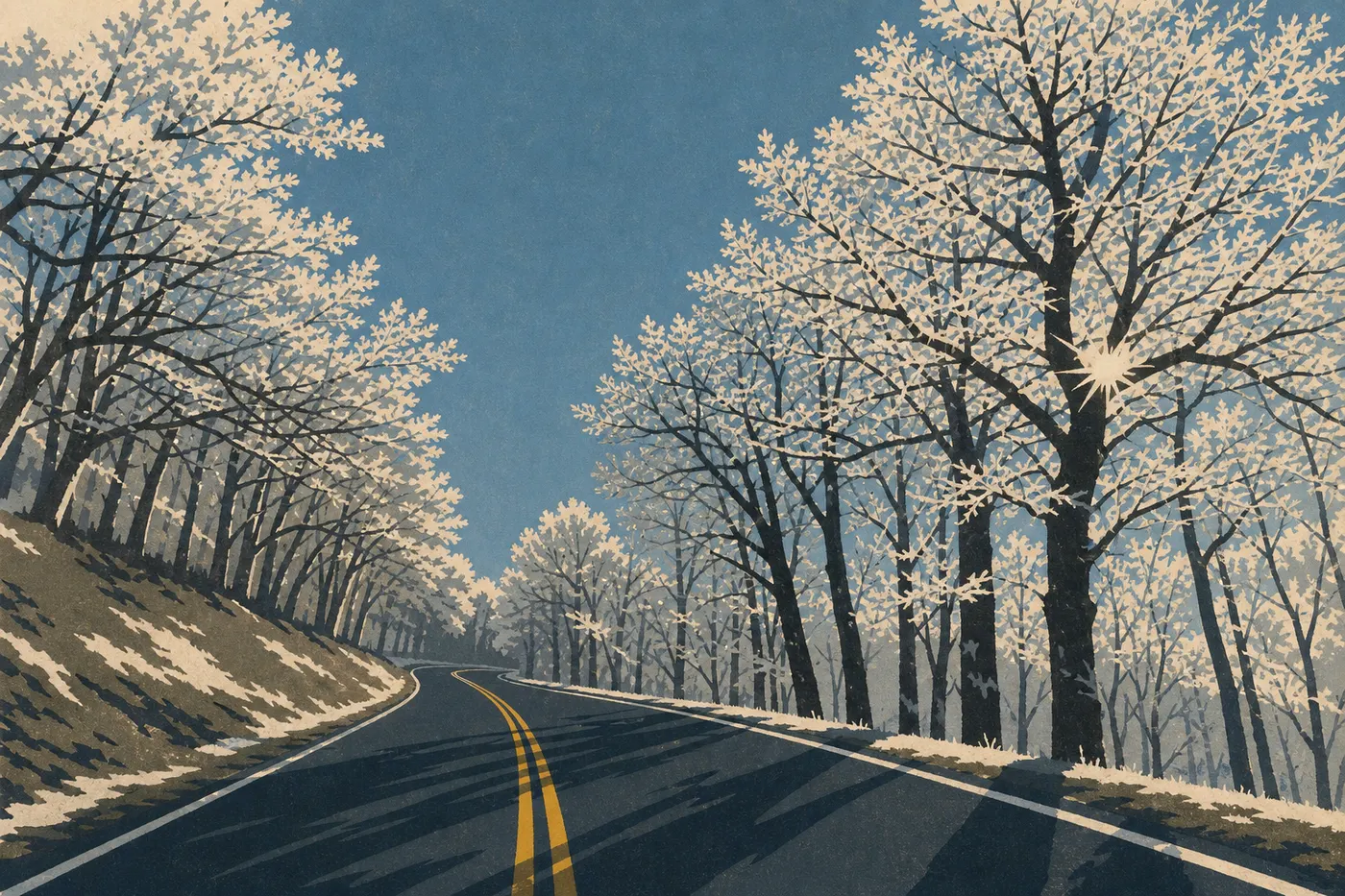
Winter is the season for determined hikers and solitude seekers. The Skyline Drive ridge can register well below freezing during cold snaps, and the road closes whenever ice makes it dangerous, so check the NPS website before driving in. Foot access to the park remains allowed even when Skyline Drive is closed, something few visitors realize.
Bare forests open panoramas you never see in summer. Black bears are hibernating, but white-tailed deer remain visible along the edges of the forest at sunrise. If you're hiking in winter conditions, bring traction cleats for icy trails and tell someone your route: hypothermia can set in quickly at elevation. Stargazing is exceptional, with almost no light pollution.
Spring (March to May)
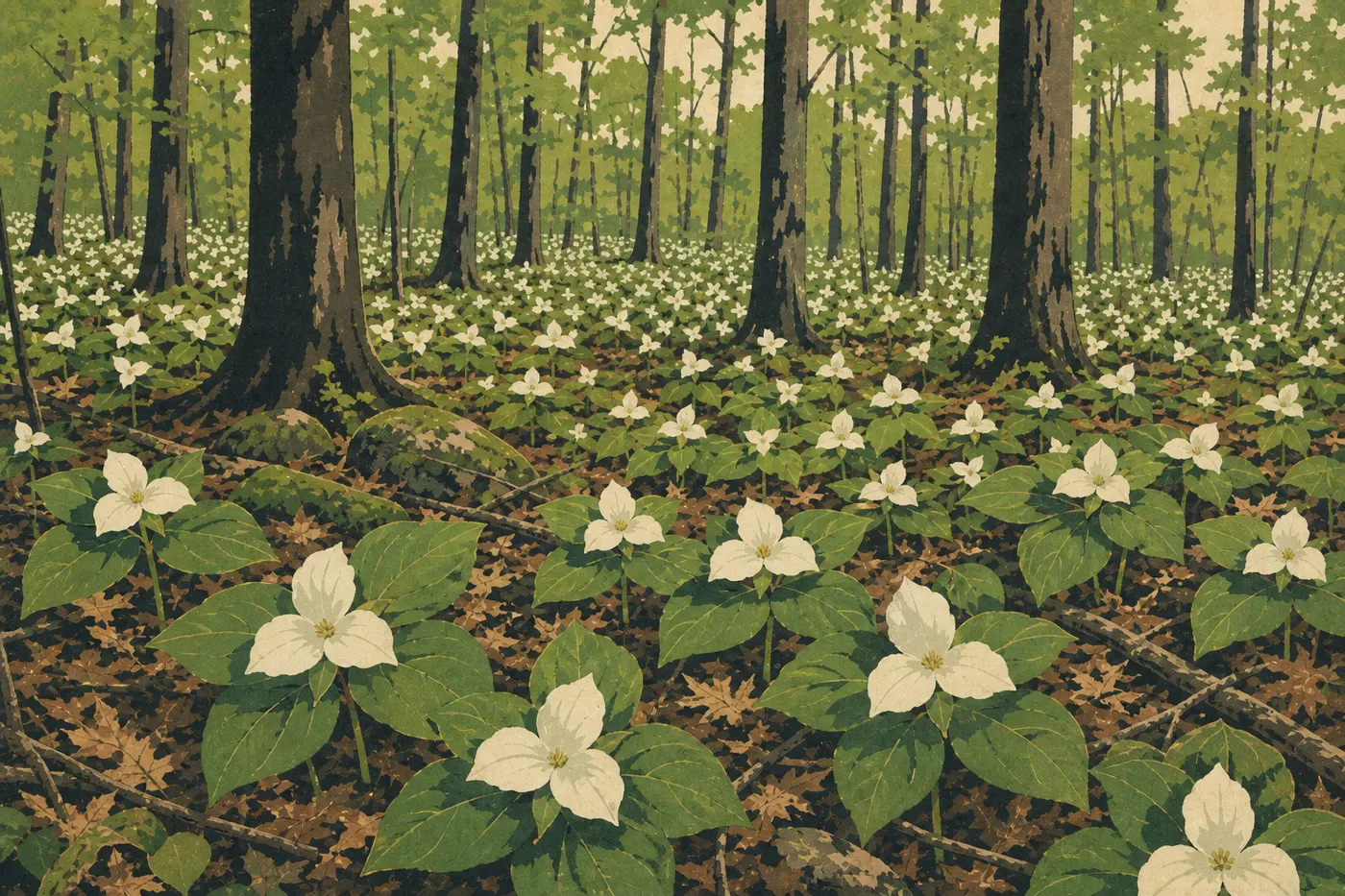
Spring is one of the two major windows you should not miss. Dogwoods bloom as early as April on the middle slopes, followed by wild azaleas in May. Waterfalls reach their highest flows after the March rains. Overall Run Falls, the park's highest waterfall, and Dark Hollow Falls are especially worth visiting at this time of year.
In May, ridge temperatures hover around 50 to 68°F, ideal for hiking without the heat. As for wildlife, bears emerge from hibernation as early as March or April. Stay at least 165 feet away, secure your food in a bear-resistant container, and never feed wildlife. Fawns are born from May through June. If you see one alone beside the trail, leave it alone. Its mother is always nearby.
Keep in mind that March and early April can still bring nighttime freezes and partially snow-covered trails at elevation. Layers are essential.
Summer (June to August)
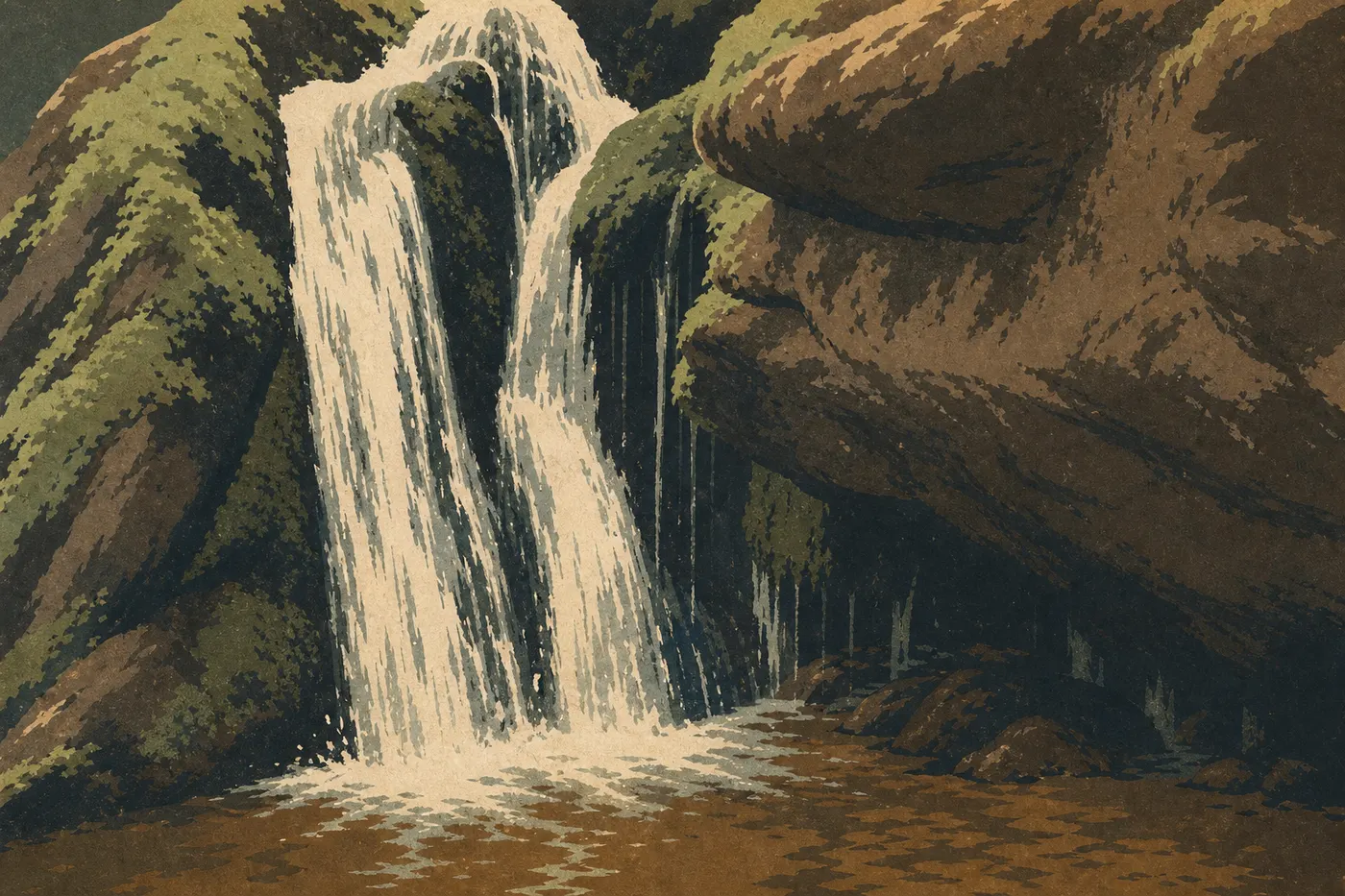
Summer is peak season, and you feel it in every parking lot. The forest is deep green, and views from the overlooks are beautiful when the heat haze does not hide them. Expect 77 to 82°F in the valleys, with an even higher heat index in July. The ridge is more comfortable, but afternoon thunderstorms often arrive without warning. Leave the ridges and summits before 2 p.m.; at the first sign of a storm, descend immediately.
The speed limit on Skyline Drive is 35 mph, and weekend traffic in July and August can seriously slow your progress. Come on a weekday or before 8 a.m. if you still want to find a spot in the parking lots at popular overlooks.
Fall (September to November)
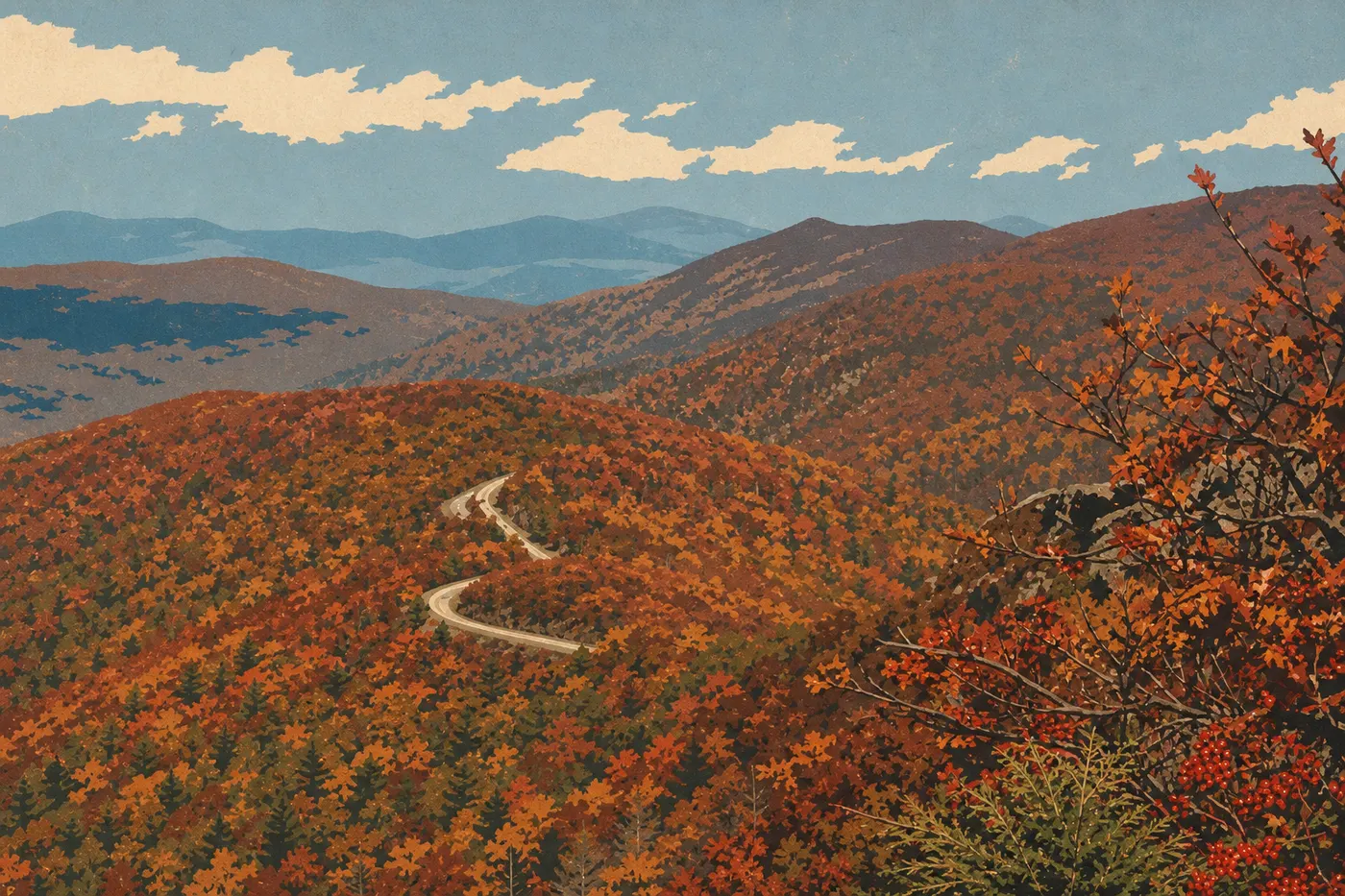
Fall is Shenandoah's signature season. Foliage moves from the ridge toward the valleys and from north to south. The first colors appear at elevation by mid-September, and peak usually arrives during the second or third week of October. Maples, oaks, and tulip poplars turn from bright yellow to deep orange-red. It is beautiful, and it is also the busiest time of year.
In October, bears enter hyperphagia, their pre-winter feeding phase. Encounters on trails near berry-rich areas are more common than in other seasons. Stay alert and make your presence known by speaking out loud. The deer rut also begins in October. Bucks are less wary and less predictable than at other times of year.
In November, leaves fall quickly after the 10th. The atmosphere becomes spare, long views reopen over the valleys, and crowds drop sharply. It is a pleasant surprise for anyone arriving at the very end of the season.
Crowds: When to Avoid the Crowds in Shenandoah
Shenandoah's proximity to Washington, D.C. (1.5 to 2 hours from the Beltway) makes it one of the most visited national parks on the East Coast. The north entrance at Front Royal and the south entrance at Rockfish Gap are both within weekend driving distance for millions of residents.
| Period | Crowd level | What it means in practice |
|---|---|---|
| Mid-October (foliage) | Very high | Parking lots full by 8 a.m., lines at overlooks |
| July-August, weekends | Very high | Slow traffic on Skyline Drive, crowded campgrounds |
| May-June | High | Weekdays are much quieter than weekends |
| September | Moderate | Good window: cooler weather, emerging colors |
| November | Low | Crowds gone, long views unobstructed |
| January-February | Very low | Solitude guaranteed, winter conditions |
Our advice is simple: if you're aiming for October foliage, plan a weekday stay. Parking lots at Stony Man, Thorofare Mountain, and Hogback overlooks fill well before 9 a.m. on Saturdays and Sundays in mid-October, often before the light is good for photography.
The Best Time to Visit on a Budget
Lodging around the park (Luray, Front Royal, Waynesboro, and Elkton) closely follows the crowd curve.
July-August and mid-October: peak rates. The park's lodges, Skyland and Big Meadows Lodge, fill up several weeks ahead. Book as soon as the calendars open, often several months in advance.
November, December, and January through March: prices drop by 30 to 50 percent, depending on the property. Skyland and Big Meadows close for winter, but motels and bed-and-breakfasts in gateway towns offer much more affordable off-season rates.
May and September offer the best value: favorable weather, moderate crowds, and midrange rates. The Shenandoah lodging guide covers every option, from camping to lodges. For entrance fees and national pass options, the Fees & Passes page provides the key information on admission and passes.
The Best Time for Your Interests
- Fall foliage: mid-September to mid-October, on weekdays if possible. The Things to Do in Shenandoah guide lists the best overlooks and trails for viewing the colors.
- Cool-weather hiking: May-June or September. Ideal temperatures and dry trails. The Shenandoah hiking guide offers routes organized by difficulty and duration.
- Wildlife viewing: May (bears emerging from hibernation and fawns being born) or October (the deer rut and bears in hyperphagia). The Shenandoah wildlife guide details the species to look for and the most productive areas.
- Families with children: June or early September. Waterfalls are still flowing well, and temperatures are manageable along the ridge. The Shenandoah family guide lists trails suitable for children under 10.
- Tight budget: November or March. Cheaper lodging, an open park, and few crowds.
- Total solitude: January-February. Prepare for winter conditions; you may have the park almost to yourself.
- Landscape photography: mid-October for fall colors, or the day after a snowfall for frosted landscapes. The park map pinpoints the best viewpoints.
Whatever window you choose, plan on at least two days to see Shenandoah properly. The Itinerary guide offers one- to four-day plans based on your pace and starting point.
In Summary: Choose Your Shenandoah Season
Shenandoah has no bad season, only different personalities.
May-June: budding forest, swollen waterfalls, and comfortable temperatures. The best window for hikers who want to avoid heat and crowds.
Mid-October: spectacular foliage, shared with plenty of other visitors. Come on a weekday to enjoy it in peace.
November and winter: long views, nearly empty trails, and sometimes demanding conditions. Best for independent, well-equipped visitors.
Summer: lush and lively, as long as you get up early and can handle the humidity.
The complete Shenandoah guide gives you an overview of the park if you're just starting your research.
The Worst Time to Visit Shenandoah
July and August weekends combine every drawback: high heat and humidity, parking lots full by midmorning, slow traffic on Skyline Drive, and heat haze that often erases the panoramas you came to see. Mosquitoes and black flies are active in damp, wooded areas, especially in the evening. If summer is your only option, book campgrounds and lodges several weeks ahead and hit the road before dawn to make the most of the day.
October foliage may be spectacular, but it comes with a tradeoff. The second and third weeks draw crowds comparable to July: parking is nearly impossible by 8 a.m. on Saturdays, lines form at the most popular overlooks, and the atmosphere is far removed from the quiet contemplation most people expect from a natural park. A midweek stay radically changes the experience. Finally, March and early April can disappoint hikers who are not prepared for muddy trails, services that are still closed or operating on reduced hours, and unstable weather alternating between leftover snow and cold rain.
Frequently Asked Questions
What is the best time to visit Shenandoah National Park?
The best time to visit Shenandoah is mid-September to mid-October for fall foliage, or May to early June for spring blooms and moderate crowds. Summer is beautiful but hot, humid, and busy; winter offers solitude at the cost of occasional road closures.
When is the best time to drive Skyline Drive?
The best time to drive Skyline Drive is the second or third week of October for fall foliage, or May when the forest is coming to life. In July and August, heat haze often limits panoramic views and traffic slows down stops. Allow one to two hours to drive from one end of the park to the other, including stops.
Is Shenandoah National Park worth visiting?
Yes, Shenandoah is well worth the trip, especially from the East Coast. Its less-than-two-hour drive from Washington, D.C. makes it an exceptional national park within easy weekend reach. October foliage and Skyline Drive panoramas rank among the finest in Virginia.
Can you visit Shenandoah in winter?
Yes, the park is open year-round, but winter conditions require good preparation. Skyline Drive closes without warning in ice or snow, so check road conditions on the NPS website before you leave. The park's lodges (Skyland and Big Meadows) are closed roughly from November through April, but foot access remains allowed even when the road is closed. Bare forests then offer panoramas that summer completely hides.
What is the least crowded month in Shenandoah?
January and February are the least crowded months, with almost no visitors. November is the best alternative for travelers who want quiet without winter's constraints: conditions are milder, the park operates normally, and outside lodging is much cheaper than during peak season.
What is the climate like in Shenandoah?
Shenandoah has a mountain continental climate with four distinct seasons. Summers are hot and humid in the valleys (77 to 82°F), while the ridge stays 9 to 11°F cooler. Winters bring snow and freezes to the high country. Spring and fall offer the most comfortable hiking conditions.
What is the best time to visit the American West?
The best time to visit the American West depends on which parks you plan to see. Spring (April-June) works for most destinations, while fall (September-October) is especially pleasant on the Colorado Plateau. Our regional guides cover the West's major destinations by geographic area.
What is the best time to visit Virginia?
The best time to visit Virginia is spring (April-May, for blooms) or fall (September-October, for foliage in the Blue Ridge Mountains). Summer is popular statewide but hot and humid; winter remains mild along the coast and more severe in the mountains.