
What to Do in Canyonlands: Top Sights and Activities
Canyonlands National Park is divided into four districts carved from Utah's red sandstone by the Green River and the Colorado River, with no roads connecting them inside the park. For a first visit, keep three must-sees in mind: Mesa Arch in Island in the Sky, best at sunrise; Grand View Point, for a 100-mile panorama over the bends of both rivers; and, if you've got an extra day, the Great Gallery in Horseshoe Canyon, a rock art panel that ranks among the most impressive in the American West. If you've only got half a day, focus on Island in the Sky, 40 minutes from Moab. The overlooks are easy to reach by car, and the short trails stay under 1.2 miles.
Canyonlands at a Glance: Districts, Access, and Getting Around
The park is divided into four distinct districts. To get from one to another, you'll have to leave via the main road. No interior road connects them. Plan each district as a separate outing, with water, fuel, and food in the vehicle.
Island in the Sky (north) is about 40 minutes from Moab via UT 313. It's the busiest district. Expect paved roads, a visitor center, and overlooks accessible in ordinary vehicles.
The Needles (southeast) is about 2.5 hours from Moab. The landscape changes dramatically here. Red-and-white-striped sandstone spires surround a backcountry made for hikers.
The Maze (west) is accessible only by high-clearance 4WD vehicle, using unpaved roads. Plan on several days. This is one of the most remote districts in the entire national park system.
Horseshoe Canyon (a detached unit in the northwest) is about 3.5 hours from Moab. People come here for one reason: the Great Gallery. A 4WD or high-clearance vehicle is recommended for the 6.2-mile access road.
For real-time road conditions and entrance information, the Canyonlands access guide brings together everything you need to check before you leave.
How Much Time Do You Need to Visit Canyonlands?
Two days let you cover Island in the Sky properly and add a day in The Needles. You'll need three to four days if you want to reach Horseshoe Canyon or The Maze.
Half a day from Moab is enough for a quick visit to Island in the Sky. It's short, but doable if you arrive early. Day-by-day itineraries, from half-day visits to five-night backcountry stays, are available in the Canyonlands itinerary guide.
Canyonlands Highlights by District
Island in the Sky: Overlooks Above the Void
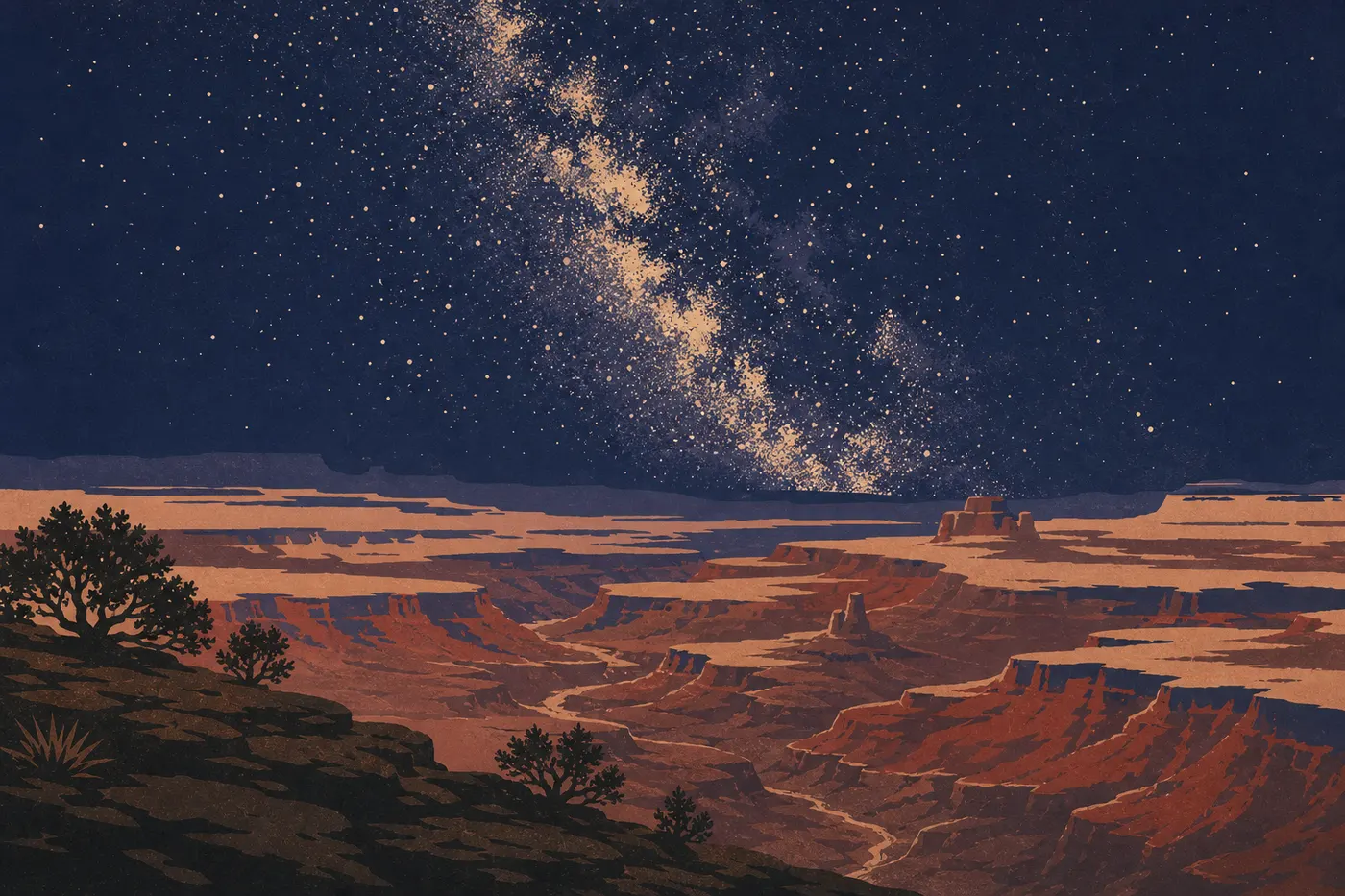
Island in the Sky is a mesa perched about 1,970 feet above the rivers. Easy-to-reach overlooks line a paved road, making this the best district for a first visit or a tight schedule.
Mesa Arch is the park's signature view. The natural arch frames the canyons and the Colorado River below, with the La Sal Mountains in the background on a clear day. Arrive before sunrise to watch the low light turn the arch a vivid orange, and to beat the crowds that start arriving around 7:30 a.m. The trail is less than 0.6 miles and doesn't involve any technical difficulty.
Grand View Point offers the district's broadest panorama, with up to 100 miles of visibility on a clear day and the confluence of the Colorado River and the Green River below. The Grand View Point Trail runs 2.8 miles round-trip along the cliff edge with no guardrails. Keep young children close and stay on the marked trail. Allow 1.5 to 2 hours for a relaxed walk.
Green River Overlook often gets overlooked in favor of the two sites above. That's a mistake. The Green River's perfect curve, seen from this overlook, makes for an uncommon photographic composition, and the parking area is far less crowded. It's a worthwhile stop on the way back.
Shafer Canyon Overlook makes an impression as soon as you enter the park. The overlook immediately shows you the scale of the mesa and the switchbacks of Shafer Trail Road, a 4WD road that drops 1,970 feet in a series of dizzyingly tight turns.
Upheaval Dome is the park's geological oddity. This circular structure, 2.9 miles across, may have resulted from a meteorite impact or a collapsed salt dome. The scientific debate is still open. Two viewpoints are accessible on foot from the parking area. The second, 1 mile one-way, offers the best perspective on the entire structure. Allow 1.5 hours for the round trip.
Buck Canyon Overlook rounds out the circuit. It offers an unobstructed view of the canyons, with The Needles in the far distance. It's usually quiet and quick to reach from the main road.
The Needles: Colorful Backcountry
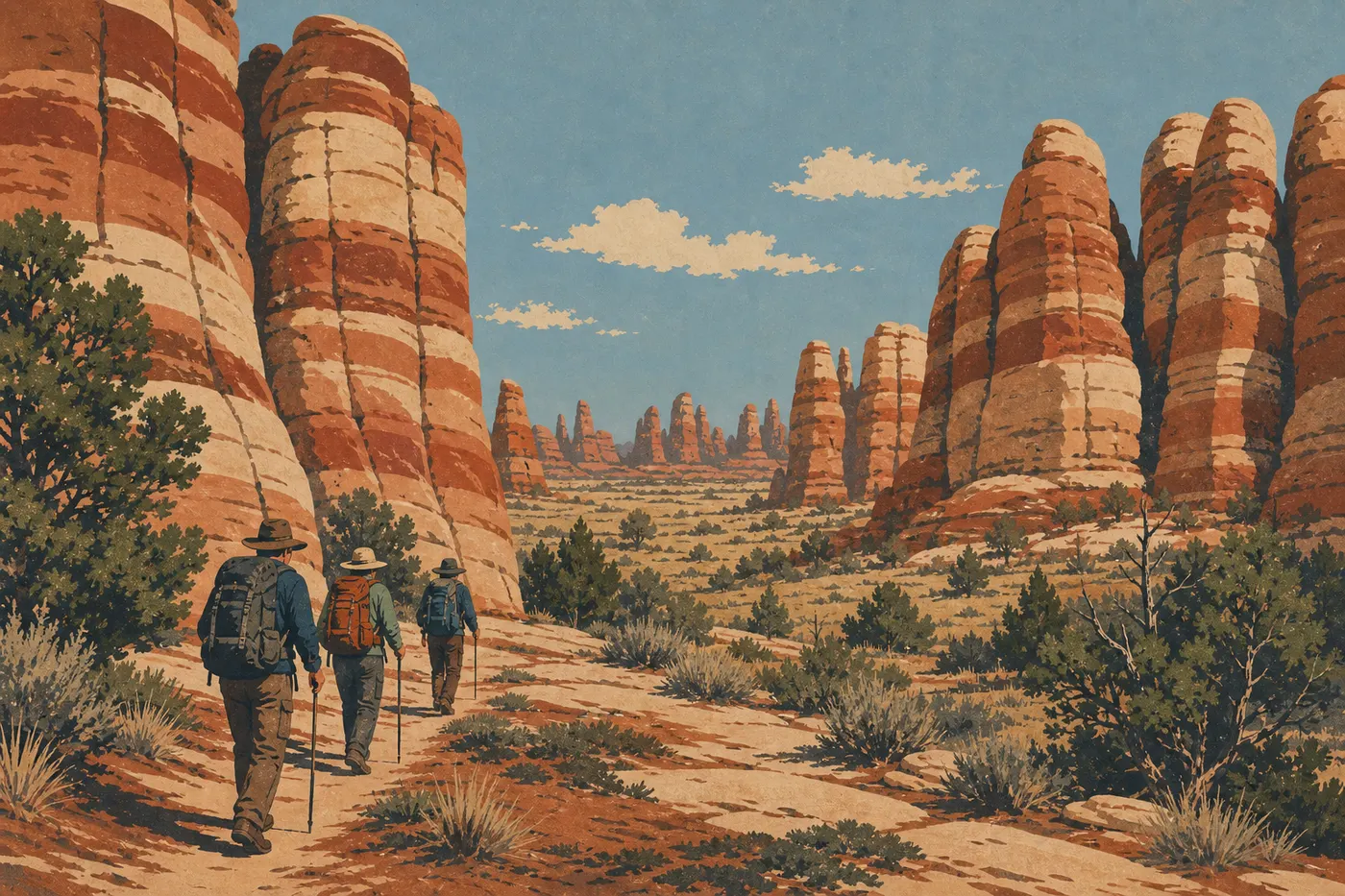
The Needles is the ideal district for anyone ready to leave the car behind and head deeper into the park. Red-and-white-striped sandstone spires form a natural maze that you can explore on foot or by 4WD on backcountry roads.
Newspaper Rock isn't technically inside the park. This rock panel on UT 211, about 15.5 miles before the entrance to The Needles, is covered with Native American petroglyphs accumulated over nearly 2,000 years. Entry is free, and the stop takes 15 to 20 minutes. You won't miss it on the way in.
Pothole Point Trail (2 miles round-trip) crosses a sandstone surface filled with potholes, natural basins that collect rainwater and shelter small, temporary aquatic ecosystems. After heavy rain, you may see fairy shrimp and amphibians. It's an easy trail with no shade.
Chesler Park is The Needles' crown jewel, reserved for hikers ready to walk 6.2 to 9.3 miles, depending on the loop you choose. Chesler Prairie, encircled by sandstone spires, is a sight few Utah parks can match. The Joint Trail, a crack so narrow that you sometimes have to turn sideways to pass through, is one of the most unusual hikes in the entire American West.
For your first day in The Needles, plan on at least 3 liters of water per person in hot weather and a reasonable level of fitness. There is no water available on the trails.
Horseshoe Canyon: Great Rock Art Panels
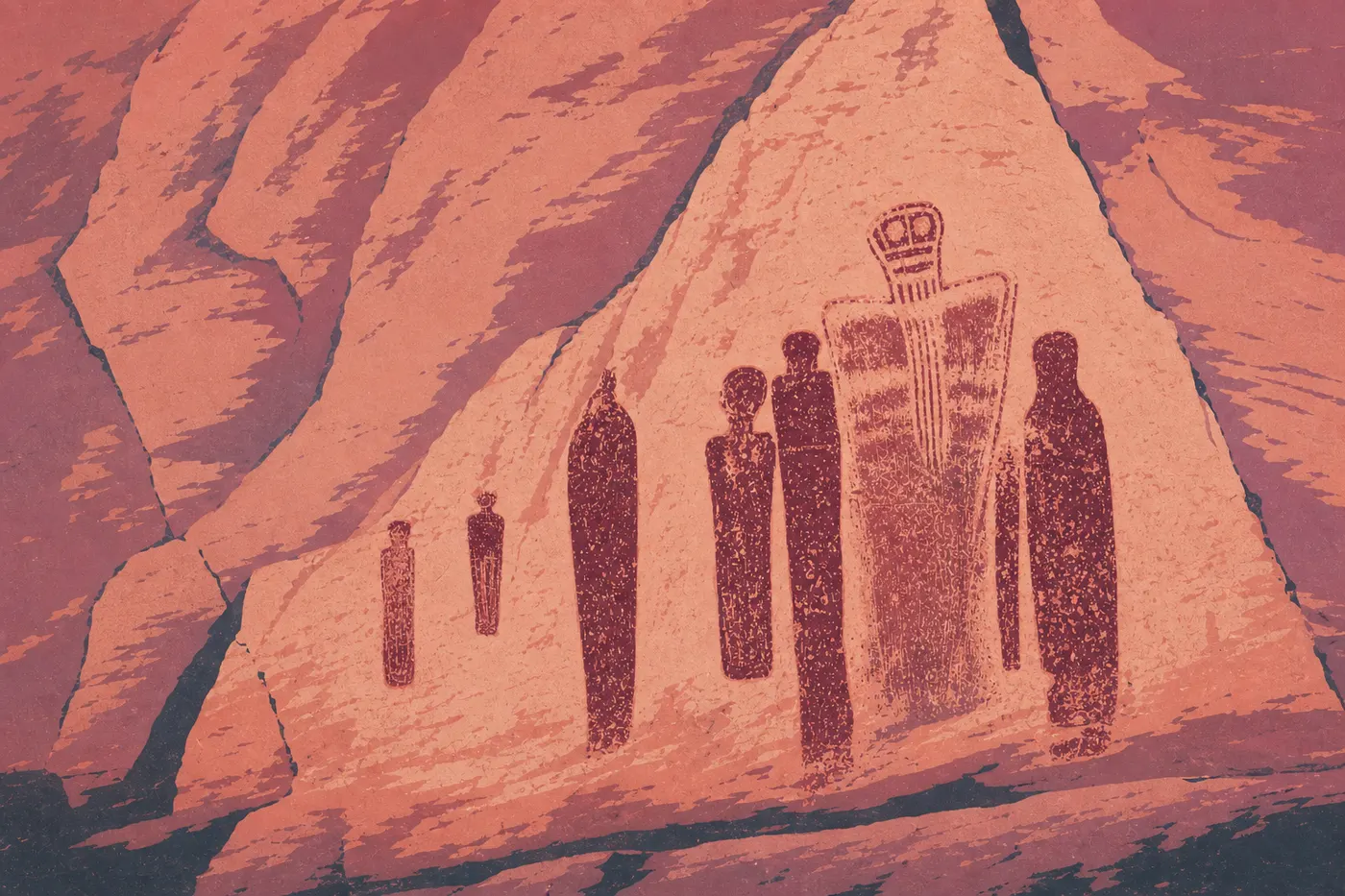
Horseshoe Canyon is home to the Great Gallery, a rock art panel more than 100 feet long. The anthropomorphic figures, sometimes nicknamed "ghosts," stand up to 6.5 feet tall. Depending on the dating method used, they are estimated to be between 2,000 and 4,000 years old.
The trail is 6.2 miles round-trip with 575 feet of elevation gain. Allow 4 to 5 hours of hiking. Ordinary cars can make the drive in the dry season, but a high-clearance vehicle is still recommended on the dirt road. Check conditions at the Hans Flat ranger station before you leave.
Rangers lead guided visits on some spring and fall weekends. The Native American cultural context they provide adds considerably to the experience.
The Maze: Deeply Remote
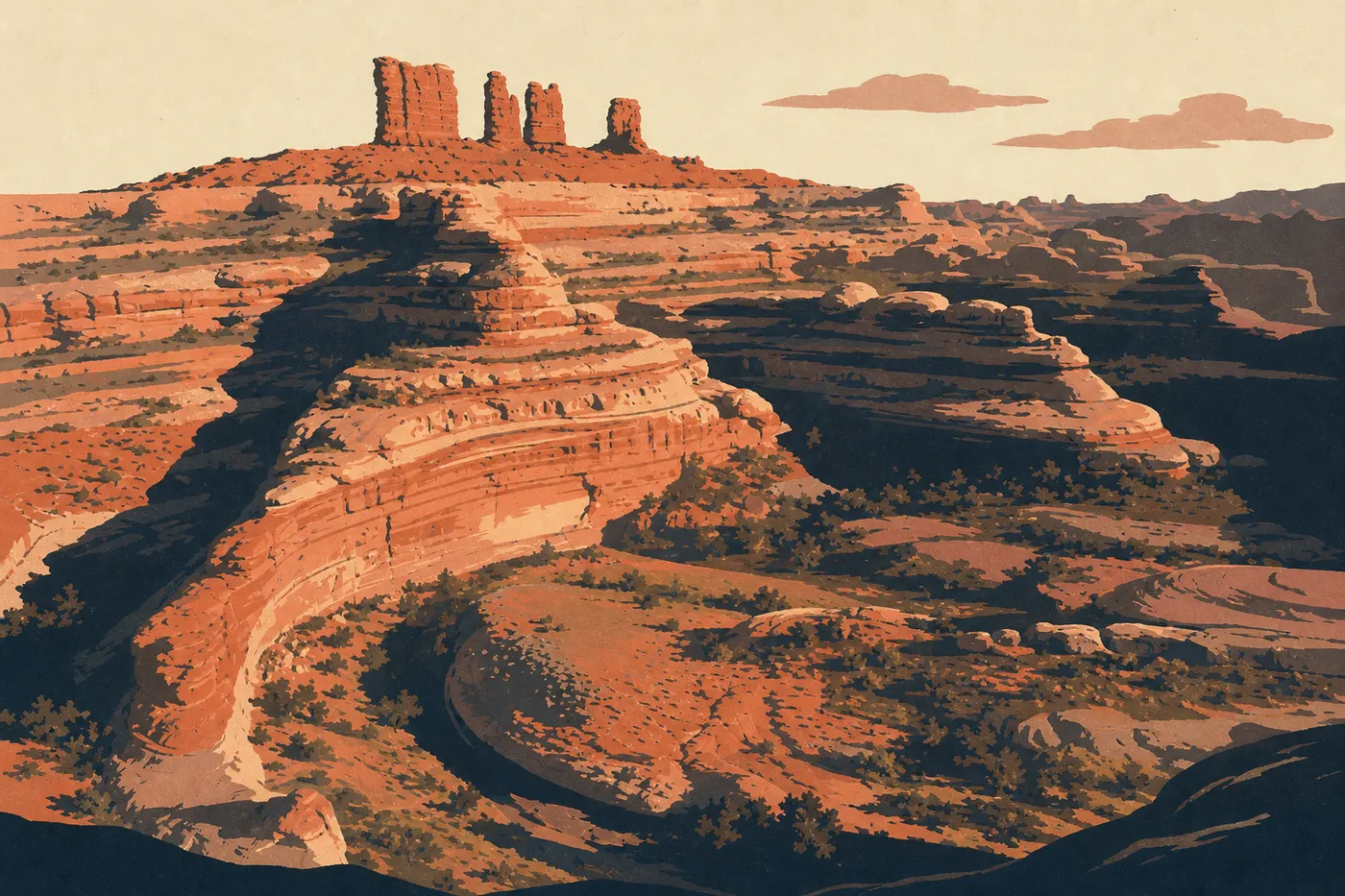
The Maze is for experienced explorers with the right equipment. Getting there requires a high-clearance 4WD vehicle, strong map-reading skills because route markers are limited, and careful logistics. There are no facilities, cell service, or potable water.
In return, the district offers a level of silence and solitude that few places in the United States can still provide. Its labyrinthine rock formations are spectacular, and the feeling of exploring an untouched park remains intact. Plan on spending at least two to three days there.
The Best Hikes in Canyonlands
Canyonlands offers everything from a 30-minute walk to an overlook to a multi-day backcountry expedition. In Island in the Sky, Mesa Arch Trail, Grand View Point Trail, and Upheaval Dome draw most of the hikers. In The Needles, regulars from around Utah are most enthusiastic about the Joint Trail and the Chesler Park loop.
The Canyonlands hiking guide covers every trail, including exact distance, elevation gain, difficulty, best season, and specific hazards to watch for. Read it before you finalize your plans.
Other Activities for Every Kind of Visitor
Stargazing and Night Photography
Canyonlands is an International Dark Sky Park. Far from light pollution, the Milky Way is visible to the naked eye around the new moons in spring and fall. Mesa Arch is a favorite place to combine night photography and sunrise in the same outing. Bring a headlamp and extra layers. Temperatures drop quickly after sunset, even in summer. Scout your position during the day. Nighttime temperatures can fall below 50°F in April or October.
Cycling and Mountain Biking
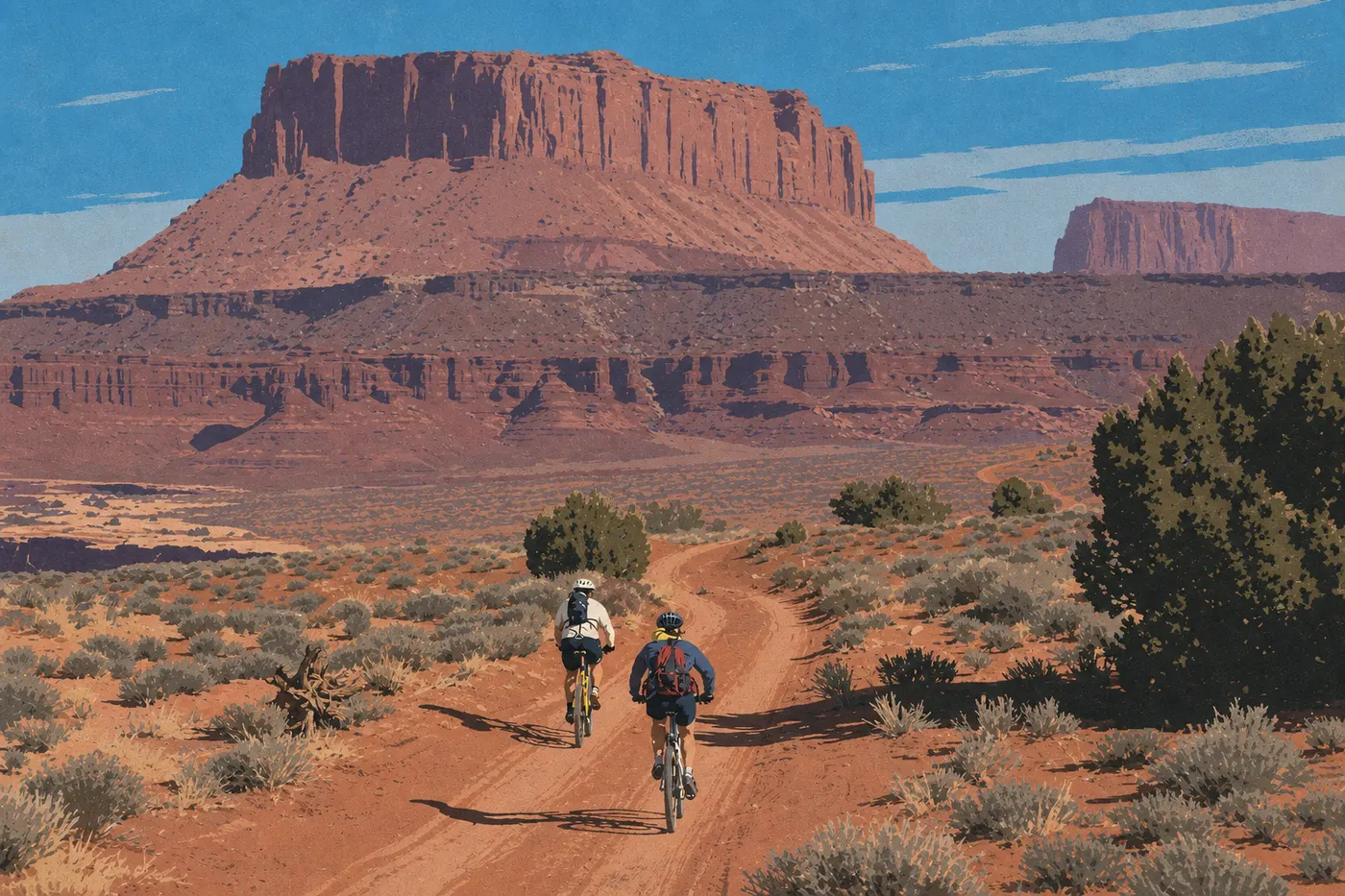
Island in the Sky offers White Rim Road, a 109-mile unpaved loop around the entire mesa. This three- to four-day route is one of the American West's classic mountain-bike rides. A backcountry camping permit is required and must be reserved through Recreation.gov, often several months ahead. A support vehicle, preferably a 4WD, is strongly recommended for carrying water and food.
Rafting and Kayaking
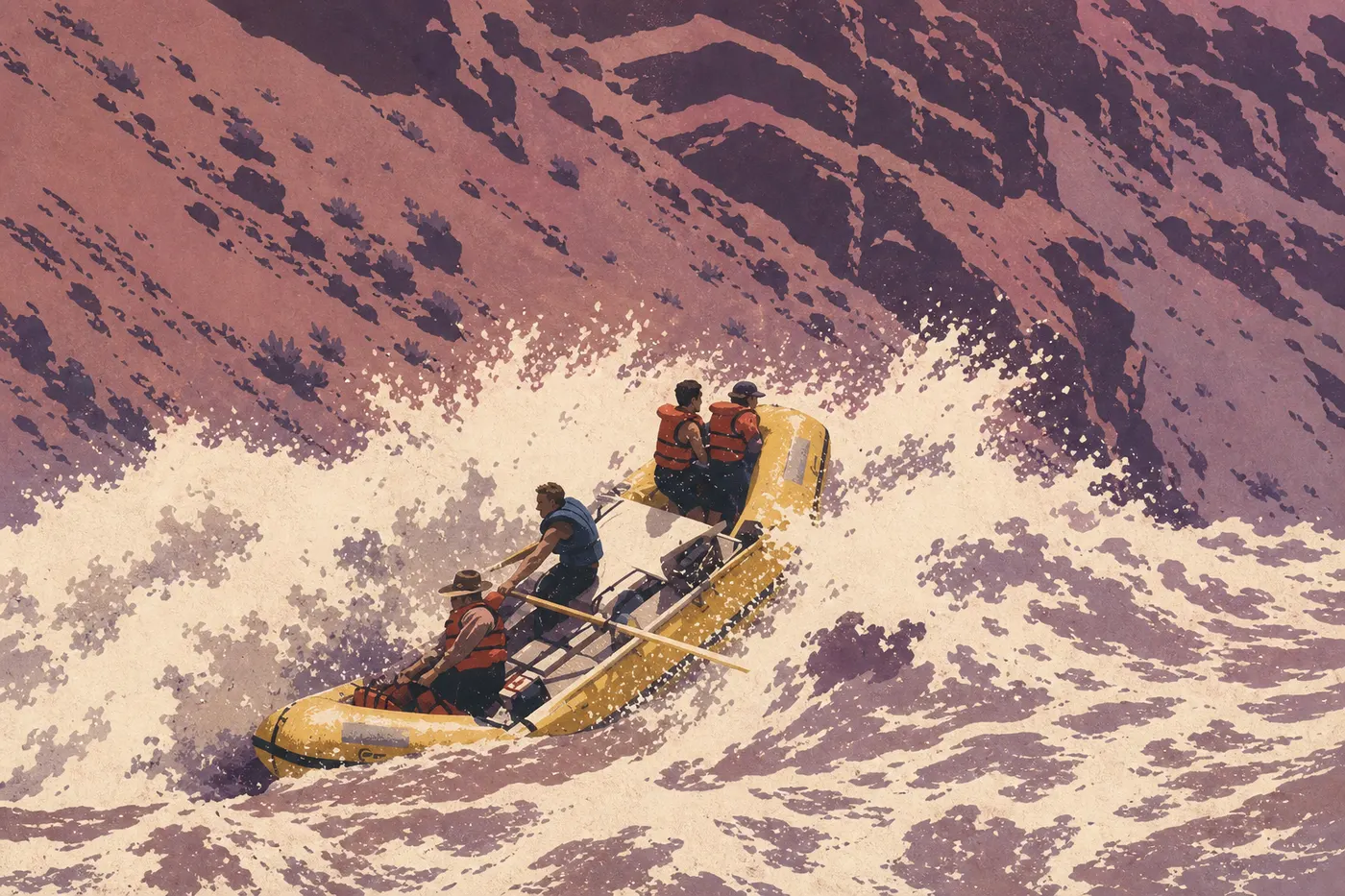
Cataract Canyon, the stretch of the Colorado River inside the park, features rapids rated up to Class IV-V depending on water levels, especially during spring snowmelt. Moab outfitters offer trips lasting from one to five days. For families with children, gentler trips on the Green River work for kids as young as 7 or 8. Each type of river trip's age and skill requirements are explained in the Canyonlands family guide.
Wildlife Watching
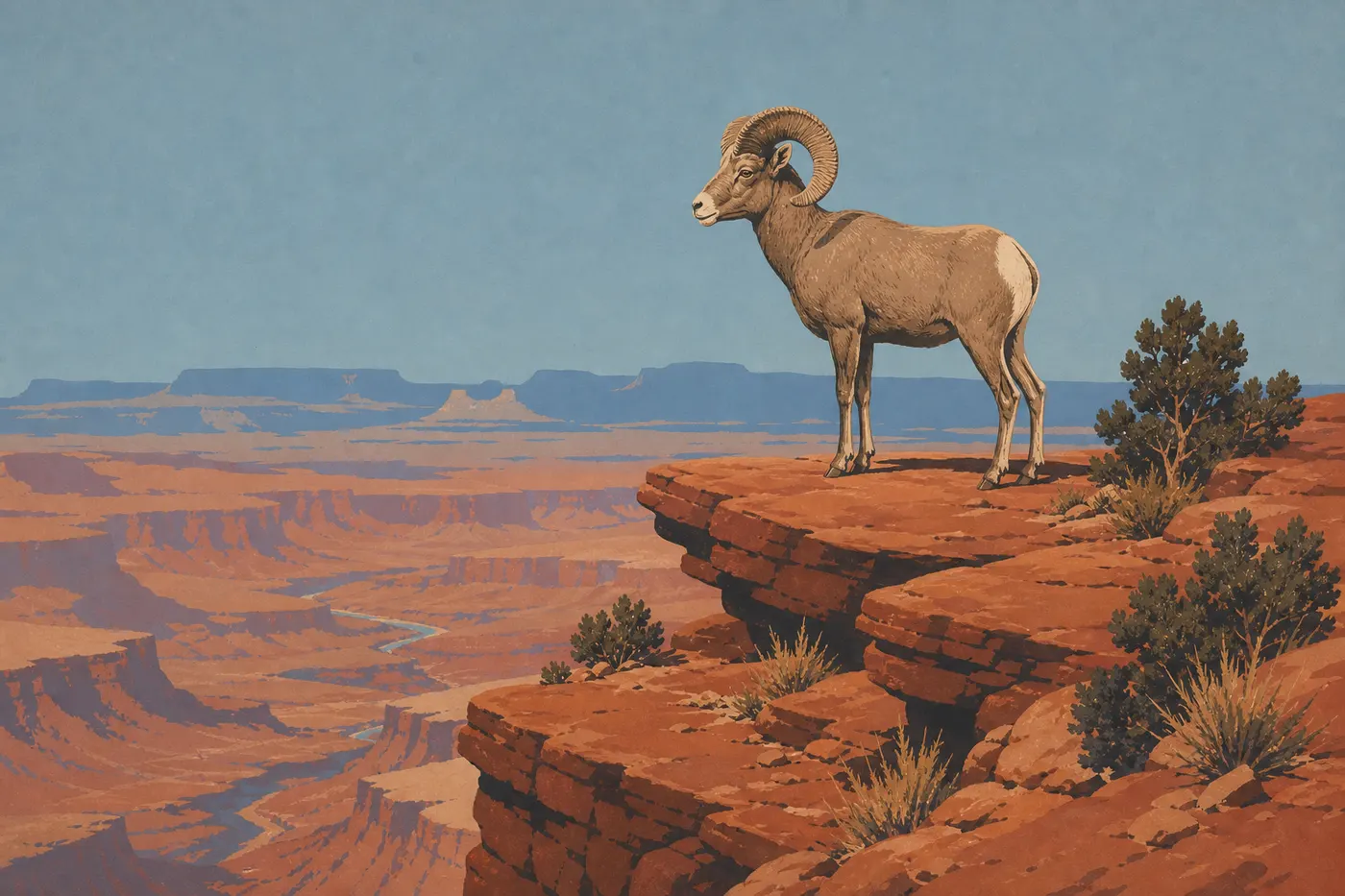
Canyonlands wildlife is most active at dawn and dusk, when it can avoid the midday heat. Bighorn sheep frequent the rocky slopes of Island in the Sky, especially near Shafer Canyon. Coyotes roam around campgrounds after dark. Golden eagles ride thermal updrafts above the mesas. Stay at least 100 feet from all wildlife, no matter how tame it may appear. The Canyonlands wildlife guide lists the species you may encounter and the rules for watching them responsibly.
Visiting Canyonlands with Kids
Island in the Sky is the most family-friendly district for visitors with young children. You can reach the overlooks by car, and several short trails stay under 1.2 miles. The NPS Junior Ranger program, available for free at the visitor center, offers educational activities for kids ages 5 to 14. Avoid long hikes between 10 a.m. and 4 p.m. in summer. Ground temperatures can climb above 100°F. Our Family guide breaks down the best routes by age group.
Things to Do Around Canyonlands
Dead Horse Point State Park
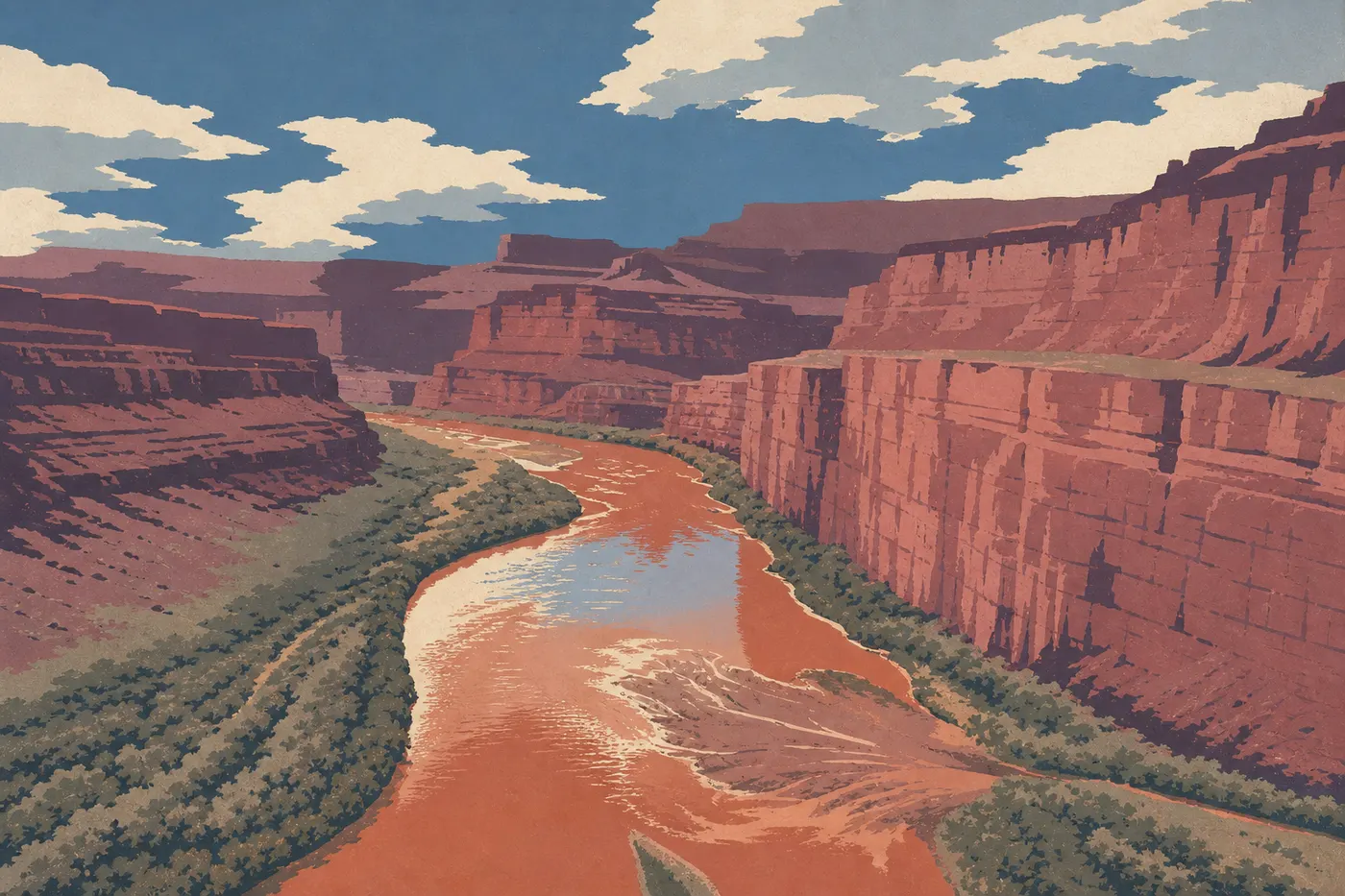
About 6.8 miles from the Island in the Sky visitor center via UT 313, Dead Horse Point State Park offers a view of the Colorado River's bend 1,970 feet below. Entry is separate from the national park, with a fee set by the state of Utah. Allow an extra half day, ideally in the afternoon when the light starts to soften. Many visitors combine the two sites in a single day from Moab.
Arches National Park
About 31 miles from Moab, or a 40- to 50-minute drive, Arches is Canyonlands' natural partner on a Utah road trip. The two parks complement each other rather than repeat each other. Arches packs more than 2,000 documented natural arches into a relatively compact area, while Canyonlands offers vast, seemingly endless wilderness. Visiting both in one day is possible, but frustrating. Plan on at least one full day per park.
Moab
Moab, with a population of about 5,500, is the region's essential base. Restaurants, grocery stores, bike-rental shops, rafting outfitters, jeep-tour companies, and ATMs are all here. The Canyonlands lodging guide covers the options, from roadside lodges to backcountry campgrounds.
Utah's Grand Circle
Canyonlands fits naturally into an itinerary covering Utah's five national parks: Arches, Canyonlands, Capitol Reef, Bryce Canyon, and Zion. The route is often called the "Mighty 5." Our Road Trip guide offers one- to ten-day itineraries from Las Vegas or Salt Lake City to combine these parks efficiently.
The Essentials: What to See First in Canyonlands
Here's our shortlist for different time constraints.
You've got half a day: Island in the Sky is enough. See Mesa Arch at sunrise, Grand View Point for the panorama, and Green River Overlook for a quieter stop. Leave Moab at 5:30 a.m. to reach the Mesa Arch parking area before 6:15.
You've got one day: Add Upheaval Dome in the morning and White Rim Overlook Trail (1.5 miles round-trip, suitable for all ability levels). Catch sunset at Grand View Point.
You've got two days: Spend the second day in The Needles. Stop at Newspaper Rock on the way in, hike Pothole Point Trail in the morning, and tackle Chesler Park if your fitness level allows.
You've got more time: Horseshoe Canyon is worth the half-day drive. The Maze calls for a carefully prepared multi-day expedition.
Canyonlands is worth the trip if you arrive with the right expectations. This isn't a park for a quick drive-through. Its vastness reveals itself on foot, or simply by staying ten minutes longer at the cliff edge and letting the desert's silence work its way in.
Frequently Asked Questions
Is Canyonlands National Park worth visiting?
Canyonlands is worth visiting, especially if you're looking for something beyond the crowds at Arches or Zion. Island in the Sky offers spectacular drive-up views, The Needles rewards hikers with uncrowded backcountry, and Horseshoe Canyon contains rock art of unusual quality for an American national park.
What should you see in Canyonlands?
The must-see sites are Mesa Arch, which frames the canyons and is perfect at sunrise; Grand View Point, with its 100-mile panorama; Green River Overlook; Upheaval Dome, a unique geological feature; and the Great Gallery in Horseshoe Canyon. In The Needles, Chesler Park and the Joint Trail are the standout hikes.
Can you visit Arches and Canyonlands in one day?
Technically, yes, from Moab. In practice, the result is frustrating because both parks deserve a full day. If you can't avoid combining them, spend your morning at Mesa Arch and Grand View Point, then your afternoon at Delicate Arch and Park Avenue in Arches. Leave Moab at 5:30 a.m. to give yourself enough time.
Which hikes should you do in Canyonlands?
Mesa Arch Trail, less than 0.6 miles and suitable for all ability levels; Grand View Point Trail, 2.8 miles round-trip and easy; Upheaval Dome, 2 miles round-trip and easy; Pothole Point Trail in The Needles, 2 miles and easy; and Chesler Park with the Joint Trail, 6.2 to 9.3 miles and moderate to strenuous. Our Hiking page provides elevation gains, hiking times, and safety advice for every trail.
How many days should you plan for Canyonlands?
At least two days to explore Island in the Sky in depth and visit The Needles. Three to four days if you want to add Horseshoe Canyon. A week is enough to explore all four districts, including The Maze and its additional logistics. Our Itinerary & Duration guide offers detailed plans based on how much time you have.
What gear should you bring to Canyonlands?
Plenty of water, at least 1 liter per person per hour of hiking in summer; high-SPF sunscreen; a wide-brimmed hat; sunglasses; and sturdy, closed-toe hiking shoes with good traction. There is no water available outside the visitor centers, so fill your bottles before entering remote districts. In the evening and during the shoulder seasons, bring extra layers. Temperatures can drop 27 to 36°F between the afternoon high and nighttime.