
Things to Do in Hot Springs: Must-See Sights and Activities
The quick answer. Three things make up the heart of Hot Springs National Park: Bathhouse Row, where you can explore the history and soak in 4,000-year-old thermal water; the Grand Promenade, for a scenic walk behind the Beaux-Arts facades; and the summit roads on Hot Springs Mountain, for views over the city and the Ouachita forest. These three areas cover the park in one well-paced day.
Hot Springs at a Glance: Areas, Access, and Getting Around
Hot Springs National Park occupies a rare position in the American national park system. It stretches through the heart of a city, Hot Springs, Arkansas, about 56 miles west of Little Rock. The park's 47 documented thermal springs rise directly beneath Central Avenue, the city's main thoroughfare. Set aside as a federal reservation in 1832, before Yellowstone was even created in 1872, it became a national park in 1921.
The park is organized around two complementary areas that you should distinguish before planning your visit.
The first is the Bathhouse Row area, along Central Avenue. This is where you'll find the eight historic bathhouses, the Fordyce Bathhouse Visitor Center and Museum, free-access thermal water fountains, and the Grand Promenade. It's a compact, walkable area packed with history.
The second area includes three wooded mountains surrounding the city: Hot Springs Mountain, North Mountain, and West Mountain. Paved roads lead there from the center of the park and are open to vehicles from 8 a.m. to 10 p.m. A trail network of about 26 miles crosses forests of pine and oak typical of the Ouachita Mountains.
To get here from Little Rock, take I-30 West, exit at interchange 111 toward US-70 West, then follow Central Avenue north. The park comes into view on your right after Reserve Street. You can park on downtown streets or in public lots at the entrance to the Row. The Hot Springs access guide covers shuttle service and parking details.
One note about hours: the park's public areas, including Arlington Lawn, the Grand Promenade, and the sidewalks along Bathhouse Row, are open from 5 a.m. to 10 p.m. The mountain roads open at 8 a.m.
How Much Time Do You Need to Visit Hot Springs?
Half a day gives you enough time to explore Bathhouse Row and the Grand Promenade. A full day lets you add a thermal bath, Fordyce Bathhouse, and the drive or hike up Hot Springs Mountain. Two days offer the ideal pace, with the historic center on day one and the trails and wooded summits on day two. The Hot Springs itinerary guide offers detailed plans based on your schedule and interests.
Hot Springs Highlights by Area
Bathhouse Row: The Historic Heart of the Park
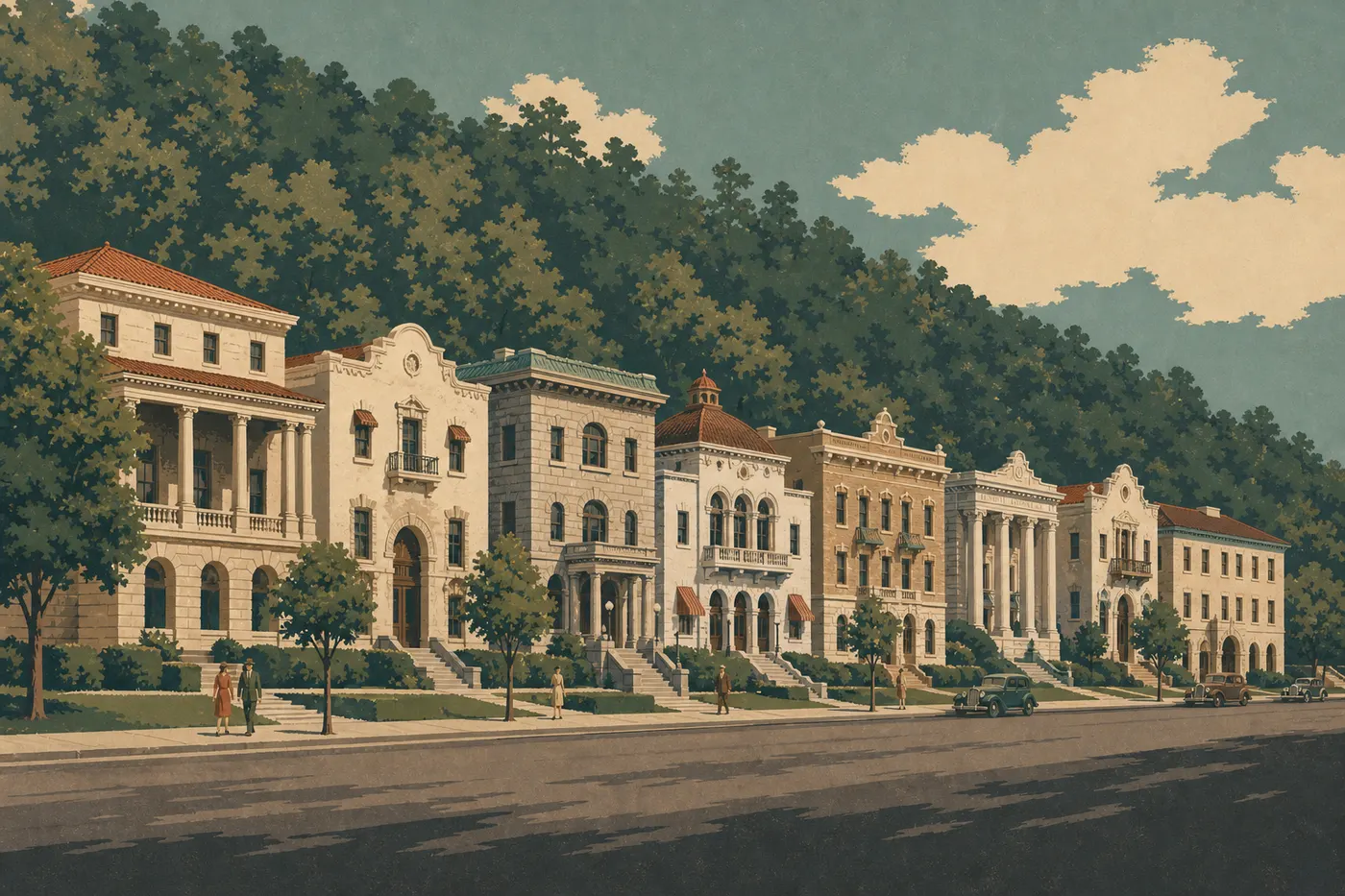
Bathhouse Row brings together eight buildings constructed between 1892 and 1923, when Hot Springs was known as “America's Spa.” Presidents, celebrities, and patients flocked here for multi-week treatments in buildings that looked more like marble palaces than clinics. The perfectly preserved collection has no equivalent in the national park system. You can stroll among Beaux-Arts and Neoclassical facades along less than 1,600 feet of sidewalk in the middle of a lively downtown.
Fordyce Bathhouse is the park's visitor center and museum, and admission is free. The restored interior is remarkable, with marble bath rooms, period porcelain tubs, a ground-floor pool beneath a domed stained-glass skylight, 1910s physical therapy equipment, and a recreated billiard room. Allow an hour to take it in properly. Architecture fans interested in Art Nouveau and Beaux-Arts details can easily spend two hours here.
Buckstaff Bathhouse is the only establishment on the Row that has operated continuously since opening in 1912. The baths follow the classic protocol, with a private tub filled with thermal water, a hot wrap, and an optional massage. The atmosphere is decidedly retro and free of frills. No reservation is needed for basic baths. Show up at opening and wait your turn. During the busy season, from spring through early summer, arrive early to avoid a wait.
Quapaw Baths & Spa offers a more contemporary version, with four communal pools at varying temperatures from 95°F to about 108°F and aesthetic treatments available by reservation. The setting is modern, and the hours are longer than at Buckstaff. It's the best choice for groups or anyone looking for a relaxed experience without an unspoken dress code.
The public thermal fountains along Central Avenue deserve a stop every time. Water emerges at about 144°F in the park's pipes and cools to around 111°F in the fountains open to the public. Bring a clean bottle. Taking thermal water home in your bag is an experience you can have only in this park. The water is mildly alkaline and has no sulfur smell, contrary to what many people expect.
Arlington Lawn, the grassy area in front of Fordyce, is the best place to photograph the facades as a whole, especially in the soft morning light.
The Grand Promenade: The Park's Signature Walk
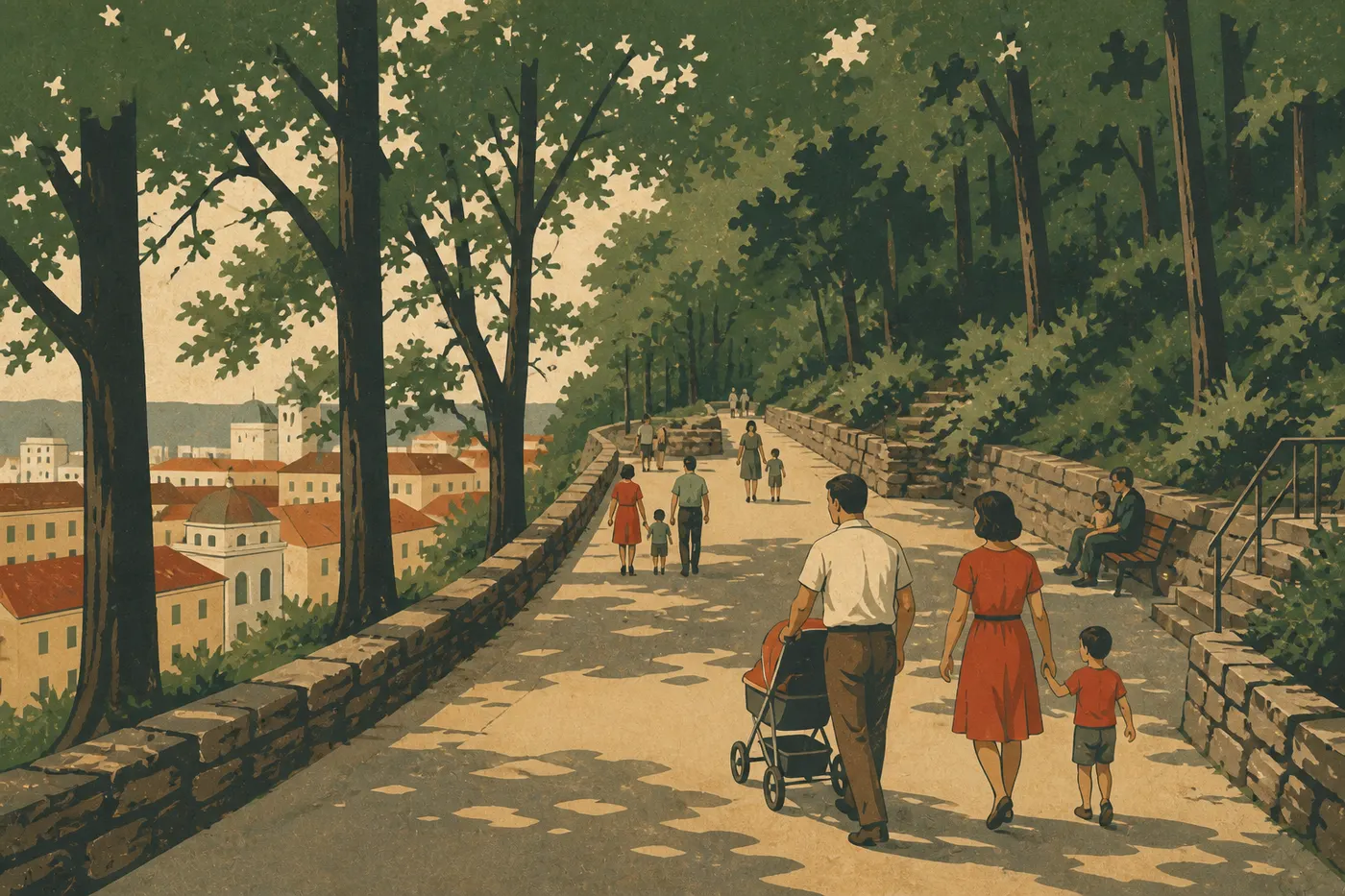
The Grand Promenade is a brick-paved walkway that runs behind the bathhouses for about 2,000 feet, slightly above Central Avenue. You can reach it through several passages between the buildings.
The view of the bathhouses' roofs, domes, and ornamentation from the elevated promenade is the park's classic photograph. Come early, before the crowds arrive, when the low-angle light is at its best. That view alone is worth the trip. The promenade connects north to the wooded trails climbing toward Hot Springs Mountain. South, it leads into the historic downtown district.
The surface is flat and fully paved with brick. Strollers can manage it, and people with limited mobility can access nearly the entire route. It's our top recommendation for families with young children and visitors short on time.
Hot Springs Mountain: The Panoramic Overlook
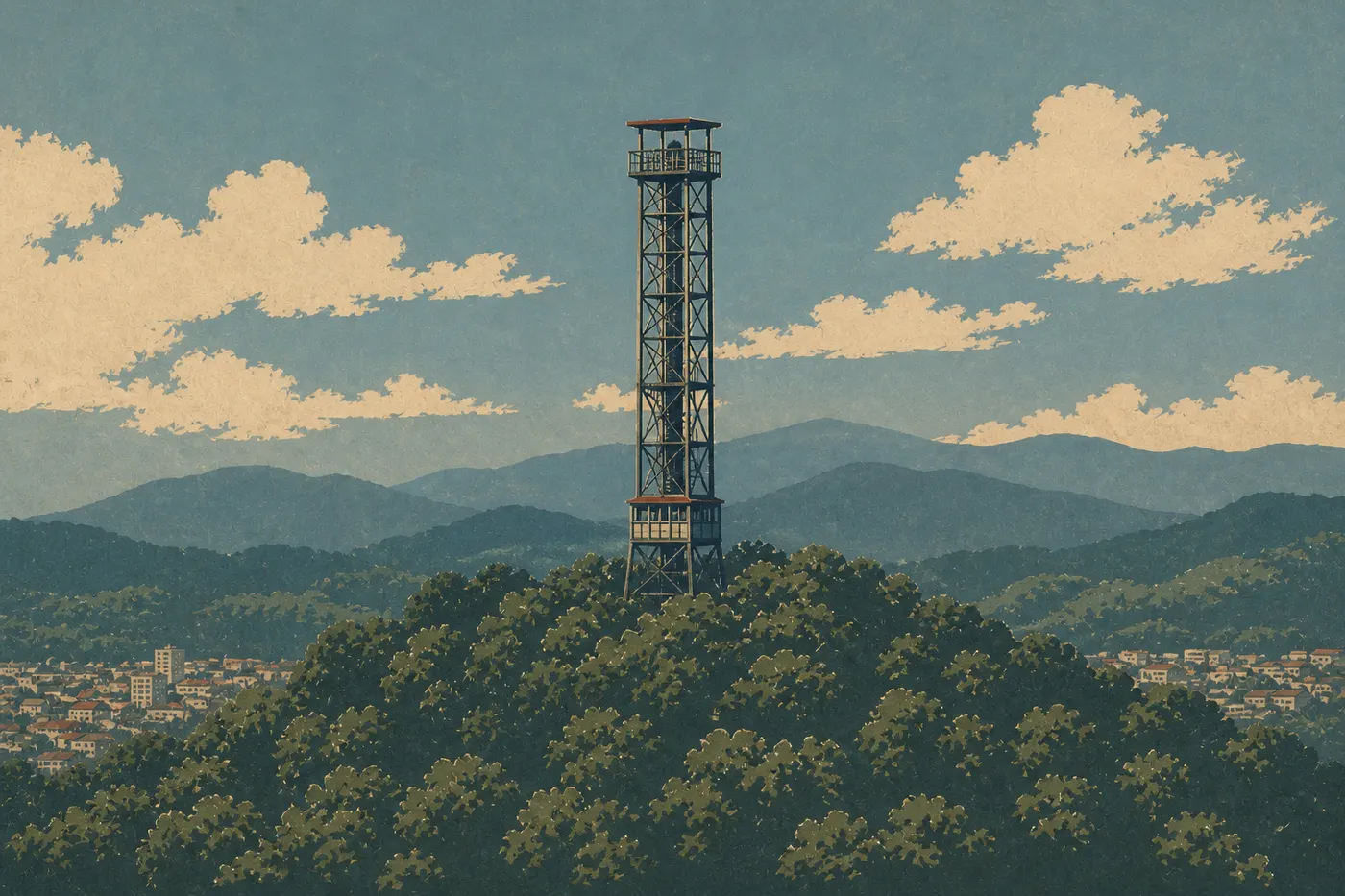
Hot Springs Mountain is the park's most popular and accessible summit. You can drive up the summit road, which is open from 8 a.m. to 10 p.m., or hike from the Grand Promenade on the Hot Springs Mountain Trail. The trail is about 1.6 miles from the bottom, takes 45 to 60 minutes depending on your pace, and gains about 330 feet.
At the top, Hot Springs Mountain Tower, which charges admission and operates independently of the park, rises about 217 feet above the summit. From the top, the 360-degree view takes in the city, the Ouachita National Forest, and the surrounding hills. On a clear day, you can easily pick out the park's other two summits.
If you don't want to pay for the tower, the summit parking area already offers a beautiful view over the canopy and the city below. A short trail of less than 1,600 feet loops around the summit with several clearings.
North Mountain and West Mountain: The Less Crowded Slopes
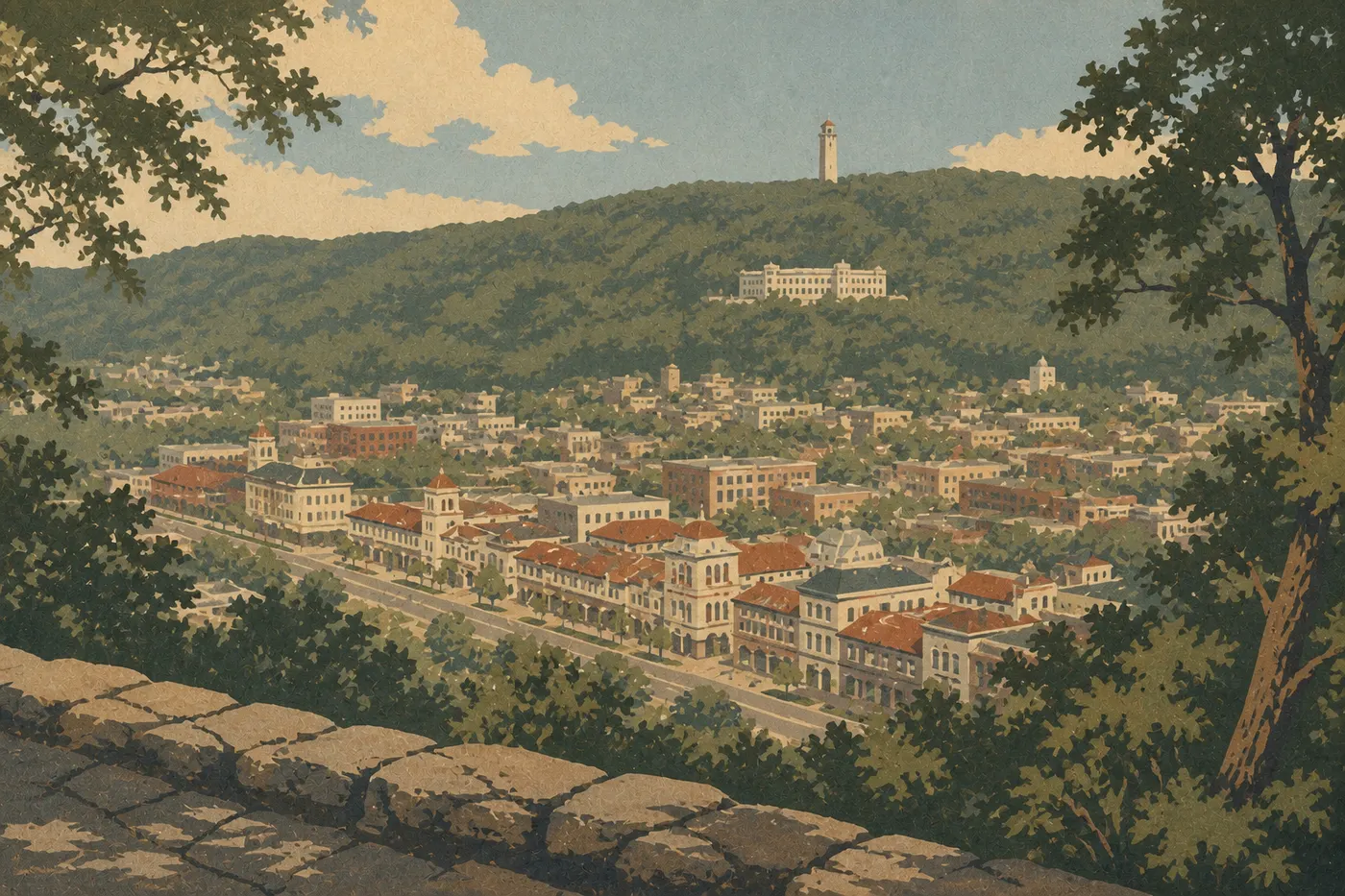
North Mountain and West Mountain require a little more navigation. You can reach their summit roads by car, but they are less clearly marked than the road to Hot Springs Mountain. The payoff is a much quieter experience, shaded picnic areas, and a forest atmosphere that feels worlds away from the activity on Bathhouse Row.
West Mountain faces the right direction for sunset views over the forest in the late afternoon. North Mountain connects to the trail network through North Mountain Trail, one of the park's least-used routes. Photographers looking for good light without the crowds should head this way.
The Best Hikes in Hot Springs
The park's trail network covers about 26 miles, all on the wooded slopes surrounding the city. The terrain alternates between gentle grades and moderate elevation gains, with shady sections that stay pleasant even in summer, when temperatures can climb above 90°F.
Sunset Trail is the park's signature route, a loop of about 10 miles linking all three summits through the least urbanized slopes. You can hike the entire loop in 4 to 5 hours at an intermediate level, or do a section from one of the summit parking areas. The Sunset Trail/West Mountain Trail section offers the best forest panoramas.
For a shorter outing, the Hot Springs Mountain Trail from the Grand Promenade is the classic choice. It's 1.6 miles one way, takes about an hour, and works for most hikers. Dead Chief Trail and Goat Rock Trail are two lesser-known options that let you avoid the crowds on Hot Springs Mountain while keeping you in pleasant forest.
The Hot Springs hiking guide covers every trail, including elevation profiles, water sources, difficulty levels, and the best times to go.
Other Activities by Interest
Wildlife and Nature Watching
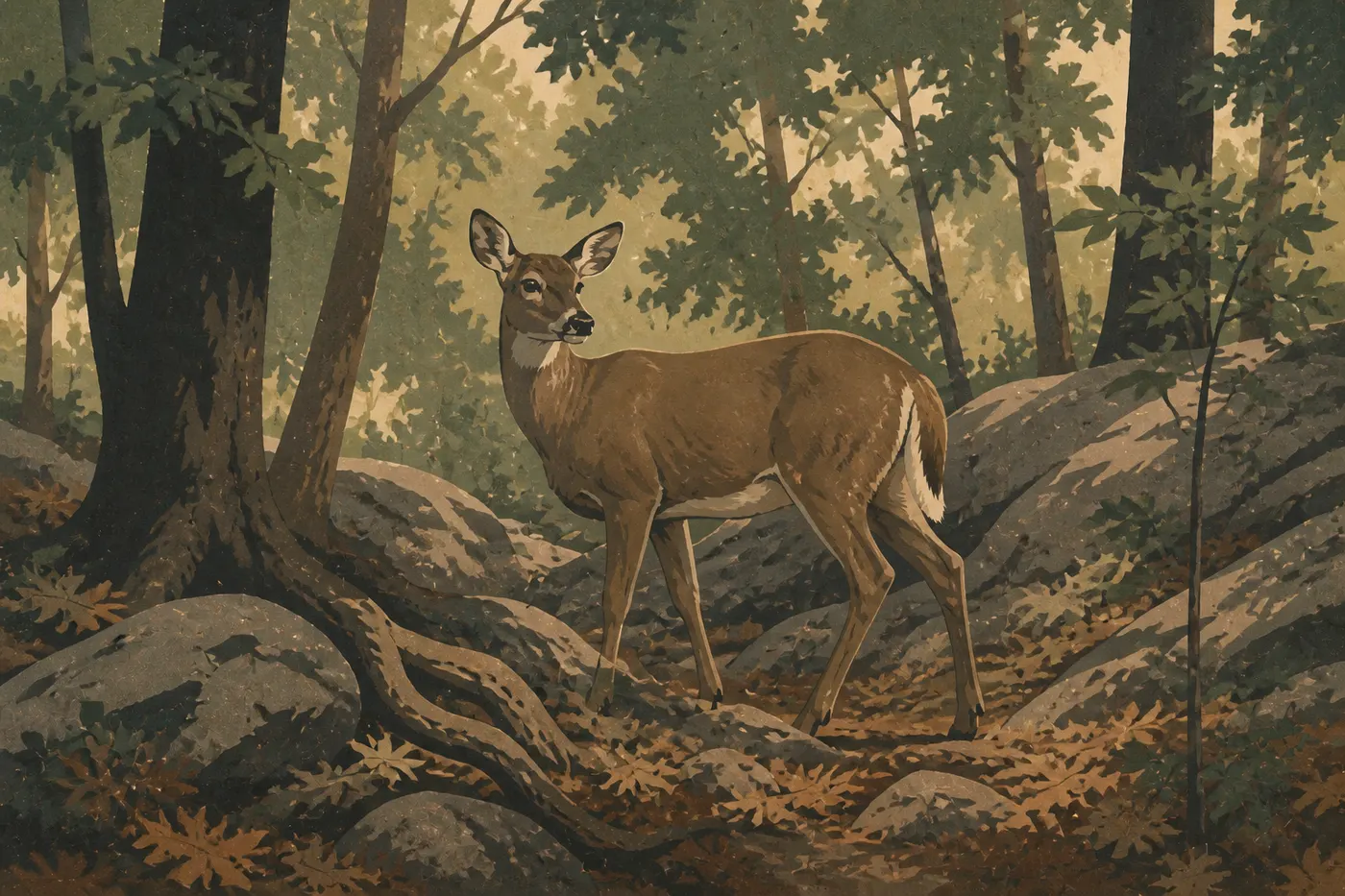
Wildlife in the park is elusive but definitely present. The wooded slopes of Hot Springs Mountain and North Mountain are home to white-tailed deer, which are easy to spot at dawn along the summit roads, as well as raccoons, opossums, and a wide variety of forest birds. The park's bird list includes more than 150 recorded species.
In spring, early-morning outings on the North Mountain trails are especially rewarding for birding. Look for woodpeckers, vireos, and migrating warblers. The Hot Springs wildlife guide lists seasonal species and the best viewing spots.
Photography and Architecture
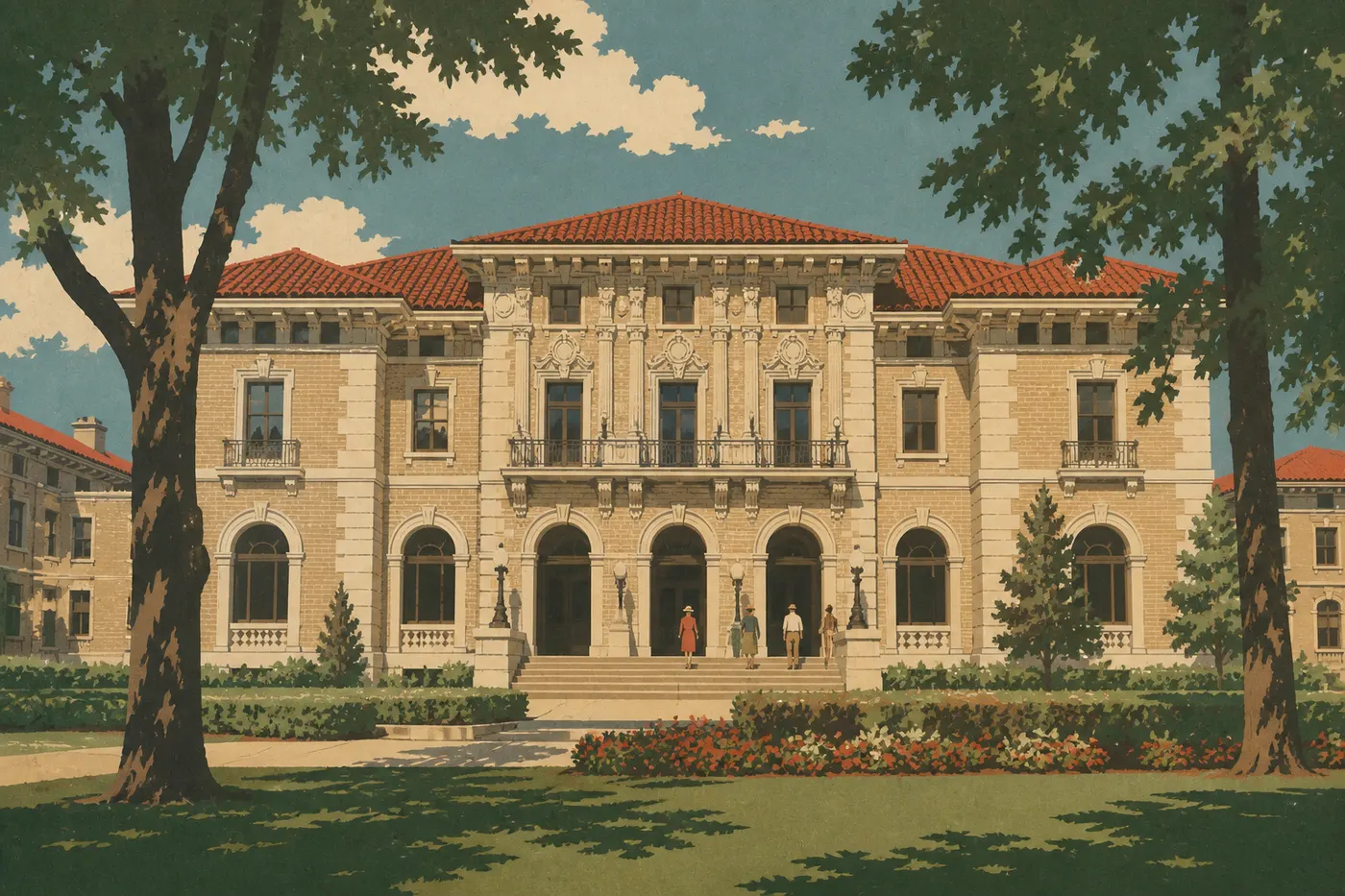
Hot Springs is a gift for architectural photographers. Bathhouse Row displays Beaux-Arts facades in exceptional condition, without barriers or protective netting to get in the way. Morning golden hour lights the facades from the front, while evening light tints them from the east. The Grand Promenade, looking slightly down over the roofs and domes, offers less familiar angles.
For night photography, Central Avenue stays lively late, and the illuminated bathhouses are worth the trip.
Visiting with Kids
Hot Springs is one of the most accessible national parks for families with young children. You don't have to hike, and the distances are manageable. The Junior Ranger program, available at Fordyce Bathhouse, gives kids a hands-on mission during their visit.
The thermal fountains never fail to fascinate curious children. Be clear about the danger. Water in the park's pipes comes out at 144°F and can cause severe burns within seconds of direct contact. The public fountains are cooler but still hot, at about 111°F. Don't let children lean over them unsupervised. The Hot Springs family guide gathers practical advice.
The Thermal Experience: Beyond the Fountains
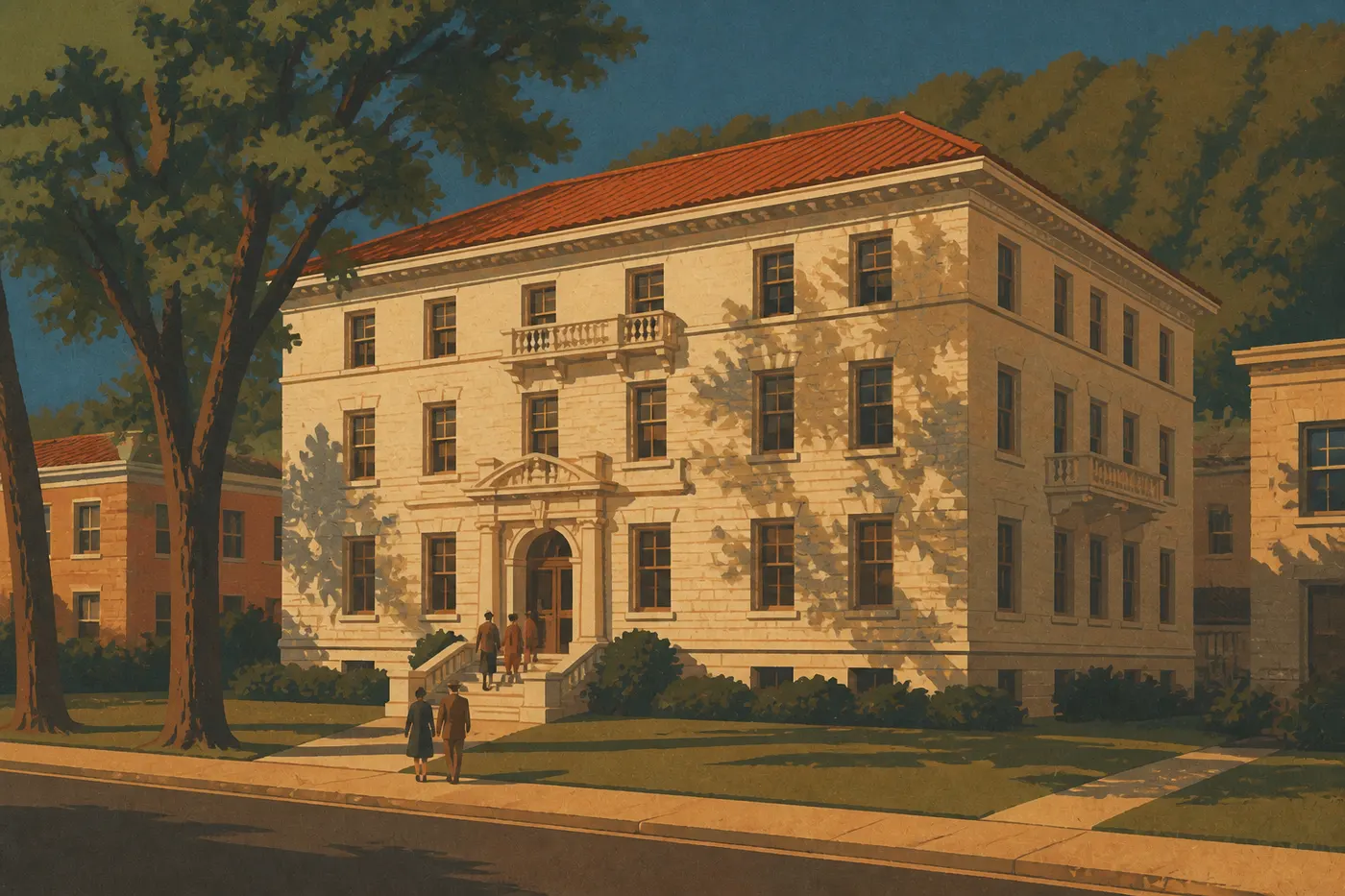
Hot Springs offers an experience found nowhere else in the American national park system: soaking in geothermal water whose underground cycle takes about 4,000 years. If you don't have time to visit Buckstaff or Quapaw, the public fountains along Central Avenue at least let you taste the thermal water or collect it in a clean container. It's a small experience you shouldn't skip, even on a quick visit.
What to Do Around Hot Springs
The city of Hot Springs itself is a pleasant extension of a park visit. The area around Central Avenue has restaurants, craft breweries, and art galleries in early-20th-century buildings. Oaklawn Racing Casino Resort hosts thoroughbred racing from January through April. It's not essential for park lovers, but it is an important local cultural marker that residents follow closely.
Lake Hamilton, a few miles south of the park, is a popular artificial reservoir for boating, bass fishing, and swimming. It makes a good addition for families who want to stretch the visit to two days.
About 31 miles northwest, the Ouachita National Forest offers a very different experience, with dispersed camping, multi-day hikes on the Ouachita Trail, which runs about 223 miles between Oklahoma and Arkansas, and mountain lakes. A Hot Springs and Ouachita National Forest combination works well for a four- or five-day Arkansas road trip.
Petit Jean State Park, about 1.5 hours northeast, is one of Arkansas's most popular state parks, with sandstone cliffs, Cedar Falls, and views over the Arkansas River Valley. To the east, Little Rock, with its civil rights museum and Old State House, is a natural addition to a regional loop. The Regions section provides the planning information for trips that include Hot Springs.
The Bottom Line: What to See First in Hot Springs
Hot Springs is worth the trip for a reason many visitors don't expect before they arrive. It's the only American national park fully woven into a living city. Bathhouse Row isn't a frozen open-air museum. Buckstaff has served customers continuously since 1912, and thermal water still flows from the public fountains along Central Avenue today.
Here's the honest perspective. Hot Springs isn't a park for strenuous hiking or spectacular wildlife. It's a park devoted to thermal history and architecture. Visitors who arrive with that in mind almost always leave delighted.
For a quick visit of less than half a day, see Fordyce Bathhouse, which is free and takes about an hour; stop at the Central Avenue thermal fountains to fill a bottle and notice the smell and temperature; walk the Grand Promenade for 30 minutes; then go up Hot Springs Mountain, either on foot in 45 minutes or by car in 10 minutes. These four stops cover the essentials without missing any of the park's distinctive features.
If you remember only one priority, take a bath at Buckstaff. It's the one activity you can't replicate anywhere else in the 63-park national park system, and its uninterrupted history since 1912 gives it a character no contemporary spa can imitate.
Frequently Asked Questions
What do people do in Hot Springs?
Visitors to Hot Springs National Park generally split their time between two experiences. One is a history-focused visit to Bathhouse Row, including Fordyce Bathhouse, the free visitor center and museum, the public thermal fountains, the Beaux-Arts facades, and the Grand Promenade behind the bathhouses. The other is outdoor recreation, with hikes on the wooded slopes, including Sunset Trail and Hot Springs Mountain Trail, summit roads, and picnics. Many visitors also add a thermal bath at Buckstaff Bathhouse or Quapaw, an experience with no equivalent in the American national parks.
What is a hot spring?
A hot spring is a natural emergence of warm water fed by rain that has seeped into the ground, heated deep underground by contact with rock, and then returned to the surface by pressure. At Hot Springs National Park, geologists estimate that this cycle takes about 4,000 years. The water emerging today fell as rain thousands of years ago. It rises at about 144°F through the park's 47 documented springs, continuously supplying the bathhouses and public fountains along Central Avenue.
Is Hot Springs National Park worth visiting?
Hot Springs is worth visiting if you're looking for something distinctive in the national park system. It isn't a park of grand natural spectacles, but it is the only American national park integrated into an active city. The thermal history, Bathhouse Row's Beaux-Arts architecture, and the chance to soak in 4,000-year-old geothermal water create an experience with no equivalent. Families, architecture fans, and anyone curious about American history will find plenty to enjoy.
How long does it take to visit Hot Springs?
How much time do you need in Hot Springs? Half a day covers Bathhouse Row and the Grand Promenade. A full day is enough to add a thermal bath and Hot Springs Mountain. Two days give you the ideal pace for including the trails and downtown. Our Itinerary and Timing page offers detailed plans for every type of visit.
Can you swim directly in the springs at Hot Springs?
No. The park's natural springs aren't open for free swimming. The water emerges at about 144°F and can cause severe burns within seconds of contact. To soak in the thermal water, go to one of the Bathhouse Row establishments, Buckstaff or Quapaw, where the water is cooled to safe temperatures. The public fountains along Central Avenue let you taste or collect the water in a clean container. They aren't designed for bathing.