
What to Do at Gateway Arch: Top Sights and Activities
Set along the Mississippi River in St. Louis, Missouri, Gateway Arch is an outlier in the American national park system. There is no canyon, geyser, or old-growth forest here. Instead, you'll find a 630-foot stainless steel monument, a foundational chapter of American history, and a first-rate museum buried beneath your feet. The experience is brief, intense, and unlike any other.
Here are the three must-sees: ride to the top of the Arch (a $19 timed entry reservation per adult is required); explore the underground museum devoted to America's westward expansion; and walk to Old Courthouse, about ten minutes away, where the first phase of the Dred Scott case was heard. For context before you arrive, our Complete Guide to Gateway Arch is the ideal place to start.
Gateway Arch at a glance: areas, access, and getting around
Gateway Arch National Park occupies the grounds between downtown St. Louis and the west bank of the Mississippi River. The park is compact. You can walk from one end to the other in about 20 minutes. Three areas shape the visit.
The grounds and the Arch form the heart of the park along the river. This is where you'll find the underground Visitor Center, reached by stairs or an elevator from Luther Ely Smith Square, where you board the tram to the top, and where you enter the museum.
Old Courthouse stands about half a mile west on Market Street. It is administratively part of the park, but it's a separate site that you can visit independently and free of charge.
The Mississippi Riverfront runs along the east side of the grounds. It's the departure point for river cruises and a natural overlook of the river.
The park is open year-round, including winter. The main season runs from the Friday before Memorial Day through Labor Day weekend, with extended hours from 9 a.m. to 8 p.m. on Fridays and Saturdays. The rest of the year, the Visitor Center closes at 6 p.m. St. Louis summers are hot and humid, with temperatures around 79 to 81°F in July. Spring and fall are much more comfortable. Our guide to the best seasons at Gateway Arch and St. Louis weather forecast explain which months work best for different types of travelers.
For directions by car, MetroLink, or on foot from downtown, see the guide to getting to Gateway Arch. Nearby parking costs money, so public transportation is the better choice if you're staying downtown.
How long does it take to visit Gateway Arch?
The answer often surprises people: half a day is enough to cover the Arch, the museum, and Old Courthouse. Allow three hours at a brisk pace, or four if you take your time in the museum galleries or wait for your tram time during the busy season.
You can add a Mississippi River cruise, which takes about another hour, or spend the afternoon at Forest Park and its free museums, 3.7 miles away.
For an hour-by-hour plan, our Gateway Arch itinerary guide offers two options: a quick half-day and a full day that includes the surrounding area.
The must-sees, area by area
Ride to the top of the Arch
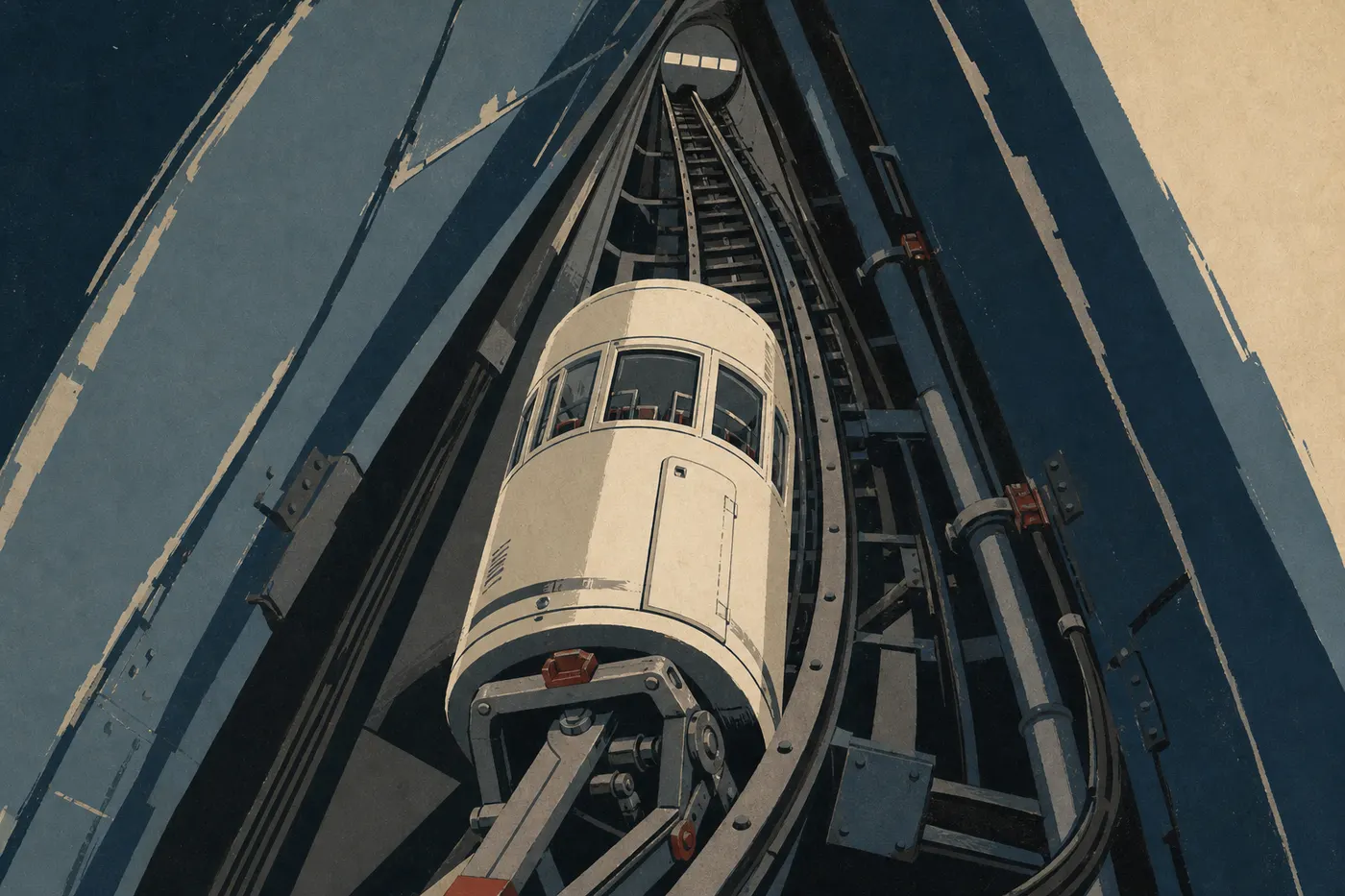
This is the centerpiece of the visit, and it takes a little preparation. From the underground Visitor Center, you board an egg-shaped tram capsule. It holds up to five passengers and takes four minutes to travel up the Arch's curved leg. The ride is gentle but confined. If you don't do well in tight spaces, prepare yourself ahead of time. The view from the top is worth every second.
At 630 feet, several trapezoidal windows open on both sides. To the east, you'll see the Mississippi River and Illinois on the horizon. To the west, St. Louis's city grid spreads out below. On a clear day, you can see for about 25 miles. The platform floor curves slightly beneath your feet. You're standing inside a catenary curve, which creates a hard-to-describe feeling of floating that you'll never forget.
Reservations: the Ride to the Top ticket costs $19 per adult, with reduced pricing for children. It uses timed entry reservations, which you can book online through the official NPS website. In summer, morning time slots fill up as soon as sales open, so book before you leave. Allow 30 to 45 minutes for the ride up, time on the platform, and the descent.
The museum at the foot of the Arch
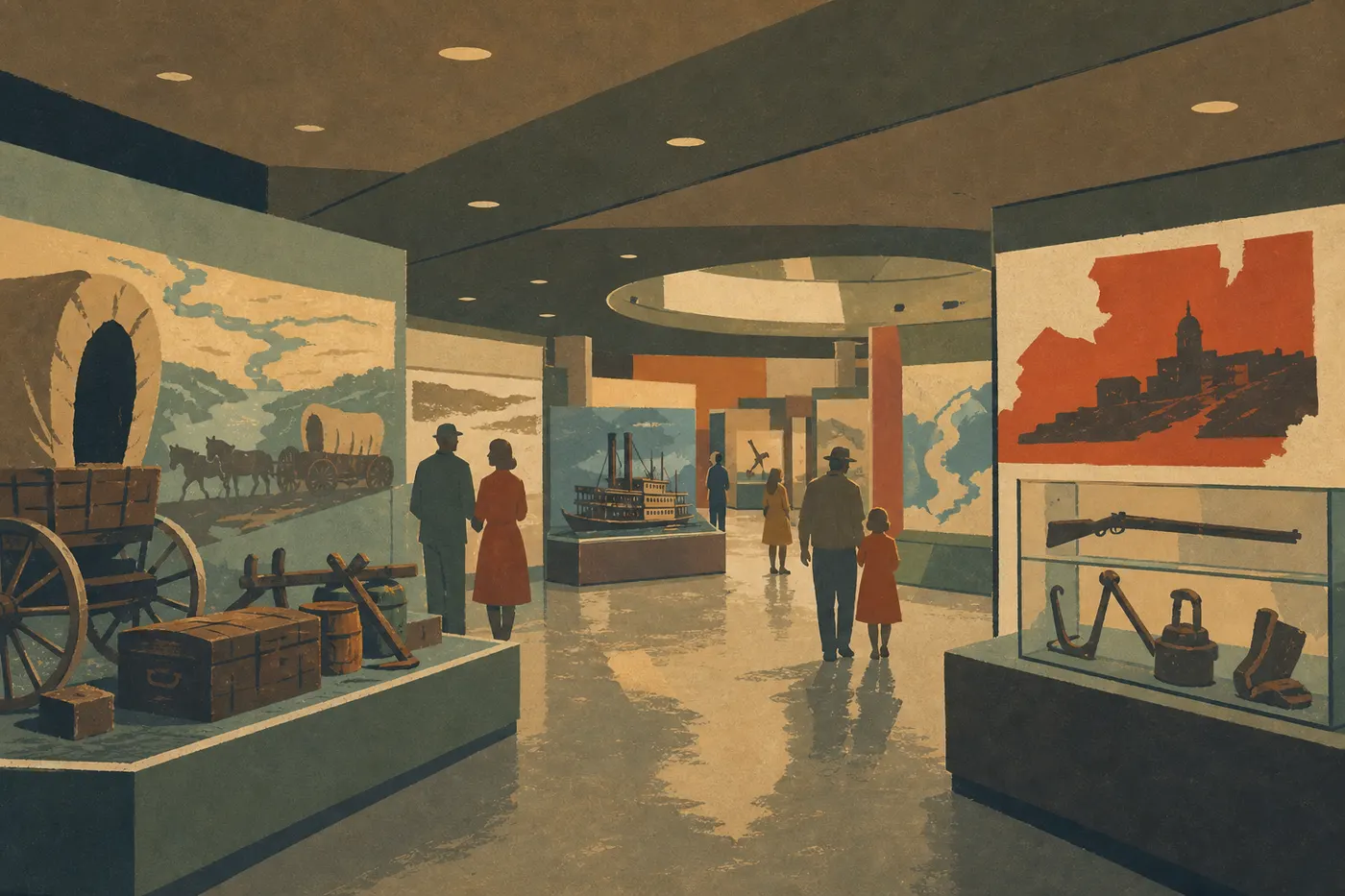
The Museum at the Gateway Arch spans two fully underground levels beneath the grounds. Completely renovated and reopened in 2018, it covers two centuries of American history: competition between settlers and Native nations during westward expansion, St. Louis's role as a gateway city for continental expansion, and the construction of the monument itself.
The section on the Arch's construction is the most compelling. It includes 1:10 scale models, period photographs, and a film about the two legs joining at the top in October 1965, within 30 seconds of the time reported by the engineers. You can spend an hour there without noticing the time.
Museum admission is included with the tram ticket. If you aren't riding to the top, ask at the Visitor Center entrance about admission to the museum alone.
Old Courthouse

Less than a mile west of the Arch on Market Street, Old Courthouse is a Neoclassical domed building erected between the 1840s and 1860s. It belongs to the national park and is free to visit, with no reservation required.
The history that unfolded here is foundational. Dred Scott filed his first freedom suits before its judges in 1846. The case eventually reached the Supreme Court, which issued a notorious decision in 1857 that deepened the tensions leading to the Civil War. Permanent exhibits present the trial in detail, along with St. Louis's social and legal history from the French and Spanish periods onward.
The building is also worth seeing for its architecture. The interior dome features remarkably well-preserved 19th-century frescoes, and the interior scale contrasts with the nearby Arch's verticality. Allow 45 minutes to an hour.
The Mississippi Riverfront and the grounds
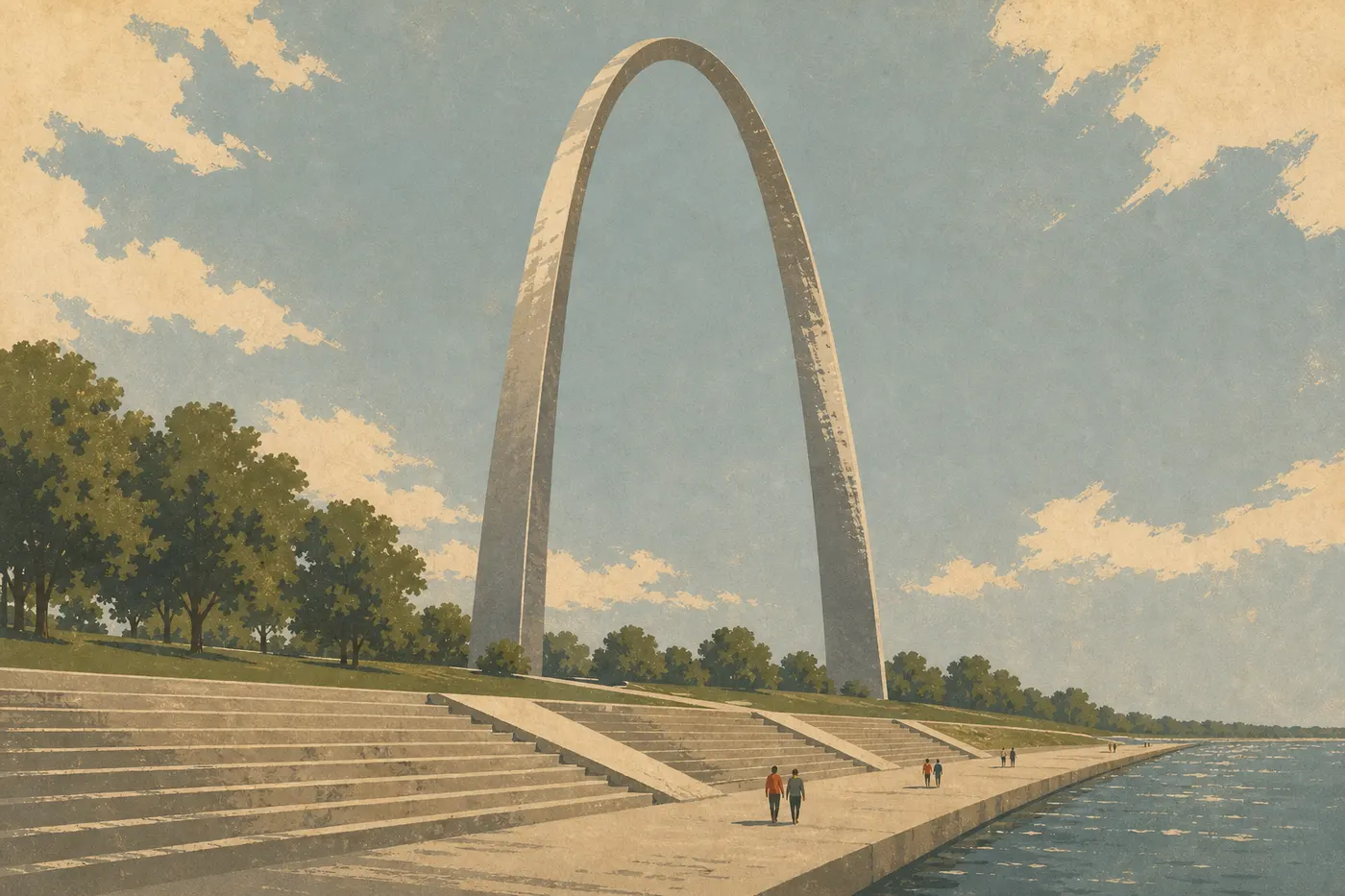
The grounds between the Arch and the river offer the best full view of the monument. From inside the underground Visitor Center, you can't see the Arch. Out here in the open, you grasp its true scale.
The Mississippi Riverfront lets you get close to the river. Replica paddle-wheel boats operated by Gateway Arch Riverboats, a private company separate from the NPS, tie up at the docks below for cruises. Ramps lead down to the docks from the grounds.
In the late afternoon, low-angle light strikes the stainless steel and turns the Arch gold. This is the moment photographers wait for. The Gateway Arch map marks the most interesting shooting angles from the grounds and from the opposite bank of the Mississippi River.
The best walks at Gateway Arch
Gateway Arch is an urban park, so it doesn't have hiking trails in the traditional sense. The network of pedestrian paths on and around the grounds does offer several pleasant, level loops.
The grounds loop covers about 1.2 miles and connects the Visitor Center, the Mississippi Riverfront, the north and south grounds, and the gardens of Luther Ely Smith Square. It is completely flat, stroller- and wheelchair-friendly, and takes 20 to 30 minutes.
The northbound riverfront walk follows the Mississippi River toward Laclede's Landing, about a ten-minute walk away. It is paved and open year-round.
The walk to Old Courthouse crosses four downtown St. Louis streets and takes about ten minutes from the Visitor Center. This short route offers a glimpse of 19th-century commercial architecture and the Art Deco buildings downtown.
For cyclists, the riverfront path continues well beyond the park, north and south, for dozens of miles along the Mississippi River. The Gateway Arch walking guide covers pedestrian and cycling routes accessible from the park.
Other activities by interest
Mississippi River cruises
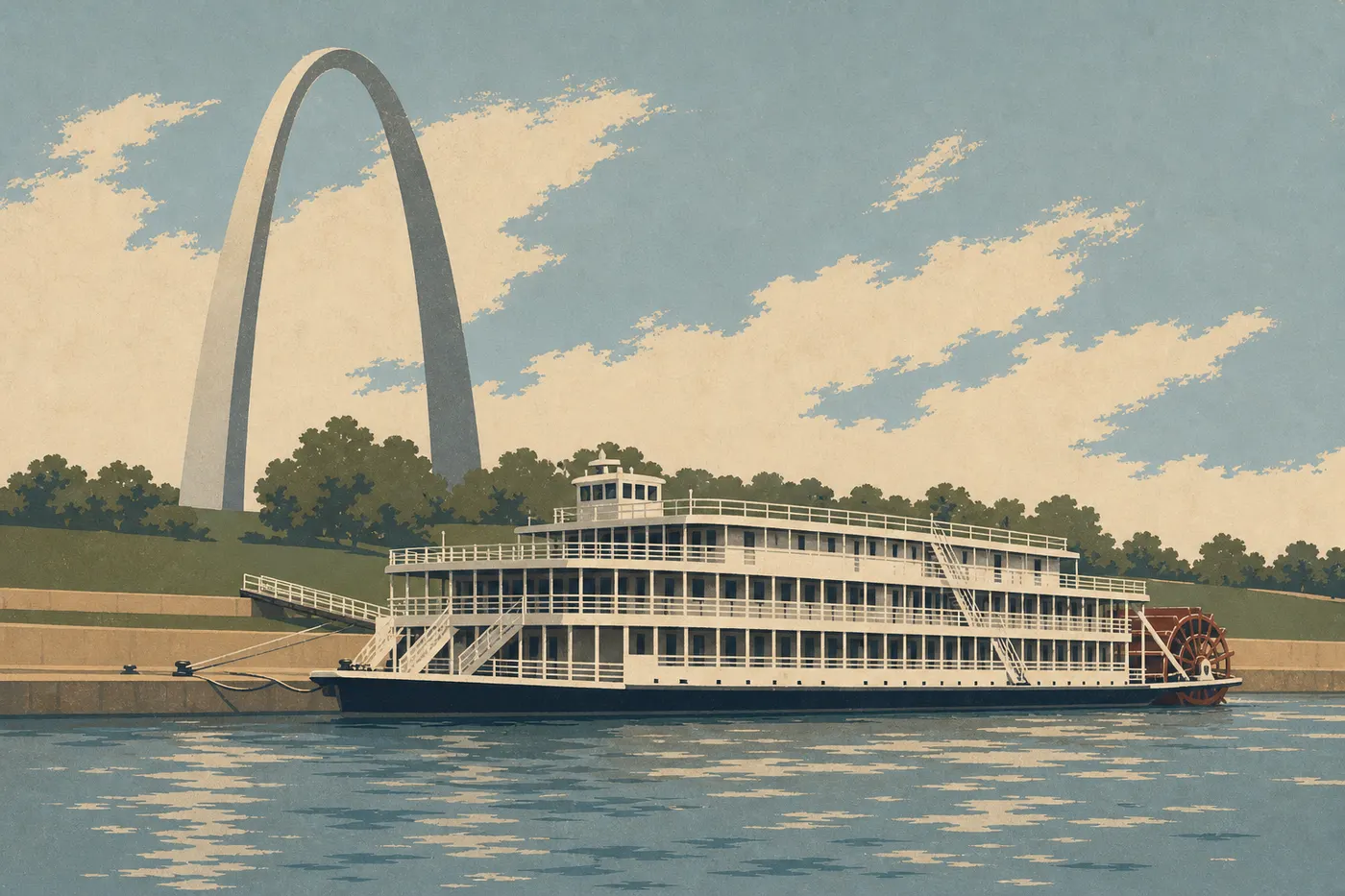
Gateway Arch Riverboats offers several types of outings from the dock below the grounds. The sightseeing cruise, which lasts about an hour, gives you a unique view of the Arch from the river. From the water, you understand why the monument stands out so clearly on the St. Louis skyline. Longer evening outings are also available. The company is private and not operated by the NPS. Book tickets directly with the company.
Ranger programs and talks
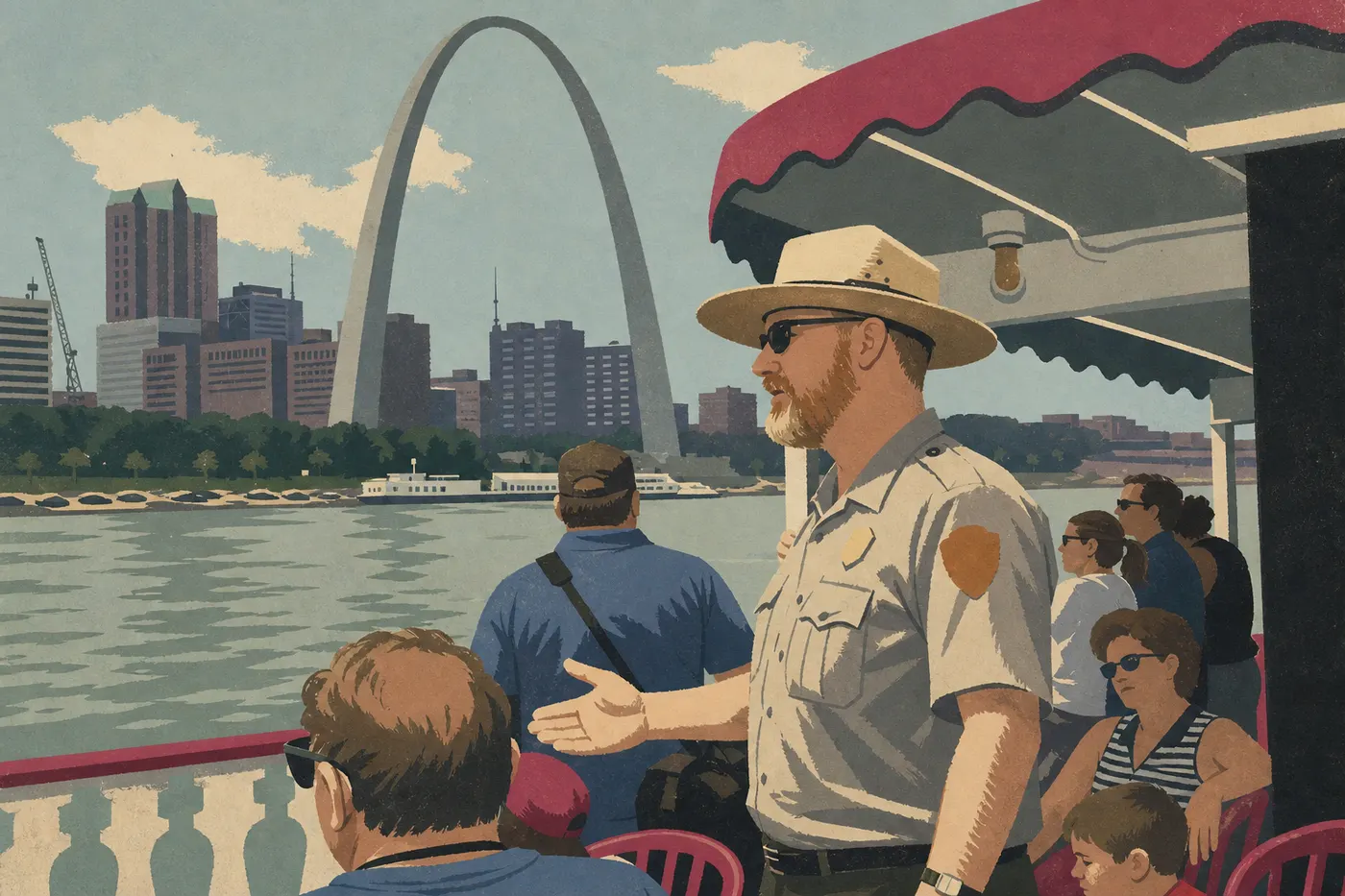
The NPS regularly leads free programs, including ranger-guided tours of Old Courthouse, presentations on the construction of the Arch, and events tied to historical dates. The schedule is posted at the Visitor Center entrance and updated on the park's official website. These programs are worthwhile even if you've seen the monument before.
Photography

The Arch is a demanding subject in terms of light. At midday, the stainless steel reflects harshly. Photographers favor the evening golden hour or the blue hour after sunset, when the monument reflects in the Mississippi River. From the Old Courthouse plaza, you can frame the Arch head-on with the Neoclassical dome in the foreground. Few visitors think to look for this composition.
With kids
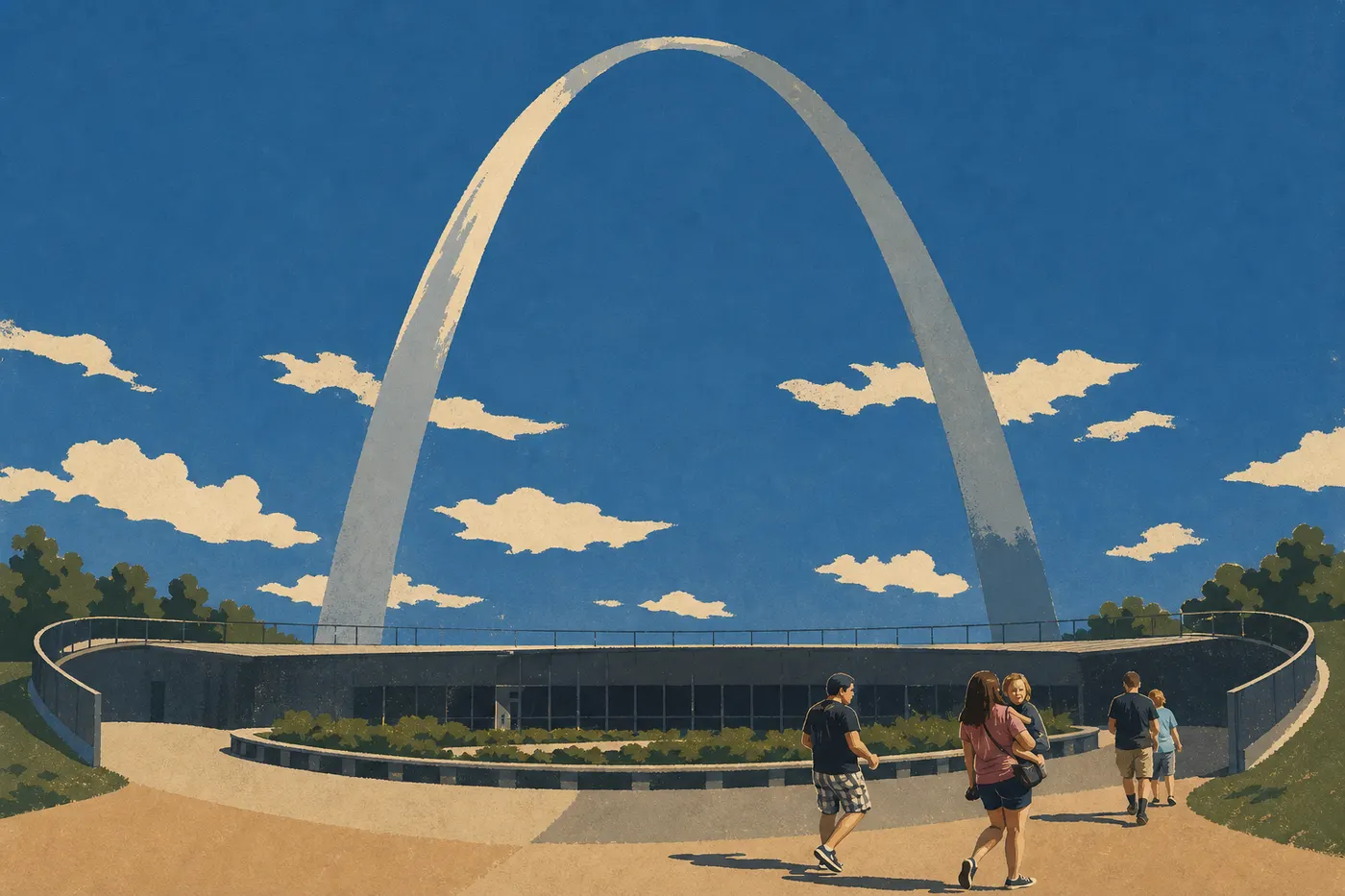
The underground museum works well for kids as young as 7 or 8 in the history sections, and for all ages when it comes to the models and short films. Kids love the ride to the top, and they remember the tram capsules for a long time, as long as you check beforehand that they can handle confined spaces. The grounds and riverfront give them plenty of room to run and picnic. Our With Kids page gathers practical advice for planning a visit with children of all ages.
Picnic and a break on the grounds

Picnics are allowed on the lawns. The NPS does not operate any food service in the park. Bring your own provisions or look for options on the nearby downtown streets, including Market Street and Washington Avenue. Our Where to Eat page lists restaurants near the park.
What to do around Gateway Arch
St. Louis has a remarkable concentration of cultural sites that are free or inexpensive to visit, making it one of the most interesting American cities for a stopover.
Forest Park, 3.7 miles west, is the main draw. Larger than New York's Central Park, it contains the Saint Louis Zoo, with free admission; the Saint Louis Art Museum, with free permanent admission; the Missouri History Museum; and an outdoor amphitheater. You can easily spend half a day there.
The Missouri Botanical Garden, 1.2 miles south of Forest Park, is one of North America's most acclaimed botanical gardens. Its Japanese garden is particularly impressive.
Laclede's Landing, a ten-minute walk north of the Arch, is the historic district of 19th-century brick warehouses converted into restaurants and bars. It's a good option for dinner after a day in the park.
The Anheuser-Busch Brewery, 1.2 miles south, offers guided tours of its historic campus, including the aging cellar and the famous Clydesdale horses used in advertising.
For a broader trip around the region, our Regional guide and Road Trip page offer route ideas around Missouri and neighboring Illinois.
The essentials: what to see first at Gateway Arch
You can visit Gateway Arch in half a day, but treating it as a simple box to check would be a mistake. The tram ride to the top, the underground museum on westward expansion, and Old Courthouse form a coherent portrait of the birth of modern America. Add an hour along the Mississippi Riverfront in the late afternoon, and you'll leave with a view of St. Louis that few visitors take home.
Book your tram time online before you arrive. It is a $19 timed entry reservation per adult. Access to the riverfront, grounds, and Old Courthouse is free year-round.
Frequently asked questions
What is Gateway Arch?
Gateway Arch is an American national park in St. Louis, Missouri, built around a 630-foot stainless steel monument. The Arch, dedicated in 1965, commemorates America's westward expansion and St. Louis's historic role as the crossroads of the continent. The park includes an underground museum, grounds along the Mississippi River, and Old Courthouse.
How tall is Gateway Arch?
Gateway Arch is 630 feet tall, exactly the same as the distance between its two legs at ground level. This symmetry is a defining feature of the catenary shape designed by Finnish architect Eero Saarinen, who won the 1948 design competition.
What does Gateway Arch symbolize?
The Arch symbolizes the Gateway to the West. It recalls that St. Louis was the city from which America's great expansion into the interior of the continent was organized and launched in the 19th century, including the Lewis and Clark Expedition from 1804 to 1806. It appears on the city's seal and on the Missouri quarter issued in 2003.
Has a plane ever flown over the Gateway to the West Arch?
The airspace around Gateway Arch is subject to permanent FAA restrictions. Private pilots attempted unauthorized flyovers in the decades after construction, before aviation regulations became significantly stricter. These acts are federal offenses. The monument and the airspace around it are protected.
How long does it take to visit Gateway Arch?
Allow three to four hours for the ride to the top, the museum, and Old Courthouse. If you add a Mississippi River cruise or a ranger program, plan on a full day. Our Itinerary & Duration page offers plans based on the length of your stopover.
Should I reserve Gateway Arch in advance?
The Ride to the Top uses timed entry reservations and costs $19 per adult. Online reservations are strongly recommended in summer and on weekends because morning time slots fill quickly. Access to the riverfront, grounds, and Old Courthouse is free, with no reservation required.
Where should I stay near Gateway Arch?
There is no lodging inside the park. Downtown St. Louis hotels are just a few minutes away on foot. Our Where to Stay page lists options for different budgets, from hostels to upscale hotels.