
When to Visit Crater Lake: Best Times, Weather, and Seasons
Crater Lake fills a volcanic caldera at 6,178 feet in Oregon. No rivers flow in or out, and the lake gets its sapphire-blue color from its exceptional water purity. That beauty comes with serious logistical challenges. The park averages 44 feet of snow a year around Rim Village, and the scenic road stays closed for much of the year. The season you choose dramatically changes what you'll see. The best time to visit Crater Lake is July through September, with September as the top choice for good weather, full access, and peace and quiet.
The short answer. July, August, and September offer the best of Crater Lake, with clear skies, a fully open Rim Drive, and daytime temperatures between 64 and 72°F. September gives you nearly the same experience with noticeably fewer visitors than August. It's our go-to choice.
Crater Lake Weather Month by Month
The table below summarizes average trends at this elevation. For detailed forecasts and the interactive weather widget, visit our Crater Lake Weather page.
| Month | High | Low | Snowfall | Sunshine |
|---|---|---|---|---|
| January | 32°F | 14°F | ★★★★★ | low |
| February | 34°F | 16°F | ★★★★★ | low |
| March | 37°F | 19°F | ★★★★☆ | variable |
| April | 45°F | 27°F | ★★★☆☆ | variable |
| May | 52°F | 34°F | ★★☆☆☆ | variable |
| June | 61°F | 41°F | ★☆☆☆☆ | good |
| July | 72°F | 46°F | ☆☆☆☆☆ | excellent |
| August | 72°F | 46°F | ☆☆☆☆☆ | excellent |
| September | 64°F | 41°F | ☆☆☆☆☆ | excellent |
| October | 50°F | 34°F | ★☆☆☆☆ | variable |
| November | 37°F | 23°F | ★★★★☆ | low |
| December | 30°F | 16°F | ★★★★★ | low |
At this elevation, even in July, nighttime temperatures drop to around 45 to 46°F along the crater rim. Pack a warm layer in every season.
Crater Lake in January
Daytime temperatures hover around 32°F and drop toward 14°F at night. Snowfall is heavy, Rim Drive is closed, and only the West Entrance via Oregon Highway 62 remains passable. The Steel Visitor Center opens on some days. Check hours on the NPS website before you leave. Snowshoeing and cross-country skiing around the visitor center make up most of the available activities.
Crater Lake in February
Conditions resemble January, with below-freezing nights, heavy snow, and limited access through the West Entrance. This is the best month for ranger-led snowshoe outings on weekends, when weather allows. Clouds often hide the lake. Expect an almost empty park and a high-mountain winter atmosphere.
Crater Lake in March
Snow remains heavy, but the days get longer. Park crews begin clearing snow from Rim Drive, though there's no guarantee the road will open this month. The North Entrance via Highway 138 remains closed. A March visit can bring clear days over a snow-covered lake if you're willing to accept very limited access.
Crater Lake in April
Snow starts to clear at higher elevations, but it remains deep and nights still fall below freezing. Rim Drive is still almost entirely closed. The West Entrance remains the only way into the park. Visitor numbers are very low, which is ideal if you want complete solitude and less appealing if you want to drive along the crater rim.
Crater Lake in May
Snow removal moves forward but remains partial. Depending on the year, some sections of Rim Drive may open late in the month while others remain closed. Daytime temperatures become milder, around 50°F, but nights stay cool and more snow is possible. The North Entrance stays closed until North Entrance Road fully opens. May works for flexible travelers, not for a fixed itinerary.
Crater Lake in June
Snowfall is light, though a late storm remains possible early in the month. Rim Drive opens in stages. Some years it opens fully in June, while the northern sections may not open until late June or early July. The first wildflowers appear at lower elevations. June is a great time to visit with few people, as long as you can adjust to whichever roads are open.
Crater Lake in July
This is the start of peak season. Rim Drive is fully open, boat trips to Wizard Island are running, and all ranger programs are active. Daytime temperatures reach 72°F, while nights remain cool at around 45 to 46°F along the lakeshore. Crowds are heavy, and parking lots around Rim Village fill up by midday. Arrive before 9 a.m. or after 5 p.m. to enjoy the overlooks without waiting.
Crater Lake in August
August brings the same weather as July and excellent sunshine. It's the busiest month. Rim Village, the boats to Wizard Island, and the main overlooks are packed by midday. Crater Lake Lodge fills up as soon as reservations open. For a more comfortable visit, start early or choose quieter viewpoints such as Cloudcap Overlook.
Crater Lake in September
The weather stays almost summery, with 64°F days and cool nights. Rim Drive is still fully open, and boat trips continue until the end of the season. Visitor numbers drop sharply from August. Parking lots clear out, and the overlooks become peaceful again. Late-season light is especially good for photography. This is our top recommendation for combining ideal conditions with a comfortable visit.
Crater Lake in October
October can still bring beautiful clear days, with an intensely blue lake against a forest beginning to turn brown along the park's edge. The first snowstorms arrive as early as mid-October at this elevation, and Rim Drive closes on November 1. The window is short. If you're visiting late in the month, check road conditions on the NPS website before you leave. Crowds are very light, and lodging prices nearby begin to fall.
Crater Lake in November
Snow returns quickly and becomes heavy. Rim Drive closes on November 1, sometimes earlier if snow arrives ahead of schedule. Only the West Entrance remains passable. Most services shut down. November isn't the season for seeing the lake from the crater rim.
Crater Lake in December
Winter conditions are intense, with nights around 16°F, days around 30°F, and heavy snowfall. The park is accessible only through the West Entrance. The setting feels like a high-mountain landscape in the middle of winter. Snowshoeing and winter wilderness enthusiasts will find a unique experience, but it requires solid gear and serious preparation.
Crater Lake Season by Season
Winter (December to March): The Park Under Snow
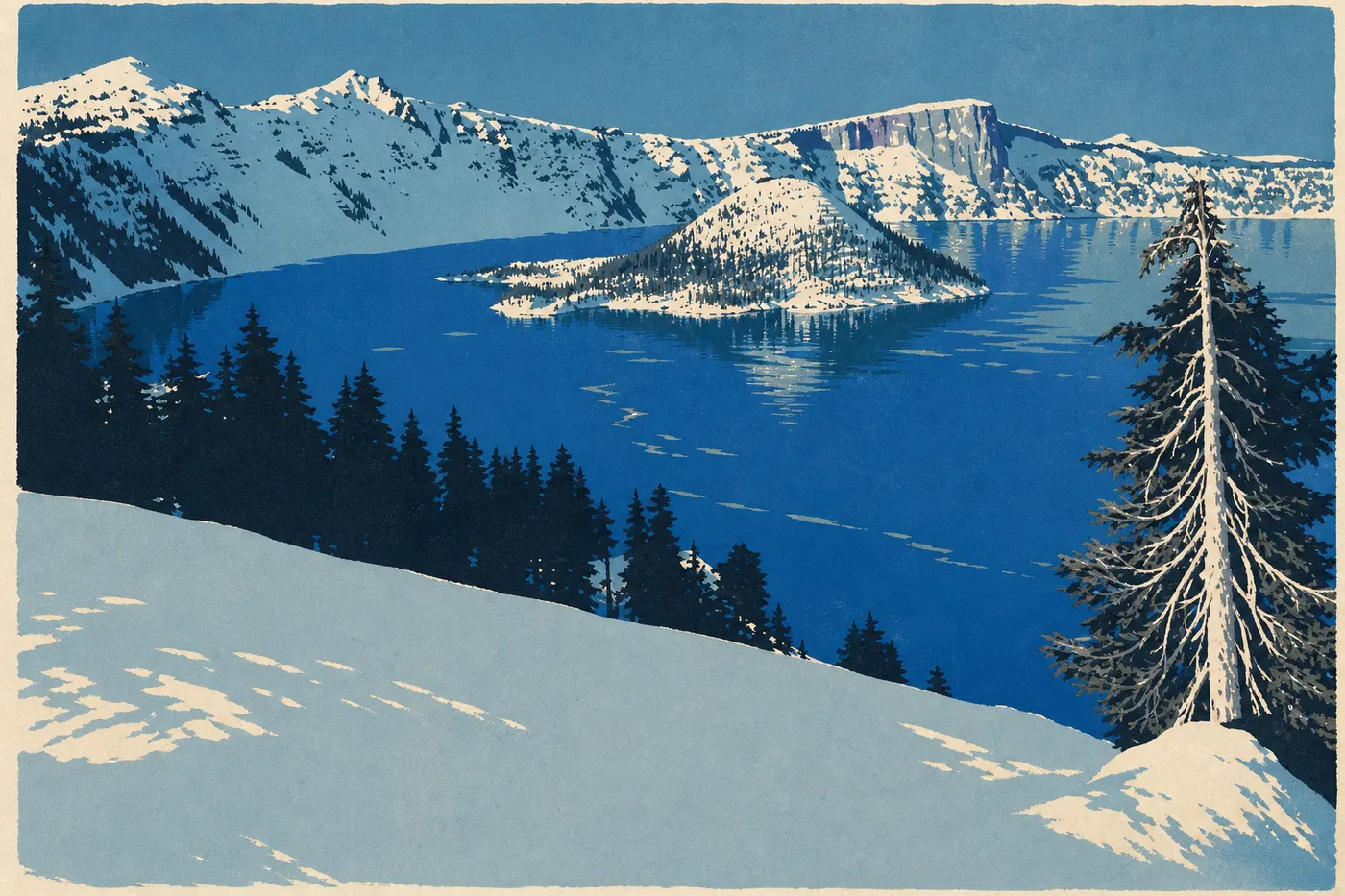
Winter at Crater Lake isn't a shutdown. It's an accumulation of snow. Some storms from the Pacific dump more than 3 feet in 24 hours. North Entrance Road and the East and West Rim Drives close on November 1, sometimes earlier when snow arrives early. Only the West Entrance via Oregon Highway 62 stays open year-round. Clouds hide the lake about 50% of the time in winter.
Here's what you can do: snowshoe and cross-country ski around the Steel Visitor Center, which you can reach by car. Rangers lead guided outings on weekends when conditions allow. The park feels almost deserted, and that has its own appeal.
This isn't the season for a first visit to Crater Lake.
Spring (April to June): Between Mud and Bloom
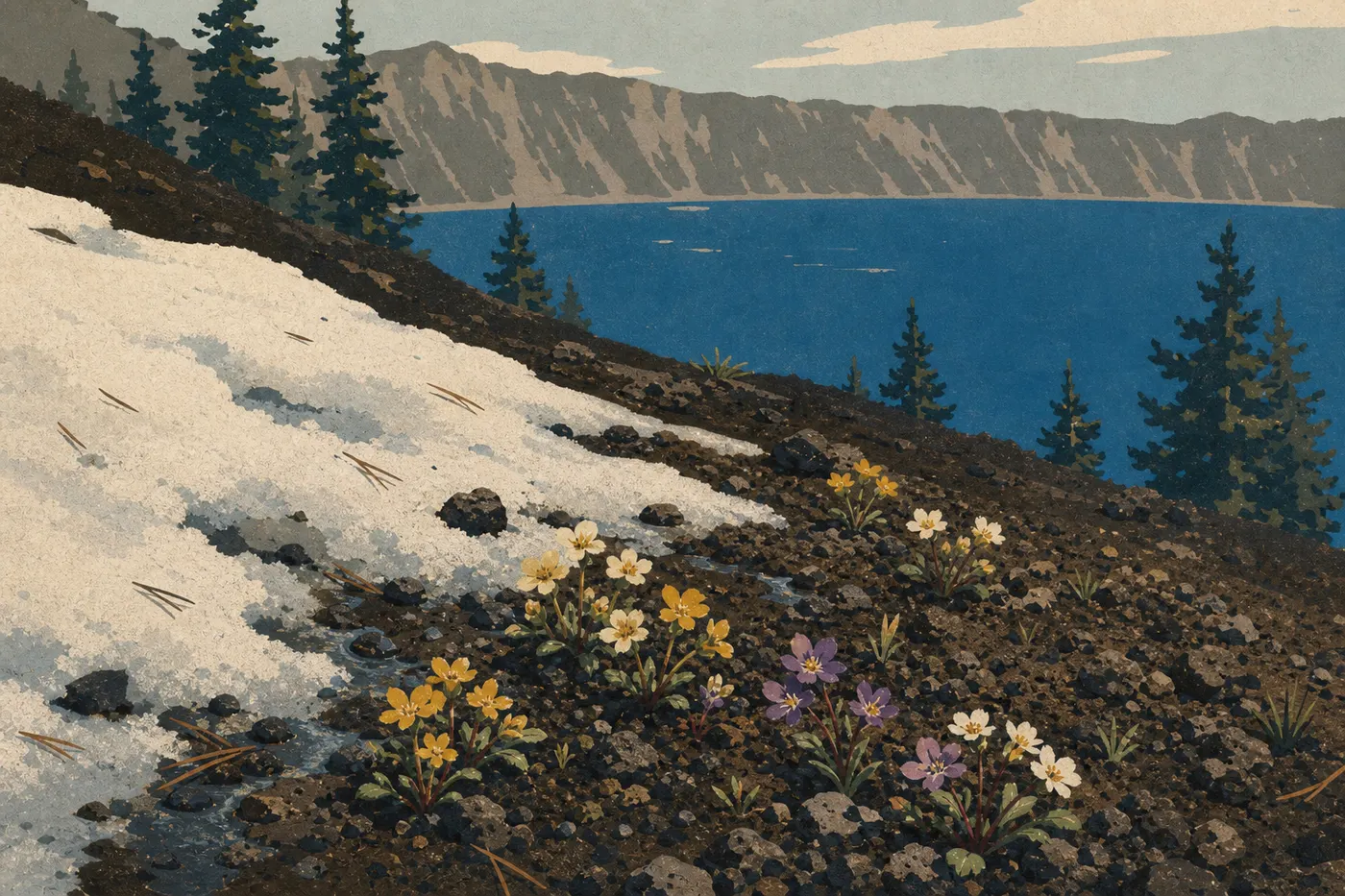
Snow removal on Rim Drive begins in April, but the road's full opening varies from year to year. It may not happen until late June or even early July for the northern sections. Park crews start working in March without being able to promise an exact date. May and June alternate between clear days and fresh snow. The first wildflowers appear at lower elevations as early as June.
The South Entrance via Highway 62 from Klamath Falls stays accessible year-round. The North Entrance on Highway 138 doesn't reopen until North Entrance Road opens. Check road conditions on the official NPS website before you set out.
Best for flexible travelers who can handle unpredictable weather in exchange for total peace and quiet in an almost empty park.
Summer (July to September): The Season When Everything Is Possible
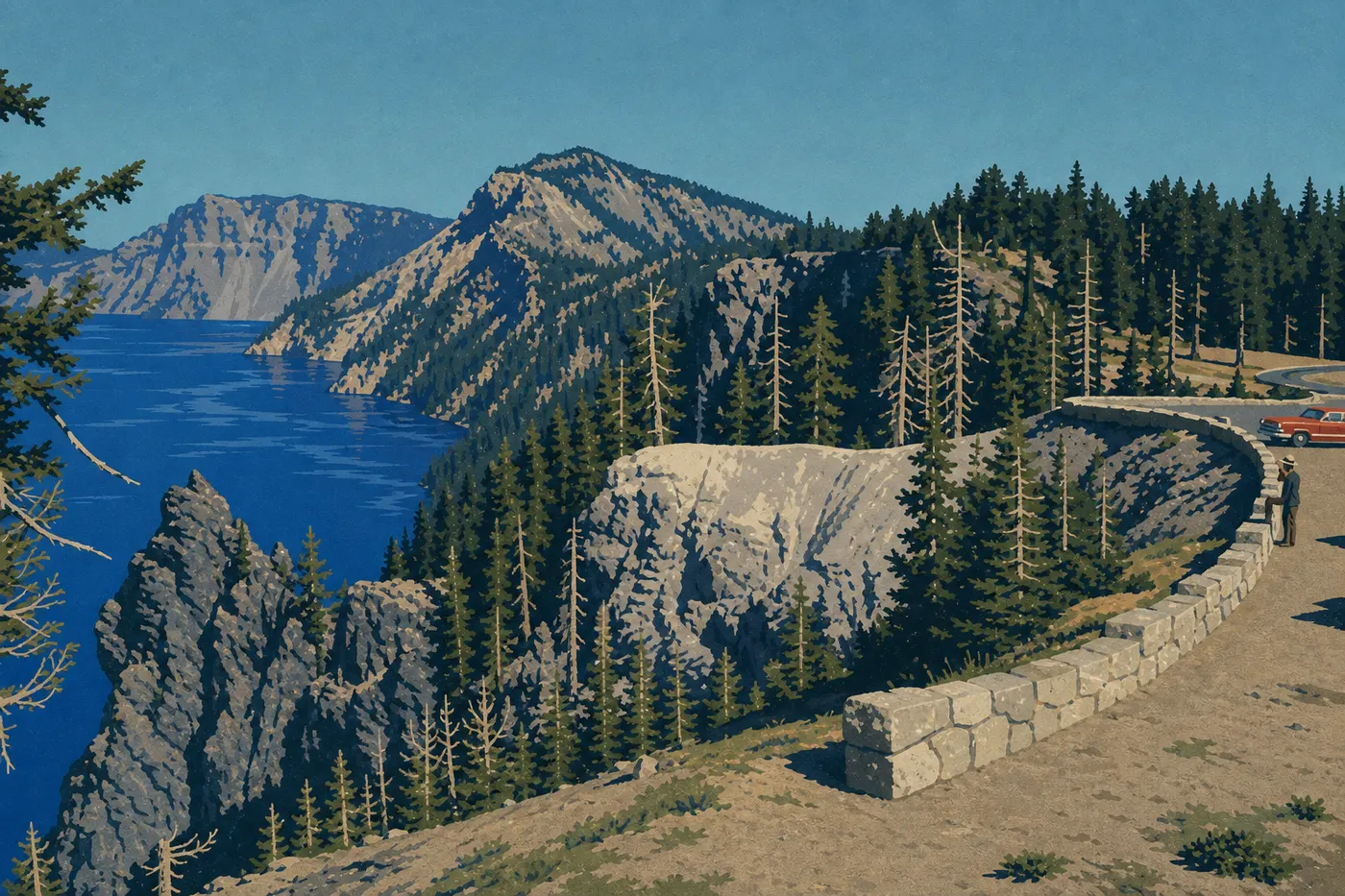
This is the only season when everything operates at once. Rim Drive is fully open, the main trails are clear, and boats serve Wizard Island, the volcanic island in the center of the lake that's accessible only by boat. Ranger talks take place several times a day, and the Junior Ranger program is in full swing. The lake's depth and purity create an almost unreal indigo blue, with a clarity that photographs never quite capture.
July and August bring the vast majority of visitors. September offers the same experience with far fewer people. When we visited in early September, the Rim Village parking lot was half empty at 9 a.m., while it was packed at the same time in August. The difference is striking.
Best for every type of traveler. This is the season without compromises.
Fall (October to November): A Short Window
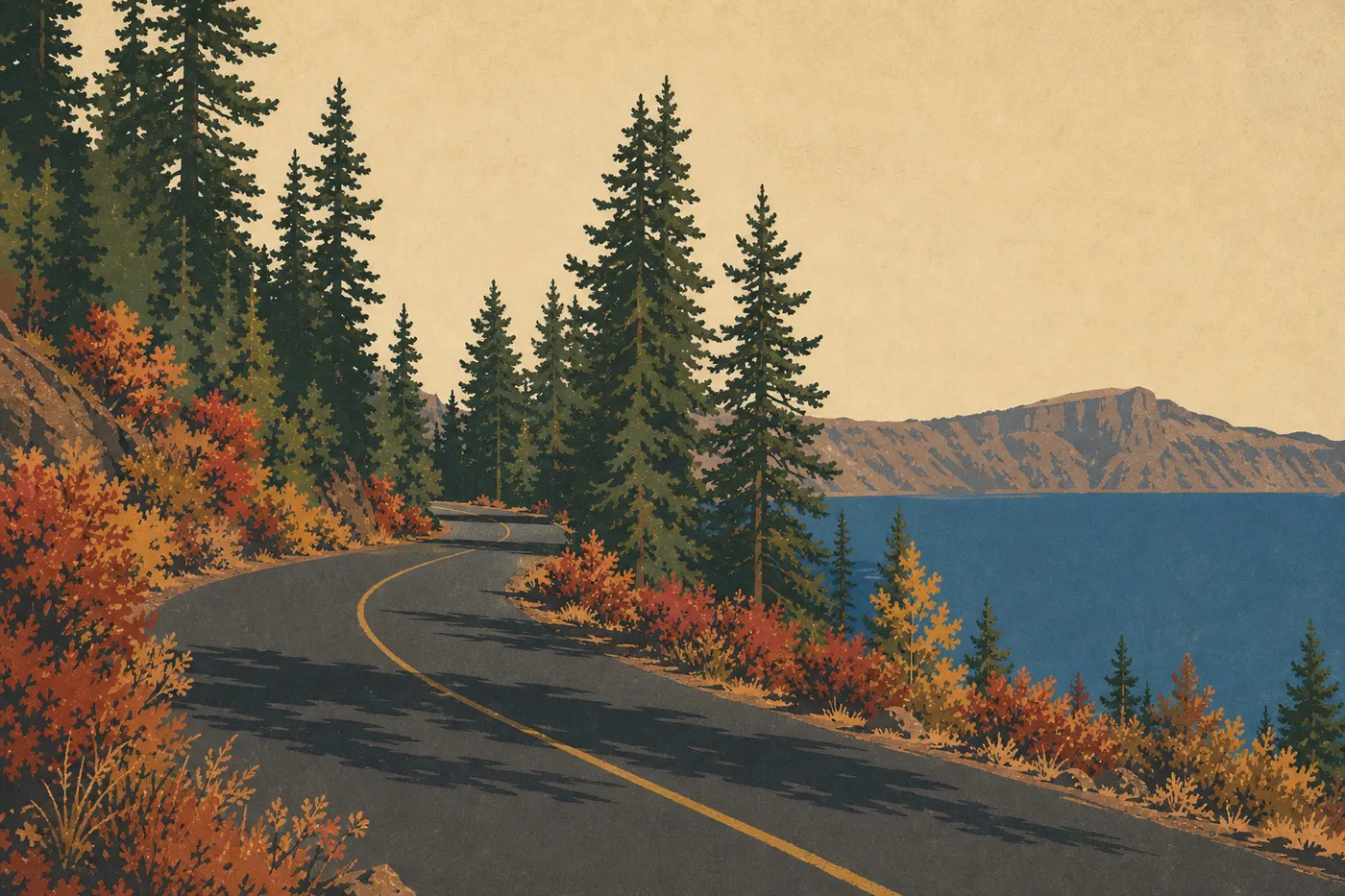
October can still deliver beautiful clear days, with a vivid blue lake against a forest beginning to turn brown. Keep in mind that the first snowstorms arrive as early as mid-October at this elevation, and Rim Drive closes on November 1. The window is short. Larches and aspens around the park take on warm colors, but Crater Lake is still a conifer landscape. You won't find the spectacular fall color of the eastern Rockies here.
Best for photographers who like betting on low-angle light and dramatic skies, with a backup plan if the weather turns.
Crowds: When to Avoid the Rush at Crater Lake
Crater Lake draws several hundred thousand visitors a year, a modest number compared with Yellowstone or Zion. But because almost everything happens between July and August, the concentration during those two months is very real. Expect full parking lots at Rim Village around midday, waits at the overlooks, and lines for boats to Wizard Island.
| Season | Crowds | Access |
|---|---|---|
| July-August | Very heavy | Rim Drive open, ideal weather |
| September | Moderate | Nearly summer-like, far fewer people |
| June | Light | Rim Drive partly open, uncertain weather |
| October | Very light | Unsettled weather, Rim Drive closes November 1 |
| November to May | Minimal | Very limited access, West Entrance only |
A local tip. In midsummer, get to Rim Village before 9 a.m. or after 5 p.m. Cloudcap Overlook on the east side consistently sees fewer people than The Watchman, even though The Watchman is easier to reach from the main entrance.
The Best Time for a Budget-Friendly Visit
The entrance fee is the same year-round: $30 per vehicle, $15 per person on foot or by bike, and $25 for a motorcycle. The park's annual pass costs $55. If your itinerary includes other federal national parks, the America the Beautiful pass pays for itself starting with your second park. The National Parks Fees and Passes page explains entrance fees and annual passes.
Seasonal changes mainly affect lodging nearby. Motels in Medford, about 59 miles west, and Klamath Falls, about 50 miles southeast, charge noticeably less in May and June and in October than they do in July and August. Crater Lake Lodge, inside the park on the rim, fills up as soon as reservations open, whatever the season. The Where to Stay at Crater Lake guide compares every option by budget and season.
The budget window. Late September still brings summer-like weather, fewer visitors, and lodging prices that are beginning to ease. It's often the year's best balance of price and conditions.
The Best Season for Your Travel Style
Wildlife. Black-tailed deer and Cascade squirrels can be seen near the park year-round. Black bears are active from May through October, especially along the forest edge in July and August. Bald eagles and common ravens regularly soar above the lake. Rainbow trout and kokanee salmon live in the lake. Fishing is allowed without a state license, subject to park rules. The Crater Lake Wildlife guide covers the best spots and seasonal behavior.
Hiking. The main trails are fully accessible only from mid-July through mid-September. Cleetwood Cove Trail, the only official access to the lakeshore, opens with the summer season. Garfield Peak Trail and Watchman Peak Trail offer the broadest views of the caldera. The Crater Lake Hiking guide covers every trail, with difficulty and access dates.
Photography. September is the favorite month, with late-season golden light, mostly clear skies, and few people at the overlooks at dawn. Merriam Point on the northwest side catches Wizard Island's reflection at sunrise. Cloudcap Overlook on the east side offers the widest view of the lake in late afternoon.
Families. July and August are made for families, with an active Junior Ranger program, daily ranger talks, and boat trips to Wizard Island that children can enjoy. Our Crater Lake with Kids guide covers activities by age group.
Tight budget. Late September or early October brings still-decent weather, lower lodging prices, and no lines at the parking lots.
In Summary: The Best Season for Your Travel Style
| Travel style | Recommended season |
|---|---|
| First visit | August (everything is open, but you'll need to manage the crowds) |
| Best overall experience | September (our top recommendation) |
| Full hiking access | Mid-July to mid-September |
| Photography (light and quiet) | September, early morning or late afternoon |
| Families with children | July-August (programs fully active) |
| Tight budget | Late September or early October |
| Winter adventure | January-February (snowshoes, if conditions are favorable) |
If you had to choose just one month, make it September. The lake is just as blue as it is in August, Rim Drive is still open, temperatures are mild, and you can finally find a parking spot at Rim Village without planning your arrival like a logistics operation. Our complete Crater Lake guide brings together everything you need to plan your trip, from lodging to activities.
The Worst Time to Visit Crater Lake
From November through May, Rim Drive is almost entirely closed. The park's central experience, driving along the 33-mile crater rim with sweeping views down to the lake, simply isn't available. You can enter through the West Entrance, catch a glimpse of the lake from the Steel Visitor Center if the sky cooperates, and go snowshoeing. But if this is your only chance to visit, choosing November through May for a first look at Crater Lake would be a waste.
July and August aren't bad in themselves, but they require serious planning. Rim Village parking is full before 10 a.m., boats to Wizard Island have lines, and the overlooks are packed around midday. If you hate crowds, this is the time to avoid. Early October also deserves a mention. An early snowstorm, common at this elevation, can close sections of Rim Drive before November 1 and derail your plans without warning.
Frequently Asked Questions
What's the best month to visit Crater Lake?
September is the best month to visit Crater Lake, with almost summer-like weather, noticeably fewer visitors than August, and ideal late-season light for photography and scenic views. July and August work well too, but you'll need to arrive early or choose secondary overlooks to avoid the crowds.
Can you visit Crater Lake in winter?
Yes. The park is accessible year-round through the West Entrance on Oregon Highway 62. But Rim Drive is closed from November through roughly the end of May, making it impossible to circle the lake from the crater rim. In winter, the experience centers on the area around the Steel Visitor Center, snowshoeing, and cross-country skiing. It's a different kind of visit for winter-wilderness enthusiasts, not a substitute for the summer season.
When is peak season at Crater Lake?
Peak season runs from July through August. That's when all roads are open, boats to Wizard Island are running, and ranger programs are active. It's also the busiest time. Rim Village parking lots fill up around midday, and Crater Lake Lodge sells out months in advance.
What is the least crowded month to visit Crater Lake?
The least crowded months are January through April, but access is very limited and Rim Drive is closed. Among the months when the park is fully accessible, October is the quietest, followed by September. If you want solitude without giving up access to the lake, September remains the best balance.
When does it snow at Crater Lake?
Snow falls at Crater Lake from October through May, with the heaviest storms from December through March. The park averages 44 feet of snow a year around Rim Village. In winter, clouds hide the lake about 50% of the time.
Can you still visit Crater Lake in 2026?
Yes. Crater Lake National Park is open year-round, 24 hours a day. The West Entrance via Highway 62 is always accessible. The only seasonal restrictions affect Rim Drive, which is closed from November through roughly the end of May, and the North Entrance, which closes in winter. The park is operating normally in 2026.
Is Crater Lake worth the trip?
Crater Lake is worth the trip for its water color, which is unique among America's national parks. The lake's exceptional purity and depth create an intense sapphire blue. The volcanic caldera adds a rare geological dimension. Our complete Crater Lake guide helps you plan your trip.
How long do you need to visit Crater Lake?
Two days are enough to drive Rim Drive, hike to one or two overlooks, and take a boat to Wizard Island. To explore the park in depth, plan on three to four days. Our Itinerary and Trip Length page offers plans for different travel paces.